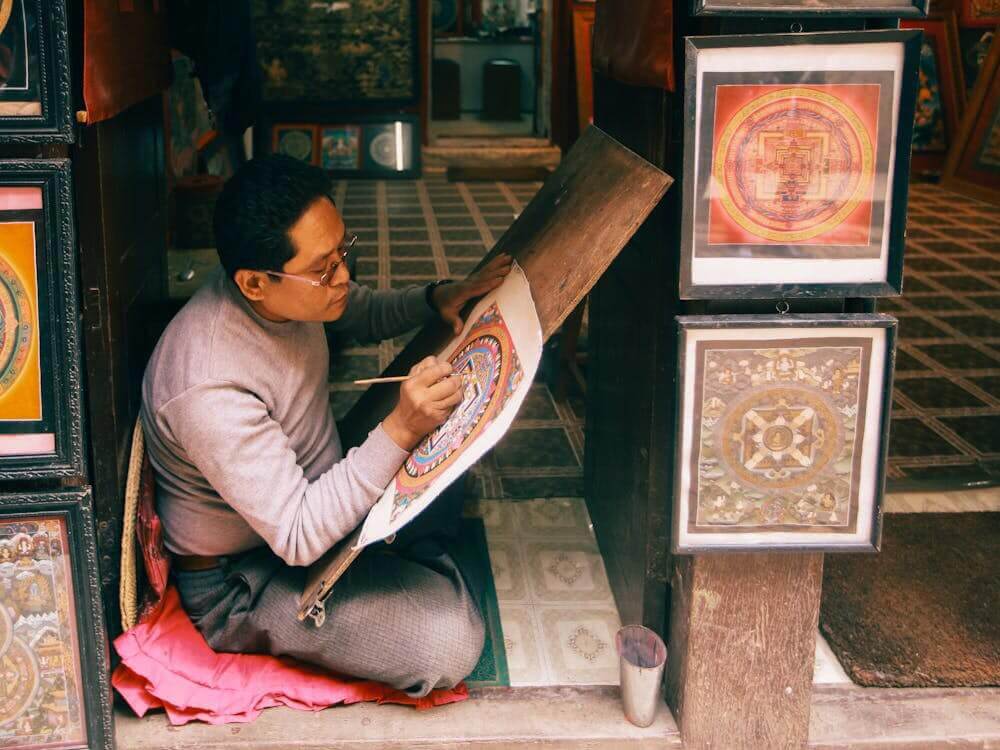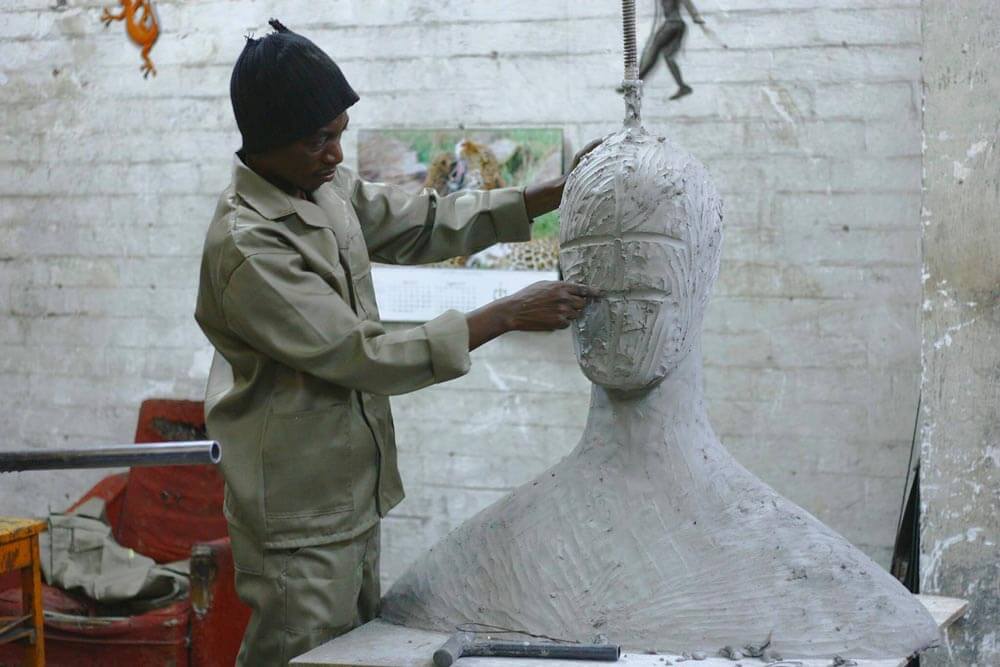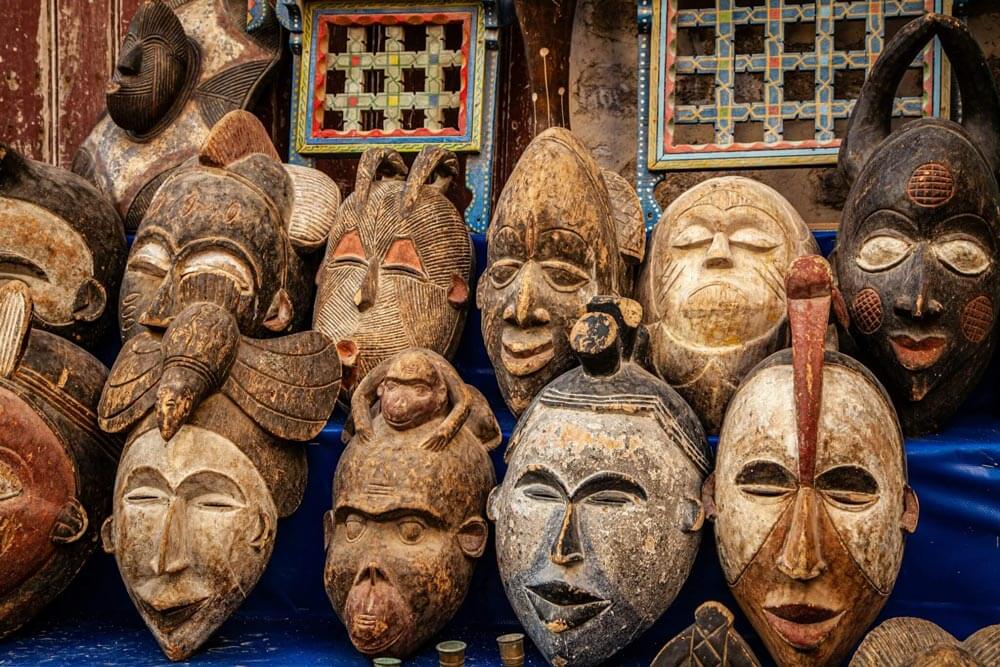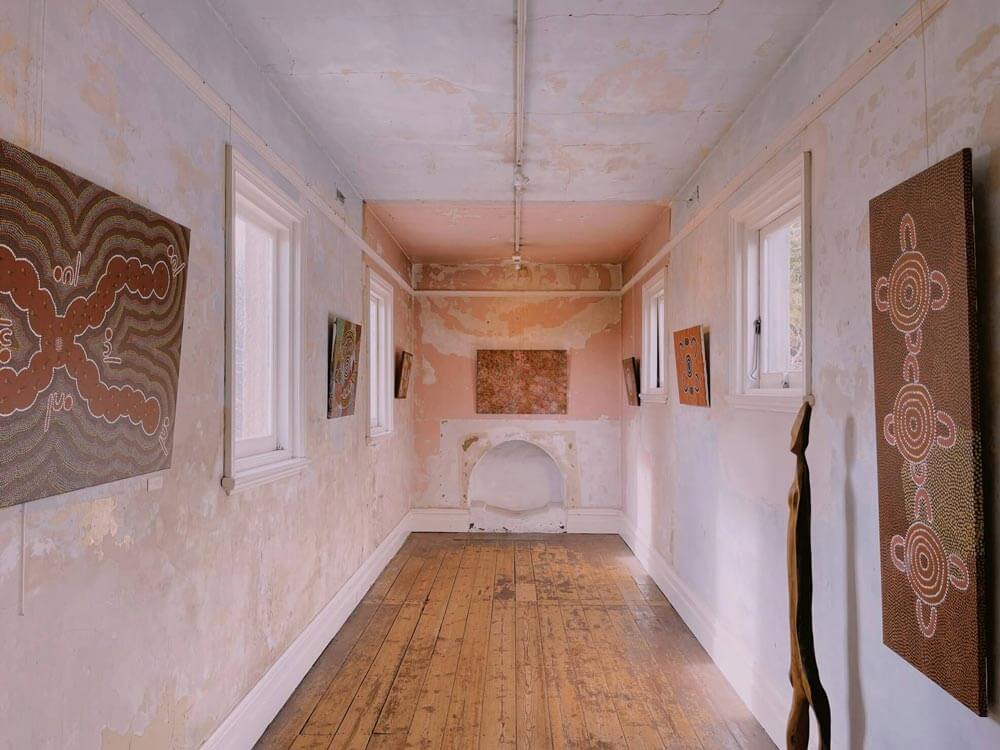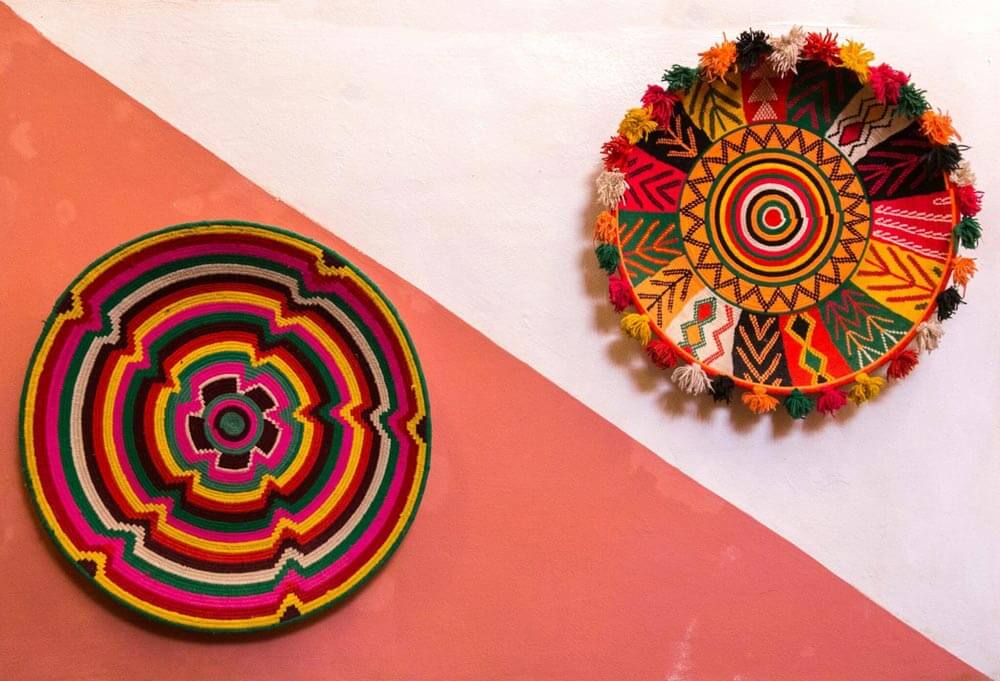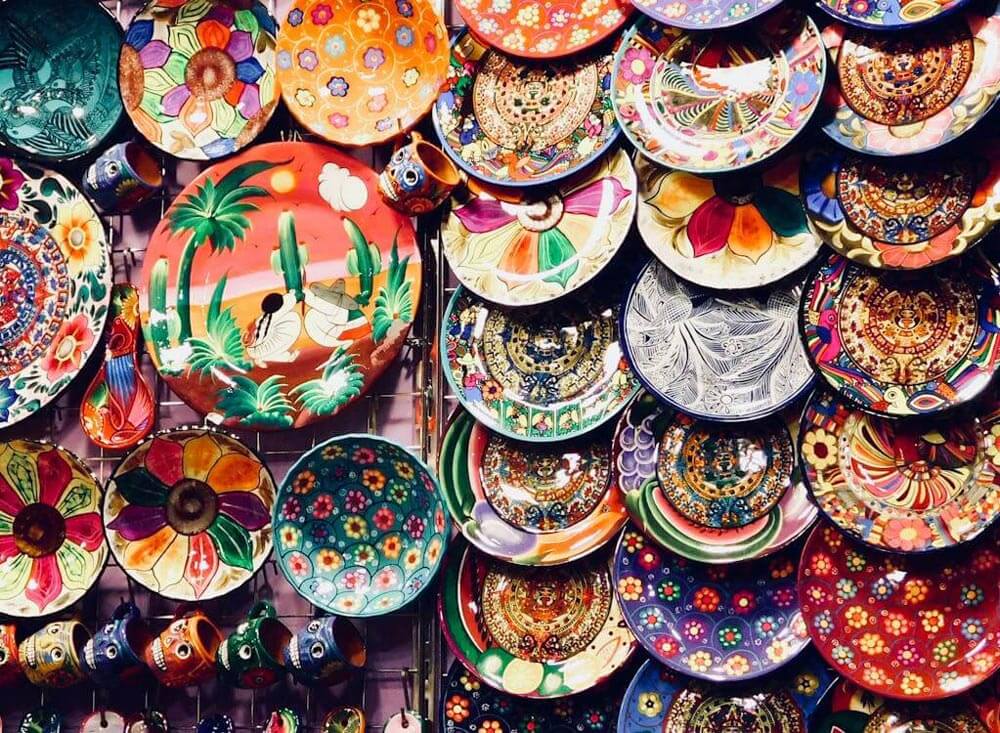


Diversity and inclusivity in art mean ensuring that artists from all backgrounds – regardless of race, gender, sexuality, disability, or heritage – can create, exhibit, and be seen. It matters now more than ever because the art world has historically excluded entire communities, and those exclusions are still felt. This guide is for artists looking to find their place, galleries wanting to programme more inclusively, and collectors who want their collections to reflect the real world.
Diversity in art refers to the representation of a wide range of cultural backgrounds, identities, and lived experiences within creative work and the institutions that support it. It goes beyond surface-level inclusion – it means actively removing the structural barriers that have kept certain voices from being heard. Inclusivity in art is the practice of ensuring that diverse voices are not just invited in but genuinely supported, platformed, and valued.
- Diversity in art means representing a wide range of cultures, identities, and backgrounds – both in who makes art and who gets to show it
- Inclusive art challenges stereotypes, fosters empathy, and keeps creative culture evolving.
- Artists like Kehinde Wiley, Yayoi Kusama, and Zanele Muholi are reshaping what mainstream art looks like
- In the UK, 2026 has seen major new initiatives, including the Art Fund’s Empowering Curators scheme and the Arts Council England’s Diverse-Led Organisations programme.
- Diversity art is not a trend – it is a structural shift in who gets to define culture.
Table of Contents
- Why Are Diversity and Inclusivity Important in Art?
- Which Artists Are Redefining Diversity in Contemporary Art?
- Success Stories: Celebrating Underrepresented Voices in Art
- How Does Art Promote Diversity?
- How Do Diverse Perspectives Influence Modern Art Trends?
- How Can Art Galleries Foster Inclusivity?
- What Art Organisations and Initiatives Support Underrepresented Artists?
- Key Takeaways
- Conclusion
- External Resources
- FAQs
- About the Author
Why Are Diversity and Inclusivity Important in Art?
Art reflects the society that creates it. When only a narrow group of people are represented – as makers, subjects, or decision-makers – the result is a narrow picture of human experience. That narrowness has costs: cultural, social, and creative.
Here is why diversity and inclusivity in art are essential:
- They reflect reality. A diverse range of art gives a more accurate picture of the world. It includes artists and subjects from different backgrounds, cultures, and identities – not just the dominant ones.
- They challenge assumptions. Exposure to different lived experiences through art builds empathy and breaks down stereotypes. It introduces audiences to perspectives they may never encounter otherwise.
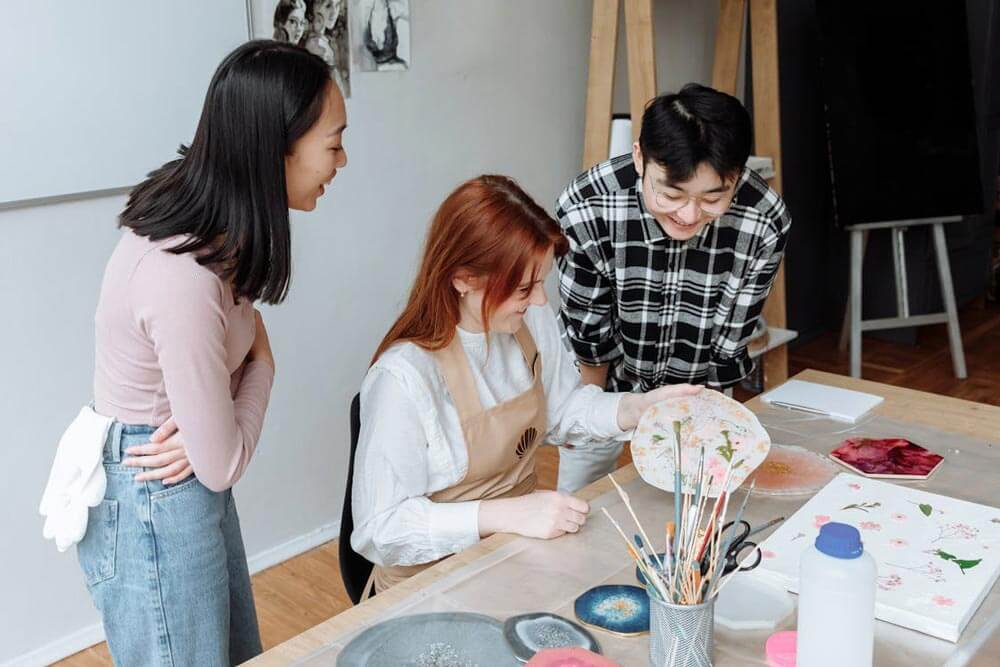
- They strengthen cultural exchange. When art represents different traditions thoughtfully, it creates genuine dialogue across communities. That exchange matters in an increasingly interconnected world.
- They open doors. Seeing yourself represented in art is a powerful experience. It tells people from underrepresented backgrounds that their stories are worth telling – and that a career in the arts is genuinely available to them.
- They keep art fresh. New voices bring new aesthetics, new stories, and new ways of making. Without them, art stagnates. Diversity in art is what keeps creative culture dynamic and evolving.
- They create a fairer industry. Inclusive representation ensures that artists from diverse backgrounds have equal access to create, exhibit, and thrive – not just to be tokenised.
Which Artists Are Redefining Diversity in Contemporary Art?
Indigenous Creators
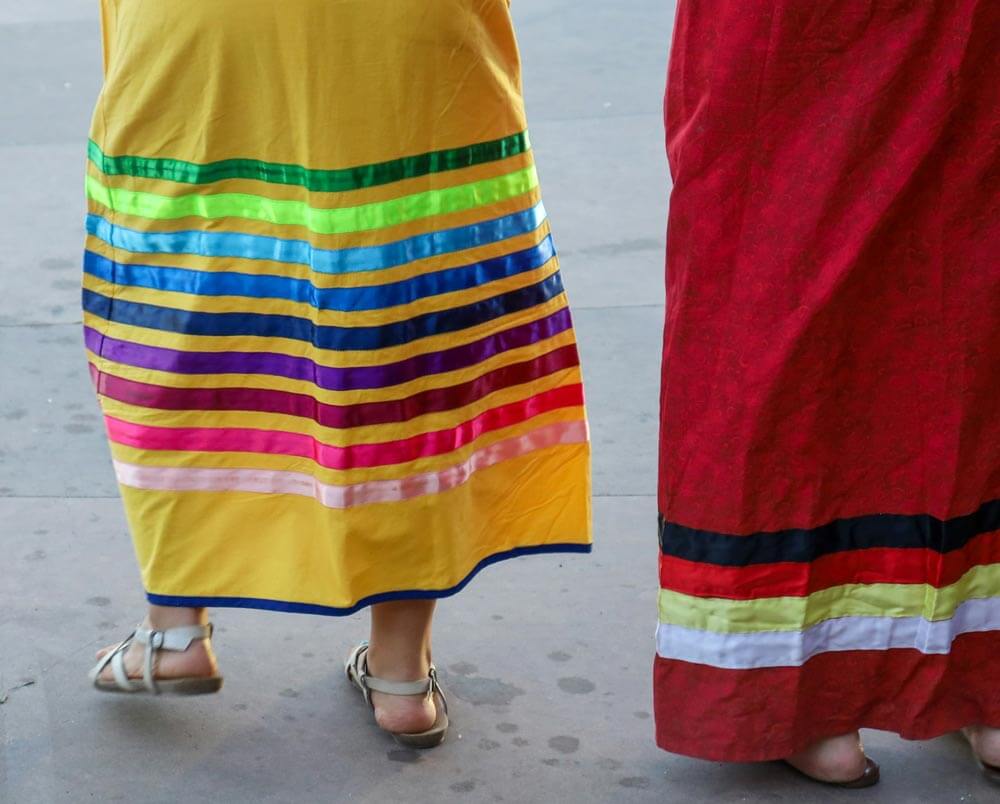
Jeffrey Gibson
An artist of Choctaw and Cherokee descent, Gibson merges traditional Native American symbolism with contemporary visual techniques. His work asks what cultural identity means when it is not fixed – and invites viewers into the layered complexity of Indigenous heritage and modern life.
Wendy Red Star
A member of the Apsáalooke (Crow) Tribe, Red Star combines traditional Native American imagery with sharp contemporary commentary. Her art holds heritage and modernity in tension, showing that cultural pride does not require stepping backwards.
LGBTQ+ Artists
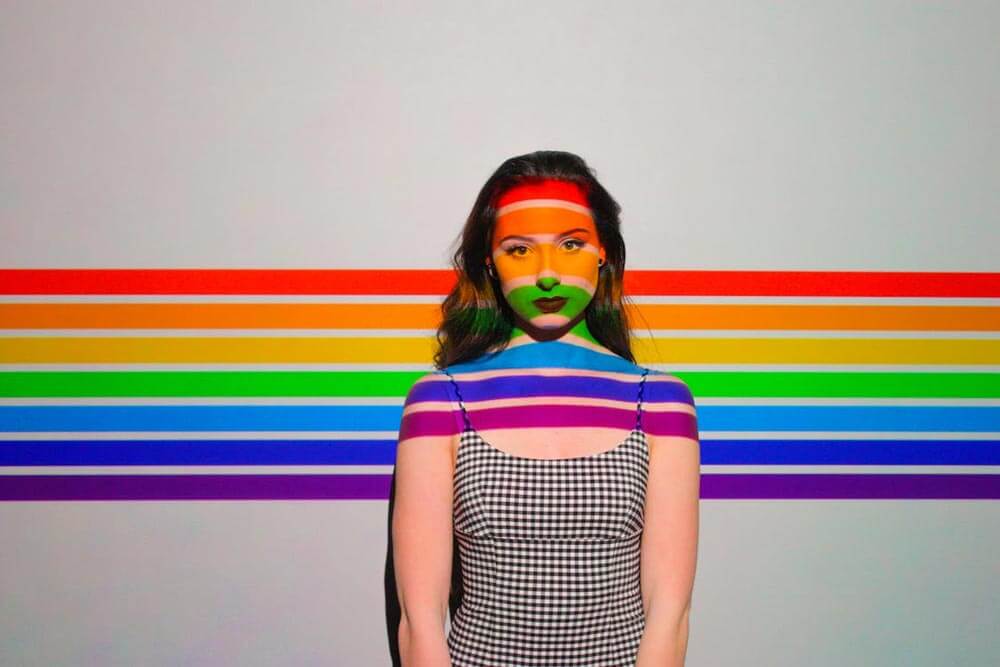
Zanele Muholi
A South African visual activist, Muholi uses photography to document and celebrate the lives of Black lesbians in South Africa. Her work confronts prejudice directly while affirming the beauty and resilience of the communities she portrays.
Felix Gonzalez-Torres
A Cuban-American conceptual artist whose work explores love, loss, and identity. His pieces carry deep emotional weight – connecting personal experience to wider social narratives with quiet, powerful effect.
Artists from Underrepresented Ethnic Backgrounds
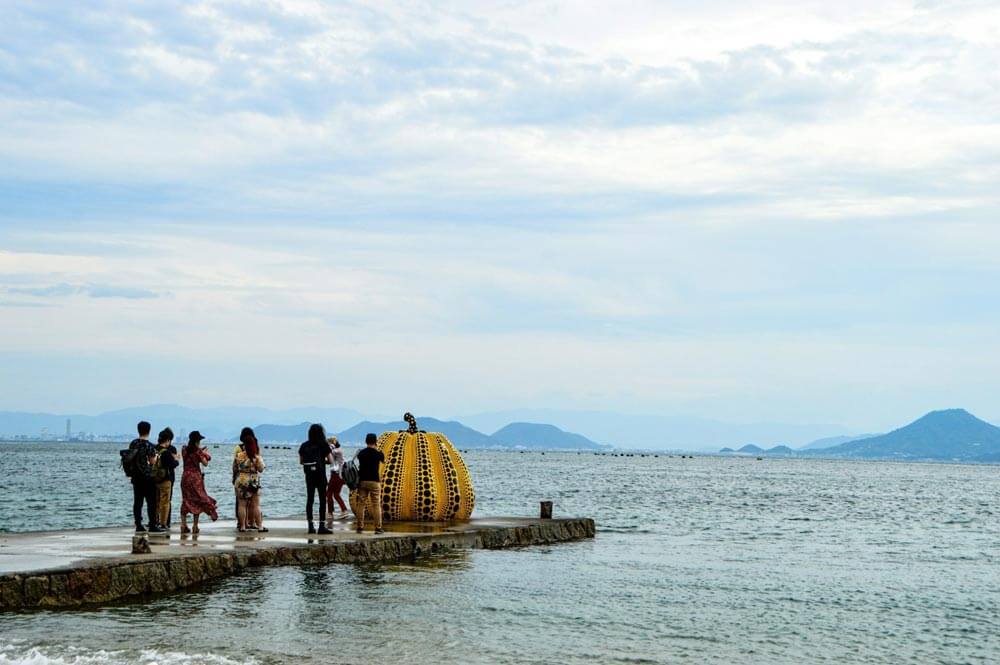
Yayoi Kusama
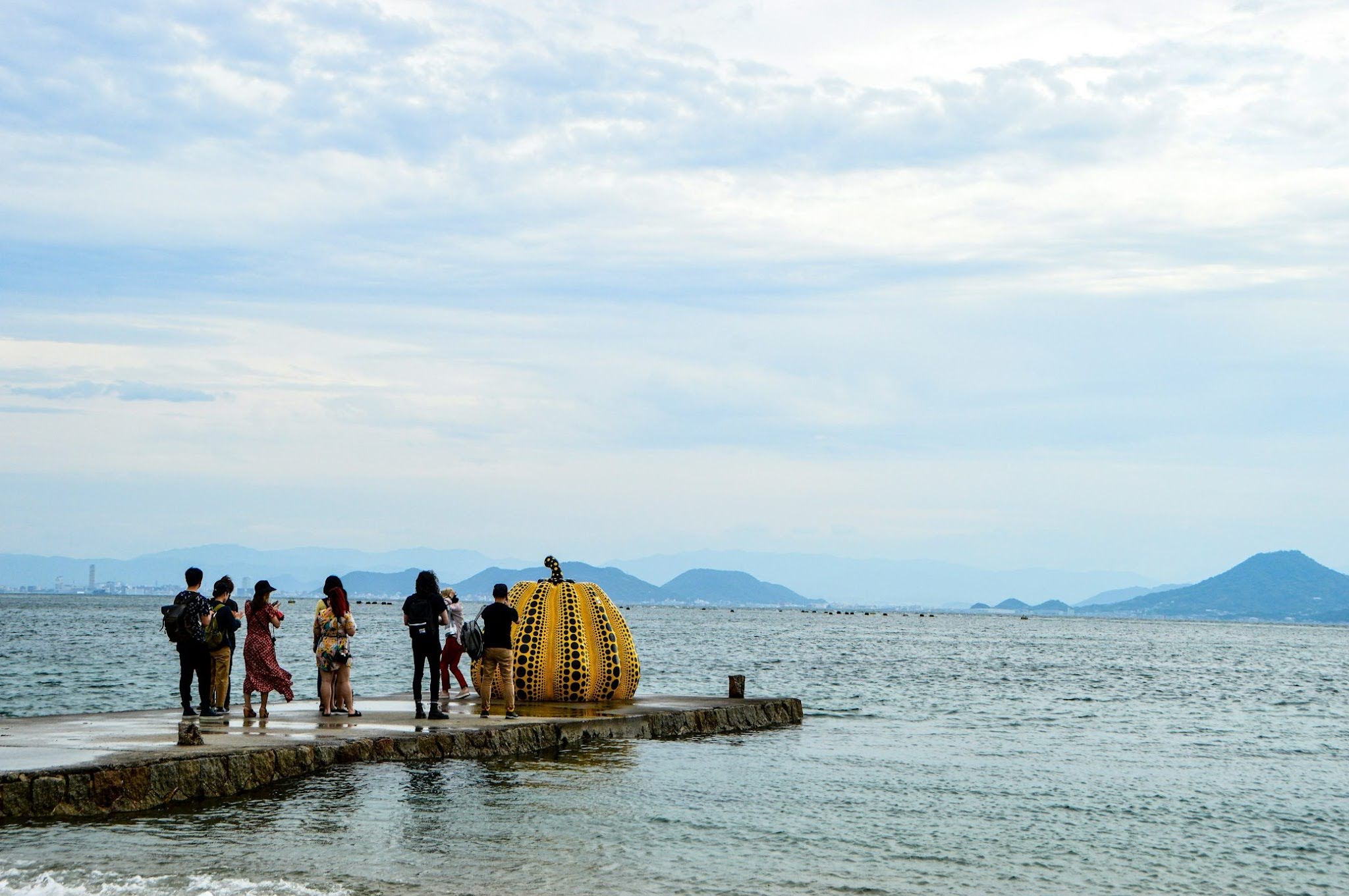
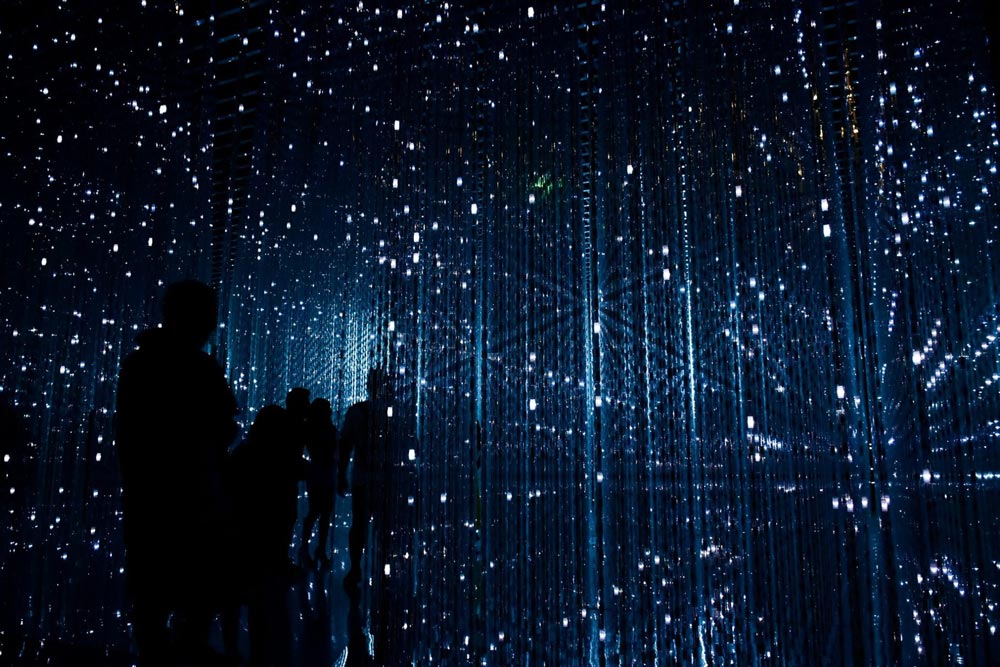
Japanese contemporary art icon Kusama is celebrated for her immersive installations and obsessive use of repetition and pattern. Her work crosses cultural boundaries, pulling viewers into environments that feel entirely apart from the everyday world.
Kehinde Wiley
Wiley creates large, vivid portraits that place people of colour at the centre of art history. His work directly challenges who gets depicted heroically, and why. His portrait of Barack Obama for the Smithsonian National Portrait Gallery brought that challenge into one of the most visible spaces in American culture.
Success Stories: Celebrating Underrepresented Voices in Art
Rediscovering Overlooked Female Surrealists
For decades, female surrealist artists were overshadowed by their male peers. A growing movement has brought artists like Maeve Gilmore and Bona de Mandiargues back into critical view. Their work now features in major exhibitions and academic research, challenging the accepted version of art history. This revival is part of a wider push to integrate non-Western and non-white artists into mainstream art narratives.
Tanya Saracho: Ensuring Latino Representation in Media
Playwright and showrunner Tanya Saracho has become a central figure in the fight for authentic Latino and queer representation in storytelling. She has broken down barriers in Hollywood by insisting that underrepresented voices are not just present but lead.
Read Tanya Saracho’s story on Time magazine
TRANSA: Celebrating Trans and Nonbinary Musicians
TRANSA is a compilation album produced by Red Hot. It features over 100 trans, nonbinary, and queer artists and acts as a living record of contemporary trans creative culture. The project broadens audiences’ understanding of queer artistry while building genuine cultural empathy.
How Does Art Promote Diversity?
Art promotes diversity in art and society in several concrete ways:
By Making Invisible Stories Visible
Art gives form to experiences that are rarely seen in mainstream media. A painting, photograph, or installation can place a marginalised community’s story front and centre in a way that is hard to ignore or dismiss. The work of artists like Zanele Muholi or Kehinde Wiley does not ask for permission to be centred – it simply is.

By Creating Space for Dialogue
Art opens conversations that might not happen otherwise. An exhibition about the effects of colonialism, a mural depicting queer joy, or a sculpture exploring disability – each of these invites viewers to engage with experiences different from their own. That engagement, over time, builds understanding.
By Challenging Who Gets to Define Beauty and Value
Traditional art institutions have historically determined whose work is considered important, whose gets preserved, and whose gets sold at auction. Diversity art challenges those judgements at the root. When collectors buy work by underrepresented artists and galleries platform emerging voices from marginalised communities, they shift the economics and the culture of the whole sector.
By Inspiring the Next Generation
Representation in art tells young people from underrepresented backgrounds: your perspective matters here. That message has a direct effect on who pursues creative careers – and what the art world will look like in twenty years.
By Holding Institutions Accountable
Artists and communities are increasingly calling on museums, galleries, and funding bodies to back their commitments to inclusivity with data, resources, and structural change. Diversity in art is not just about what is on the walls .
How Do Diverse Perspectives Influence Modern Art Trends?
Innovative Artistic Expression
Artists from diverse backgrounds bring aesthetics, techniques, and storytelling methods that would not exist otherwise. Cultural influences, reinterpreted forms, and fresh visual languages all push the boundaries of what art can be and do.
Challenging Artistic Norms
When underrepresented voices take centre stage, they reshape how art is defined. They blend unexpected materials, merge traditions, and address themes that conventional art has avoided. That willingness to break from the expected is one of the most valuable things diverse voices bring to the creative world.
Cultural Fusion and Hybridity
When different cultural influences meet, new art forms emerge. These hybrid works are often visually distinctive, representing the interplay of heritage, modernity, and innovation. They create cross-cultural dialogue rather than simply mirroring one tradition back at itself.
Social and Political Commentary
Art has always engaged with power. With diverse perspectives driving more of the conversation, contemporary art is better equipped to capture the full complexity of modern social and political life – from activism and identity politics to migration, climate justice, and community resilience.
Global Reach Through Digital Platforms
Online platforms and social media have removed many of the gatekeeping barriers that once controlled which artists reached international audiences. Artists from any background can now share work globally. That reach is expanding both the influence of diverse art and the appetite for it.
Technology as a Creative Tool
Many diverse artists are also at the forefront of integrating technology into their practice – from digital installations and augmented reality to AI-generated work. These innovations are shaping the future direction of art, driven by the same creative energy that challenges traditional norms.
How Can Art Galleries Foster Inclusivity?
Galleries are not passive spaces. They make active choices about whose work to show, how to present it, and who is made to feel welcome. Those choices define what diversity in art looks like in practice.
Galleries can foster genuine inclusivity by:
- Showcasing diverse artists – Programming exhibitions that feature artists from underrepresented backgrounds, not as one-off gestures but as consistent practice
- Collaborating with community organisations – Partnering with cultural institutions and advocacy groups to create exhibitions that are genuinely representative, not just visually diverse
- Hosting educational programmes – Running workshops, talks, and events on identity, heritage, and social justice that engage a wide range of audiences and encourage real dialogue
- Improving accessibility – Ensuring both physical and digital access, offering multilingual resources, and providing affordable or free entry so the gallery is truly open to everyone
- Reviewing acquisition policies – Looking critically at whose work is being bought, preserved, and lent – not just what is displayed temporarily
- Paying fairly – Ensuring artists from underrepresented backgrounds are paid equitably for their time, labour, and expertise
What Art Organisations and Initiatives Support Underrepresented Artists?
Global Organisations
-
- Women’s Centre for Creative Work (WCCW): A Los Angeles-based organisation supporting women and non-binary artists through residencies, skill-sharing workshops, and collaborative projects.
- Queer|Art: A New York-based organisation dedicated to nurturing LGBTQ+ artists through mentorship programmes, fellowships, and exhibitions.
- National Association of Latino Arts and Cultures (NALAC): Advocates for Latinx artists and cultural workers through grants, professional development, and equitable representation.
- Disability Arts Online: A UK-based platform that promotes the work of disabled artists through articles, reviews, and profiles.
- Asia Art Archive (AAA): A non-profit that documents and promotes contemporary art history across Asia, archiving and platforming diverse voices from the Asian art scene.
- ProjectArt: Provides free arts education in public libraries across the United States, focusing on underserved young people.
UK Initiatives in 2026
Two significant new programmes launched or expanded in the UK in 2026 signal a growing institutional commitment to diversity in the art sector – though sector leaders are clear that investment must match ambition.
Arts Council England – Diverse-Led Organisations Programme
(January–October 2026) Launched in January 2026, this Arts Council England programme supports creative and cultural organisations where over half of the board and senior leadership are from underrepresented backgrounds – including women, Black, Asian, and ethnically diverse leaders, disabled people, LGBTQIA+ individuals, and those from lower socio-economic backgrounds. The programme offers webinars, peer networks, strategic workshops, and access to fundraising training. Sector leaders have welcomed it as a positive step while calling for the sustained structural investment needed to back it up. Read more at Arts Professional.
Art Fund – Empowering Curators (2026)
Launched in March 2026, the Art Fund’s Empowering Curators initiative is placing 20 fellows from underrepresented backgrounds in museums and galleries across the UK. Each host organisation commits to a programme of change to advance equity, diversity, and inclusion – going beyond the individual fellowship to address systemic barriers in the curatorial pipeline. Read more at the Museums Association.
Key Takeaways
- Diversity in art is about more than representation on gallery walls – it encompasses who creates, who curates, who funds, and who collects.
- Inclusive art challenges stereotypes, drives cultural exchange, and inspires the next generation of creators from underrepresented backgrounds.
- Artists like Kehinde Wiley, Zanele Muholi, Yayoi Kusama, Jeffrey Gibson, and Wendy Red Star are reshaping what the mainstream art world looks like
- In 2026, the UK arts sector has launched concrete new programmes – the ACE Diverse-Led Organisations scheme and Art Fund’s Empowering Curators initiative – to address structural inequalities in who leads and curates.
- Galleries play an active role in promoting diverse art: through their programming, acquisitions, accessibility, and partnerships.
- Global organisations, including Queer|Art, NALAC, Disability Arts Online, and WCCW, are providing critical support for underrepresented artists
- Digital platforms are removing gatekeeping barriers, allowing artists from any background to reach global audiences directly.
- Genuine inclusivity requires sustained investment and structural change – not just one-off initiatives or token representation.
- Supporting diversity in art creates a stronger, more culturally relevant, and more commercially dynamic creative sector for everyone.
Conclusion: Why Diversity in Art Matters More Than Ever
In today’s interconnected world, diversity in art is not optional – it is essential. When art reflects the full range of human experience, it becomes more honest, more powerful, and more culturally relevant. When it does not, entire communities are erased from the story.
Diversity and inclusivity in art challenge norms and expand what creative expression can be. They foster empathy between communities. They bring economic vitality to a sector that benefits from fresh voices and new markets. And they ensure that the art world’s future is shaped by everyone who lives in it – not just those who have always had access to it.
Whether you are an artist building your portfolio, a gallery reviewing your programming, or a collector thinking about who you support, the choices you make today shape what art looks like tomorrow.
External Resources and Recommended Reading
- Smithsonian Asian Pacific American Centre – Insights on Asian Pacific cultures and their contributions to American art and history
- National Museum of African American History and Culture – How art has driven social change in the African American experience
- GLAAD – Resources on LGBTQ+ inclusion across media and the arts
- First American Art Magazine – Groundbreaking Indigenous art and the artists redefining the field
Arts Council England – Diversity – The UK’s national arts funding body on its equity and inclusion commitments
Ready to Show Your Work?
If you are an artist looking for a platform that values every voice equally – with no gatekeeping and no commission – Cosimo is built for you. Build a professional portfolio, set your own prices with our smart pricing calculator, and connect with collectors who are looking for exactly what you make.
FAQs
Diversity and inclusivity in art involve representing a broad spectrum of cultures, backgrounds, and identities. This approach ensures that the voices of underrepresented communities are heard, challenges traditional norms, and fosters empathy through creative storytelling.
They are crucial for showcasing society’s multifaceted nature. Inclusive art creates a platform for cultural exchange, drives creative innovation, and challenges stereotypes. Embracing diverse perspectives enriches artistic expression and deepens the impact of creative work.
Diverse perspectives introduce fresh narratives, techniques, and styles that push creative boundaries. They foster cultural fusion, redefine traditional art forms, and add social and political depth to artistic expression, ultimately shaping global art trends.
Artists such as Yayoi Kusama, Kehinde Wiley, and Zanele Muholi are celebrated for championing diverse artistic voices. Their work challenges conventional portrayals and offers new insights into the human experience through innovative art.
Several organisations promote inclusivity, including:
- Queer|Art: Supports LGBTQ+ artists with mentorship and exhibitions.
- Women’s Center for Creative Work (WCCW): Empowers women and non-binary artists.
- National Association of Latino Arts and Cultures (NALAC): Advocates for Latinx artists.
- Disability Arts Online: Highlights the contributions of disabled artists worldwide.