×

Banking on Art: Cosimo and Incard Partner to Elevate Emerging Creatives Online

Cosimo is excited to announce that we are joining forces with Incard to empower emerging artists and reshape the landscape of the online art market.

Following our recent rapid growth, onboarding hundreds of new artists and helping them sell their work directly to the people who love what they create, we’re proud to be launching this new package of support to further elevate our community of artists through our Cosimo Scholarships programme.

Incard is a dedicated business banking provider for creatives and e-commerce sellers, who are now following in the footsteps of our name-sake, and historic figure in the world of finance, Cosimo de Medici to support artists and help them to develop.

“Supporting artists was the thing that gave me the greatest satisfaction and contentment” 

– Cosimo de Medici

This collaboration is centred around a commitment to fostering the growth of emerging artists.

Cosimo will be offering our scholars a complimentary one-year membership to its Professional Plan, providing a suite of features designed to elevate their online selling experience.

From 0% commission on sales to integrated shipping support and our comprehensive analytics reporting, our scholars will be able to take charge of their careers and more easily sell their work online.

Scholars will also gain exclusive access to the brand-new Cosimo Academy online learning program. This educational resource, coupled with tailored support from the Cosimo team, will further empower our artists to refine their craft and navigate the complexities of running a business as an artist successfully.

Incard will be supporting our scholars by providing them with a dedicated business banking account – complete with seamless global payment solutions, accounting integrations, and cashback on online advertising spend.

Having supported hundreds of artists over the last few years, we know that managing finances can be one of the biggest challenges many creatives face.

So, we understand just how valuable and transformative this support will be.

Meet The  First Cohort…

Rory Watson
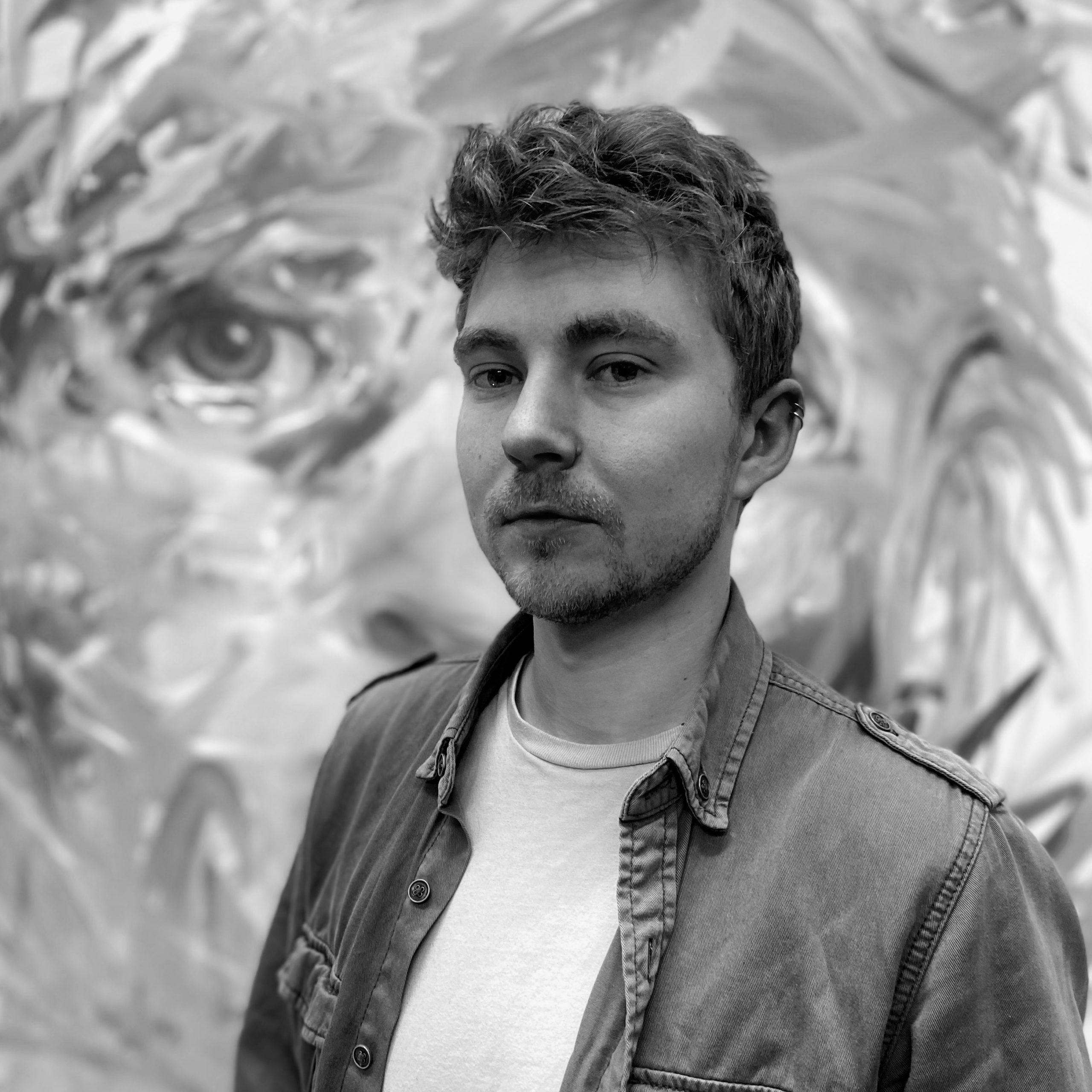
Rory is an abstract painter based out of London. Since achieving his BA Fine Art degree from Central Saint Martins in 2019, Rory has completed residencies with the Muse Gallery and Art Inspirations… See More
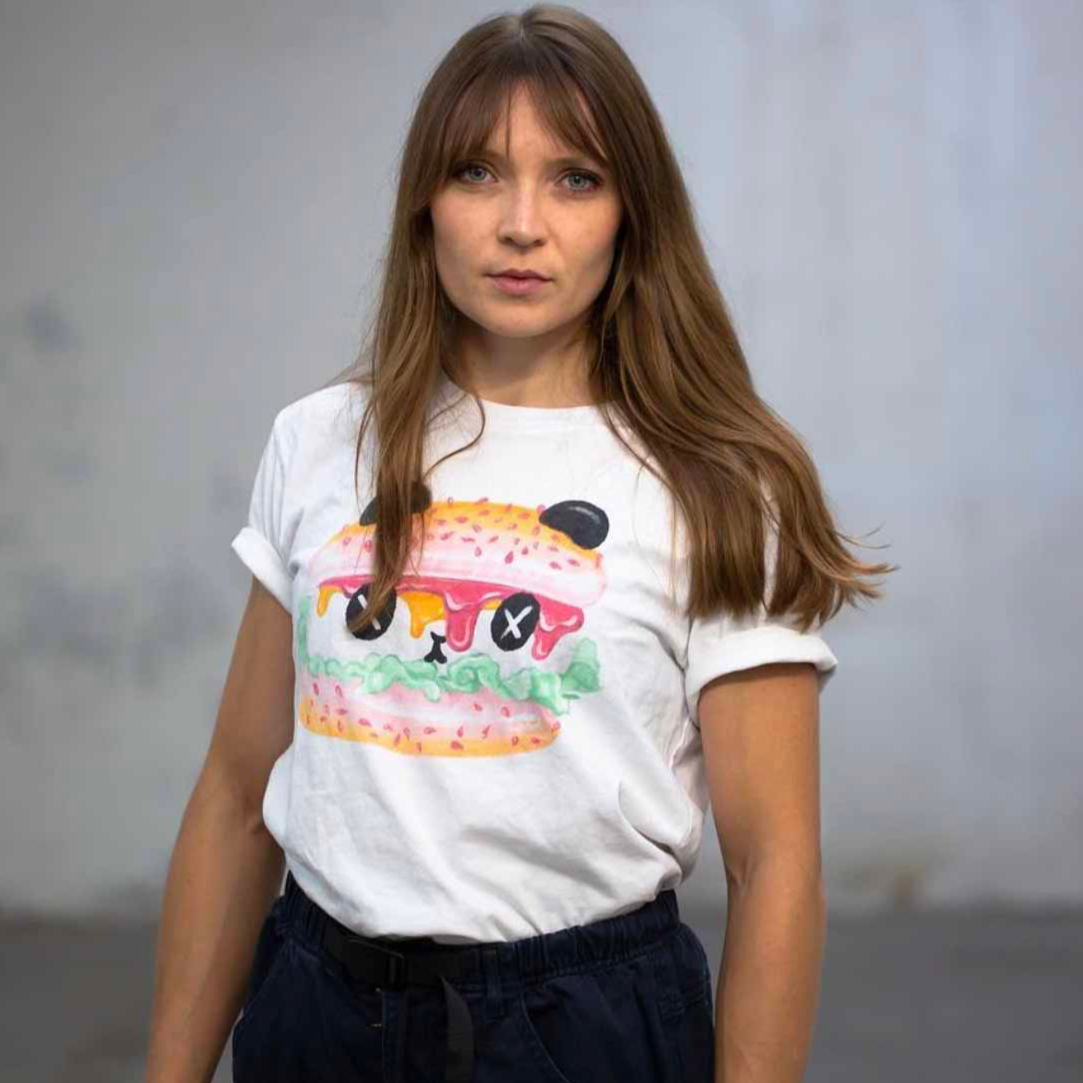
Mia Hawk

Mia Hawk is a self-taught artist and painter based in London… See More

Sophie Rose Walters

Shophie is a 25 year old Birmingham-based female artist. Her main practice involves line work using fine liners and graffiti artwork where she makes her own stencils. Her… See More

Caitlin Flood-Molyneux
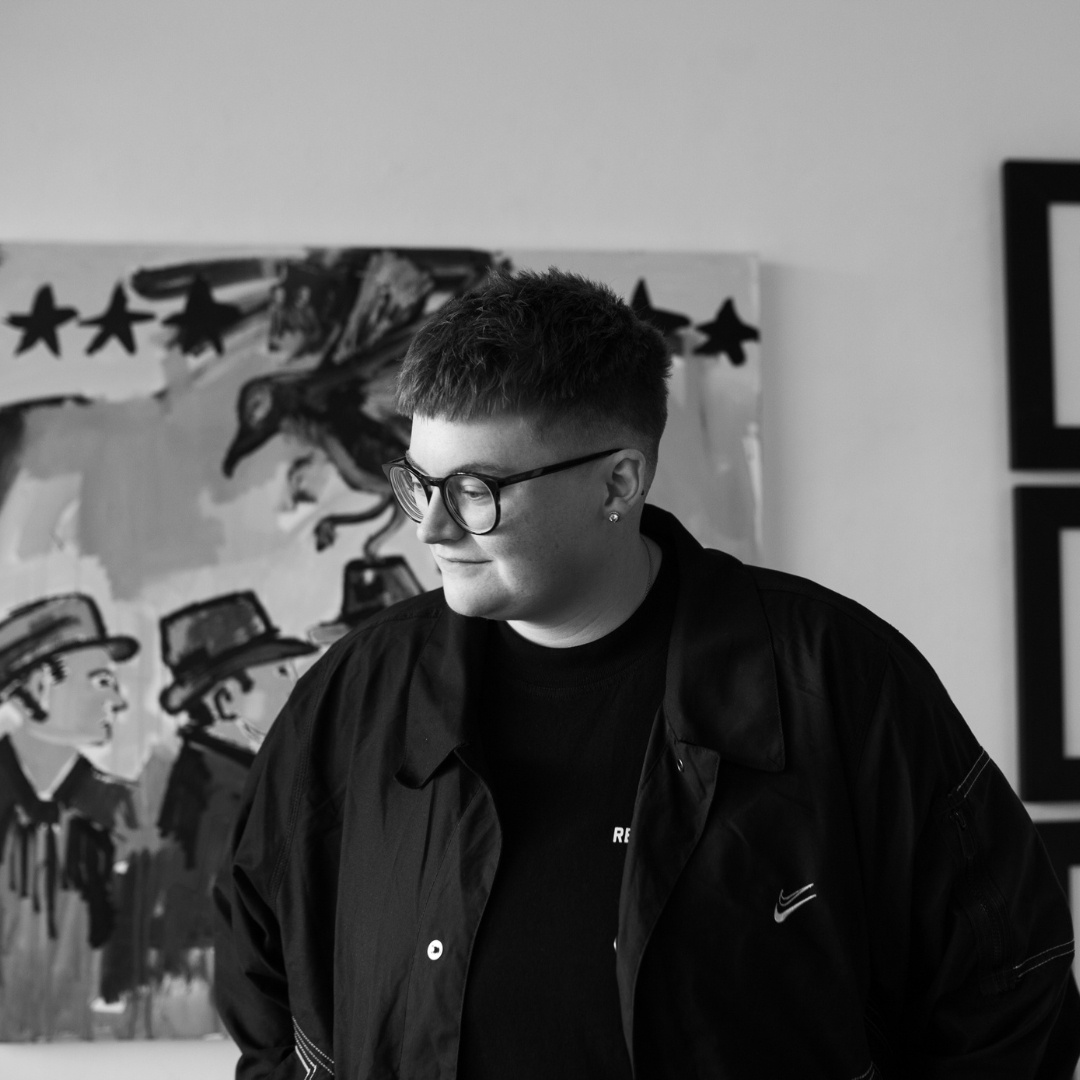
Caitlin Flood-Molyneux is an award-winning contemporary Welsh Artist. Their artistic practice investigates the relationship between pop culture imagery and the way in which… See More

Amika Barnett
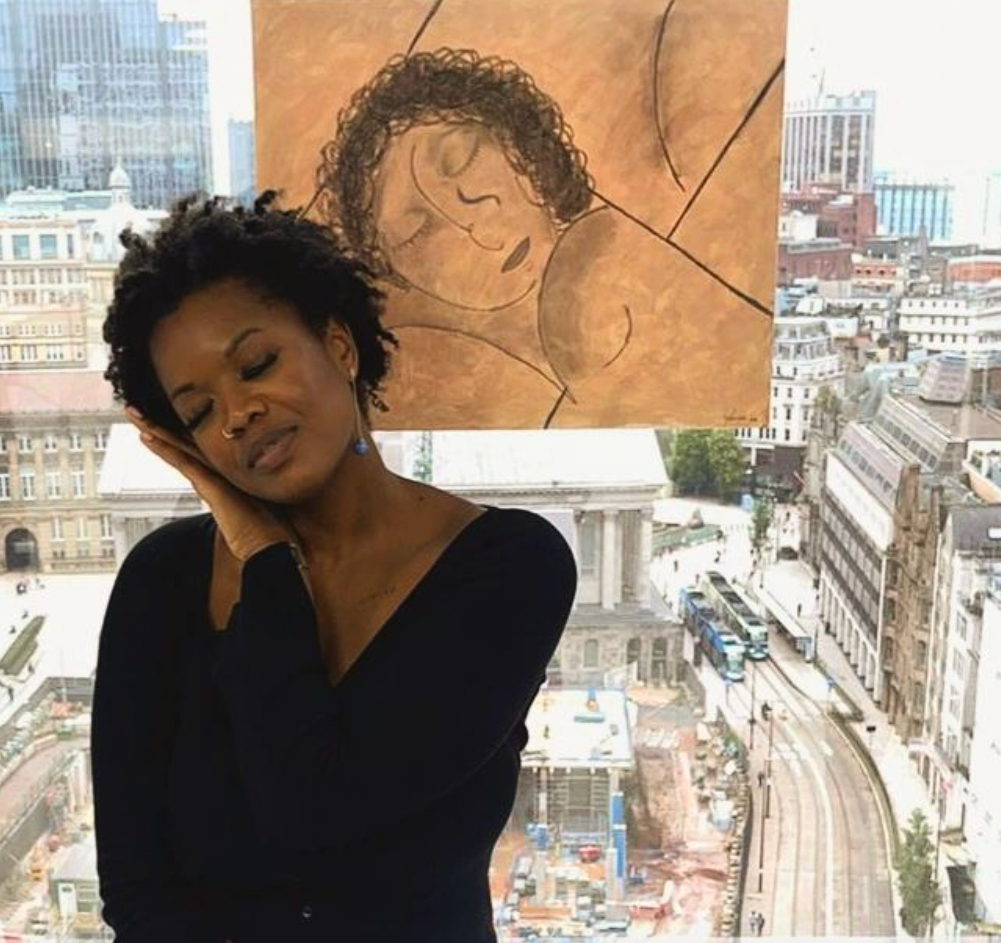
Amika is a curator and artist based in Birmingham. She has recently curated a series of exhibitions in the city’s iconic Alpha Tower… See More

Bethany Dartnell
Birmingham based artist with a love for Architecture. A keen explorer and concrete lover, my artwork reflects… See More

Tomas Rowell
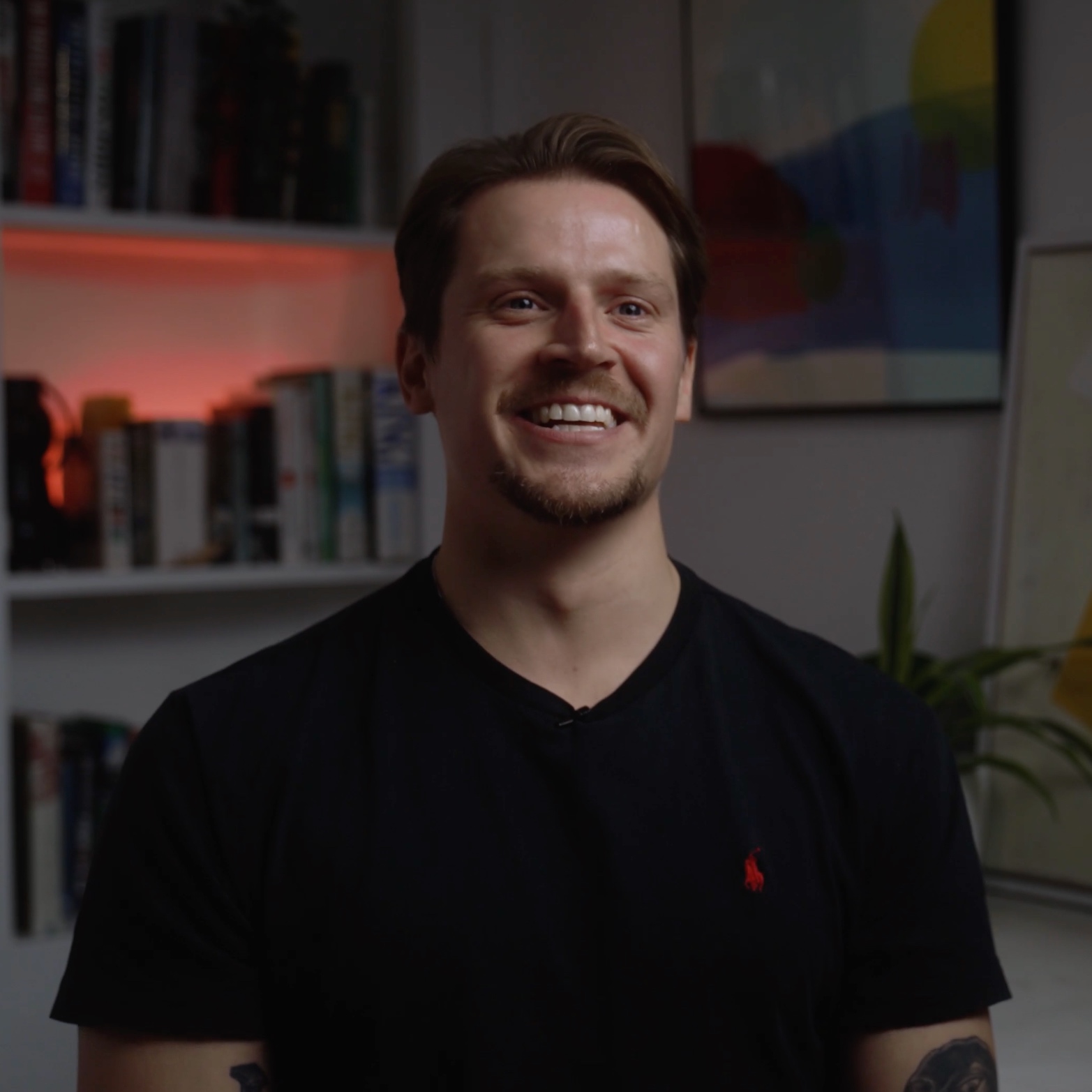
Rowell uses the relative white space as a chance to direct the eye and to leave a sense of hypnotic unfamiliarity… See More

Imogen Morris
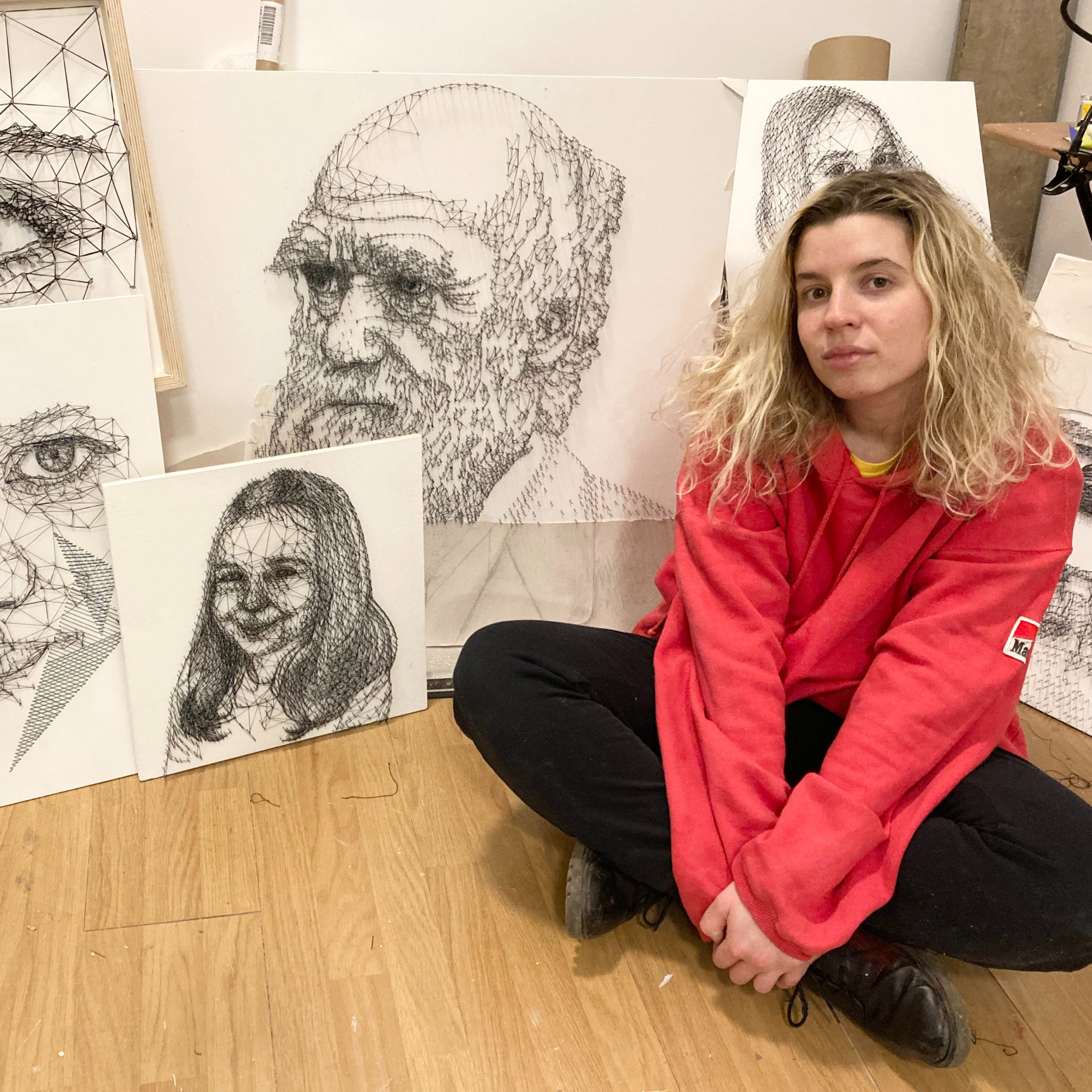
Imogen graduated from Kingston University in Fine Art in 2013, & after taking a few years out to focus on working with young people… See More

Abbie Severn

Abbie, is originally from Pembrokeshire – Wales, and moved to Birmingham 6 years ago to study and never left having fallen in love with the City… See More

Melissa Vipritskaya Topal
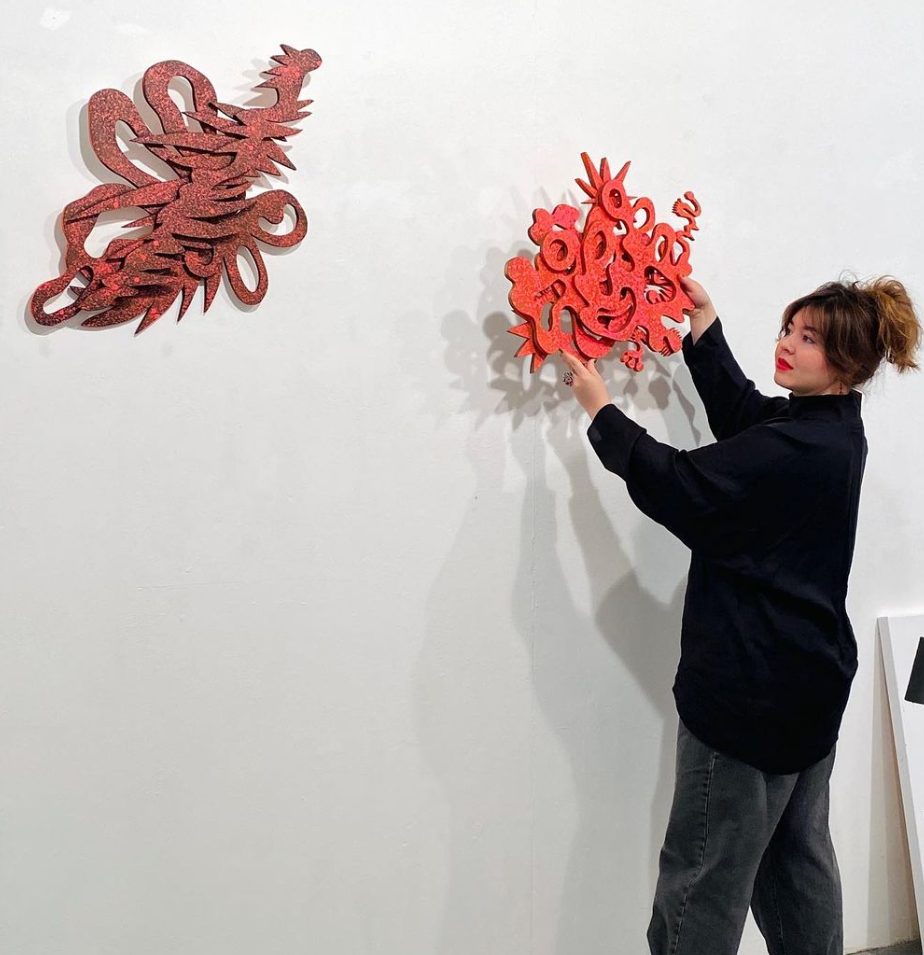
Experimenting with material, colour, and form I explore the transformation of flat surfaces into sculptural objects while engaging… See More

Empowering Creative Entrepreneurs

This partnership marks a significant milestone in the shared mission of both companies to support and elevate creative entrepreneurs. By combining forces, Cosimo and Incard are not only facilitating financial support but also providing essential business tools and resources to empower artists to excel and pursue their artistic vision.

About Cosimo

Cosimo is a marketplace dedicated to empowering emerging artists to sell directly to collectors, making art more transparent, accessible, and affordable for all. Artists can leverage the platform for free, with no selling fees, and Cosimo even takes care of the shipping, simplifying the entire process for both artists and collectors.

About Incard

Incard is the world’s first payment solution designed exclusively for e-commerce, marketers, and creators. The company offers a suite of business banking products tailored to meet the unique needs of creative business owners. Incard’s products include business debit cards, integrated accounting tools, and an attractive cashback program to make the most of out of their business.

The entire Cosimo team is incredibly proud to be joining forces in this way to support our artists, and want to again thank Incard for their support in making this programme come to fruition.
Art, Activism and Tomato Soup

Posted by Lauren Parsons

Whether it’s fighting for representation or fighting for a cause, art and activism share an intertwined history. The recent slurry of soup-based defacements of famous artworks staged by climate activists in high-profile galleries around the world, has set a rather unlikely stage for the two to meet.

Activists from Ultimate Generazione in Milan, Extinction Rebellion in Melbourne, Just Stop Oil in London and The Hague and Letzte Generation in Potsdam have all strewn a range of gloopy foodstuffs across (and in some cases even tried to attach themselves to) works from Goya, Van Gogh, Toulouse-Lautrec, Vermeer and more.

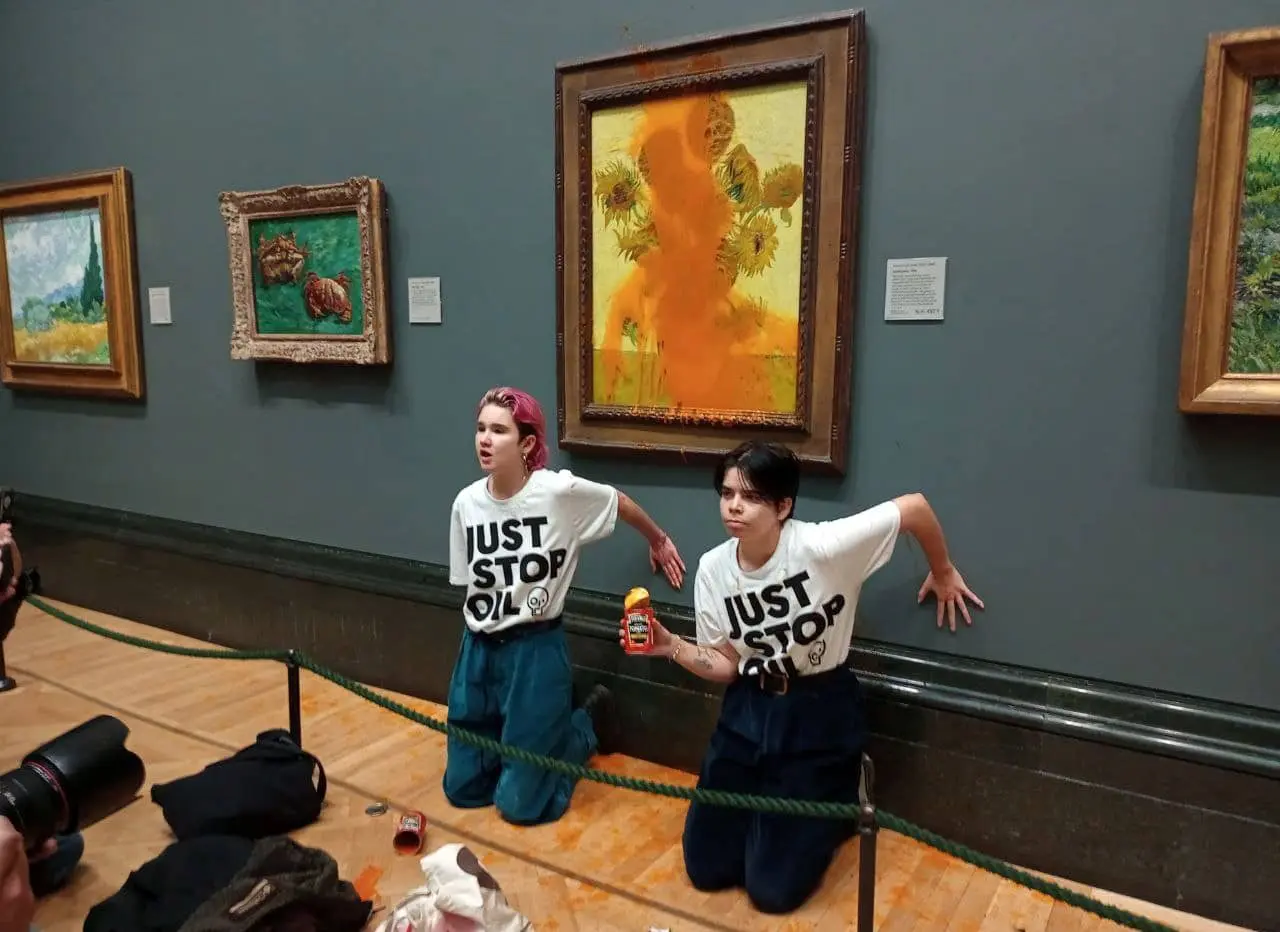
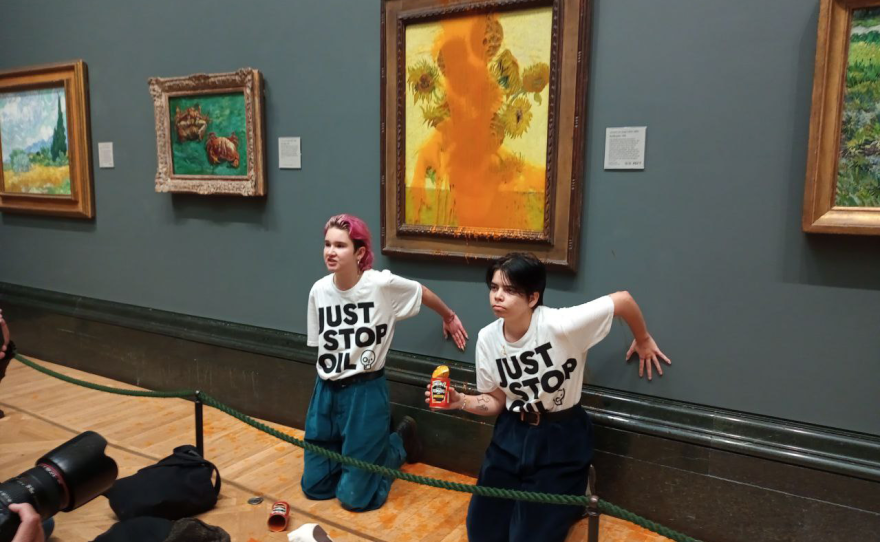
One of these incidents in particular, which took place on the 14th of October at around 11am in Room 43 of the National Gallery, saw two protesters in their early twenties proceed to throw a can of what many assume to be cream-of-tomato soup over Vincent Van Gogh’s Sunflowers.

As they did this they chorused the phrase “What is worth more? Art or life?”

In this performance of shelf-stable tomato soup and confounding phrases – the activists created a theatre wherein art and life were not only mutually exclusive, but two forces in active opposition. Whilst Van-Gogh’s Sunflowers, a famous historic and culturally significant work of art, was refashioned into a subsidiary part to serve their larger, more physical and audible depiction of a present-day protest.

Just Stop Oil activists in action. (Source)

It is impossible at this point not to refer back to a similar incident, also taking place in London’s National Gallery, more than 100 years prior. On the 10th March 1914, Mary Richardson slashed into the canvas of Velázquez’s Toilet of Venus with a meat cleaver.

According to Richardson, her attack on ‘the most beautiful woman in mythology’ symbolised her protest for the release from custody of her suffragette comrade, Emily Pankhurst, who she referred to as ‘the most beautiful character in modern history.’

Both Mary Richardson and the Just Stop Oil activists wanted to shock, whether by soup or meat cleaver, however momentary or lasting, they publicly defaced a work of art that held cultural value – giving an aesthetic, visceral recognition of their rallying cause to a captive audience.

In the above scenarios the art is merely an intermediary between the activists and the establishment  – but I would wager that there are better routes to this. Art and activism aren’t forces in opposition. They are actually comrades of sorts – both usually take form as experimental, sensory acts that seek to convey a meaning – normally captured within a public space. Protests can be peaceful, art can disrupt, and the roles can obviously be reversed.

As someone who has studied, and spends a lot of time admiring similar types of paintings to that which the activists have made headlines for splattering with liquidised foods, I find myself stuck between respecting the activist’s techniques of protest and wanting to suggest alternatives. I wholeheartedly agree, the status quo must be shaken to incite real change and in a world of such inequality, activism must take various forms.

However, art, for many, is about leaning into the rebellious and I can’t help but think that it is when art and activism work in-tandem that more substantial messages can be crafted – leading us towards more important, nuanced conversations about critical issues such as climate change.

Here are three artists who are doing just that: 

Zaria Forman documents the effects of climate change through large-scale, close-ups of ice formations in her pastel drawings.

Lincoln Sea, Greenland 2019 (source)

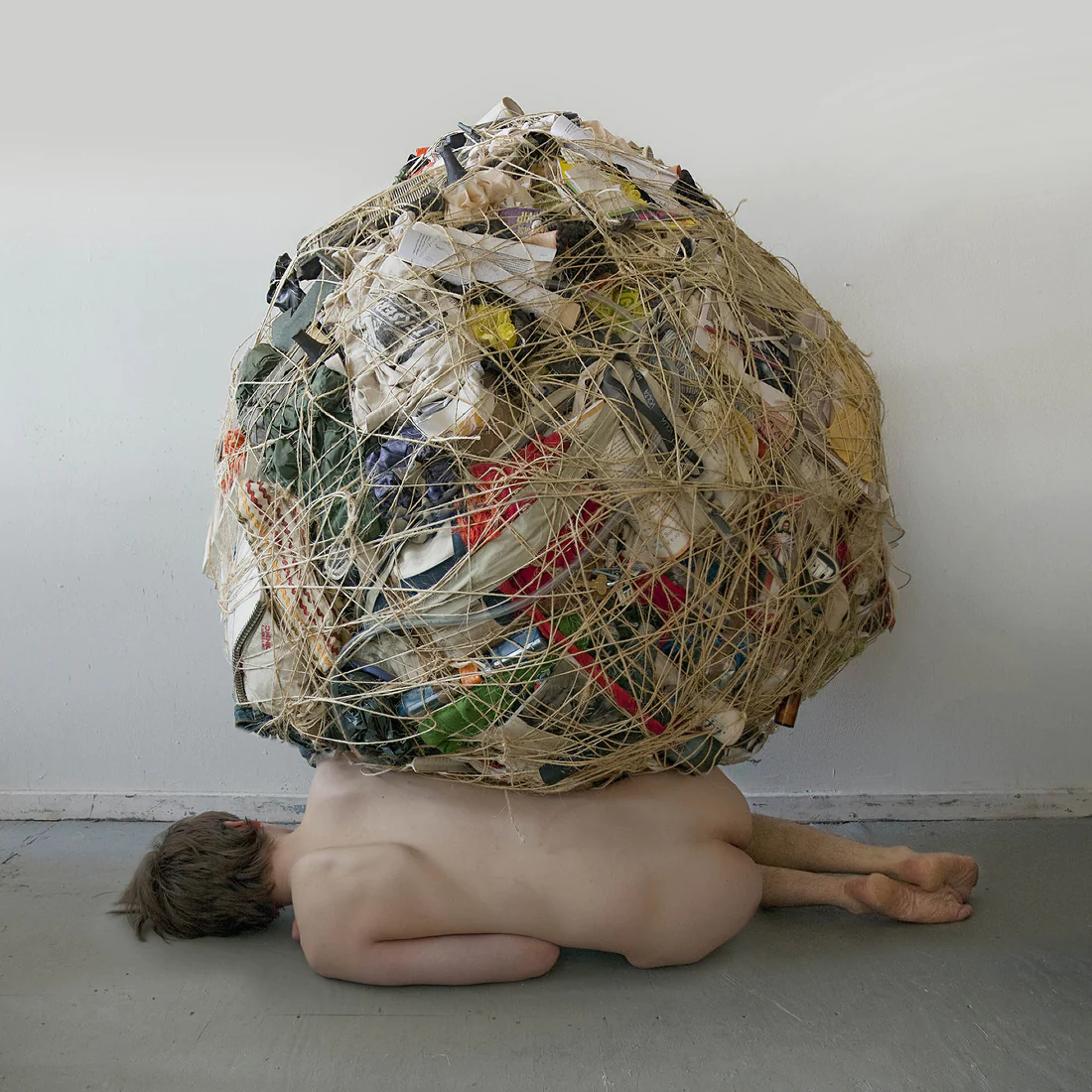
Mary Mattingly is a multidisciplinary artist applying a range of mediums and materials to explore the relationship between humans and nature.

Life of Objects from the collection House and Universe, 2013 (Source)

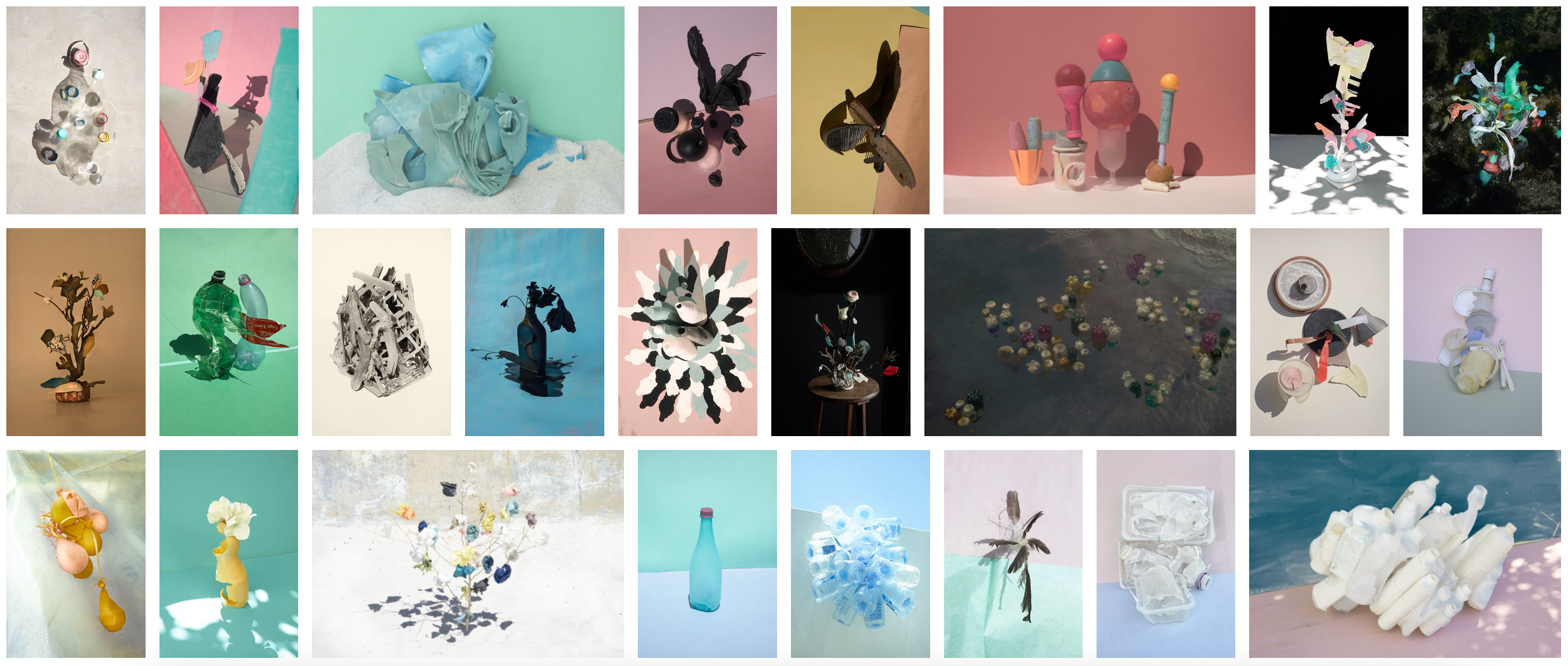
Thirza Schaap is a photographer who captures the different materials and forms of rubbish found in the sea or on beaches to create a deeper protest on consumption and the impact of it on the climate.

Plastic Ocean Project (Screencap, Source)

The soup protests have ushered more chatter on the urgent issue of climate change – and hopefully, that chatter can stimulate more significant conversation on how we, as a global community can slow down the effects of it. More generally, the history of defacing art for a cause shows the desperation that ordinary people face, it shows the lengths they will go to in order to hold governments and leaders responsible for issues that need to be addressed by constitutional change.

My point here is to illustrate the fact that messages can be conveyed in many different ways – the collaboration of art and activism can be way more powerful than their division. Art has the ability to bring people together and in times of impending catastrophe, voices are much louder in unison.