


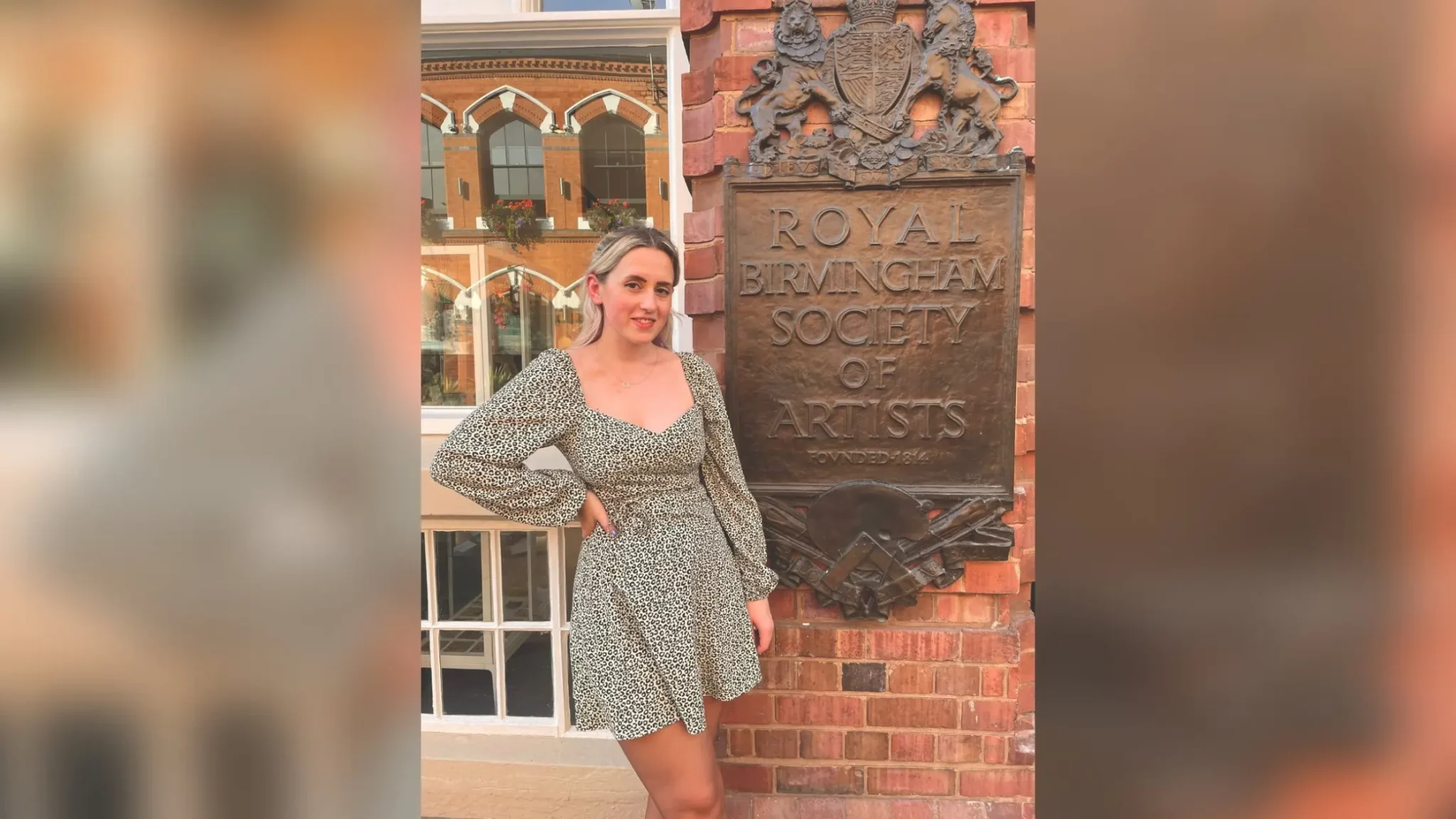
A personal journey through colour, identity, and the courage to create on your own terms.
Developing your artistic voice is an ongoing, evolving process. For Birmingham-based painter Becca Moody, finding her unique artistic voice meant leaning into bold colour, celebrating her Brummie roots, learning from inspirational teachers and artists like Monet, and permitting herself to create freely outside the constraints of formal education. Her personal artistic voice is rooted in vivid colour, local identity, and authentic expression. Central to her journey was developing a strong creative identity and an authentic artistic voice that reflects who she truly is. Whether you’re just starting or years into your practice, your artistic voice – your creative voice – grows clearer the more you create.
What Are Art Commissions?
Art commissions are custom artworks created for clients based on their specific requests. These commissions involve a structured process including consultation, pricing, contracting, creation, revisions, and final delivery. Professional artists use commissions to build sustainable careers by creating personalised artworks for individual clients and businesses.
As a professional artist in today’s digital landscape, securing consistent work is both an art and a science. Whether you’re just starting your journey or looking to expand your existing client base, understanding how to get art commissions effectively can transform your creative passion into a sustainable career.
This comprehensive guide explores the multifaceted approach to finding and securing art commissions in the competitive creative freelancing marketplace. From building a compelling portfolio to leveraging social media platforms, networking within artistic communities, and implementing proven business strategies, we’ll cover everything you need to know about how to get art commissions online and thrive as a commissioned artist.
Table of Contents
- Finding My Artistic Voice
- All the Colour in the World, and More
- Learning the Basics & Discovering What Works for You
- Entering the Big, Wide (Scary) World as an Independent Artist
- Key Takeaways
Finding My Artistic Voice & Personal Artistic Style…
I’m Becca Moody, and I’m a Birmingham-based painter. I’ve been spending a lot of time over the past few years working on finding my artistic voice. Here are a few things I’ve learned.
I think being inspired by your own work and processes is the most important factor in creativity. Knowing who you are as an artist and what your artistic voice is – or at least, what it is right now – might not always be easy to put a finger on. Your personal artistic voice isn’t something you discover overnight; it’s something you develop over time through practice, experimentation, and a willingness to be honest with yourself.
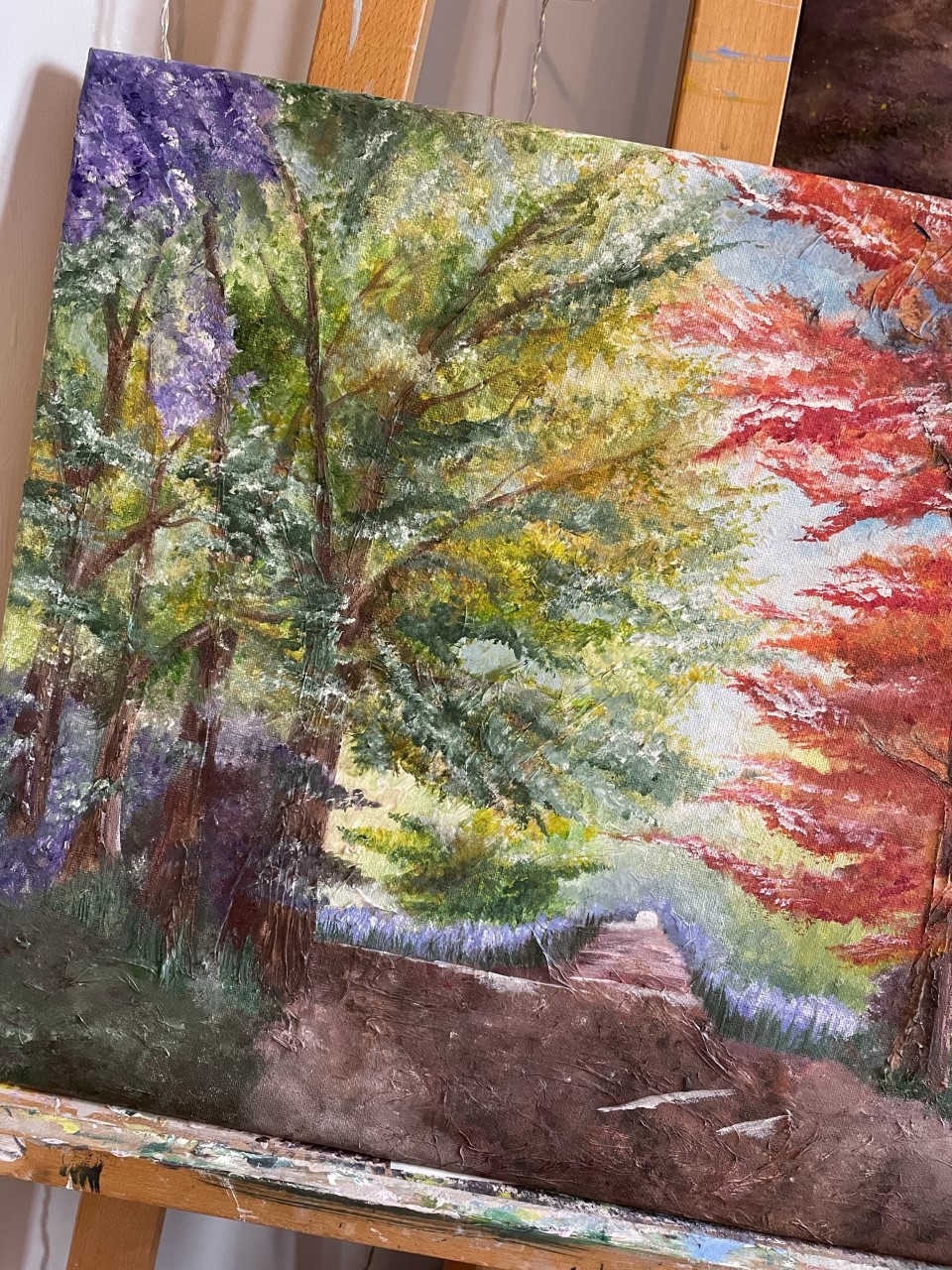
But the more you create, the clearer the threads that tie each piece together will be. For me, my artistic voice is wrapped up in cloudy sunset skies, colourful landscapes, detailed flowers, and unconventional colour schemes. These things often come up in my work. These things – and the specific way I interpret them – are what make my paintings mine and what define my individual artistic style and artistic expression.
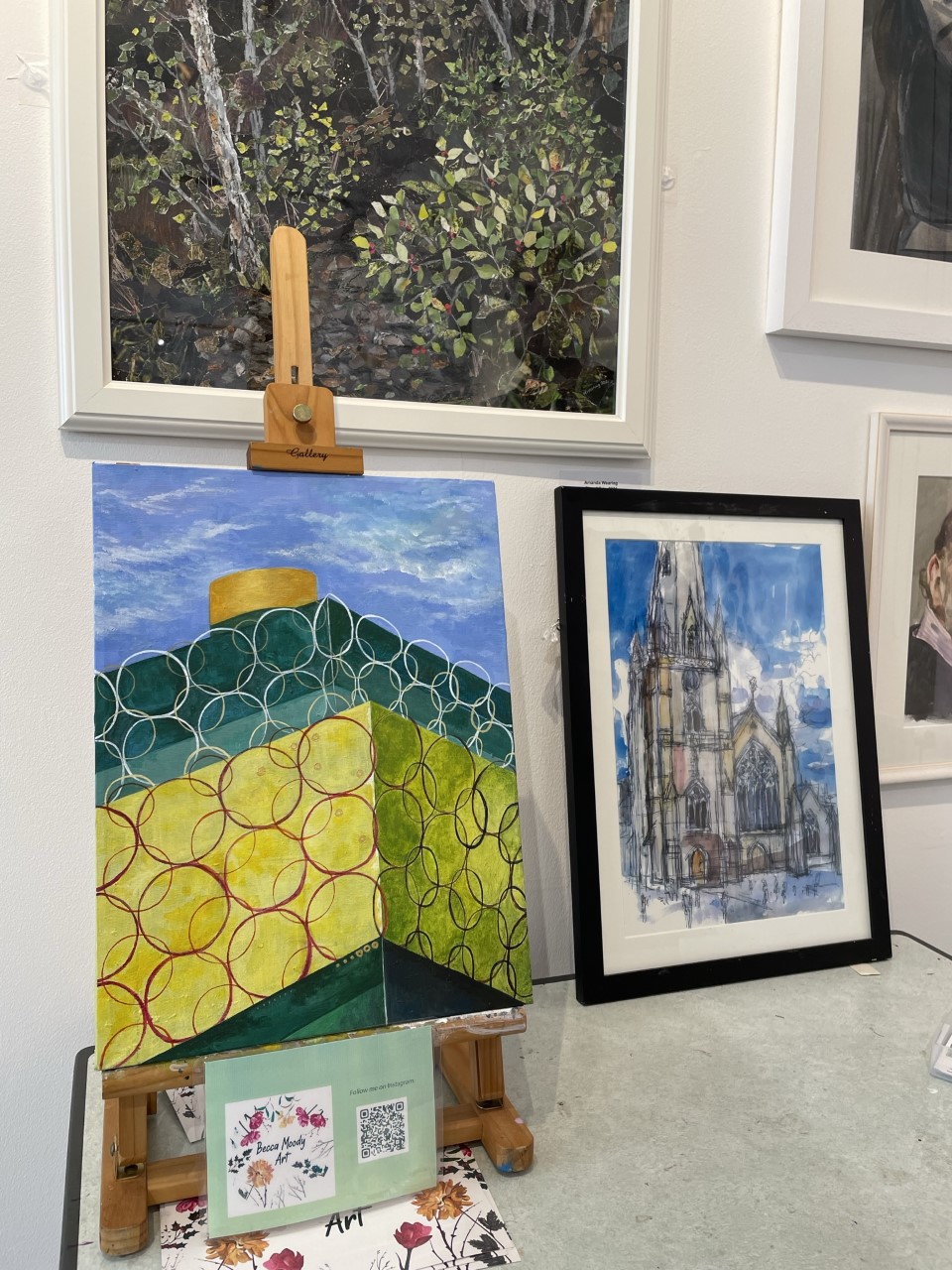
Another aspect of my identity as an artist is being a proud Brummie. More recently, I’ve been experimenting with recreating some of our most iconic buildings and natural formations in my own style. From the Birmingham Library and Selfridges to the Lickey Hills, taking this new direction has helped me really cement my artistic voice and what makes my artwork unique to me.
With all my paintings, it tends to come back to colour. I find it hard to stick to the palette I see in front of me. No matter how subdued I try to make a piece, those pesky pinks, greens, and yellows always creep in – and I’ve come to realise that this irrepressible pull toward vivid hues is at the very heart of my artistic voice. Embracing it, rather than fighting it, was one of the most liberating realisations of my creative journey.
If you’re still working on defining your own creative identity, you might find inspiration in the exploration of artistic extremes – sometimes pushing to the edges of your comfort zone is exactly what reveals your true artistic voice.
Related Reading: Painting Genres & Styles, Contemporary Global Art Trends, Diversity & Inclusivity in Art
All the Colour in the World, and More – Developing an Authentic Artistic Voice
The artists that influenced me while I was studying art probably played a big part in developing my artistic voice and my love for colour. For as long as I can remember, I’ve been inspired by pieces with big, bold colours and layers of detail that make it hard to tear your eyes away. This instinct – to drown a canvas in colour – is one of the defining qualities of my personal art style and creative voice.
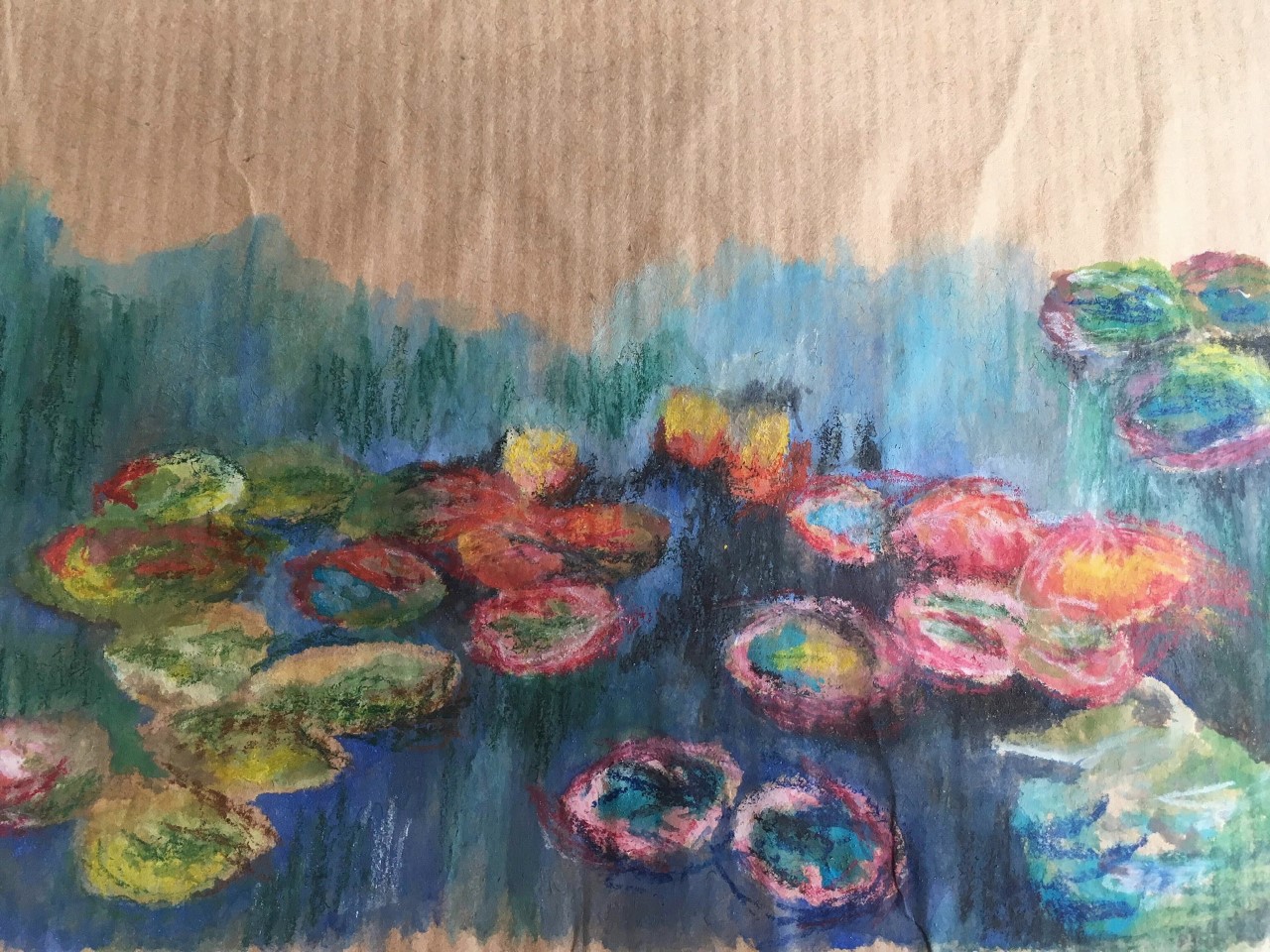
For me, Claude Monet is the king of colour. As an impressionist painter, Monet focused on the light and colour that make up what we see. Despite what we might all instinctively think, water isn’t just blue, and lilypads aren’t just green. Monet shows us the pinks, lavenders, oranges, and reds that hide within nature and only make themselves visible when you’re truly paying attention. Monet’s artistic voice saw beyond the obvious – and that’s a lesson I carry into my own work every single day.
What inspires me about Monet’s art is that it looks beyond the subject. Yes, a typical Monet painting might depict lily pads on a pond or haystacks against a snowy skyline, but there’s so much more to see than just these things. His artistic voice invites you to feel the atmosphere, the light, and the passage of time. You can read more about how nature drives creativity in our post on art inspired by nature.
Monet doesn’t try to make you forget that you’re looking at a painting, either. Look closely, and you can see every single brushstroke. A Monet painting is a celebration of the process of painting itself – a bold assertion of the painter’s artistic voice and artistic expression. I can’t get enough of it.
Colour psychology is something I find endlessly fascinating. The way certain hues can evoke emotion, energy, or calm is something every artist should understand when developing their artistic voice. If this resonates with you, take a look at our article on colour psychology in interior design – the same principles apply in fine art.
The rise of digital tools has also opened fascinating new ways for artists to discover and express their artistic voice. Digital painting platforms can be incredible sandboxes for experimenting with colour palettes and compositions before committing to canvas.
Related Reading: Large Scale Paintings, Art & Augmented Reality, Influence of Street Art
Learning the Basics & Discovering Your Artistic Voice and Style
I studied art at school, taking GCSE and A-Level, and I’m surprised the joy of painting wasn’t totally sucked out of me by the time I left sixth form. Looming deadlines and the never-ending stress of creating an art portfolio that makes sense, ticks the examiner’s boxes, and is actually nice to look at… it was a lot. Formal education has a way of standardising creativity, making it harder for a student’s genuine artistic voice and personal art style to emerge.
Having the right teacher to guide me during this time was a huge part of my journey into becoming an artist. My art teacher, Tony Metcalfe, is an artist whose work focuses on brooding nature scenes and interpretations of the human form. It’s not just that he taught me how to mix oil paints and wash brushes properly (which are things you definitely need to know). Metcalfe is as passionate about his work as he was about instilling that passion in his students – and in doing so, he helped me understand that technique in service of a genuine artistic voice is what separates memorable art from the forgettable.
You could show him a piece you weren’t happy with, and within seconds, he could tell you what specifically was holding it back. Maybe the perspective was a bit skewed, or it needed a bright contrasting colour to bring out the shadows. Having this kind of guidance meant I couldn’t go wrong with my work. If something wasn’t working, I learned how to fix it. Nothing ever went in the bin. This approach – of treating every piece as a learning opportunity – is central to developing a strong and resilient artistic voice and creative identity.
Art was my favourite subject at school, but it was still full of stress, deadlines and self-doubt. Leaving education behind and developing my practice in my own time instead has helped me really find my groove. Freedom from institutional expectation is often when an artist’s true artistic voice finally gets room to breathe. The art world is increasingly recognising this, as our piece on diversity and inclusivity in art highlights – there’s no single “correct” path to artistic mastery.
Mindfulness has also played an unexpected role in sharpening my artistic voice. When I paint with intention and presence rather than pressure, the results are consistently more authentic.
Traditional craft skills remain a cornerstone of any confident artistic voice. Knowing the fundamentals – colour mixing, perspective, composition – gives you the tools to break the rules intelligently. Don’t underestimate the value of going back to basics.
Related Reading: Art & Mental Health: Healing Through Creativity, Top 10 Artists in Leeds
Entering the Big, Wide (Scary) World as an Independent Artist
After going on to complete a philosophy degree and spending a lot of time reviewing live comedy, the pandemic came along and halted any more post-grad job interviews and freelancing opportunities. I ended up working at my local supermarket and just trying to make it through. It’s in exactly these kinds of moments – stripped back, uncertain, and unpolished – that your artistic voice often speaks loudest.
I think naturally, in times of struggle, painting becomes my outlet. During the summer of 2020, whenever I wasn’t working, I was painting. I decided to branch out into selling prints of my paintings online, which helped me start to view myself as an artist and not just someone who likes to paint stuff. This shift in self-perception is enormous when it comes to owning your creative voice and artistic identity. Sharing your work publicly is an act of assertion – it says, “This is me. This is what I see.”
I’m 24 now and work full-time as a Copywriter, fitting in painting whenever the inspiration comes. I’ve learned not to force anything. Absorbing the works of modern-day colour-work pros like Paul Kenton and Grant Haffner keeps me inspired and reminds me of why I do what I do. Their artistic voice and individual artistic style is distinct and unmistakable – and that clarity is what I aspire to in my own practice.
Sharing my work online and getting positive feedback is really satisfying too. When you feel like your work has made a connection with someone else, that feeling is really great. It’s confirmation that your artistic voice is resonating – that what feels personal to you is also speaking to others. That connection is what keeps the creative fire burning.
I’ve recently had my painting of the Birmingham Library featured in the Birmingham Art Book, which has been a huge honour. I think this marks a new chapter for me. I’m confident with who I am as a person and as an artist. My artistic voice feels more settled, more intentional, and more mine than it ever has before. My personal artistic voice is no longer something I’m searching for – it’s something I’m living. I’m open to where life takes me, and I’ll be carrying my paint brushes with me each step of the way.
Key Takeaways
- Your artistic voice is not fixed – it evolves as you create more and as you grow as a person.
- Recurring themes in your work (colour, subject matter, style) are often the clearest indicators of your unique artistic voice and personal art style.
- Influential teachers and artists can shape your artistic voice significantly – study the work of those who inspire you.
- Formal education can provide essential technical skills, but your authentic artistic voice and creative identity often thrive best when you’re creating freely, outside structured environments.
- Sharing your work publicly – even in small ways – is an act of owning your artistic voice and invites genuine connection with an audience.
- Difficult periods of life can actually catalyse your artistic expression – creativity flourishes when you need it most.
- Colour, perspective, and composition are foundational tools that allow your artist voice and style to be expressed with clarity and confidence.
Author Bio
John Sewell
John Sewell is the founder of Cosimo and holds a Master’s Degree in History of Art from the University of Birmingham. He built Cosimo to give emerging artists fair, transparent ways to reach collectors directly. He was also shortlisted for the Great British Entrepreneur Awards. His background in art, creative entrepreneurship and digital marketplaces informs his writing on artist development, accessible art, and the future of online art sales.