×

Embracing Diversity and Inclusivity in Art: Amplifying Underrepresented Voices

Diversity and Inclusivity in Art

Diversity and inclusivity in art mean ensuring that artists from all backgrounds – regardless of race, gender, sexuality, disability, or heritage – can create, exhibit, and be seen. It matters now more than ever because the art world has historically excluded entire communities, and those exclusions are still felt. This guide is for artists looking to find their place, galleries wanting to programme more inclusively, and collectors who want their collections to reflect the real world.

Diversity in art refers to the representation of a wide range of cultural backgrounds, identities, and lived experiences within creative work and the institutions that support it. It goes beyond surface-level inclusion – it means actively removing the structural barriers that have kept certain voices from being heard. Inclusivity in art is the practice of ensuring that diverse voices are not just invited in but genuinely supported, platformed, and valued.

  • Diversity in art means representing a wide range of cultures, identities, and backgrounds – both in who makes art and who gets to show it
  • Inclusive art challenges stereotypes, fosters empathy, and keeps creative culture evolving.
  • Artists like Kehinde Wiley, Yayoi Kusama, and Zanele Muholi are reshaping what mainstream art looks like
  • In the UK, 2026 has seen major new initiatives, including the Art Fund’s Empowering Curators scheme and the Arts Council England’s Diverse-Led Organisations programme.
  • Diversity art is not a trend – it is a structural shift in who gets to define culture.

Why Are Diversity and Inclusivity Important in Art?

Art reflects the society that creates it. When only a narrow group of people are represented – as makers, subjects, or decision-makers – the result is a narrow picture of human experience. That narrowness has costs: cultural, social, and creative.

Here is why diversity and inclusivity in art are essential:

  • They reflect reality. A diverse range of art gives a more accurate picture of the world. It includes artists and subjects from different backgrounds, cultures, and identities – not just the dominant ones.
  • They challenge assumptions. Exposure to different lived experiences through art builds empathy and breaks down stereotypes. It introduces audiences to perspectives they may never encounter otherwise.
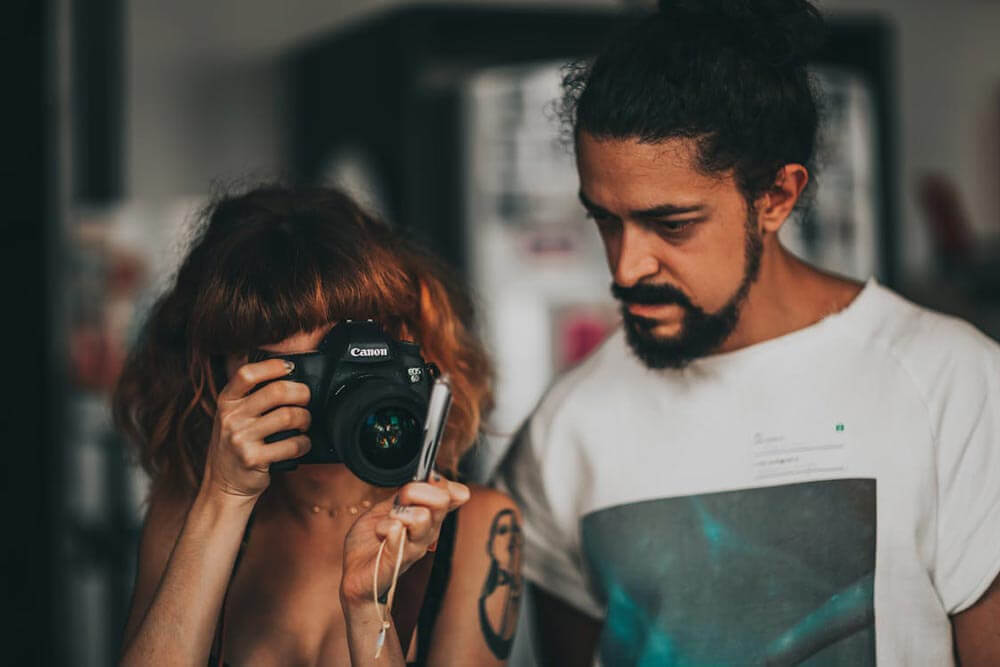
  • They strengthen cultural exchange. When art represents different traditions thoughtfully, it creates genuine dialogue across communities. That exchange matters in an increasingly interconnected world.
  • They open doors. Seeing yourself represented in art is a powerful experience. It tells people from underrepresented backgrounds that their stories are worth telling – and that a career in the arts is genuinely available to them.
  • They keep art fresh. New voices bring new aesthetics, new stories, and new ways of making. Without them, art stagnates. Diversity in art is what keeps creative culture dynamic and evolving.
  • They create a fairer industry. Inclusive representation ensures that artists from diverse backgrounds have equal access to create, exhibit, and thrive – not just to be tokenised.

Which Artists Are Redefining Diversity in Contemporary Art?

Indigenous Creators

Jeffrey Gibson 

An artist of Choctaw and Cherokee descent, Gibson merges traditional Native American symbolism with contemporary visual techniques. His work asks what cultural identity means when it is not fixed – and invites viewers into the layered complexity of Indigenous heritage and modern life.

Wendy Red Star 

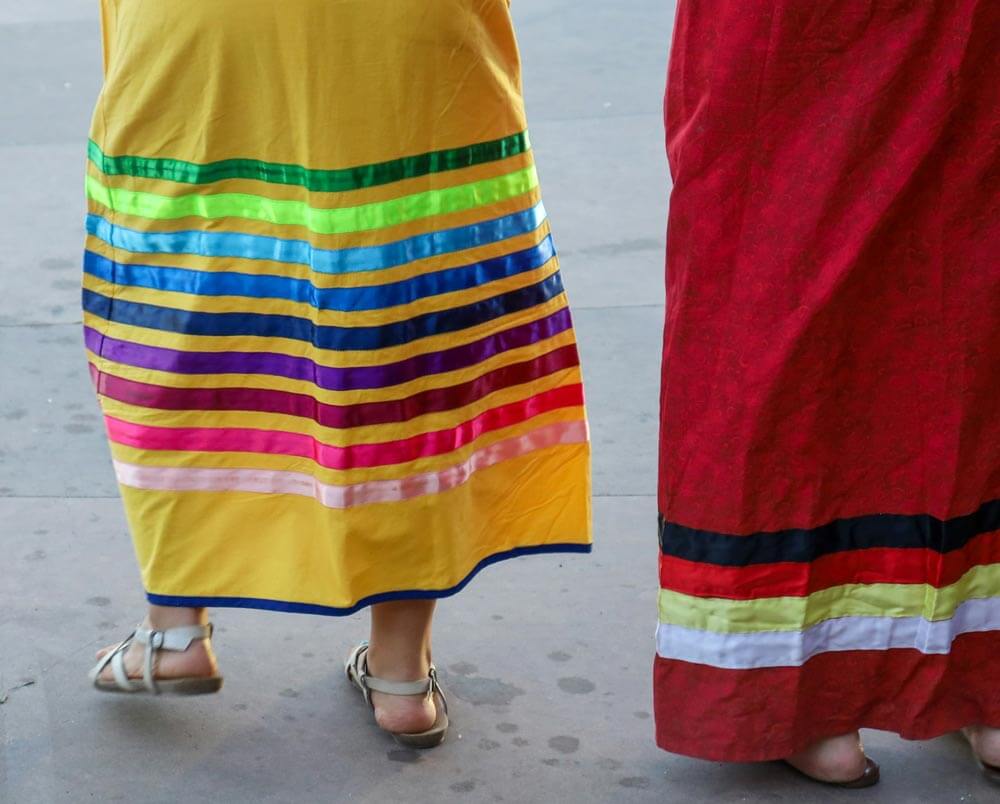
A member of the Apsáalooke (Crow) Tribe, Red Star combines traditional Native American imagery with sharp contemporary commentary. Her art holds heritage and modernity in tension, showing that cultural pride does not require stepping backwards.
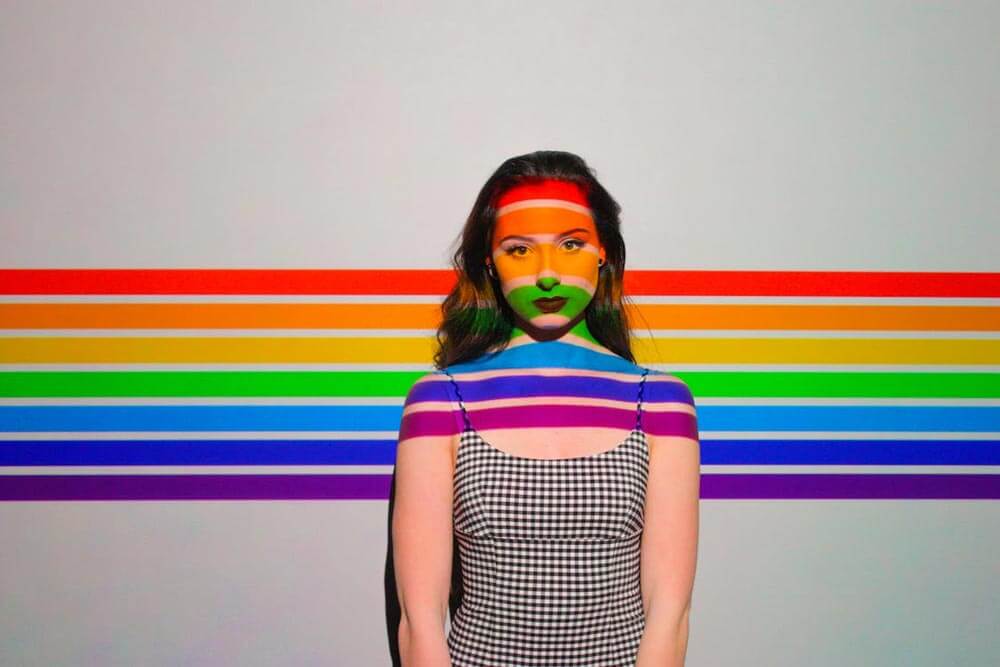
LGBTQ+ Artists

Zanele Muholi 

A South African visual activist, Muholi uses photography to document and celebrate the lives of Black lesbians in South Africa. Her work confronts prejudice directly while affirming the beauty and resilience of the communities she portrays.

Felix Gonzalez-Torres 

A Cuban-American conceptual artist whose work explores love, loss, and identity. His pieces carry deep emotional weight – connecting personal experience to wider social narratives with quiet, powerful effect.

Artists from Underrepresented Ethnic Backgrounds

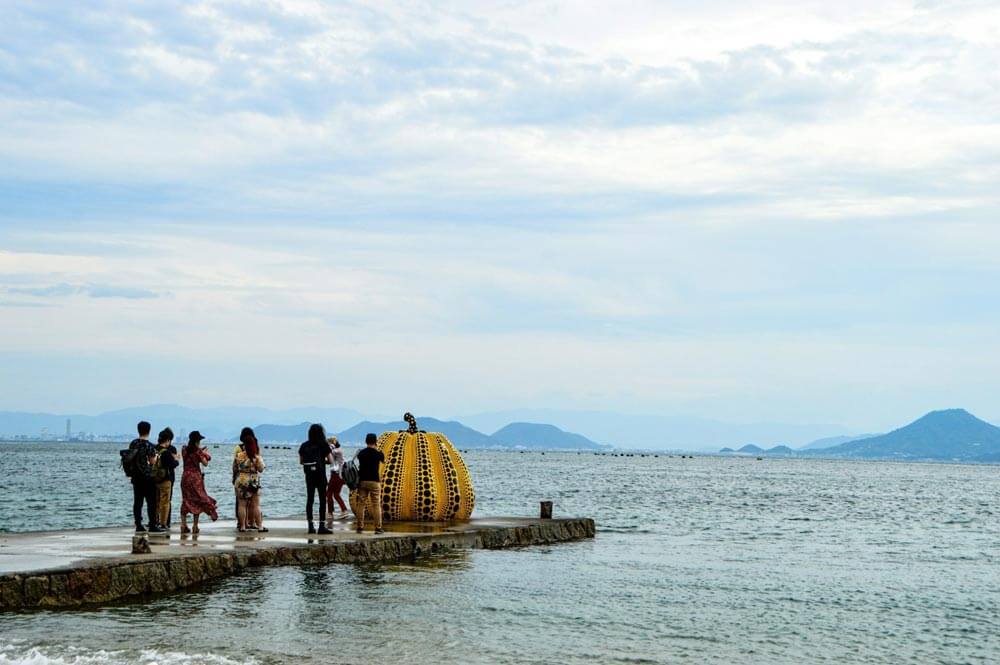
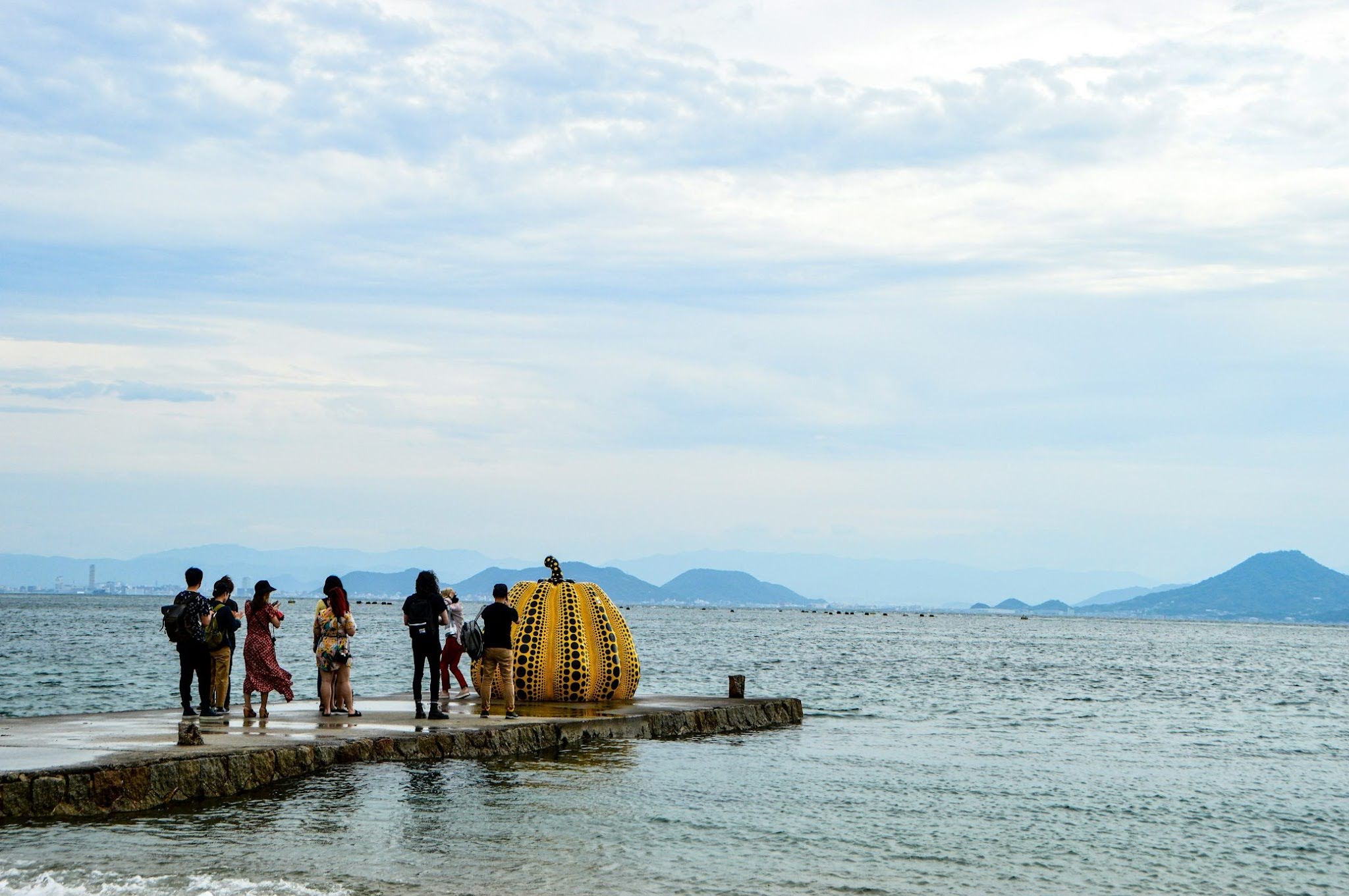
Yayoi Kusama 

Japanese contemporary art icon Kusama is celebrated for her immersive installations and obsessive use of repetition and pattern. Her work crosses cultural boundaries, pulling viewers into environments that feel entirely apart from the everyday world.

Kehinde Wiley 

Wiley creates large, vivid portraits that place people of colour at the centre of art history. His work directly challenges who gets depicted heroically, and why. His portrait of Barack Obama for the Smithsonian National Portrait Gallery brought that challenge into one of the most visible spaces in American culture.
Success Stories: Celebrating Underrepresented Voices in Art

Rediscovering Overlooked Female Surrealists

For decades, female surrealist artists were overshadowed by their male peers. A growing movement has brought artists like Maeve Gilmore and Bona de Mandiargues back into critical view. Their work now features in major exhibitions and academic research, challenging the accepted version of art history. This revival is part of a wider push to integrate non-Western and non-white artists into mainstream art narratives.

Read more about this movement in the Financial Times

Tanya Saracho: Ensuring Latino Representation in Media

Playwright and showrunner Tanya Saracho has become a central figure in the fight for authentic Latino and queer representation in storytelling. She has broken down barriers in Hollywood by insisting that underrepresented voices are not just present but lead.

Read Tanya Saracho’s story on Time magazine

TRANSA: Celebrating Trans and Nonbinary Musicians

TRANSA is a compilation album produced by Red Hot. It features over 100 trans, nonbinary, and queer artists and acts as a living record of contemporary trans creative culture. The project broadens audiences’ understanding of queer artistry while building genuine cultural empathy.

Learn more about TRANSA and its cultural impact on Them.us

How Does Art Promote Diversity?

Art promotes diversity in art and society in several concrete ways:

By Making Invisible Stories Visible

Art gives form to experiences that are rarely seen in mainstream media. A painting, photograph, or installation can place a marginalised community’s story front and centre in a way that is hard to ignore or dismiss. The work of artists like Zanele Muholi or Kehinde Wiley does not ask for permission to be centred – it simply is.

By Creating Space for Dialogue

Art opens conversations that might not happen otherwise. An exhibition about the effects of colonialism, a mural depicting queer joy, or a sculpture exploring disability – each of these invites viewers to engage with experiences different from their own. That engagement, over time, builds understanding.

By Challenging Who Gets to Define Beauty and Value

Traditional art institutions have historically determined whose work is considered important, whose gets preserved, and whose gets sold at auction. Diversity art challenges those judgements at the root. When collectors buy work by underrepresented artists and galleries platform emerging voices from marginalised communities, they shift the economics and the culture of the whole sector.

By Inspiring the Next Generation

Representation in art tells young people from underrepresented backgrounds: your perspective matters here. That message has a direct effect on who pursues creative careers – and what the art world will look like in twenty years.

By Holding Institutions Accountable

Artists and communities are increasingly calling on museums, galleries, and funding bodies to back their commitments to inclusivity with data, resources, and structural change. Diversity in art is not just about what is on the walls .
How Do Diverse Perspectives Influence Modern Art Trends?

Innovative Artistic Expression

Artists from diverse backgrounds bring aesthetics, techniques, and storytelling methods that would not exist otherwise. Cultural influences, reinterpreted forms, and fresh visual languages all push the boundaries of what art can be and do.

Challenging Artistic Norms

When underrepresented voices take centre stage, they reshape how art is defined. They blend unexpected materials, merge traditions, and address themes that conventional art has avoided. That willingness to break from the expected is one of the most valuable things diverse voices bring to the creative world.

Cultural Fusion and Hybridity

When different cultural influences meet, new art forms emerge. These hybrid works are often visually distinctive, representing the interplay of heritage, modernity, and innovation. They create cross-cultural dialogue rather than simply mirroring one tradition back at itself.

Social and Political Commentary

Art has always engaged with power. With diverse perspectives driving more of the conversation, contemporary art is better equipped to capture the full complexity of modern social and political life – from activism and identity politics to migration, climate justice, and community resilience.

Global Reach Through Digital Platforms

Online platforms and social media have removed many of the gatekeeping barriers that once controlled which artists reached international audiences. Artists from any background can now share work globally. That reach is expanding both the influence of diverse art and the appetite for it.

Technology as a Creative Tool

Many diverse artists are also at the forefront of integrating technology into their practice – from digital installations and augmented reality to AI-generated work. These innovations are shaping the future direction of art, driven by the same creative energy that challenges traditional norms.

How Can Art Galleries Foster Inclusivity?

Galleries are not passive spaces. They make active choices about whose work to show, how to present it, and who is made to feel welcome. Those choices define what diversity in art looks like in practice.
Galleries can foster genuine inclusivity by:

  • Showcasing diverse artists – Programming exhibitions that feature artists from underrepresented backgrounds, not as one-off gestures but as consistent practice
  • Collaborating with community organisations – Partnering with cultural institutions and advocacy groups to create exhibitions that are genuinely representative, not just visually diverse
  • Hosting educational programmes – Running workshops, talks, and events on identity, heritage, and social justice that engage a wide range of audiences and encourage real dialogue
  • Improving accessibility – Ensuring both physical and digital access, offering multilingual resources, and providing affordable or free entry so the gallery is truly open to everyone
  • Reviewing acquisition policies – Looking critically at whose work is being bought, preserved, and lent – not just what is displayed temporarily
  • Paying fairly – Ensuring artists from underrepresented backgrounds are paid equitably for their time, labour, and expertise

What Art Organisations and Initiatives Support Underrepresented Artists?
Global Organisations

    • Women’s Centre for Creative Work (WCCW): A Los Angeles-based organisation supporting women and non-binary artists through residencies, skill-sharing workshops, and collaborative projects.
    • Queer|Art: A New York-based organisation dedicated to nurturing LGBTQ+ artists through mentorship programmes, fellowships, and exhibitions.
    • National Association of Latino Arts and Cultures (NALAC): Advocates for Latinx artists and cultural workers through grants, professional development, and equitable representation.
    • Disability Arts Online: A UK-based platform that promotes the work of disabled artists through articles, reviews, and profiles.
    • Asia Art Archive (AAA): A non-profit that documents and promotes contemporary art history across Asia, archiving and platforming diverse voices from the Asian art scene.
    • ProjectArt: Provides free arts education in public libraries across the United States, focusing on underserved young people.

UK Initiatives in 2026

Two significant new programmes launched or expanded in the UK in 2026 signal a growing institutional commitment to diversity in the art sector – though sector leaders are clear that investment must match ambition.

Arts Council England – Diverse-Led Organisations Programme 

(January–October 2026) Launched in January 2026, this Arts Council England programme supports creative and cultural organisations where over half of the board and senior leadership are from underrepresented backgrounds – including women, Black, Asian, and ethnically diverse leaders, disabled people, LGBTQIA+ individuals, and those from lower socio-economic backgrounds. The programme offers webinars, peer networks, strategic workshops, and access to fundraising training. Sector leaders have welcomed it as a positive step while calling for the sustained structural investment needed to back it up. Read more at Arts Professional.

Art Fund – Empowering Curators (2026) 

Launched in March 2026, the Art Fund’s Empowering Curators initiative is placing 20 fellows from underrepresented backgrounds in museums and galleries across the UK. Each host organisation commits to a programme of change to advance equity, diversity, and inclusion – going beyond the individual fellowship to address systemic barriers in the curatorial pipeline. Read more at the Museums Association.

Key Takeaways

  • Diversity in art is about more than representation on gallery walls – it encompasses who creates, who curates, who funds, and who collects.
  • Inclusive art challenges stereotypes, drives cultural exchange, and inspires the next generation of creators from underrepresented backgrounds.
  • Artists like Kehinde Wiley, Zanele Muholi, Yayoi Kusama, Jeffrey Gibson, and Wendy Red Star are reshaping what the mainstream art world looks like
  • In 2026, the UK arts sector has launched concrete new programmes – the ACE Diverse-Led Organisations scheme and Art Fund’s Empowering Curators initiative – to address structural inequalities in who leads and curates.
  • Galleries play an active role in promoting diverse art: through their programming, acquisitions, accessibility, and partnerships.
  • Global organisations, including Queer|Art, NALAC, Disability Arts Online, and WCCW, are providing critical support for underrepresented artists
  • Digital platforms are removing gatekeeping barriers, allowing artists from any background to reach global audiences directly.
  • Genuine inclusivity requires sustained investment and structural change – not just one-off initiatives or token representation.
  • Supporting diversity in art creates a stronger, more culturally relevant, and more commercially dynamic creative sector for everyone.

Conclusion: Why Diversity in Art Matters More Than Ever

In today’s interconnected world, diversity in art is not optional – it is essential. When art reflects the full range of human experience, it becomes more honest, more powerful, and more culturally relevant. When it does not, entire communities are erased from the story.

Diversity and inclusivity in art challenge norms and expand what creative expression can be. They foster empathy between communities. They bring economic vitality to a sector that benefits from fresh voices and new markets. And they ensure that the art world’s future is shaped by everyone who lives in it – not just those who have always had access to it.

Whether you are an artist building your portfolio, a gallery reviewing your programming, or a collector thinking about who you support, the choices you make today shape what art looks like tomorrow.

External Resources and Recommended Reading

Arts Council England – Diversity – The UK’s national arts funding body on its equity and inclusion commitments

Ready to Show Your Work?

If you are an artist looking for a platform that values every voice equally – with no gatekeeping and no commission – Cosimo is built for you. Build a professional portfolio, set your own prices with our smart pricing calculator, and connect with collectors who are looking for exactly what you make.

Join Cosimo for free today →

About the Author

John Sewell

John Sewell is the founder of Cosimo and holds a Master’s Degree in History of Art from the University of Birmingham. He built Cosimo to give emerging artists fair, transparent ways to reach collectors directly. He was also shortlisted for the Great British Entrepreneur Awards. His background in art, creative entrepreneurship and digital marketplaces informs his writing on artist development, accessible art, and the future of online art sales.

FAQs

Diversity and inclusivity in art involve representing a broad spectrum of cultures, backgrounds, and identities. This approach ensures that the voices of underrepresented communities are heard, challenges traditional norms, and fosters empathy through creative storytelling.

They are crucial for showcasing society’s multifaceted nature. Inclusive art creates a platform for cultural exchange, drives creative innovation, and challenges stereotypes. Embracing diverse perspectives enriches artistic expression and deepens the impact of creative work.

Diverse perspectives introduce fresh narratives, techniques, and styles that push creative boundaries. They foster cultural fusion, redefine traditional art forms, and add social and political depth to artistic expression, ultimately shaping global art trends.

Artists such as Yayoi Kusama, Kehinde Wiley, and Zanele Muholi are celebrated for championing diverse artistic voices. Their work challenges conventional portrayals and offers new insights into the human experience through innovative art.

Several organisations promote inclusivity, including:

  • Queer|Art: Supports LGBTQ+ artists with mentorship and exhibitions.
  • Women’s Center for Creative Work (WCCW): Empowers women and non-binary artists.
  • National Association of Latino Arts and Cultures (NALAC): Advocates for Latinx artists.
  • Disability Arts Online: Highlights the contributions of disabled artists worldwide.
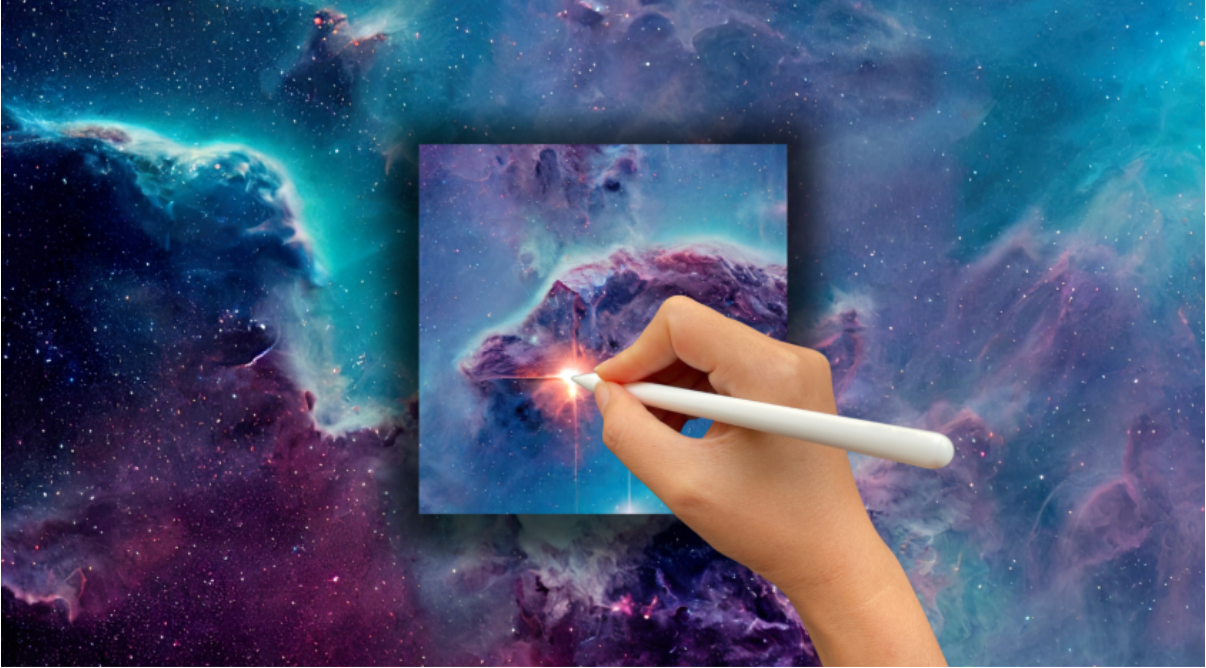
Exploring the Rise of Digital Art: A Contemporary Revolution in 2026

Rise of Digital Art

Digital art in 2026 is no longer just about technology – it’s about authenticity. As AI-generated imagery becomes ubiquitous, artists are leaning into visible human authorship, imperfection, and emotional resonance. From micro-animations and naïve design to NFTs becoming standard market infrastructure, the creative landscape has matured into something richer and more nuanced than ever. For artists, the opportunity has never been greater – but so does the need to stand out, build community, and present work professionally.

What is digital art? Digital art is a form of artistic expression created using digital technology, including software, AI tools, and digital devices. It encompasses digital paintings, illustrations, photography, 3D models, animations, NFT art, and virtual reality experiences.

What Is Digital Art and Its Role in the Modern World?

Digital art is transforming the modern world, playing a crucial role in how creativity is expressed, shared, and monetised. The artistic landscape has entered a transformative era where creativity and technology converge in unprecedented ways. As we move through 2026, the rise of digital art continues to reshape how we create, experience, and value artistic expression. This evolution represents more than a technological shift – it marks a fundamental reimagining of what art can be and who can create it.

Digital art is important because it expands accessibility, enables global distribution, and integrates with modern technology ecosystems. Digital art is changing the world by democratising creativity and enabling artists to reach global audiences instantly, breaking down traditional barriers that once confined artistic expression to galleries and established institutions.

In contrast to the classical media that have long defined artistic achievement, the rise of digital art represents a dynamic fusion of innovation and creativity. As we navigate this digital renaissance, we witness the emergence of a new frontier where artists leverage algorithms, virtual reality, and other cutting-edge tools to shape their visions. This transformative shift redefines the artistic landscape and challenges our perception of what art can be. It invites us to explore the intersection of technology and creativity, pushing the boundaries of conventional expression.

As we embrace the era of the rise of digital art, we embark on a journey that extends beyond paint and canvas into the virtual realm. This is a testament to the ever-evolving nature of human creativity, where the fusion of art and technology gives rise to a captivating tapestry of innovation.

The Rise of Digital Art: Understanding the Medium

The rise of digital art has fundamentally altered not just the creation process but also how audiences discover, engage with, and collect artwork – and how artists sell digital artwork online to global audiences without traditional gatekeepers.

Artists now have access to more accessible 3D applications, many of which are browser-based, including tools like Womp and Adobe’s Project Neo, making sophisticated techniques available to creators at all skill levels.

Contemporary digital artists benefit from unprecedented creative freedom. They can experiment without the constraints of physical materials, iterate rapidly, and explore techniques that would be impossible in traditional media. Online platforms have democratised art viewing, enabling global audiences to engage with works instantly.

Different Types and Forms of Digital Art

There are several digital art forms, each offering unique creative possibilities. As the medium has matured, artists have developed distinct disciplines that leverage digital tools in increasingly sophisticated ways:

  • 2D digital illustration
  • 3D modelling and sculpting
  • Generative and algorithmic art
  • NFT-based digital art
  • Virtual Reality (VR) art and immersive experiences
  • Micro-animation and motion art

Each of these digital art forms brings its own tools, communities, and market dynamics, contributing to a rich and diverse creative ecosystem.

Key Trends in the Field of Digital Art (2026)

One of the biggest trends in the field of digital art is the rise of AI-generated creativity, but 2026 reveals a more nuanced picture. As we explore trends in the field of digital art, we witness an exciting tension between perfection and imperfection, between the algorithmic and the handmade, between the global and the deeply personal.

1. Digital Paintings: A New Canvas

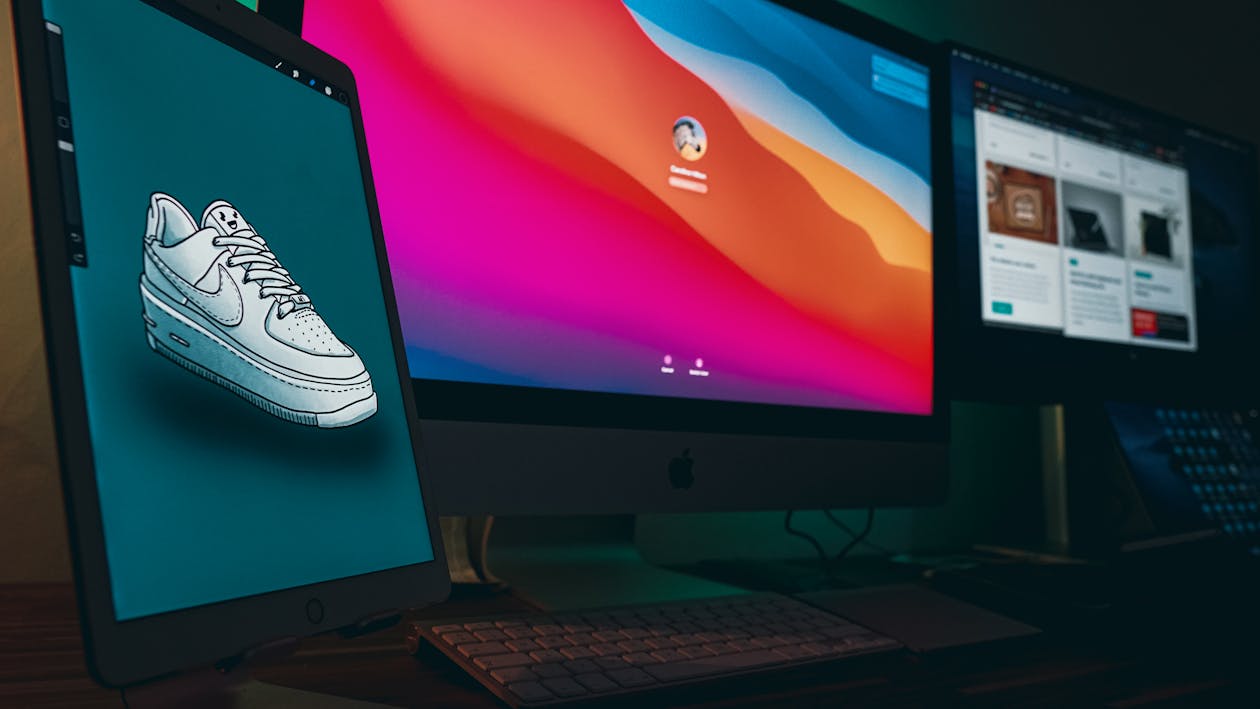
Digital painting remains a cornerstone of the rise of digital art, but by 2026, it has evolved significantly. Artists continue to use sophisticated software like Adobe Photoshop, Procreate, and Corel Painter, but the approach has shifted toward authenticity.

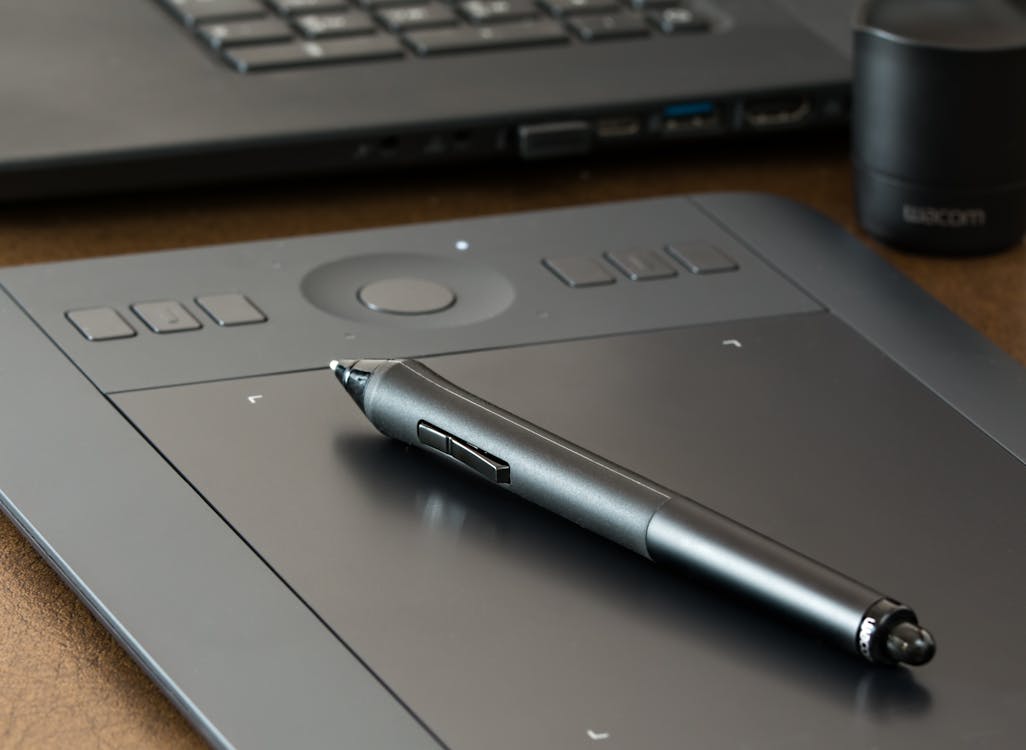
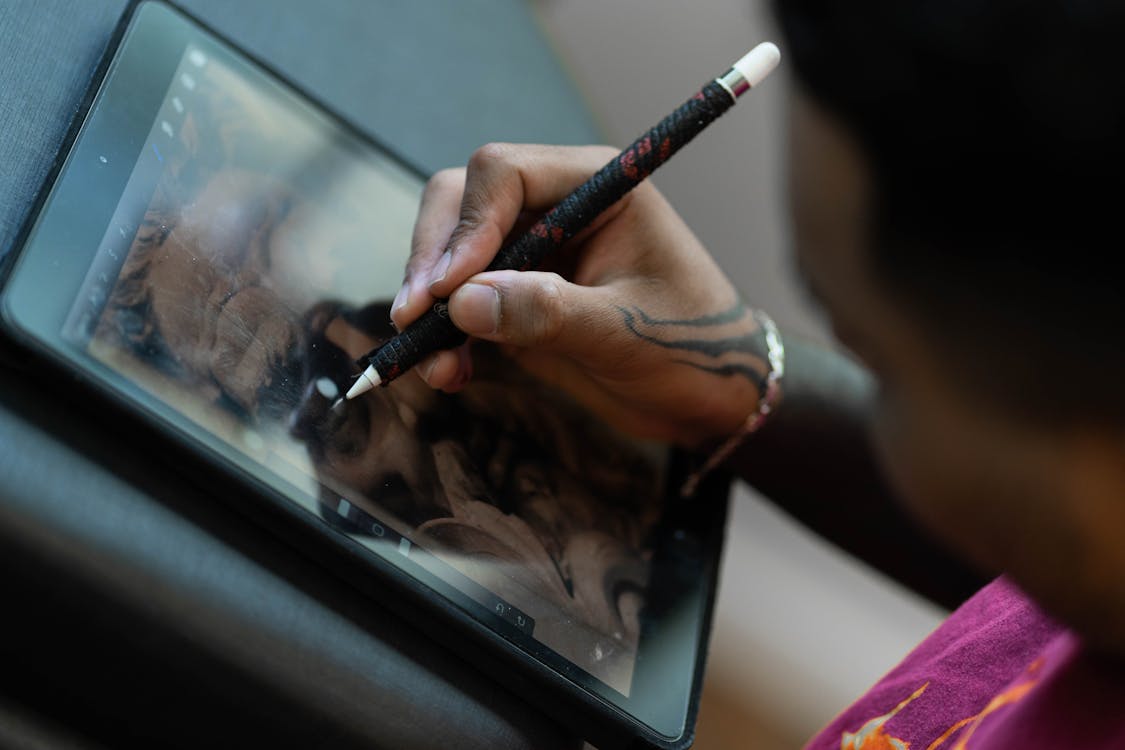
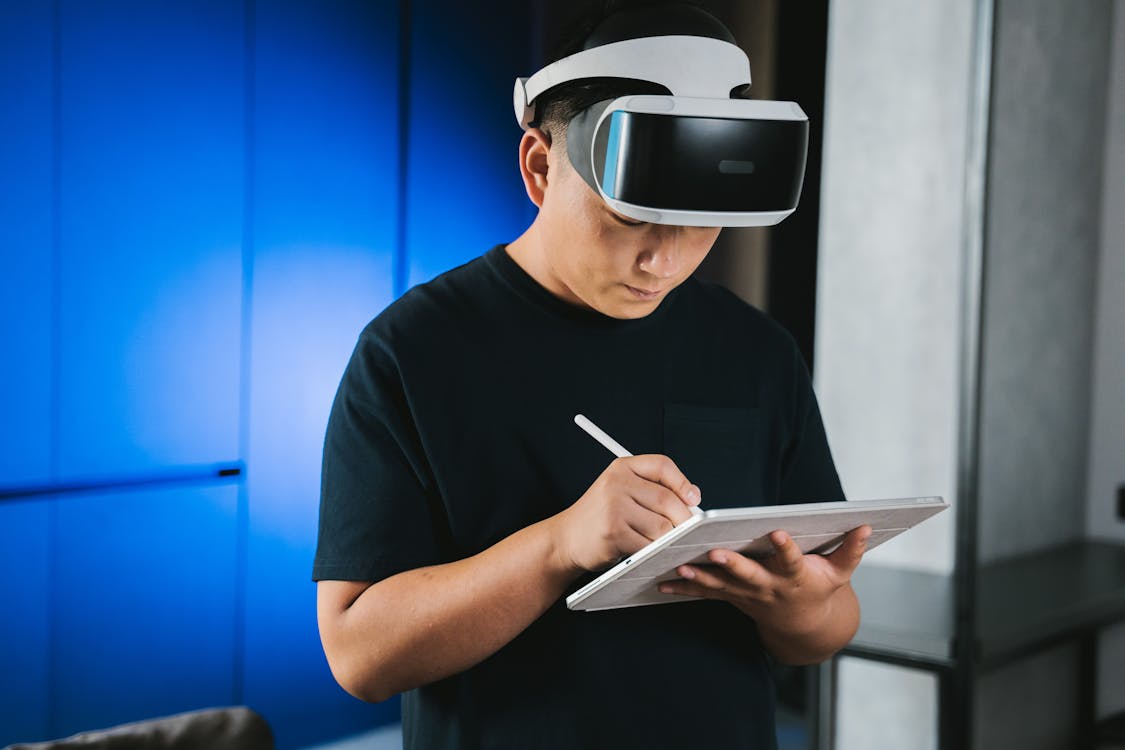
In digital painting, artists use software and tools that imitate traditional painting techniques – allowing them to create brush strokes, blend colours, and draw with actual paint on a digital canvas. Modern digital artists work with graphic tablets, stylus pens, and increasingly accessible software that provides extensive brush libraries, colour palettes, and effects.

In 2026, digital art trends emphasise authenticity and sincerity over technical perfection. Rather than showcasing flawless execution, artists increasingly embrace imperfections that signal human authorship. This shift responds directly to the proliferation of AI-generated imagery, with audiences craving work that unmistakably reveals “a human was here.”

Naïve Design has emerged as a popular trend, embracing simplicity and childlike playfulness with basic geometric shapes and intentionally imperfect execution. This style prioritises expression and emotion over technical precision, creating work that feels authentic, warm, and deeply human in an age of algorithmic polish.

2. Immersive AR/VR Art

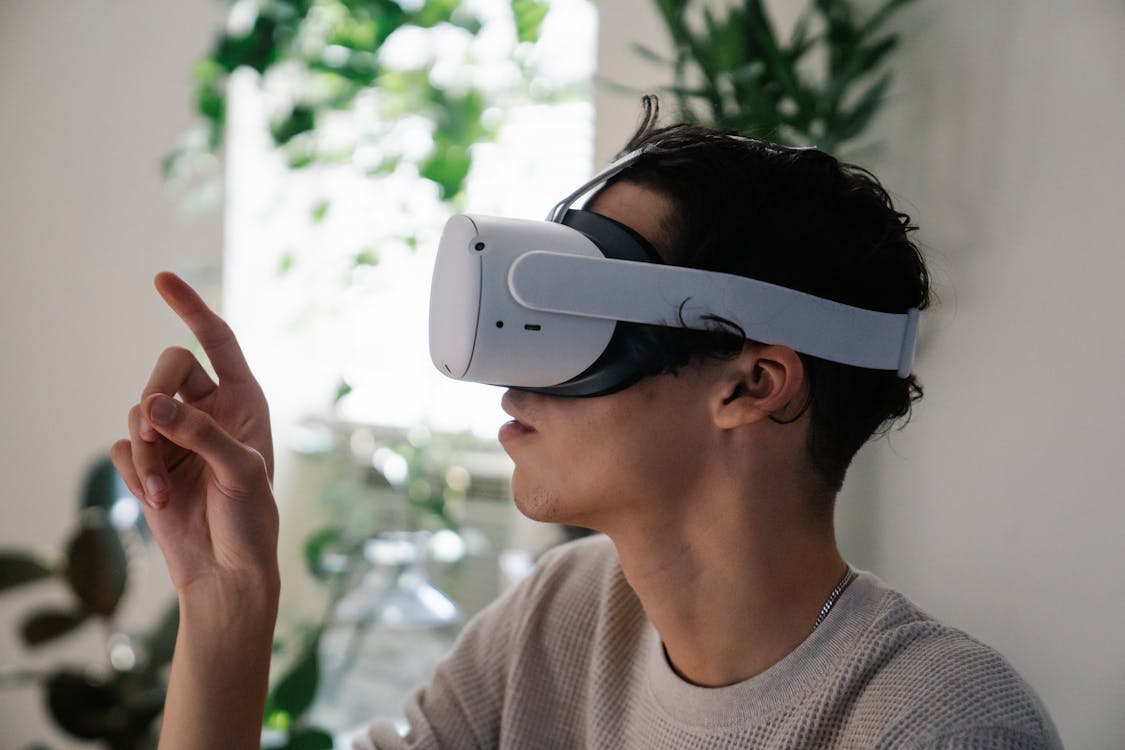
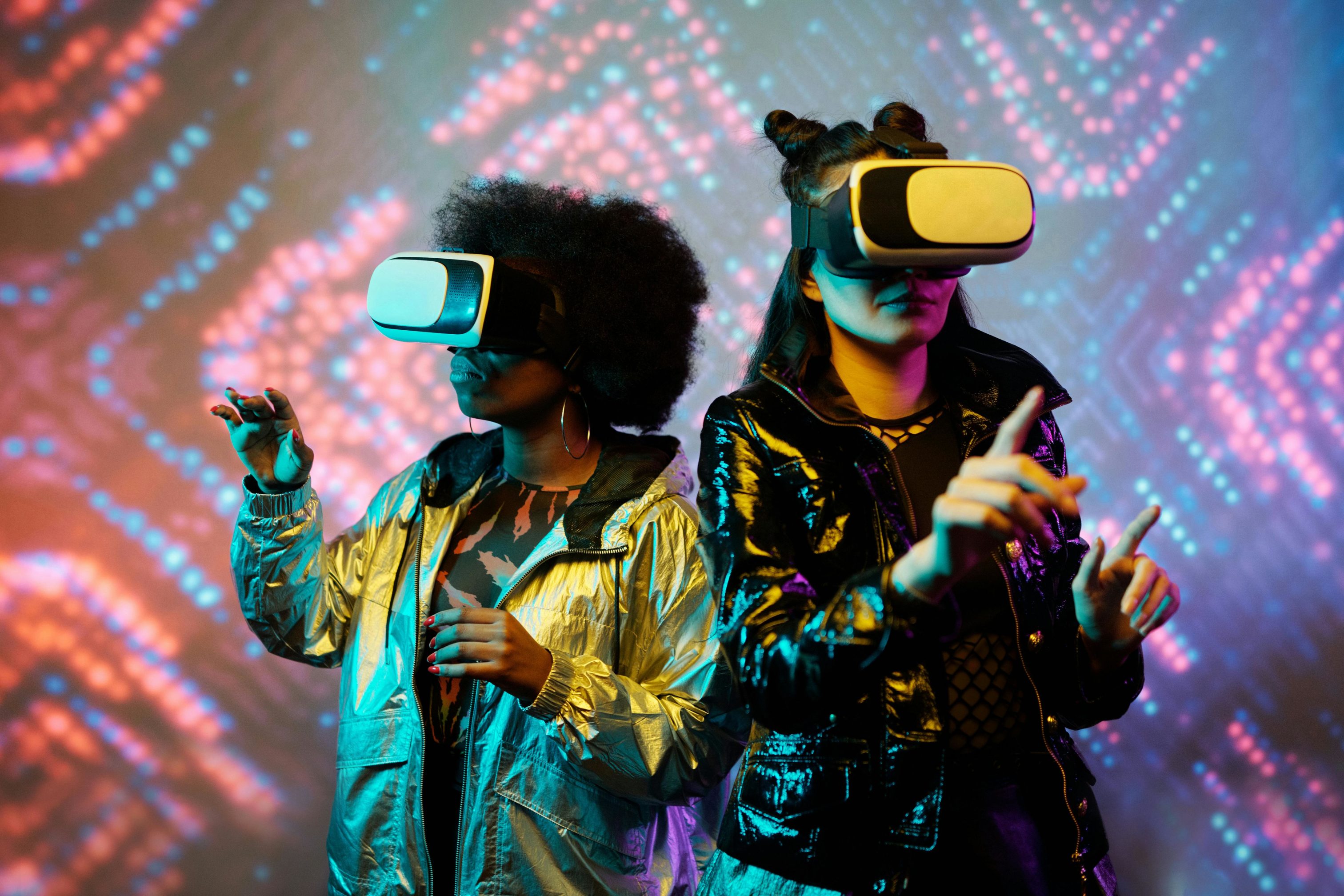
Virtual reality art has matured significantly in 2026, offering immersive experiences where viewers enter paintings or interact with three-dimensional worlds. This innovative approach transforms passive observation into active participation, making it a key element of digital art’s rise.

VR technology empowers artists to construct entire 3D worlds that viewers can explore. Artists like Chris Milk create interactive narratives where participants don’t just observe – they become integral elements of the artistic experience. Artists have used Google’s Tilt Brush VR painting tool to paint in three-dimensional space, with works exhibited at the Royal Academy of Arts in London.

In 2026, immersive art has evolved from novelty to necessity, with multi-sensory exhibitions engaging audiences through projection, sound, and interaction, turning spaces into emotional journeys that dissolve boundaries between observer and artwork.

3. NFT and Blockchain Art

NFTs continue to play a significant role in the rise of digital art, though the market has matured considerably. In 2026, NFTs function as an established digital infrastructure rather than a speculative novelty.

Non-fungible tokens (NFTs) are unique digital certificates stored on blockchain, a secure technology ledger that verifies and records transactions. In art, they prove ownership and authenticity of digital works. Each NFT is unique and cannot be replicated, making the digital art it represents verifiably one-of-a-kind.

NFTs have solved a longstanding challenge in digital art: proving ownership. Before blockchain verification, establishing clear ownership of digital works was nearly impossible. NFTs now provide secure, transparent provenance that artists and collectors can trust, creating new revenue streams and sometimes allowing artists to earn royalties on secondary sales.

In 2026, NFTs have become a normalised infrastructure in the art world, integrated into galleries, auction houses, and collecting practices as a standard verification method rather than a speculative trend.

4. Micro-Animations and Living Illustrations

One of the most subtle yet impactful trends in 2026 is the rise of micro-animations. These tiny loops – where eyes blink, smoke drifts, or cloth blows naturally – draw readers in and bring covers or pages to life. Artists create these effects using tools like After Effects, Procreate Dreams, Blender, and Rive. Micro-animations work particularly well for web content, digital books, and social media.

5. AI-Generated Digital Art and Hybrid Practices

In 2026, artists are not simply using AI as a tool but exploring hybrid practices that merge logic, emotion, and innovation. Rather than replacing human creativity, AI serves as a collaborative partner – generating variations, suggesting compositions, or handling technical tasks while artists provide vision, curation, and emotional intent. The most compelling work clearly demonstrates human authorship, curated and refined, distinguishing it from purely algorithmic output.

Emerging Trends in Digital Art You Should Know

Current trends in digital art show a shift towards automation and AI-assisted creativity, but several other movements are equally defining the landscape:

  • Ultra-Tactile Craft – A resurgence of deeply textured, material-focused art using tin, ash, plaster, and industrial compounds.
  • Surreal Minimalism – Clean, minimalist design with single bold dreamlike elements as emotional hooks.
  • Distorted Portraiture – Expressive, subversive portraits that stand apart from AI-generated imagery.
  • Retro Revival – Pixel art, vintage printing techniques, and analogue aesthetics.
  • Maximalism and Neo-Expressionism – Joyful, emotionally direct art that communicates immediately.
  • Earth Tone and Electric Palettes – Rich ochre, burnt terracotta, and vibrant electric pastels defining 2026’s signature colour story.

6. Accessible 3D Tools Democratise Complex Creation

More accessible 3D applications, including browser-based tools and free software like Substance 3D, are emerging for 2D artists. Concept artists increasingly build scenes in 3D and paint over them, especially when working with complex perspectives or multiple viewing angles. This hybrid approach accelerates workflows while maintaining artistic control and individual style.

Tech-Infused Artistry: Catalysts in the Rise of Digital Art

Technology continues transforming the art world, but in 2026, the relationship has become more nuanced. Digital tools expand creative possibilities while artists deliberately incorporate “analogue” elements – imperfections, textures, and handmade qualities – even in purely digital work.

Digital platforms have revolutionised art accessibility. Artists share work globally through online galleries and social media, reaching audiences that would have been impossible to access through traditional channels. These platforms have broken down barriers to entry, giving emerging artists visibility and opportunities previously reserved for those with gallery representation. Beyond visibility, meaningful artistic community engagement has become essential for artists seeking long-term growth, collaboration, and collector trust.

What Is the Future of Digital Art?

The future of digital art is driven by advancements in AI, decentralisation, and immersive experiences. You might also wonder: what does the future of digital art look like for artists? The answer lies in a dialectical progression – as tools become more sophisticated, the pendulum swings toward valuing visible human presence, emotional authenticity, and imperfect craftsmanship.

The future of digital art trends suggests a strong move towards personalised and AI-generated content ecosystems, but alongside this, collectors increasingly value emotional connection over technological novelty, seeking work that resonates personally rather than simply impresses technically.

We anticipate continued fusion of traditional and digital techniques, with artists exploring hybrid approaches that combine conventional methods with cutting-edge tools. Augmented reality and virtual reality experiences are becoming standard rather than experimental, enabling artists to create environments rather than objects, transforming how audiences encounter creative work.

One of the most significant shifts shaping the future is what might be called the “authenticity economy.” As AI-generated content becomes ubiquitous, the most compelling art reflects a renewed commitment to work that is unmistakably made, marked by intuition, risk, and imperfections that signal authorship. Collectors and audiences gravitate toward art that carries clear traces of the person who made it, at a time when authenticity has become its own form of scarcity.

For artists navigating this landscape, having a strong, professional online presence matters more than ever. A well-crafted artist portfolio is no longer a nice-to-have – it’s the foundation of how collectors and curators encounter your work for the first time. Equally, knowing how to price artwork fairly and consistently is one of the skills that separates artists who build lasting careers from those who struggle to monetise their practice.

Those earlier in their journey often find that the business side of art – writing statements, setting prices, navigating the market – can feel just as daunting as developing a creative voice. Platforms like Cosimo Academy exist to bridge exactly that gap, offering practical, expert-led guidance for artists who want to grow with confidence.

Rise of Digital Art: Conclusion

The rise of digital art represents not just a trend but a fundamental transformation in how art is conceived, created, and consumed. It challenges traditional norms and opens up a universe of creative possibilities. Digital art is changing the world by democratising creativity, enabling artists to reach global audiences, and redefining how we understand value, ownership, and expression.

As we look ahead, the continuous rise of digital art will undoubtedly shape the future of artistic expression. The future of digital art trends points to a more personalised, AI-collaborative, and immersive creative landscape – one where human authorship is prized above all else.

Now is the time to celebrate this era of innovation and the endless opportunities it brings. With every new tool and platform, the rise of digital art reaffirms that art is ever-evolving, vibrant, and limitless.

​​Ready to take your art career to the next level?

Whether you’re just finding your footing or looking to grow an established practice, Cosimo gives you everything in one place – a professional portfolio, commission-free sales tools, smart pricing support, and a community of artists who genuinely get it. Join free and start building the art career you deserve.

Join Cosimo for Free →

Key Takeaways

  • Digital art is democratising creativity, enabling artists to reach global audiences without traditional gatekeepers like galleries or institutions.
  • The biggest trend of 2026 is the “authenticity economy” – collectors and audiences are gravitating toward work that clearly carries human authorship, in direct response to AI-generated imagery.
  • Naïve design, micro-animations, distorted portraiture, and ultra-tactile craft are among the defining visual trends of the moment.
  • NFTs have evolved from a speculative novelty into a normalised verification infrastructure used by galleries and auction houses.
  • AI is functioning as a creative collaborator rather than a replacement – the most compelling work combines algorithmic assistance with human vision and curation.
  • Building an online presence and genuine community engagement is now essential for sustainable careers in digital art.

About the Author

John Sewell is the founder of Cosimo and holds a Master’s Degree in History of Art from the University of Birmingham. He built Cosimo to give emerging artists fair, transparent ways to reach collectors directly. He was also shortlisted for the Great British Entrepreneur Awards. His background in art, creative entrepreneurship, and digital marketplaces informs his writing on artist development, accessible art, and the future of online art sales.

Frequently Asked Questions (FAQs)

Digital art is a form of artistic expression created using digital technology such as software, AI tools, and digital devices. Its role in the modern world is transformative – it democratises creativity, enables global distribution, and integrates seamlessly with modern technology ecosystems. From social media to immersive VR exhibitions, digital art is reshaping how creativity is expressed, shared, and monetised across every sector of culture and commerce.

Digital art refers to any artistic work created or presented using digital technology. This includes digital paintings, illustrations, photography, 3D models, animations, NFT art, and virtual reality experiences. Artists use software, tablets, stylus pens, and other digital tools to produce work that can be distributed and experienced online or in immersive environments.

Key trends in the field of digital art in 2026 include: the Authenticity Economy (valuing visible human authorship over AI polish), Naïve Design and intentional imperfection, Ultra-Tactile Craft celebrating texture and handmade quality, micro-animations for subtle motion, Surreal Minimalism, Distorted Portraiture, retro and heritage design aesthetics, maximalism and Neo-Expressionism, and hybrid AI-human creative practices. Colour trends favour both rich earth tones and vibrant electric pastels.

The future of digital art is driven by advancements in AI, decentralisation, and immersive experiences. We expect tools that aid rather than replace the creative process – making art creation more accessible while preserving space for human vision and emotional intelligence. The future of digital art trends suggests a strong move towards personalised, AI-assisted, and immersive content ecosystems, where authenticity and human authorship carry premium value.

There are several digital art forms, each offering unique creative possibilities: 2D digital illustration, 3D modelling, generative and algorithmic art, NFT-based art, virtual reality (VR) art, micro-animation, and motion graphics. Each form has its own tools, techniques, and communities within the broader digital art ecosystem.

Digital art is important because it expands accessibility, enables global distribution, and integrates with modern technology ecosystems. It has removed traditional gatekeepers, allowing artists of all backgrounds to reach global audiences, build sustainable careers, and engage with collectors directly. It also pushes the boundaries of human creativity, enabling experiences impossible in any other medium.

Digital art is changing the world by democratising creativity and enabling artists to reach global audiences instantly. It has transformed how art is produced, sold, and experienced – from NFT marketplaces to immersive VR exhibitions. It is also influencing design, advertising, film, gaming, and education, making creative visual communication accessible at an unprecedented scale.

Traditional art uses physical materials like paint, canvas, clay, or paper, while digital art is created using computers, tablets, and software. Digital art offers unlimited undos, instant sharing, global reach, and no material costs. However, traditional art retains a tangible, physical quality that many collectors still deeply value – which is why 2026 trends show a renewed appreciation for visible craftsmanship even within digital work.

In 2026, digital artists commonly use Adobe Photoshop, Procreate, Corel Painter, and Blender for 2D and 3D work. Browser-based tools like Womp and Adobe’s Project Neo have made 3D creation more accessible. For animations, tools like After Effects, Procreate Dreams, and Rive are popular. AI-powered tools are also widely used as collaborative aids rather than replacements for human creativity.

NFTs (Non-Fungible Tokens) are unique digital certificates stored on a blockchain that verify ownership and authenticity of digital artworks. For artists, NFTs create direct revenue streams and sometimes allow them to earn royalties on secondary sales. In 2026, NFTs have become a normalised part of the art market infrastructure, used by galleries and auction houses as a standard verification method.

Absolutely. Digital art has established significant market value, especially with the rise of NFTs and blockchain verification. Collectors now have secure, transparent ways to own and trade digital works. Beyond monetary value, digital art holds cultural and emotional value – as audiences increasingly seek authenticity and human authorship, original and compelling digital works command strong interest from collectors worldwide.

Artists can sell digital art through online galleries and marketplaces, NFT platforms, personal websites, and social media. NFTs provide a way to sell digital pieces as verifiable one-of-a-kind assets. Building community engagement and collector trust through consistent online presence is increasingly important for sustainable income.

Yes – digital art is increasingly accessible to creators at all skill levels. Many tools are free or low-cost, browser-based, and intuitive. Platforms like Procreate offer approachable entry points, while online communities provide tutorials, feedback, and inspiration. The democratisation of 3D tools means artists from traditional 2D backgrounds can incorporate new dimensions into their work without expensive equipment.

How to Sell Digital Art Online: A Complete 2026 Guide for Creators

Everything you need to build a profitable digital art business – from platform selection and pricing strategy to marketing, legal protection, and scaling your income.

  • The digital art market continues to grow rapidly in 2026, with global demand for unique, personalised digital artwork at an all-time high.
  • Choosing the right platform is the single biggest decision – options range from general marketplaces like Etsy to artist-first platforms like Cosimo that charge zero commission.
  • AI tools, print-on-demand services, and subscription models are the fastest-growing revenue streams for digital artists this year.
  • Pricing your work accurately is critical – use tools like Cosimo’s smart pricing calculator to avoid undercharging for your time and skill.
  • Copyright protection, licensing clarity, and transparent terms of service are non-negotiable when selling digital files.
  • Building your own audience via email lists and SEO reduces dependency on platform algorithms over the long term.

The digital art revolution has transformed the creative landscape, opening unprecedented opportunities for artists worldwide. Whether you’re a seasoned traditional artist transitioning to digital mediums or a digital native looking to monetise your creativity, learning how to sell digital art online has become essential in today’s creator economy. This comprehensive guide will walk you through every aspect of building a successful digital art business in 2026.

1. The Digital Art Market in 2026

The digital art market has experienced explosive growth in recent years, driven by technological advances, shifting consumer preferences, and the democratisation of art creation tools. When you sell digital art online, you’re tapping into a global marketplace worth billions of dollars, with opportunities ranging from print-on-demand products to exclusive digital collectables.

Digital art encompasses a wide range of formats: illustrations, graphic designs, digital paintings, vector art, concept art, and animated pieces. Its core advantage lies in reproducibility – once created, digital artworks can be sold multiple times without degradation, making it a highly scalable business model for independent creators.

Is 2026 still a good time to start selling digital art online – even if the market is crowded?

The short answer is yes. The pandemic accelerated a lasting shift toward digital consumption, and consumer behaviour has continued to favour unique, personalised content. The rise of remote work and digital-first branding has also increased demand for digital artwork, as businesses seek visually engaging assets for websites, presentations, and social media. Artists with a distinctive style and authentic voice are better positioned than ever to carve out a sustainable creative business.

$15B+

The estimated global digital art market value in 2026 spans NFTs, print-on-demand, stock illustrations, commercial licensing, and direct digital downloads.

2. Preparing Your Digital Art for Sale

Before listing your work, ensuring your files are technically and commercially ready is essential. This preparation phase directly affects how your art looks across different platforms, devices, and print media – and shapes the first impression buyers have of your work.

Resolution and File Formats

Work at high resolutions – typically 300 DPI or higher – to ensure quality reproduction across various media. Save your work in multiple formats:

  • PSD or AI files – master source files for future editing
  • High-resolution PNG or TIFF – for print-ready deliverables
  • Compressed JPEG – for web display and preview images

Colour Management

  • Use RGB colour mode for digital displays
  • Use CMYK for print products
  • Create both a web-optimised and a print-ready version of each artwork
  • Calibrate your monitor regularly to avoid colour discrepancies between screens and print

Organisation and Documentation

  • Create folders by category, medium, or series
  • Maintain version control and separate source files from finished products
  • Document your creative process with work-in-progress shots and time-lapses – this behind-the-scenes content becomes powerful marketing material and helps justify premium pricing

3. Best Platforms to Sell Digital Art in 2026

Your platform choice is the most consequential business decision you’ll make as a digital artist. Each option comes with different fee structures, audience demographics, and levels of control. Here’s a comprehensive breakdown of the best platforms for selling digital art in 2026.

Should you sell on one platform exclusively, or spread your work across multiple marketplaces?

Cosimo

Zero commission on sales. Built specifically for independent artists with a smart pricing calculator, portfolio builder, SEO tools, and Cosimo Academy. Ideal for artists serious about building a sustainable career without gatekeeping or steep fees.

Best for Beginners

Etsy

Large built-in audience for handmade and digital goods. User-friendly setup with listing and transaction fees. Great starting point, but limited brand control and increasing competition.

ArtStation Marketplace

Tailored for concept artists, game developers, and designers. Attracts buyers who invest in premium, technical digital assets. Smaller but highly targeted audience.

Gumroad

Lightweight, creator-friendly platform for selling digital downloads directly. Low fees, simple setup, and good for artists who already have an existing audience to drive traffic.

Passive Income

Print-on-Demand (Redbubble, Society6)

Apply your designs to physical products. Lower margins but completely hands-off – production, shipping, and customer service are all handled. Excellent for passive income alongside active sales.

Social Commerce

Instagram / TikTok Shop

Powerful for brand building and content-driven discovery. Ideal for artists with an engaged following, though payment processing may need to be handled externally.

Platform Commission Best For Key Advantage
Cosimo 0% All career stages Tools + community + zero fees
Etsy ~10–15% Beginners Large buyer audience
ArtStation 30% Concept / Game art Professional buyer base
Gumroad ~10% Own-audience artists Simple, direct downloads
Redbubble / Society6 ~80% retained by platform Passive income Fully managed fulfilment
Your own website 0% Established artists Full brand control

Why Cosimo Stands Out in 2026

Unlike general e-commerce platforms, Cosimo was built from the ground up for artists. Beyond zero-commission sales, it provides gallery-level portfolio tools, a smart pricing calculator, built-in SEO, a funding and open calls directory, and the Cosimo Academy – all without the traditional gatekeeping of the art world. For digital artists looking to build long-term careers rather than just list products, that combination is hard to replicate elsewhere.

Building Your Own Website

As your career grows, owning your platform becomes increasingly important. A personal website gives you complete brand control, 100% of revenue, and direct access to your customer data. Platforms like Shopify or WooCommerce work for general e-commerce, but some platforms are built specifically for artists – combining professional portfolio presentation with direct sales management in a single place.

4. Pricing Strategies for Digital Art

Pricing digital art presents unique challenges since there’s no physical material cost to account for. Your pricing must reflect the value of your time, skill, uniqueness, and the specific use case of the artwork. Many artists – particularly those just starting – significantly undercharge, which undermines both their own sustainability and the wider market.

How do you price digital art fairly without pricing yourself out of the market – or worse, undervaluing your work?

Before setting prices, research your market thoroughly. Analyse what artists with comparable styles and experience levels charge. Consider complexity, intended use, exclusivity, and your target audience’s purchasing power. Cosimo’s smart pricing calculator is a practical tool for working out fair, consistent rates that account for your time and skill without guesswork.

Tiered Pricing Models

  • Basic tier – standard resolution, personal use licence at a lower price point
  • Premium tier – high-resolution files, extended or commercial licence at a higher price
  • Exclusive tier – full ownership transfer or bespoke commission, priced individually.

Commission and Time-Based Pricing

  • Calculate your target hourly rate and estimate a realistic project completion time.
  • Add a margin for revisions, client communication, and admin
  • Clearly define revision limits in your commission terms to protect your time

Value-Based Pricing for Commercial Work

Commercial licences for businesses should be priced significantly higher than personal use licences. When pricing for commercial buyers, consider the client’s industry, company size, intended usage, and how long they plan to use the asset. A logo used on a multinational’s marketing materials is worth far more than the same file used in a personal project.

Pricing Quick Reference

  • Always price personal and commercial licences separately – the gap should be substantial.
  • Use a pricing calculator to remove emotion and inconsistency from the process.
  • Research comparable artists regularly and adjust rates as your experience grows.
  • Tiered pricing captures value from both budget buyers and professional clients.

Never price based solely on material cost – your time and creative skill are the product.

Minimalism marked a significant departure from previous artistic conventions. It focused on simplicity, materiality, and direct engagement with the viewer. This creative movement had a widespread impact, not just in the visual arts but also in shaping design and architecture and influencing the overall cultural context.

5. Building Your Online Presence and Brand

Your online presence is far more than a shop window. Your brand reflects your unique style, personality, values, and the story you offer to your audience. Consistency across platforms builds recognition and trust – two things that directly convert visitors into buyers.

  • Create a unified visual identity using a consistent colour palette, typography, and imagery.
  • Ensure your style is instantly recognisable across your website, social profiles, and marketing materials.
  • Share more than finished pieces – document your process, inspirations, tutorials, and behind-the-scenes moments.
  • Engage genuinely: reply to comments, spotlight fellow artists, participate in art challenges and creative communities.

Professional Presentation Tip

Even though your art is digital, showing it in context – displayed on walls, applied to products, or used in real applications – helps potential buyers visualise ownership. Mock-ups and lifestyle shots significantly increase conversion rates compared to file thumbnails alone.

6. Marketing and Promoting Your Digital Art

Unlike traditional galleries, where foot traffic provides exposure, online artists must actively promote their work to reach potential customers. Effective, consistent marketing is what separates artists who make occasional sales from those who build sustainable businesses.

Search Engine Optimisation (SEO)

  • Research keywords that buyers actively search for, such as “procreate brush sets” or “wall art digital downloads”
  • Optimise product titles, descriptions, and tags with those terms
  • Create blog or guide content that answers common questions about buying or using digital art
  • If you’re using Cosimo, the platform automatically optimises your listings using real search data – from smart tagging to structured content formatting – so your work is discoverable without requiring technical SEO knowledge

Social Media Marketing

  • Instagram – high-quality images and Stories; ideal for finished work and process reels
  • TikTok – creative process videos with high organic reach potential for new artists
  • Pinterest – drives long-term passive traffic through visually rich pins
  • X (Twitter) – community building through conversations and art challenges

Which marketing channel delivers the best long-term return for digital artists – social media, email, or SEO?

Email Marketing and Customer Retention

  • Build your list by offering free digital art samples, tutorials, or exclusive previews.
  • Send regular newsletters covering new releases, limited-time offers, and creative updates.
  • Email subscribers consistently outperform social followers in conversion rates – your list is an asset you own

Collaborations and Partnerships

  • Joint projects with other artists introduce your work to aligned audiences
  • Brand partnerships and cross-promotions can accelerate growth quickly
  • Guest content creation builds credibility and backlinks that support your SEO

Licensing Types to Define

  • Personal use licence – buyer uses the art privately, no commercial application
  • Commercial use licence – buyer can use the art in commercial projects with a defined scope.
  • Extended commercial licence – broader usage rights, priced accordingly
  • Be explicit about restrictions on resale, modification, and redistribution in every listing

Protection and Monitoring

  • Use visible watermarks on preview images while providing clean files to paying customers.
  • Embed metadata into your files with your name, contact information, and copyright notice
  • Monitor for unauthorised use with Google’s reverse image search and automated monitoring tools.

8. Customer Service and Building Relationships

Since customers can’t physically examine digital art before purchase, trust and communication are everything. The quality of your customer experience directly determines your review count, repeat purchase rate, and word-of-mouth referrals.

  • Respond promptly to inquiries about file formats, licensing, and usage rights – quick responses often make the difference between a sale and an abandoned cart.
  • Provide detailed product descriptions that answer common questions upfront: file specs, licence terms, suggested uses, and any limitations.
  • Develop a secure, automated delivery system for standard purchases and a personal delivery method for custom commissions.
  • Follow up post-purchase to confirm satisfaction and invite honest reviews
  • Consider offering small bonuses or exclusive content to customers who leave detailed testimonials

Trust Builder

Positive reviews compound over time. A single five-star review from a satisfied buyer can generate multiple future sales. Actively and consistently asking for feedback is one of the highest-return activities for any digital art seller.

9. Expanding Your Digital Art Business

Once your foundation is in place, diversification is the most reliable path to sustainable growth. Multiple revenue streams protect against platform policy changes, algorithm shifts, and market fluctuations.

Multiple Revenue Streams to Consider

  • Custom commissions and design consultations
  • Online tutorials and digital art courses
  • Print-on-demand product lines running passively alongside direct sales
  • Subscription or membership models offering exclusive content and early access
  • Commercial licensing to brands, publications, and product manufacturers

Creating Collections and Series

Themed collections encourage multiple purchases from a single buyer. When a customer connects with your style and buys once, they are significantly more likely to return for additional pieces from a cohesive series. Collections also strengthen your brand identity and make it easier to market your work as a whole story rather than isolated files.

At what stage of your digital art career should you consider building a membership or subscription model?

Exploring Emerging Technologies

  • Virtual reality galleries and augmented reality applications are creating new display and purchase contexts for digital art
  • Blockchain-based platforms offer verified digital ownership for collectors who want provenance and scarcity
  • AI tools can augment your creative process, enabling faster production without replacing your artistic voice

10. Tools and Software for Digital Art Creation

The right tools improve both your creative output and the efficiency with which you run your business. Investing in quality software pays dividends through better work and faster workflows.

Creative Software

  • Adobe Photoshop – industry standard for digital painting and photo manipulation
  • Adobe Illustrator – essential for vector graphics and scalable assets
  • Procreate – the preferred tool for tablet-based illustration and painting
  • Clip Studio Paint – excellent for comics, manga, and character illustration
  • After Effects / Blender – for animations and 3D digital art

Hardware Considerations

  • A quality graphics tablet and stylus dramatically improve workflow efficiency.
  • A colour-calibrated monitor is essential for accurate colour management across print and digital output.
  • Adequate processing power and RAM become critical when working with large, high-resolution files

File Management and Automation

  • Cloud storage (Dropbox, Google Drive, Adobe Creative Cloud) protects your assets and enables cross-device access.
  • Batch processing tools save hours on repetitive tasks like watermarking and resizing.
  • Social media scheduling tools allow consistent posting without daily manual effort.

11. Analytics and Performance Tracking

Measuring your performance is how you move from guesswork to deliberate growth. The metrics you track will inform smarter decisions about what art to create, how to price it, and where to promote it.

Key Metrics to Monitor

  • Conversion rate – the percentage of store visitors who complete a purchase
  • Average order value – are upsells, bundles, or tiers increasing revenue per transaction?
  • Customer acquisition cost – what does it actually cost to bring in each new buyer?
  • Customer lifetime value – how much does a typical customer spend across all their purchases?
  • Top-performing products – which artworks and formats generate the most revenue?

Audience and Content Analytics

  • Use Google Analytics (or platform analytics) to understand where traffic comes from
  • Track which social posts drive the most visits and sales – not just likes
  • Monitor demographic and geographic data to understand who your buyers actually are

12. Future Trends in Digital Art Sales

The landscape for digital artists continues to evolve rapidly. Staying ahead of emerging trends is what separates those who adapt and thrive from those who are caught flat-footed.

Key Takeaways

What to Remember

  • Platform choice is critical – zero-commission platforms like Cosimo let you keep 100% of your revenue while providing artist-specific tools.
  • Price your work to reflect time, skill, and usage – not just material cost. Use a pricing calculator to stay consistent and fair.
  • Prepare files at 300 DPI minimum, in multiple formats, with both RGB and CMYK versions.
  • Diversify revenue across direct sales, commissions, print-on-demand, licensing, and digital courses.
  • Build an email list early – it’s the one audience channel you actually own.
  • Copyright protects you automatically, but licensing terms must be clearly communicated in every listing.
  • Track performance data consistently – conversion rates and lifetime customer value reveal what’s actually working.
  • 2026 trends to watch: AI as a creative tool, subscription models, virtual gallery integration, and cross-border payment improvements.

Conclusion

Learning to sell digital art online successfully requires combining artistic talent with business acumen, marketing skills, and technological understanding. The opportunities are vast for creators willing to invest time building their online presence, understanding their market, and consistently creating valuable digital artwork.

Success when you sell digital art online doesn’t happen overnight, but with persistence, continuous learning, and adaptation to market changes, digital artists can build sustainable and profitable businesses. The key lies in treating your art as a creative expression and a commercial product, balancing artistic integrity with market demands.

Remember that every successful artist who sells digital art online started where you are now-with creativity, determination, and a willingness to learn. Focus on creating exceptional artwork, building genuine relationships with your audience, and continuously improving your business processes.

The digital art market will continue evolving, presenting new challenges and opportunities for those who sell digital art online. Stay curious, remain adaptable, and keep creating. Your unique artistic voice and solid business fundamentals can lead to a thriving digital art career in 2025 and beyond.

FAQs

The best way to sell digital art online depends on your artistic style, target audience, and business goals. For beginners, starting with established marketplaces like Etsy or Cosimo and print-on-demand platforms provides immediate access to buyers. As you grow, consider building your website for maximum control and profit retention. Success comes from combining quality artwork with professional presentation, effective marketing, and excellent customer service.

Yes, selling digital art online can be highly profitable when approached strategically. The key advantages include low overhead costs, unlimited reproduction without quality loss, and global market reach. Profitability depends on pricing strategy, marketing effectiveness, production efficiency, and platform choice. Many artists generate substantial income streams by diversifying across multiple platforms and revenue models, from direct sales to licensing and commissions.

The best platform to sell digital art depends on your goals and target audience. Cosimo is an excellent option for artists looking to showcase and sell their work in a curated environment that highlights originality and creativity. Etsy is great for handmade and unique digital pieces, appealing to buyers seeking personalised art. ArtStation Marketplace caters more to professionals in fields like game design, animation, and concept art. Social platforms like Instagram can help you engage directly with your audience, though you’ll need an external system for payment processing.

For many artists, it’s smart to test multiple platforms, including Cosimo, to see which one yields the best results for their specific art style and audience.

To successfully sell digital art online and generate income, follow these essential steps: First, create high-quality digital artwork in popular formats and resolutions. Second, choose appropriate platforms based on your target audience and art style. Third, price your work competitively while respecting your time and skill value. Fourth, invest in marketing through social media, SEO, and email campaigns. Finally, provide excellent customer service and continuously analyse performance to optimise your strategy. Diversifying across multiple revenue streams increases earning potential.

Who Was Cosimo de’ Medici?

Cosimo de Medici

Cosimo de’ Medici (1389-1464) was a Florentine banker, statesman, and art patron whose financial power and cultural vision transformed Florence into the birthplace of the Renaissance. He built one of Europe’s most powerful banking empires, championed democratic reforms, funded landmark architectural projects like Brunelleschi’s famous dome, and commissioned iconic works by Donatello. Awarded the title “Father of the Fatherland” after his death, his legacy endures in every corner of Florence – and continues to inspire artists and patrons around the world today.

Table of Contents

  1. Who Was Cosimo de’ Medici?
  2. Early Life and Family Origins
  3. Medici Family History
  4. The House of Medici: A Dynasty of Power and Influence
  5. How Did Cosimo de’ Medici Build His Wealth?
  6. How Cosimo de’ Medici Shaped Florentine Politics and Renaissance Democracy
  7. Cosimo de’ Medici’s Art Patronage: Fuelling the Renaissance in Florence
  8. Cosimo de’ Medici’s Influence on Renaissance Architecture and Urban Transformation
  9. Interesting Facts About Cosimo de’ Medici
  10. Cosimo de’ Medici’s Character: A Complex Figure of Power and Principle
  11. Cosimo de’ Medici’s Enduring Legacy in Modern Times
  12. Key Takeaways

Who Was Cosimo de’ Medici?

Cosimo de’ Medici (1389-1464) wasn’t just a wealthy Florentine banker – he was a visionary whose influence helped shape the very heartbeat of the Renaissance. Born into the powerful Medici family, he transformed himself from a strategic businessman into a patron whose support of artists, thinkers, and architects redefined Florence. He is often regarded as one of the defining patrons of the Renaissance, whose support helped transform Florence into a global centre of art and innovation.

What makes Cosimo’s story truly fascinating is how effortlessly he fused wealth with wisdom. His life shows how financial power, when guided by purpose and compassion, can ignite cultural movements that last for centuries. Admired by his peers for his generosity, resilience, and unwavering love for the arts, Cosimo Medici built more than a banking empire – he built a legacy that continues to inspire leaders, artists, and dreamers today.

That same spirit of supporting artists and making art accessible to all is what drives platforms like Cosimo.art, which takes its name and inspiration directly from the man who believed that patronage of the arts was among the highest uses of wealth.

Early Life and Family Origins

Cosimo de’ Medici was born on 10 April 1389, alongside his twin brother, Damiano. Their parents, Giovanni and Piccarda, named them after Saints Cosma and Damiano – figures celebrated for offering free medical services to those in need. Cosimo de’ Medici later redefined his “official” birthday to 27 September, the Holy Day honouring these saints. This shift was symbolic, reflecting his lifelong commitment to values that went beyond mere personal ambition.

Growing up in a family that valued commerce and service, Cosimo Medici was groomed from an early age to manage the family business and contribute to the welfare of his community. His formative years were marked by exposure to the practicalities of banking and the idealism that would later fuel his patronage of the arts. His father, Giovanni di Bicci de’ Medici, had already built considerable commercial respectability in Florence, and young Cosimo absorbed both his father’s financial discipline and his quiet civic-mindedness.

Medici Family History

The Medici family’s roots stretch back to the agricultural Mugello region north of Florence, where they are first mentioned in a document of 1230. The family name itself – Medici, the plural of medico – suggests an early association with medicine, though by the time they rose to prominence, they were firmly entrenched in trade and banking.

In the early 13th century, the Medici emigrated to Florence, where they gradually built influence through the wool trade and then banking. By the 14th century, family members were serving in Florence’s governing Signoria, but they were still far less notable than rival clans like the Albizzi or the Strozzi. It was the leadership of Giovanni di Bicci de’ Medici in the late 14th and early 15th centuries that laid the true financial foundation for what was to come.

Giovanni established the Medici Bank’s Florentine branch in the 1390s and shrewdly cultivated the church as a client, eventually securing the account of the papacy. When he passed the business to his sons Cosimo and Lorenzo in 1420, the family was already among Florence’s wealthiest and most influential. What Giovanni had built in stability, Cosimo de’ Medici would transform into cultural dominance.

The full sweep of the Medici family history – spanning banking dynasties, papal connections, cultural patronage, and European royal marriages – is documented across many scholarly sources, including records held at the John Rylands Library in Manchester. The family ruled Florence for nearly three centuries before the dynasty came to an end in 1737 with the death of the last Medici Grand Duke, Gian Gastone, without a male heir.

For scholars interested in primary documents, the Medici family archives at Archives Hub (held at the John Rylands Library, Manchester) offer a remarkable window into the family’s letters, ledgers, and correspondence from 1085 to 1770.

The House of Medici: A Dynasty of Power and Influence

The House of Medici stands as one of the most powerful and influential families in European history, with Cosimo de’ Medici serving as its most transformative patriarch. The Medici dynasty originated in the 13th century as a merchant family in Florence, but it was under Cosimo de’ Medici’s leadership that they rose to unprecedented heights of wealth and cultural significance.

1. Origins and Rise to Prominence

The Medici family’s ascent began with Cosimo de’ Medici’s father, Giovanni di Bicci de’ Medici, who established the foundation of the banking empire. However, it was Cosimo de’ Medici who transformed this modest beginning into a financial powerhouse that would dominate European banking for centuries. The family’s coat of arms, featuring six red balls (palle) on a golden field, became synonymous with financial reliability and cultural patronage throughout Renaissance Europe.

2. Political Influence and Papal Connections

Under Cosimo de’ Medici’s guidance, the House of Medici became the de facto rulers of Florence, wielding political power that extended far beyond their commercial interests. The family’s relationship with the Catholic Church was particularly significant, as Cosimo de’ Medici established the Medici Bank as the papal bank, managing the Church’s finances across Europe. This connection not only provided immense wealth but also granted the family political protection and influence that would benefit future generations.

3. Legacy Through Generations

The foundation laid by Cosimo de’ Medici enabled future generations of the Medici family to produce four Popes, numerous cardinals, and even royalty. His great-grandson Lorenzo the Magnificent would continue the family’s tradition of art patronage, while later descendants would marry into European royal families, including the French monarchy. The House of Medici’s influence on European politics, finance, and culture can be directly traced back to the visionary leadership of Cosimo de’ Medici.

How Did Cosimo de’ Medici Build His Wealth?

Although Cosimo de’ Medici inherited his father’s bank, his path to success was fraught with challenges. Unlike many Florentine bankers of his era, who frequently succumbed to financial mismanagement and insolvency, Cosimo de’ Medici’s astute business acumen ensured the survival – and eventual dominance – of the Medici Bank.

1. The Medici Banking Empire

Cosimo de’ Medici’s sharp instincts saved the bank from collapse multiple times, transforming it into one of Europe’s most powerful financial institutions. He expanded the bank’s operations beyond Florence by establishing branches in strategic locations such as London and Cairo. This international reach diversified the bank’s income streams and established it as a trusted partner for influential clients, including the Roman Catholic Church.

As the de facto financial backbone of the papacy, the Medici Bank wielded unprecedented power. Its role as the papal bank underpinned Cosimo de’ Medici’s reputation as the architect of the Medici banking legacy – one with a lasting impact on European commerce and finance.

2. Strategic Decision-Making and Financial Resilience

Cosimo de’ Medici’s financial success was not accidental. His proactive approach, characterised by timely investments and strategic risk management, allowed him to navigate economic downturns that claimed the fortunes of his competitors. By maintaining a keen focus on both local and international markets, Cosimo Medici ensured the bank could thrive even in turbulent times.

His financial strategies were revolutionary for his era, combining traditional commerce with innovative practices that would later influence modern banking. Cosimo de’ Medici understood that true power lay not only in wealth accumulation but in sustaining that wealth for the common good.

How Cosimo de’ Medici Shaped Florentine Politics and Renaissance Democracy

Cosimo de’ Medici’s influence extended far beyond finance. As a prominent figure in Florentine politics, he played a critical role in shaping the democratic ideals of his city.

1. Leadership in the Signoria

Cosimo de’ Medici was an active member of the Signoria, Florence’s elected governing body. Through his service, he championed policies that promoted civic unity and democratic governance. His belief in public service and transparency made him a respected figure among the citizens, who saw him as a leader who balanced power with a genuine concern for the welfare of his community.

2. Overcoming Political Adversity

Cosimo de’ Medici’s political journey was not without obstacles. In 1433, a rival faction led by Rinaldo Degli Albizi forced him into exile. However, Cosimo de’ Medici maintained vital connections during his time in Venice and continued to influence Florentine affairs from afar. His strategic alliances and unwavering popularity paved the way for a triumphant return to Florence, where he was welcomed by cheering crowds. It was a remarkable testament to how deeply the city had come to depend on him – not just financially, but as a symbol of civic stability.

3. Championing Democratic Reforms

Cosimo de’ Medici’s political influence extended to promoting democratic reforms that strengthened civic life in Florence. He believed in a balanced system where power was shared among the citizens, and his efforts helped foster a spirit of collaboration and public participation. This commitment to democracy stabilised Florence during times of crisis and laid the groundwork for the political innovations that would later characterise the Renaissance.

Cosimo de’ Medici’s Art Patronage: Fuelling the Renaissance in Florence

While Cosimo de’ Medici’s banking and political achievements are well documented, his impact on the arts is equally profound. His patronage of art and architecture transformed Florence into a living gallery that continues to inspire today’s world.

1. A Passion That Transcended Wealth

Cosimo de’ Medici’s love for art went beyond personal admiration – it became a driving force for cultural transformation. Unlike many of his contemporaries who collected art for personal pleasure, Cosimo Medici invested his wealth in projects that would elevate the city. By funding the works of renowned artists and architects, he ensured that art became an integral part of Florence’s identity.

Artists who came under his wing – from Donatello to Fra Angelico – were able to create some of the most significant works of the early Renaissance precisely because they had the financial and social backing to do so. It’s a reminder that talent alone rarely determines what gets made; patronage shapes the cultural record. This is why artists today who wish to build their practice sustainably can benefit from discovering. 

Artists who came under his wing – from Donatello to Fra Angelico – were able to create some of the most significant works of the early Renaissance precisely because they had the financial and social backing to do so. It’s a reminder that talent alone rarely determines what gets made; patronage shapes the cultural record. This is why artists today who wish to build their practice sustainably can benefit from discovering platforms that support direct sales and portfolio building, removing the barriers that once stood between artists and their audiences.

2. Transformative Projects and Enduring Works

Cosimo de’ Medici’s most notable contribution was his support for Donatello, the sculptor. By commissioning works such as the celebrated statues of David and Judith Slaying Holofernes, Cosimo de’ Medici enhanced Florence’s artistic repertoire and set new standards for creativity and craftsmanship. The bronze David – now studied by scholars worldwide – is considered the first known free-standing nude statue produced since classical antiquity, a fact that speaks to just how audacious this patronage was.

The V&A in London holds a celebrated plaster cast of Donatello’s David as well as other works tied to the Medici legacy. Their Cast Courts collection is one of the finest places in Britain to encounter the visual world that Cosimo de’ Medici helped create.

3. The Cultural Ripple Effect

Cosimo de’ Medici’s investment in the arts had far-reaching consequences. His patronage enriched Florence’s cultural life and influenced generations of artists across Europe. By establishing Florence as a centre of artistic innovation, Cosimo de’ Medici set in motion a cultural revolution that continued long after his death.

Cosimo de’ Medici’s Influence on Renaissance Architecture and Urban Transformation

Cosimo de’ Medici’s legacy is perhaps most visible in Florence’s physical transformation. His support for groundbreaking architectural projects reshaped the city’s skyline and left an indelible mark on its cultural heritage.

1. Redefining the Urban Landscape

Cosimo de’ Medici’s most enduring contribution was his role in supporting Filippo Brunelleschi’s construction of the dome for the Florence Cathedral. This engineering marvel solved a critical architectural challenge and symbolised the Renaissance’s ingenuity and ambition. Cosimo Medici’s support of Brunelleschi’s vision was a bold statement – he believed that art and architecture had the power to uplift society and transform urban spaces.

In 1444, Cosimo de’ Medici also founded the first public library in Florence at San Marco – a revolutionary idea at a time when access to books was the privilege of the very few. He also commissioned Michelozzo to design the magnificent Palazzo Medici and funded the reconstruction of the Basilica of San Lorenzo.

2. A Lasting Architectural Legacy

The architectural projects funded by Cosimo de’ Medici have had a lasting impact on the cultural identity of Florence. Today, visitors from around the world marvel at the intricate details of the Duomo, stroll through historic piazzas, and admire the elegant design of public buildings that still echo his vision.

His contributions to urban transformation have cemented his status as one of history’s most influential leaders in both the financial and cultural realms. Today, his influence can be seen in every corner of the city – from the timeless masterpieces displayed in its museums to the architectural marvels that define its skyline. His support for art earned him the enduring title of the “Godfather of the Renaissance.”

Florence’s historic centre, largely shaped by Cosimo’s patronage and civic investment, is recognised as a UNESCO World Heritage Site.

Interesting Facts About Cosimo de’ Medici

Behind the grand historical narrative are some remarkable details that make Cosimo de’ Medici a figure of enduring fascination:

  • He was born a twin. Cosimo de’ Medici came into the world alongside his twin brother Damiano on 10 April 1389 – though he later adopted 27 September as his official birthday to align with the feast day of Saints Cosma and Damiano.
  • He never held formal power, yet ruled Florence entirely. Cosimo de’ Medici operated as the de facto ruler of the Florentine Republic for three decades without ever holding the title of ruler. Even the Pope of the day noted that political questions were settled in Cosimo’s house.
  • He built Europe’s first public library. In 1444, Cosimo de’ Medici founded the first public library in Florence at San Marco, making books and manuscripts freely accessible – a radical act in an age of widespread illiteracy.
  • He commissioned the first free-standing nude statue since antiquity. Donatello’s bronze David, funded by Cosimo Medici, is widely regarded as the first nude sculpture since ancient Rome – an extraordinary artistic risk that signalled a new confidence in humanist ideals.
  • He translated Plato for the world. Cosimo de’ Medici commissioned Marsilio Ficino’s complete Latin translation of Plato’s works – the first ever full translation – and in doing so helped reignite Western interest in classical philosophy.
  • He was exiled but came back stronger. Forced out of Florence in 1433 by political enemies, Cosimo Medici spent time in Venice and returned the following year to a triumphal welcome. He never forgot the experience, and his grip on Florentine affairs became even more assured thereafter.
  • He was posthumously honoured as Pater Patriae. After he died in 1464, the Florentine government bestowed upon Cosimo de’ Medici the title of Pater Patriae – Father of the Fatherland – a distinction borrowed from ancient Rome and a reflection of just how profoundly the city felt his loss.
  • He established a Platonic Academy. In 1445, Cosimo de’ Medici founded a Platonic Academy in Florence, which became a gathering point for the greatest philosophical minds of the era and helped shape Renaissance humanism.

For those wishing to explore Medici-related artefacts held in the UK, the V&A’s Renaissance collections include medals, sculpture casts, and objects that connect directly to Cosimo’s Florence.

Cosimo de’ Medici’s Character: A Complex Figure of Power and Principle

While Cosimo de’ Medici is celebrated for his tangible achievements, his character has been debated among historians and scholars. Some describe him as a shrewd manipulator who amassed power by any means necessary, while others remember him as a compassionate leader devoted to the welfare of his fellow citizens.

A Man of Paradox

Cosimo de’ Medici’s writings and recorded quotes provide a glimpse into his inner thoughts. He warned of the destructive power of envy, stating:

“There is a plant which one ought to leave dry, although most people water it. It is the weed called envy.”

He also noted that true discernment is needed when deciding whom to forgive. These reflections reveal a man who was deeply aware of human nature and balanced a pragmatic approach to power with high moral ideals.

His complex character – combining a ruthless drive for success with an unwavering commitment to civic duty – has contributed significantly to his enduring legacy. Cosimo de’ Medici understood that authentic leadership involved not only accumulating wealth and power, but using them to foster the greater good.

Cosimo Medici also once reflected on what had given him the most satisfaction in life: all the money spent on art, architecture, and libraries had brought him greater pleasure than earning it ever had – because these things honoured God and created a living memory. It is a sentiment that speaks across the centuries to anyone who has ever believed that the best use of resources is in the service of something lasting.

If you’re inspired by that spirit and want to connect art with the people who love it, explore how Cosimo.art empowers today’s artists to build careers on their own terms.

Cosimo de’ Medici’s Enduring Legacy in Modern Times

Empowering Modern-Day Artists

Cosimo de’ Medici once said that supporting artists brought him the most satisfaction from all his achievements. That belief lives on in how we think about art patronage today – not as the exclusive privilege of the wealthy, but as something that every creative ecosystem needs to thrive.

At Cosimo.art, every artist can connect with their audience and sell their work directly. Inspired by Cosimo de’ Medici’s love for art and his patronage of artists, the platform empowers emerging talents to build their brand, connect with collectors, and sell their art securely – free from commission and without barriers to entry.

Whether you’re an experienced artist or just starting, the portfolio builder at Cosimo.art allows you to create a professional online presence in minutes, set your own prices, manage sales, and focus on what matters most: your work.

Cosimo Medici’s Renaissance was fuelled by the idea that culture belongs to everyone. The artists of his era – Donatello, Brunelleschi, and Fra Angelico – were not the children of noble families. They were craftsmen, thinkers, and visionaries who needed the right environment to flourish. That same principle applies today: great art requires support, visibility, and the freedom to reach an audience. The 

Great art requires support, visibility, and the freedom to reach an audience. The pricing tools and sales management features at Cosimo.art were designed with exactly that philosophy in mind.

Key Takeaways

  • Cosimo de’ Medici (1389-1464) was a Florentine banker, statesman, and art patron who became the de facto ruler of Florence without ever holding official power.
  • He transformed the Medici Bank into Europe’s most powerful financial institution, with branches across the continent, including London and Cairo.
  • Cosimo Medici was forced into exile in 1433 but returned triumphantly in 1434, strengthening his position as Florence’s most influential citizen.
  • His patronage of Donatello, Brunelleschi, Fra Angelico, and other Renaissance masters helped make Florence the cultural capital of Europe.
  • He founded Europe’s first public library at San Marco in 1444, and a Platonic Academy in 1445 – both revolutionary acts of civic generosity.
  • He was posthumously awarded the title of Pater Patriae – Father of the Fatherland – by the Florentine government.
  • The Medici family history spans over 500 years, producing four Popes, two Queens of France, and countless influential figures in European history.
  • His legacy continues in the name and ethos of Cosimo.art, a platform dedicated to empowering artists the same way Cosimo de’ Medici empowered the artists of the Renaissance.

About the Author

John Sewell is the founder of Cosimo and holds a Master’s Degree in History of Art from the University of Birmingham. He built Cosimo to give emerging artists fair, transparent ways to reach collectors directly. He was also shortlisted for the Great British Entrepreneur Awards. His background in art, creative entrepreneurship and digital marketplaces informs his writing on artist development, accessible art, and the future of online art sales.

FAQs

Cosimo de Medici (1389–1464) was a Florentine banker, politician, and art patron renowned for establishing the Medici banking empire and fueling the Renaissance. His innovative leadership and philanthropic support for the arts transformed Florence into a cultural hub.

Cosimo de Medici earned this title due to his transformative patronage of artists such as Donatello and Brunelleschi, whose works defined the era’s art and architecture. His support for creative endeavours reshaped the cultural landscape of Florence.

By expanding the Medici Bank across Europe—with branches in key cities like London and Cairo—Cosimo de Medici built one of the most powerful financial institutions of his time. His strategies ensured the bank thrived despite economic crises, establishing a lasting legacy in European finance.

Cosimo de Medici played a pivotal role in Florentine politics by serving in the Signoria, promoting democratic reforms, and uniting the citizens of Florence. His triumphant return and strategic governance cemented his status as a key political leader even after a forced exile.

Cosimo de Medici’s patronage funded monumental projects, such as Brunelleschi’s dome for the Florence Cathedral and numerous public buildings. His support for innovative architecture helped shape Florence’s skyline, leaving a legacy that inspires admiration worldwide.

Finding Your Artistic Voice: Discovering Who I Am As An Artist & Why That Really Matters

A personal journey through colour, identity, and the courage to create on your own terms.

Developing your artistic voice is an ongoing, evolving process. For Birmingham-based painter Becca Moody, finding her unique artistic voice meant leaning into bold colour, celebrating her Brummie roots, learning from inspirational teachers and artists like Monet, and permitting herself to create freely outside the constraints of formal education. Her personal artistic voice is rooted in vivid colour, local identity, and authentic expression. Central to her journey was developing a strong creative identity and an authentic artistic voice that reflects who she truly is. Whether you’re just starting or years into your practice, your artistic voice – your creative voice – grows clearer the more you create.

What Are Art Commissions?

Art commissions are custom artworks created for clients based on their specific requests. These commissions involve a structured process including consultation, pricing, contracting, creation, revisions, and final delivery. Professional artists use commissions to build sustainable careers by creating personalised artworks for individual clients and businesses.

As a professional artist in today’s digital landscape, securing consistent work is both an art and a science. Whether you’re just starting your journey or looking to expand your existing client base, understanding how to get art commissions effectively can transform your creative passion into a sustainable career.

This comprehensive guide explores the multifaceted approach to finding and securing art commissions in the competitive creative freelancing marketplace. From building a compelling portfolio to leveraging social media platforms, networking within artistic communities, and implementing proven business strategies, we’ll cover everything you need to know about how to get art commissions online and thrive as a commissioned artist.

Table of Contents

  1. Finding My Artistic Voice
  2. All the Colour in the World, and More
  3. Learning the Basics & Discovering What Works for You
  4. Entering the Big, Wide (Scary) World as an Independent Artist
  5. Key Takeaways

Finding My Artistic Voice & Personal Artistic Style…

I’m Becca Moody, and I’m a Birmingham-based painter. I’ve been spending a lot of time over the past few years working on finding my artistic voice. Here are a few things I’ve learned.

I think being inspired by your own work and processes is the most important factor in creativity. Knowing who you are as an artist and what your artistic voice is – or at least, what it is right now – might not always be easy to put a finger on. Your personal artistic voice isn’t something you discover overnight; it’s something you develop over time through practice, experimentation, and a willingness to be honest with yourself.

But the more you create, the clearer the threads that tie each piece together will be. For me, my artistic voice is wrapped up in cloudy sunset skies, colourful landscapes, detailed flowers, and unconventional colour schemes. These things often come up in my work. These things – and the specific way I interpret them – are what make my paintings mine and what define my individual artistic style and artistic expression.

Another aspect of my identity as an artist is being a proud Brummie. More recently, I’ve been experimenting with recreating some of our most iconic buildings and natural formations in my own style. From the Birmingham Library and Selfridges to the Lickey Hills, taking this new direction has helped me really cement my artistic voice and what makes my artwork unique to me. 

With all my paintings, it tends to come back to colour. I find it hard to stick to the palette I see in front of me. No matter how subdued I try to make a piece, those pesky pinks, greens, and yellows always creep in – and I’ve come to realise that this irrepressible pull toward vivid hues is at the very heart of my artistic voice. Embracing it, rather than fighting it, was one of the most liberating realisations of my creative journey.

If you’re still working on defining your own creative identity, you might find inspiration in the exploration of artistic extremes – sometimes pushing to the edges of your comfort zone is exactly what reveals your true artistic voice.

Related Reading: Painting Genres & Styles, Contemporary Global Art Trends, Diversity & Inclusivity in Art

All the Colour in the World, and More – Developing an Authentic Artistic Voice

The artists that influenced me while I was studying art probably played a big part in developing my artistic voice and my love for colour. For as long as I can remember, I’ve been inspired by pieces with big, bold colours and layers of detail that make it hard to tear your eyes away. This instinct – to drown a canvas in colour – is one of the defining qualities of my personal art style and creative voice.

For me, Claude Monet is the king of colour. As an impressionist painter, Monet focused on the light and colour that make up what we see. Despite what we might all instinctively think, water isn’t just blue, and lilypads aren’t just green. Monet shows us the pinks, lavenders, oranges, and reds that hide within nature and only make themselves visible when you’re truly paying attention. Monet’s artistic voice saw beyond the obvious – and that’s a lesson I carry into my own work every single day.

What inspires me about Monet’s art is that it looks beyond the subject. Yes, a typical Monet painting might depict lily pads on a pond or haystacks against a snowy skyline, but there’s so much more to see than just these things. His artistic voice invites you to feel the atmosphere, the light, and the passage of time. You can read more about how nature drives creativity in our post on art inspired by nature.

Monet doesn’t try to make you forget that you’re looking at a painting, either. Look closely, and you can see every single brushstroke. A Monet painting is a celebration of the process of painting itself – a bold assertion of the painter’s artistic voice and artistic expression. I can’t get enough of it.

Colour psychology is something I find endlessly fascinating. The way certain hues can evoke emotion, energy, or calm is something every artist should understand when developing their artistic voice. If this resonates with you, take a look at our article on colour psychology in interior design – the same principles apply in fine art.

The rise of digital tools has also opened fascinating new ways for artists to discover and express their artistic voice. Digital painting platforms can be incredible sandboxes for experimenting with colour palettes and compositions before committing to canvas. 

Related Reading: Large Scale Paintings, Art & Augmented Reality, Influence of Street Art

Learning the Basics & Discovering Your Artistic Voice and Style

I studied art at school, taking GCSE and A-Level, and I’m surprised the joy of painting wasn’t totally sucked out of me by the time I left sixth form. Looming deadlines and the never-ending stress of creating an art portfolio that makes sense, ticks the examiner’s boxes, and is actually nice to look at… it was a lot. Formal education has a way of standardising creativity, making it harder for a student’s genuine artistic voice and personal art style to emerge.

Having the right teacher to guide me during this time was a huge part of my journey into becoming an artist. My art teacher, Tony Metcalfe, is an artist whose work focuses on brooding nature scenes and interpretations of the human form. It’s not just that he taught me how to mix oil paints and wash brushes properly (which are things you definitely need to know). Metcalfe is as passionate about his work as he was about instilling that passion in his students – and in doing so, he helped me understand that technique in service of a genuine artistic voice is what separates memorable art from the forgettable.

You could show him a piece you weren’t happy with, and within seconds, he could tell you what specifically was holding it back. Maybe the perspective was a bit skewed, or it needed a bright contrasting colour to bring out the shadows. Having this kind of guidance meant I couldn’t go wrong with my work. If something wasn’t working, I learned how to fix it. Nothing ever went in the bin. This approach – of treating every piece as a learning opportunity – is central to developing a strong and resilient artistic voice and creative identity.

Art was my favourite subject at school, but it was still full of stress, deadlines and self-doubt. Leaving education behind and developing my practice in my own time instead has helped me really find my groove. Freedom from institutional expectation is often when an artist’s true artistic voice finally gets room to breathe. The art world is increasingly recognising this, as our piece on diversity and inclusivity in art highlights – there’s no single “correct” path to artistic mastery.

Mindfulness has also played an unexpected role in sharpening my artistic voice. When I paint with intention and presence rather than pressure, the results are consistently more authentic. 

Traditional craft skills remain a cornerstone of any confident artistic voice. Knowing the fundamentals – colour mixing, perspective, composition – gives you the tools to break the rules intelligently. Don’t underestimate the value of going back to basics.

Related Reading: Art & Mental Health: Healing Through Creativity, Top 10 Artists in Leeds

Entering the Big, Wide (Scary) World as an Independent Artist

After going on to complete a philosophy degree and spending a lot of time reviewing live comedy, the pandemic came along and halted any more post-grad job interviews and freelancing opportunities. I ended up working at my local supermarket and just trying to make it through. It’s in exactly these kinds of moments – stripped back, uncertain, and unpolished – that your artistic voice often speaks loudest.

I think naturally, in times of struggle, painting becomes my outlet. During the summer of 2020, whenever I wasn’t working, I was painting. I decided to branch out into selling prints of my paintings online, which helped me start to view myself as an artist and not just someone who likes to paint stuff. This shift in self-perception is enormous when it comes to owning your creative voice and artistic identity. Sharing your work publicly is an act of assertion – it says, “This is me. This is what I see.”

I’m 24 now and work full-time as a Copywriter, fitting in painting whenever the inspiration comes. I’ve learned not to force anything. Absorbing the works of modern-day colour-work pros like Paul Kenton and Grant Haffner keeps me inspired and reminds me of why I do what I do. Their artistic voice and individual artistic style is distinct and unmistakable – and that clarity is what I aspire to in my own practice.

Sharing my work online and getting positive feedback is really satisfying too. When you feel like your work has made a connection with someone else, that feeling is really great. It’s confirmation that your artistic voice is resonating – that what feels personal to you is also speaking to others. That connection is what keeps the creative fire burning.

I’ve recently had my painting of the Birmingham Library featured in the Birmingham Art Book, which has been a huge honour. I think this marks a new chapter for me. I’m confident with who I am as a person and as an artist. My artistic voice feels more settled, more intentional, and more mine than it ever has before. My personal artistic voice is no longer something I’m searching for – it’s something I’m living. I’m open to where life takes me, and I’ll be carrying my paint brushes with me each step of the way.

Key Takeaways

  • Your artistic voice is not fixed – it evolves as you create more and as you grow as a person.
  • Recurring themes in your work (colour, subject matter, style) are often the clearest indicators of your unique artistic voice and personal art style.
  • Influential teachers and artists can shape your artistic voice significantly – study the work of those who inspire you.
  • Formal education can provide essential technical skills, but your authentic artistic voice and creative identity often thrive best when you’re creating freely, outside structured environments.
  • Sharing your work publicly – even in small ways – is an act of owning your artistic voice and invites genuine connection with an audience.
  • Difficult periods of life can actually catalyse your artistic expression – creativity flourishes when you need it most.
  • Colour, perspective, and composition are foundational tools that allow your artist voice and style to be expressed with clarity and confidence.

Author Bio

John Sewell

John Sewell is the founder of Cosimo and holds a Master’s Degree in History of Art from the University of Birmingham. He built Cosimo to give emerging artists fair, transparent ways to reach collectors directly. He was also shortlisted for the Great British Entrepreneur Awards. His background in art, creative entrepreneurship and digital marketplaces informs his writing on artist development, accessible art, and the future of online art sales.

How to Create a Website for an Artist: The Complete 2026 Guide for Visual Artists

TL;DR – How to Create a Website for an Artist

Knowing how to create a website for an artist is essential in 2026. A professional website functions as a portfolio, career archive, and sales gateway. This guide explains how to create a website for an artist step by step, covering structure, platforms, costs, common mistakes, examples, and best practices for building a credible online presence as a visual artist.

What Is an Artist Website – and Why Does How to Create a Website for an Artist Matter?

An artist’s website is a dedicated digital space where visual artists present their work, professional background, and contact details in a controlled environment. Unlike social platforms, an artist’s website offers permanence, clarity, and authority.

For artists learning how to create a website for an artist, the website becomes the anchor for everything else: portfolios, applications, exhibitions, and professional communication. It also plays a central role in creating an online art portfolio that can be shared without relying on third-party algorithms.

Why Every Artist Needs a Website in 2026 – and Why How to Create a Website for an Artist Is a Career-Defining Skill

In 2026, nearly every curator, gallery, collector, or residency panel begins research online. Artists without websites often appear incomplete, regardless of the quality of their work.

Learning how to create a website for an artist gives you:

  • Full control over presentation
  • A stable professional identity
  • A centralised website setup for visual artists that institutions expect

Many conversations about professional visibility overlap with topics such as pricing, branding, and online presence. Platforms like Cosimo are purpose-built to support exactly this kind of artist-first career management, making it simpler than ever before to create a website for an artist.

What Pages Should an Artist’s Website Include? A Practical Guide to How to Create a Website for an Artist

A functional artist website prioritises clarity and hierarchy. Most professional artist websites include the following pages:

Home

A focused introduction to your practice, often featuring a single strong image and a concise description.

Portfolio

The core of creating an online art portfolio is presenting selected works rather than everything you have ever made. Cosimo’s Portfolio Builder helps you create a polished, professional showcase in minutes.

About / Artist Statement

This page supports viewers who want deeper insight into your creative motivations and influences. Cosimo’s CV & Artist Statement Tools can auto-generate a compelling statement using smart writing tools.

CV

A structured record of exhibitions, education, awards, and residencies.

Contact

Clear contact information that remains accessible across the site.

Artists researching how to build an artist website step by step often find that fewer pages, clearly organised, perform better than complex site structures.

Step-by-Step: How to Create a Website for an Artist

Breaking down how to create a website for an artist into practical steps makes the process far more manageable.

Step 1: Define Your Goal

Some artists prioritise exposure, others sales, applications, or teaching. Purpose shapes structure and content. Visit Cosimo’s About page to understand how the platform is designed around artist goals from day one.

Step 2: Curate Your Work

Curation is central to creating an online art portfolio. Select pieces that represent your current direction rather than your entire archive.

Step 3: Choose a Platform

Selecting the best website builder for artists is one of the most important decisions when learning how to create a website for an artist. Your platform shapes how your work is presented, how easily you can update it, and how scalable your website becomes as your career evolves.

When evaluating options, focus on three core factors:

1. Ease of Use

If you have limited technical experience, prioritise platforms that minimise setup complexity. Many artists delay building a website because they assume it requires coding, design skills, or technical maintenance. In reality, modern tools significantly reduce this barrier.

Some builders require you to choose templates, configure layouts, adjust typography, and manage hosting separately. Others simplify the process further.

For example, Cosimo’s Portfolio Builder allows artists to generate a professional website simply by completing a structured form. Instead of designing from scratch, artists provide key details – portfolio images, biography, CV information, pricing context – and the website structure is automatically generated in a format aligned with professional expectations.

This approach removes technical friction entirely and is particularly valuable for artists who want a credible online presence without spending weeks learning web design. It is one of the clearest practical answers to how to create a website for an artist with no technical background.

2. Design Flexibility

Different platforms offer varying levels of creative control.

  • Website builders such as Squarespace provide curated templates that prioritise visual clarity and ease of use.
  • Webflow offers more advanced design customisation but comes with a steeper learning curve.
  • WordPress enables extensive flexibility through themes and plugins, though it requires greater technical involvement.

When exploring how to create a website for an artist, it is important to balance creative control with usability. A visually complex website is rarely more effective than a clear, structured one.

3. Scalability and Growth

Your website should grow with your practice. Consider whether you may want to:

  • Sell artworks directly
  • Offer limited editions or prints
  • Collect email subscribers
  • Add press coverage or exhibition archives
  • Integrate secure transaction systems

Some platforms make these additions seamless. Others require rebuilding or adding multiple plugins.

Cosimo’s Sales Management combines portfolio presentation with built-in infrastructure aligned to artist workflows, meaning artists can manage both visibility and transactions without assembling separate tools – a critical consideration when thinking through how to create a website for an artist that is built to scale.

Hosted vs Self-Managed Platforms

Hosted builders include security, hosting, and updates within a subscription. They are suitable for artists who want simplicity and predictable costs.

Self-managed platforms provide deeper customisation but require domain setup, hosting management, and occasional technical troubleshooting.

Think of this decision as choosing between a fully serviced studio and a raw space you must manage yourself. Both can work – the right choice depends on your time, technical comfort, and long-term goals.

Ultimately, the best platform is the one that allows you to maintain clarity, professionalism, and consistency. For many artists in 2026, that means choosing solutions that reduce technical overhead while preserving credibility – a critical factor when refining how to create a website for an artist in a sustainable way. Explore Cosimo’s membership plans to find the right option for your stage of career.

Step 4: Structure Navigation

Menus should feel intuitive. Clean navigation supports effective artist website development steps.

Step 5: Optimise for Mobile

Mobile-friendly layouts are essential for modern website setups for visual artists.

Artist Website Launch Checklist: The Final Step in How to Create a Website for an Artist

Before publishing your site, review this final checklist. Many artists focus on design but overlook launch preparation when learning how to create a website for an artist professionally.

Website launch checklist on laptop screen illustrating steps for how to create a website for an artist.

Technical Essentials

  • Domain name secured
  • SSL enabled (https active)
  • Mobile responsiveness tested
  • Navigation links working
  • Contact form tested

Portfolio Quality

  • Images optimised for fast loading
  • Consistent formatting across artworks
  • Titles, year, medium, and dimensions included
  • Outdated or experimental work removed

Professional Credibility

  • Artist statement uploaded
  • CV updated and downloadable
  • Contact information is clearly visible
  • Social links added where relevant

Visibility Optimisation

  • Meta title and description added
  • Core keywords included naturally
  • Basic analytics installed
  • Website preview shared with a trusted peer

Completing this checklist ensures your website is not just live – it is credible. When refining how to create a website for an artist, launch quality often determines whether opportunities follow.

Artist workspace with tablet, laptop, and photographs planning an online art portfolio while creating a professional artist website.

Creating an Online Art Portfolio That Works: The Heart of How to Create a Website for an Artist

Strong portfolio practices prioritise clarity over quantity. Each artwork page benefits from:

  • Title
  • Year
  • Medium
  • Dimensions
  • Short contextual notes

High-quality images optimised for the web ensure fast load times and visual integrity. Many artists refine this process over time as their artist website evolves. Cosimo’s Portfolio Builder provides a clean, professional format that curators and collectors expect.

Discussions around presentation and pricing often intersect with portfolio structure. Use Cosimo’s Pricing Calculator to set fair, consistent prices that support your sales goals – another practical tool that complements knowing how to create a website for an artist effectively.

Artist Website Examples and Patterns: Learning How to Create a Website for an Artist from Real Professionals

Successful artist websites often share common traits:

  • Minimalist layouts
  • Consistent typography
  • Strong visual hierarchy
  • Clear separation between portfolio and biography

While styles vary, clarity remains consistent. Reviewing multiple artist website examples often reveals how restraint enhances professionalism, particularly for artists refining how to create a website for an artist that feels credible rather than promotional. Browse Cosimo’s artist community for real-world examples of professional artist websites built on the platform.

Best Platforms for Artist Websites: Comparing Your Options for How to Create a Website for an Artist

When deciding how to create a website for an artist, comparing platforms side by side makes the decision clearer. The right choice depends on technical confidence, time availability, and whether you plan to sell artwork directly.

Platform Comparison

Platform Best For Technical Skill Required E-Commerce Level of Control Ideal Artist Profile
Cosimo Artists who want a professional website without technical setup Very Low Built-in Structured and optimised Emerging and mid-career artists who prioritise simplicity
Squarespace Clean portfolio-focused sites Low Built-in Template-based Artists who want aesthetic control without coding
Webflow Highly customised design Medium–High Requires configuration High Designers or technically confident artists
WordPress (Self-Hosted) Full flexibility and scalability Medium–High Via plugins Very High Artists comfortable managing hosting and plugins

For those exploring how to create a website for an artist in 2026, the primary decision is not advanced design complexity but removing technical friction. Platforms that reduce setup time often lead to faster visibility and stronger professional consistency.

Artist CV Integration and Professional Context: An Essential Element of How to Create a Website for an Artist

A professional website feels incomplete without a CV. Including a CV provides context for exhibitions, awards, and institutional relationships.

Some artists streamline this documentation process using Cosimo’s CV & Artist Statement Tools, which allow artworks to be linked directly to exhibitions and career milestones, reinforcing consistency across platforms.

The combination of portfolio and CV strengthens the artist’s website as a professional reference point – and is a key ingredient when working out how to create a website for an artist that impresses curators and residency panels at first glance.

Protecting Artwork Online: What to Know When Learning How to Create a Website for an Artist

Artists exploring how to create a website for an artist often worry about image misuse. Common protective measures include:

  • Limiting image resolution
  • Disabling right-click saving
  • Including copyright notices

These steps help balance accessibility with protection while maintaining a professional presentation.

Selling Art Through Your Website: The Commercial Side of How to Create a Website for an Artist

Many artists hesitate to build e-commerce systems from scratch. Integrating dedicated platforms often simplifies logistics and reduces risk.

Cosimo’s Sales Management allows artists to maintain a professional website while managing sales securely and commission-free, aligning with best practices for sustainable artist website monetisation. This is one of the clearest practical advantages of using a dedicated platform when thinking about how to create a website for an artist that also earns.

For artists wanting to grow their skills alongside their website, Cosimo Academy offers expert-led lessons on running a successful art career, covering everything from pricing to professional presentation.

Common Mistakes to Avoid When Figuring Out How to Create a Website for an Artist

Patterns frequently appear in the beginner guide to artist websites category:

  • Overloading pages with too many works
  • Mixing personal and professional content
  • Inconsistent image quality
  • Hidden contact details

Avoiding these issues improves usability and professionalism when refining how to create a website for an artist. The Cosimo community is a great place to get peer feedback before and after launch.

Costs and Long-Term Maintenance: Budgeting for How to Create a Website for an Artist

Artists frequently ask how much it costs to create an artist website. Typical costs include:

  • Domain registration: $10–20/year
  • Hosting or builder subscription: $12–40/month
  • Optional templates or plugins

Overall, the cost of a professional artist website remains accessible for most artists and scales gradually over time. Cosimo’s membership plans are structured to support artists at every career stage, from emerging talent to established practitioners.

Key Takeaways: Everything You Need to Know About How to Create a Website for an Artist

  • Learning how to create a website for an artist is essential in 2026
  • A focused artist website supports credibility and visibility
  • Clear structure matters more than complex design
  • Costs remain manageable and predictable
  • Cosimo offers an all-in-one solution – portfolio, sales, CV tools, and community – purpose-built for artists.

FAQs About How to Create a Website for an Artist

Modern builders and artist-focused platforms like Cosimo’s Portfolio Builder reduce technical barriers significantly. How to create a website for an artist without any coding knowledge is now genuinely achievable for anyone.

Define goals, curate work, select a platform, structure pages clearly, and optimise for mobile. The full breakdown of how to create a website for an artist, step by step, is covered in detail above.

Limit selections, maintain consistent formatting, and provide context for each artwork. Cosimo’s Portfolio Builder automates much of this process, making how to create a website for an artist with a polished, professional result far simpler.

Most artists spend between $150–500 annually, depending on tools and hosting. Explore Cosimo’s membership plans for transparent, artist-friendly pricing options.

Nature Art & Biophilic Design Eco-Friendly Art Inspired by Nature

Art pieces inspired by nature have become a powerful force in contemporary culture. Nature art bridges human creativity and the environment. Through eco-art and biophilic design, artists use organic materials, sustainable practices, and natural forms to create work that is both beautiful and meaningful. Seeking eco-friendly art inspiration from around the world, designers and collectors are turning to nature-inspired art that reflects a growing desire to reconnect with nature. This approach also promotes environmental awareness, emotional wellness, and visual harmony in modern spaces.

What Is Eco-Art?

Eco-art is a creative genre built around ecological responsibility. Artists use sustainable materials and draw inspiration from environmental issues. The goal is to deepen the audience’s connection to the natural world.

Core Idea

Eco-art is not just aesthetically pleasing – it actively engages with environmental themes and sustainability from the very first brushstroke.

One compelling style within eco-art is contemporary minimalism. It focuses on essential elements – texture, form, and raw materials – without excess ornamentation. The result is a pure, intentional experience.

Pioneering Eco-Artists

Two artists have defined what eco-art can be:

Andy Goldsworthy

British

Known for site-specific land nature art made entirely from natural materials – rocks, ice, leaves, and branches. His work is temporary by design, evolving and fading as nature reclaims it. This mirrors the cyclical, fleeting beauty of life itself.


Nils-Udo

German

A pioneer since the 1960s, Nils-Udo creates large-scale living installations that highlight the delicate balance of ecosystems. His work is both a visual statement and an invitation to rethink how we relate to the natural world.

Both artists push beyond traditional aesthetics. Their work cultivates a deeper understanding of our planet’s fragile systems.

Contemporary Nature-Inspired Art

Today’s eco-artists are transforming how we experience and think about nature. They use new technologies, community engagement, and even ecological science to create work that resonates beyond the gallery.

1. Digital Nature Art and Virtual Ecosystems

Artists are using digital tools to bring nature into spaces where it can’t exist physically:

  • Augmented reality installations create immersive natural environments in cities
  • Interactive digital sculptures respond to human movement and touch
  • Virtual ecosystems simulate threatened environments in real time

These tools make environmental art accessible even in dense urban areas where green space is scarce.

2. Community-Based Environmental Art

Many eco-artists now involve local communities directly in the creative process. This might mean:

  • Gathering materials together from local environments
  • Co-designing and building the installation
  • Maintaining or evolving the work over time

The result goes beyond a single artwork. These projects build shared environmental awareness and inspire long-term stewardship.

3. Restoration Art: Healing Through Creativity

A growing niche within eco-art focuses on actually healing damaged ecosystems. Artists collaborate with environmental scientists to create works that:

  • Provide habitat structures for wildlife
  • Help filter water or improve soil quality
  • Serve both an aesthetic and a functional ecological purpose

This is where art becomes environmental activism in the most direct sense.

Eco-Art Installations: Art Meets Activism

Eco-art installations are one of the most powerful expressions of environmental consciousness. They use sculpture, photography, performance, and large-scale structures to make environmental issues impossible to ignore.

Notable Example

Olafur Eliasson’s “Ice Watch” placed large blocks of Greenland ice in city centres around the world. As they melted in real time, they made the reality of climate change visceral and undeniable.

Other artists go a step further. Maya Lin – famous for the Vietnam Veterans Memorial – now focuses entirely on conservation. Her installations advocate for sustainable design and push for real policy change.

Minimalist installations are also powerful. Simple, clean designs using natural materials can create strong statements with very little. The message becomes clearer when there is nothing unnecessary in the way.

Biophilic Design: Bringing Nature Indoors

Biophilic design integrates natural elements into our built environments – homes, workplaces, and public spaces. It’s not just about aesthetics. Research shows it has significant benefits for our health and well-being.

Reduces Stress

Calms the nervous system

Boosts Creativity

Improves clarity of thought

Improves Wellbeing

Physical & emotional health

Health & Wellness Benefits

Studies consistently show that exposure to nature – even through images and art pieces inspired by nature – improves human wellbeing:

  • Stress reduction: Natural elements calm the nervous system
  • Cognitive boost: Green environments improve focus and problem-solving
  • Emotional health: Nature imagery has similar mental benefits to being outdoors
  • Faster recovery: Hospital patients recover more quickly in nature-rich environments

Workplace Study

Research conducted during the COVID-19 pandemic found that biophilic design in healthcare workplaces significantly improved staff emotional well-being. Workers with access to green features reported greater job satisfaction and stronger workplace attachment.

Responding to Urbanisation

As cities grow, access to nature shrinks. Biophilic design addresses this directly. It brings the calming influence of natural elements into concrete environments.

Even simple additions can make a difference:

Forms of Environmental Art

Eco-art spans a wide spectrum of styles and media. Here are the main types:

Type What It Involves
Land Art Large-scale outdoor works shaped by and within natural landscapes
Sustainable Sculpture Art made from recycled, reclaimed, or biodegradable materials
Living Art Installations using living plants and organisms as core elements
Conservation Art Works that directly contribute to habitat or ecosystem restoration
Awareness Installations Pieces designed to educate audiences about specific environmental issues

Forms of Environmental Art

Eco-art spans a wide spectrum of styles and media. Here are the main types:

Type What It Involves
Land Art Large-scale outdoor works shaped by and within natural landscapes
Sustainable Sculpture Art made from recycled, reclaimed, or biodegradable materials
Living Art Installations using living plants and organisms as core elements
Conservation Art Works that directly contribute to habitat or ecosystem restoration
Awareness Installations Pieces designed to educate audiences about specific environmental issues

The Future of Environmental Art

Eco-art is evolving fast. Artists are exploring new materials and technologies to stay ahead of environmental challenges.

Emerging directions include:

  • Biodegradable smart materials that change and degrade naturally over time
  • Interactive installations powered entirely by renewable energy
  • Virtual reality environments that simulate threatened ecosystems
  • Collaborations with indigenous communities to preserve traditional ecological knowledge
  • AI-powered artworks that respond to real-time environmental data

These innovations ensure that nature-inspired art stays relevant – and urgent – in a rapidly changing world.

How to Collect and Support Eco-Art

There are many ways to get involved with environmental art – whether you’re a collector, a design enthusiast, or simply someone who cares about the planet.

Buy directly from nature-inspired artists to give them fair support.
Choose sustainable framing materials and eco-friendly display methods.
Participate in local environmental art projects and community installations.
Share and educate others about the importance and meaning of eco-art

Bringing Nature Art into Your Home

You don’t need to commission a major installation to connect with nature art. Consider these options for eco-friendly art inspiration from around the world:

When selecting art pieces inspired by nature, consider scale, natural light, seasonal changes, and how each piece interacts with the rest of your space.

Conclusion

Nature-inspired art does more than decorate a wall. It reconnects us with the world outside. It promotes environmental awareness. It enhances our well-being. And it reminds us that creativity and stewardship are not opposites – they are the same thing.

From sweeping land installations to a single painting of an oak tree, every piece of eco-friendly art is a small act of love for the natural world.

About the Author

John Sewell is the founder of Cosimo and holds a Master’s Degree in History of Art from the University of Birmingham. He built Cosimo to give emerging artists fair, transparent ways to reach collectors directly. He was shortlisted for the Great British Entrepreneur Awards. His background in art, creative entrepreneurship, and digital marketplaces informs his writing on artist development, accessible art, and the future of online art sales.

Frequently Asked Questions

Nature art includes any creative work that draws ideas, materials, or themes from the natural world. This ranges from realistic landscape paintings to abstract interpretations of organic forms and patterns.

Eco-friendly art inspiration from around the world includes Andy Goldsworthy’s land art in the UK, Nils-Udo’s living installations in Germany, and Olafur Eliasson’s ice installations exhibited globally. Each draws on local natural environments to comment on broader ecological issues.

Nature-inspired art integrates sustainability and environmental consciousness into the creative process itself. It often uses natural or recycled materials and aims to raise awareness about ecological issues, not just look beautiful.

Art pieces inspired by nature are used both decoratively and functionally – to beautify spaces, promote wellbeing, raise environmental awareness, and, in some cases, actively restore ecosystems. They appear in homes, offices, galleries, and public installations worldwide.
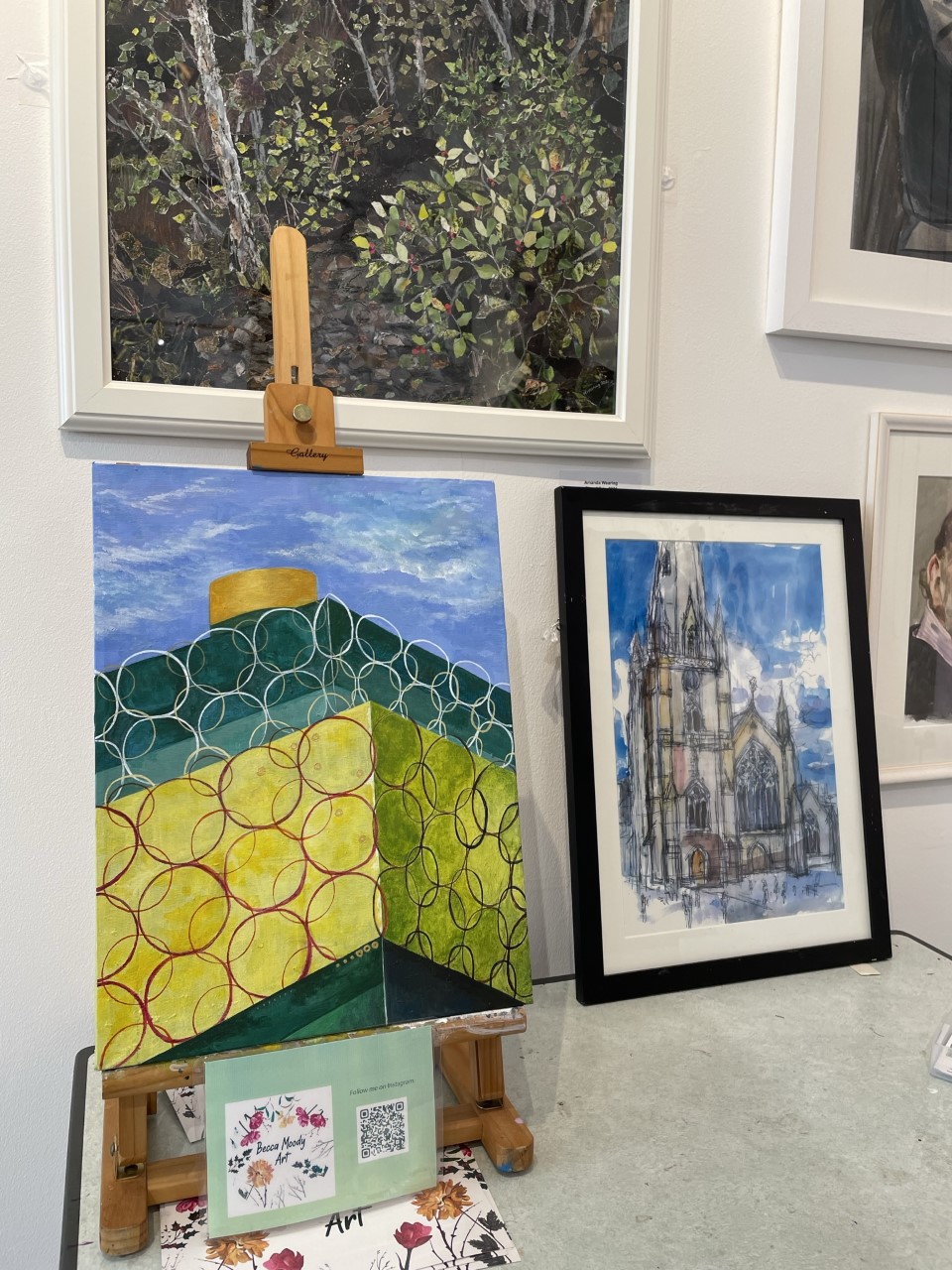
Restoration art is eco-art that actively helps heal damaged ecosystems. Artists work with scientists to create installations that provide wildlife habitat, improve water quality, or restore soil health.

It connects people with nature through elements like plants, natural light, and organic materials. Research shows this reduces stress, boosts creativity, and improves mental and emotional health.

Absolutely. Start with nature-inspired art paintings, sculptures from natural materials, or indoor plants. Even small changes – like adding organic textures or nature photography – can make a meaningful difference.
Common materials include wood, stone, leaves, branches, clay, natural pigments, recycled metals, and living plants. Artists typically source these locally and sustainably.
Contemporary artists use augmented reality, virtual reality, and AI to simulate natural environments in urban spaces. Some works respond in real time to environmental data like air quality or temperature.

How to Get Art Commissions: Platforms & Strategies That Work

art commissions

TL;DR – Key Takeaways

  • Build a professional portfolio with 10-15 strong pieces and establish an online presence across multiple platforms. 
  • Utilise commission platforms​​​​, for artists like ArtStation and DeviantArt, as well as social media, to connect with clients. 
  • Price strategically based on skill level, time investment, and market standards. 
  • Manage client relationships professionally with clear contracts and communication protocols.

What Are Art Commissions?

Art commissions are custom artworks created for clients based on their specific requests. These commissions involve a structured process including consultation, pricing, contracting, creation, revisions, and final delivery. Professional artists use commissions to build sustainable careers by creating personalised artworks for individual clients and businesses.

As a professional artist in today’s digital landscape, securing consistent work is both an art and a science. Whether you’re just starting your journey or looking to expand your existing client base, understanding how to get art commissions effectively can transform your creative passion into a sustainable career.

This comprehensive guide explores the multifaceted approach to finding and securing art commissions in the competitive creative freelancing marketplace. From building a compelling portfolio to leveraging social media platforms, networking within artistic communities, and implementing proven business strategies, we’ll cover everything you need to know about how to get art commissions online and thrive as a commissioned artist.

Digital artist working on tablet and laptop to create commissioned artwork for freelance illustration clients.

1. Building a Strong Portfolio

How to Build a Strong Commission Portfolio:

  1. Select 10-15 of your strongest, most cohesive pieces
  2. Display variety in subjects but maintain a consistent style
  3. Update your portfolio quarterly with your most recent work
  4. Organise by commission type (portraits, character art, etc.)

The foundation of learning how to get commissioned as an artist begins with a strong portfolio. Your portfolio serves as your visual CV and is often the first impression potential clients will have of your work. When curating your portfolio for getting art commissions:

  • Showcase only your most substantial pieces that represent your current skill level
  • Include a variety of work that demonstrates your versatility while maintaining a cohesive style
  • Update regularly with new pieces to show your progression and continued activity
  • Organise by categories if you work across multiple genres or media

Remember that quality trumps quantity. A focused collection of exceptional pieces is far more effective when learning how to get your first art commission than showcasing dozens of average works, because it allows potential clients to quickly assess your style, consistency, and technical ability.

A strong portfolio also plays a critical role in how to get art commissions, acting as proof of reliability and helping clients feel confident that you can deliver work that matches their expectations. Include finished pieces, close-ups that show detail, and examples similar to the type of commissions you want to attract.

How Many Samples Should Be in My Commission Portfolio?

For most artists, 10–15 high-quality pieces is the ideal range. This gives enough variety to demonstrate skill without overwhelming viewers or diluting your strongest work. When deciding what to include while learning how to start doing art commissions, prioritise:

  • Pieces that reflect the style you want to be hired for
  • Work that shows consistency across different subjects or briefs
  • Examples with strong composition, lighting, and finish
  • Recent work that reflects your current skill level

If you work across multiple niches (for example portraits, character design, and commercial illustration), consider grouping samples so clients can quickly find relevant examples — a simple step that can significantly improve your chances when figuring out how to get art commissions consistently.

Creating a Professional Online Presence

In today’s digital environment, understanding how to get art commissions online means establishing a polished online presence. This typically includes:

Creating professional online presence through artist website

Essential Elements for Artist Websites:

Component Purpose Best Practice
High-quality images Showcase artwork Use consistent lighting and resolution
Clear navigation Easy browsing Organise by commission type
Commission info Transparent pricing Include the process and timeline
Contact details Client accessibility Professional email address
Artist statement Personal branding Keep it concise and authentic

Consistent branding across platforms:

  • Recognisable profile pictures
  • Cohesive visual aesthetic
  • Consistent username/handle, where possible
  • Professional email address (ideally not a free provider)

The more professional your online presence appears, the more confidence clients will have when considering you for custom artwork services. A polished online presence is a foundational part of how to get art commissions, as it signals professionalism and shows potential clients that you approach your art business with care, clarity, and intention.

For artists focused on how to secure art commissions, presenting your work consistently across platforms helps build trust, reduces uncertainty for clients, and makes it easier for them to choose you for new projects.

2. Commission Platforms

Where Can I Find Commission Opportunities Online?

Top 5 Commission Platforms:

  1. ArtStation – Concept art, illustration commissions, entertainment industry
  2. DeviantArt – Established art community with built-in commission system
  3. Fiverr/Upwork – General freelance platforms with artist categories
  4. Etsy – Physical products and prints
  5. Ko-fi/Patreon – Subscription-based support with commission opportunities
Platform Best For Commission Type Audience
ArtStation Professional artists Concept art, illustration Industry professionals
DeviantArt All skill levels Fan art, original work Art enthusiasts
Fiverr Quick turnaround Logo design, portraits Small businesses
Etsy Physical products Prints, custom items General consumers
Ko-fi Ongoing support Personal commissions Dedicated followers

Each platform has its own unique audience and commission process. When learning how to get art commissions, research which commission platforms for artists best align with your particular style and target audience before investing significant time into building a presence there. This strategic approach to how to get art commissions online helps you focus on platforms where your style is most relevant, so you can build visibility among clients actively searching for artists rather than spreading your efforts too thin.

Taking this approach is a key part of getting commissioned as an artist, as it allows you to position your work more effectively, refine your outreach, and attract higher-quality opportunities for digital artist commissions that align with your skills and long-term goals.

Building Long-Term Visibility Beyond Platforms

Relying solely on commission platforms for artists can limit growth over time. Developing independent visibility helps strengthen your positioning when exploring how to get art commissions online and ensures your art business remains resilient as algorithms and platform trends change.

Develop Search-Friendly Content

Publishing articles, case studies, or process breakdowns allows potential clients to discover your work through search — a powerful complement to traditional platform exposure. This strategy supports artists looking for sustainable approaches to how to get art commissions while reinforcing credibility in digital artist commissions and illustration commissions.

Showcase Case Studies and Client Stories

Sharing detailed examples of past projects helps prospective clients understand your process and results. Demonstrating real outcomes builds confidence in your ability to deliver high-quality commissioned artwork, making it easier for clients to move forward with enquiries.

Artist capturing artwork photos on smartphone for social media promotion to attract art commissions and online clients.

Social Media Platforms for Artists

Social media has revolutionised how to get art commissions by allowing artists to build audiences and connect directly with potential clients. However, it’s worth noting that you can explore  how to get art commissions without social media as well  through commission platforms for artists and direct networking.

4 Most Effective Social Media Platforms:

  • Instagram – Visual showcase with process videos
  • Twitter/X – Networking with industry professionals
  • TikTok – Viral reach through process videos
  • Pinterest – Visual search discoverability

Consistency is key when using social media as part of your strategy for how to get art commissions. Regular posting, engaging with your audience, and using relevant hashtags significantly increase visibility to potential clients seeking commissioned artwork. For those wondering how to get art commissions with no audience, focus on quality content and strategic hashtag use to reach new viewers.

For a deeper look at optimising your socials, read our guide to using social media for artists.

3. Pricing Your Art Commissions

How Do I Set Prices for Art Commissions?

3 Pricing Methods:

  1. Hourly Rate Formula: (Hourly rate × estimated hours) + materials + overhead
  2. Flat Rate Pricing: Fixed prices based on commission complexity
  3. Market-Based Pricing: Competitive rates within your skill level and niche

For an in-depth guide, check out our full blog on pricing art commissions  –  and try our easy-to-use Art Commission Pricing Calculator to set fair rates and build confidence in your pricing. Sign up for free to access it!

Determining appropriate pricing is one of the most challenging aspects of learning how to get art commissions. Your pricing structure should consider:

  • Your skill level and experience
  • Time investment (consultation, sketching, revisions, finalisation)
  • Materials and overhead costs
  • Market standards for your niche
  • Value of your unique style and expertise

Common Pricing Mistake: Many artists start by underpricing their work. While competitive pricing is essential when first learning how to get your first art commission, severely undercharging devalues your work and leads to burnout.

Communicating Value to Clients

How to Justify Your Commission Prices:

  • Outline deliverables at different price points
  • Explain your process and time investment
  • Showcase quality and uniqueness
  • Provide testimonials from satisfied clients
  • Demonstrate professionalism in all communications

Understanding how to get commissioned as an artist means recognising that clients aren’t just paying for the final artwork – they’re investing in your unique vision, expertise, and professional experience. Effectively communicating this value is essential for any successful strategy on how to get art commissions and build a sustainable art business.

4. Marketing Strategies for Artists

Content marketing is a powerful tool when learning how to get art commissions. This approach involves creating valuable content that attracts potential clients to your work.

5 Effective Content Marketing Strategies:

  1. Process videos showing techniques
  2. Behind-the-scenes creative process content
  3. Tutorials related to your artistic speciality
  4. Case studies of past commission projects
  5. Articles about artistic influences or philosophy
Artist discussing commission contract details with client during professional meeting about custom artwork services.

By providing value through content, you position yourself as an expert and build trust with potential clients, a vital component of consistently mastering how to get art commissions fast.

Less Obvious Ways to Get Art Commissions

While social media and portfolios are essential, many artists overlook quieter but highly effective channels when learning how to get art commissions and build a sustainable art business. Exploring alternative pathways can help you stand out in a crowded market and attract clients who are actively searching for custom artwork services.

Build a Commission Waitlist

Creating a waitlist signals demand and professionalism — two factors that significantly influence how to get art commissions online. By opening limited commission slots and inviting interested clients to join a list, you create anticipation while ensuring a steady pipeline of enquiries. This approach is particularly effective for artists working in digital artist commissions and illustration commissions, where demand often fluctuates.

Engage Niche Communities

Participating in niche communities — such as tabletop gaming groups, indie publishing circles, or pet owner forums — can accelerate how to get commissioned as an artist by connecting you directly with audiences who already value commissioned artwork. These environments often generate higher-quality leads than broad platforms because members are actively seeking specialised creative support.

Offer Limited-Time Commission Events

Hosting themed commission events (for example seasonal portrait days or character sketch sessions) provides a low-barrier entry point for new clients. This tactic not only supports creative freelancing growth but also helps artists experimenting with how to get art commissions fast generate momentum and build a portfolio of client work quickly.

Email Marketing and Newsletters

Building an email list is one of the most overlooked strategies for artists learning how to get art commissions. Unlike social media algorithms, email provides direct access to interested followers. This is particularly valuable for those exploring how to get art commissions without social media.

Email Marketing Best Practices:

  • Offer digital incentives for subscribing
  • Send regular commission availability updates
  • Feature recent work and testimonials
  • Provide exclusive content or early access

Your email subscribers have already expressed interest in your work, making them one of the most reliable audiences to nurture when exploring how to get art commissions online, as you can share updates, availability, and new work directly without relying on platform algorithms. This direct connection also supports your broader strategy for how to get art commissions, helping you build long-term relationships that lead to repeat clients and referrals.

Artist discussing commission contract details with client during professional meeting about custom artwork services.

5. Client Relationships and Communication

What Should Be in a Commission Contract?

Essential Contract Elements:

  1. Deliverables – What the client receives
  2. Timeline – Project milestones and deadlines
  3. Payment terms – Amount, schedule, method
  4. Revision policy – Number of changes included
  5. Usage rights – How the client can use the artwork
  6. Cancellation terms – Refund and ownership policies

Mastering how to get art commissions isn’t just about finding new clients — it’s about creating positive experiences that generate repeat work, testimonials, and referrals. A clear contract sets expectations from the start, reduces misunderstandings, and shows professionalism, which builds trust and makes clients more likely to recommend you. Clear, professional communication is crucial when you’re learning how to start doing art commissions and building your creative freelancing career.

Handling Revisions and Feedback

Professional Revision Management:

  • Build specific revision rounds into pricing
  • Define revision vs. complete direction change
  • Respond to feedback professionally
  • Use feedback to improve the process

Managing the revision process significantly impacts your reputation and ability to secure future work. Artists who handle feedback thoughtfully are far more likely to build long-term relationships — a key factor in consistently attracting digital artist commissions and illustration commissions. Strong client relationships turn one-off projects into ongoing opportunities, directly supporting your broader strategy for how to get art commissions over time.

Turning Clients into Repeat Commission Sources

Understanding how to get art commissions isn’t only about attracting new enquiries — it’s also about creating systems that encourage repeat work and referrals. Artists who treat each project as the beginning of a long-term relationship often build more stable income streams within their creative freelancing practice.

Create a Post-Project Follow-Up Process

Sending a thoughtful follow-up message after delivering commissioned artwork reinforces professionalism and keeps you top of mind. This simple habit supports how to get art commissions online by increasing the likelihood of testimonials, repeat bookings, and word-of-mouth recommendations.

Offer Priority Booking for Past Clients

Giving previous clients early access to new commission openings is an effective strategy for strengthening loyalty and sustaining demand. This approach helps artists refining how to get commissioned as an artist maintain consistent workflows while reducing time spent on outreach.

Build a Referral Loop

Encouraging satisfied clients to recommend your custom artwork services can dramatically accelerate growth. Referral systems are among the most reliable art commission tips because they leverage trust — one of the strongest drivers of decision-making in creative hiring.

6. Networking and Community Building

The art world thrives on connections, making networking a vital component of how to get art commissions. Effective networking strategies include:

7 Effective Networking Strategies:

  1. Participate in online art communities
  2. Join professional organisations
  3. Attend virtual and in-person events
  4. Collaborate with other artists
  5. Support fellow artists’ work
  6. Engage in social media discussions
  7. Share knowledge and resources
Group of artists collaborating in studio, creating artwork together and building community for art commissions and creative networking.

These connections not only provide direct opportunities but also create a support network of peers who understand the challenges of mastering how to get commissioned as an artist in today’s competitive landscape. This is especially helpful when learning how to get art commissions with no audience.

Collaborations and Partnerships

Strategic collaborations open new doors when exploring how to get art commissions online. Consider partnering with:

  • Complementary artists (character + background artists)
  • Small businesses that need visual assets
  • Authors seeking illustrators
  • Game developers that require artwork
  • Content creators that need unique visuals

These collaborations help you expand your network and introduce your work to new audiences who may not have discovered you otherwise, making them an effective strategy when exploring how to get art commissions and promoting your custom artwork services.

7. Specialisation vs. Versatility

When learning how to get art commissions, a vital consideration is whether to specialise in a particular style or subject matter.

Benefits of Specialisation:

  • Recognition as a niche expert
  • Higher prices for specialised skills
  • Clearer marketing message
  • Enhanced efficiency through focused practice

Becoming known for a specific type of art – pet portraits, character design, or architectural illustration – can make it easier for clients seeking that particular style to find you, streamlining how to get art commissions fast in your chosen niche.

Benefits of Versatility:

  • Broader client appeal
  • Multiple income streams
  • Adaptability to market changes
  • Reduced dependency on a single niche

The key is finding the right balance between being recognised for a particular strength and remaining flexible enough to adapt to various client needs – an ongoing consideration when refining your approach to how to get art commissions through creative freelancing.

Freelance creative reviewing charts and business strategy documents on computer while planning art commission pricing and growth strategy.

8. Managing Your Commission Business

Learning how to get art commissions is only the first step – you must also manage them efficiently. Establish professional practices such as:

Essential Business Systems:

  1. Structured intake process for new commissions
  2. Contract templates for different types
  3. Project management system for an organisation
  4. Communication protocols for consistency
  5. File delivery methods for sharing the final product

These systems improve your efficiency and enhance the client experience, leading to more referrals and repeat business — both of which are essential for building long-term momentum in how to get art commissions online and managing commissioned artwork professionally.

Managing Time and Workload

Balancing multiple commissions while maintaining quality requires effective time management. When exploring how to start doing art commissions sustainably, consider:

Sustainable Workload Management:

  • Realistic timeline estimation
  • Buffer time for unexpected challenges
  • Limited commission slots to prevent overcommitment
  • Dedicated administrative time
  • Work-life balance boundaries

Burnout is a significant risk for commission artists, making workload management an essential component of learning how to get art commissions as a sustainable career rather than a short-term opportunity. These art commission tips are essential for long-term success.

9. Expanding Your Commission Offerings

As you become more experienced with how to get commissioned as an artist, consider expanding your offerings to include:

Commission Expansion Options:

  1. Size/complexity variations
  2. Digital and physical formats
  3. Merchandise featuring artwork
  4. Limited edition collections
  5. Commercial licensing options

Diversification creates multiple income streams and appeals to clients with varying budgets and needs, an important strategy for artists seeking to master how to get art commissions as their primary income source through digital artist commissions and custom artwork services.

Scaling Your Commission Business

Scaling becomes the next challenge for artists who have managed how to get their first art commission. Options for growth include:

Growth Strategies:

  • Increase rates as demand grows
  • Create tiered pricing systems
  • Offer premium rush options
  • Develop passive income streams
  • Build a team for larger projects

The path from individual commissions to a sustainable art business requires strategic thinking about how to get art commissions online that align with your long-term vision and goals.

Conclusion

Mastering how to get art commissions is a multifaceted process that combines artistic skill with marketing acumen, business savvy, and interpersonal communication. Though the journey can feel overwhelming, learning how to get commissioned as an artist becomes much more achievable when you tackle it step by step.

Key Success Factors:

  • Consistent skill improvement and portfolio updates
  • Regular audience engagement across platforms
  • Professional business practices and client communication
  • Strategic pricing and value communication
  • Ongoing adaptation to market changes

Understanding how to get art commissions isn’t a one-time process but an ongoing process of growth and adaptation. Clients are actively seeking the unique value you offer, and by implementing these art commission tips, you’ll be well-equipped to connect with them and build a fulfilling career doing what you love.

The most successful commission artists never stop learning how to get art commissions online more effectively, constantly refining their approach based on experience and evolving market conditions. With determination, professionalism, and strategic thinking, you can transform your artistic talents into a thriving commission-based business by mastering how to get art commissions through various commission platforms for artists and creative freelancing opportunities.

Whether you’re exploring how to get your first art commission, figuring out how to start doing art commissions, or trying to understand how to get art commissions with no audience, this guide is designed to walk you through practical steps you can apply at every stage of your journey. We also cover strategies for how to get art commissions without social media, as well as ways to build momentum if you’re looking at how to get art commissions fast, so you can choose an approach that fits your style, availability, and goals.

By combining portfolio development, platform strategy, pricing guidance, and client management, you’ll gain a clearer path to building confidence and consistency in digital artist commissions, illustration commissions, and creating meaningful commissioned artwork that supports long-term growth.

Frequently Asked Questions About Getting Art Commissions

A good starting formula is: (hourly rate × estimated hours) + materials + revisions. Adjust based on experience and market. Beginner artists typically charge $15-50 per hour, while experienced professionals charge $50-200+ per hour.

ArtStation, DeviantArt, Fiverr, Etsy, Ko-fi, and Patreon each serve different client types. Choose commission platforms for artists that match your style and target audience. Most successful artists use 2–3 platforms simultaneously for digital artist commissions. Focusing on a small number of well-aligned platforms allows you to build consistency and momentum in how to get art commissions, rather than diluting your efforts across too many channels.

Provide a written agreement outlining deliverables, timeline, payment schedule, revision terms, and usage rights before starting any project. This protects both artist and client when offering custom artwork services.

Simple approach: Send a follow-up email 1-2 weeks after delivery, asking: “Would you mind sharing a brief testimonial about your experience? I’d love to feature your feedback on my website.” Most satisfied clients are happy to help.

Most artists see consistent commissions within 6-12 months of actively marketing their services. Success depends on portfolio quality, marketing consistency, and niche demand. Following these art commission tips can help accelerate this timeline.

Key Takeaways

Essential Foundations:

  • Build a portfolio of 10-15 high-quality pieces that showcase your best work and consistent style.
  • Establish a professional online presence with a cohesive brand across multiple platforms.
  • Select the right commission platforms for artists that align with your style and target audience.

Pricing and Value:

  • Calculate prices using hourly rates, time investment, materials, and market standards.
  • Communicate your unique value beyond just the final artwork.
  • Avoid underpricing your work, which leads to burnout and devalues your expertise.

Marketing and Growth:

  • Leverage multiple channels, including social media, email marketing, and content creation.
  • Build genuine connections through networking, collaborations, and community engagement.
  • Consider both how to get art commissions online and offline networking opportunities.

Professional Practices:

  • Use clear contracts that outline deliverables, timelines, payment terms, and usage rights.
  • Develop systems for intake, communication, project management, and file delivery.
  • Manage your workload sustainably to prevent burnout while maintaining quality.

Long-term Success:

  • Balance specialisation in a niche with versatility to adapt to market changes.
  • Focus on creating positive client experiences that generate referrals and repeat business.
  • Continuously refine your approach to how to get commissioned as an artist based on experience and market evolution.
  • Expand offerings and scale strategically as your art business grows.

Whether you’re learning how to get your first art commission or scaling an established creative freelancing career, success comes from combining artistic excellence with professional business practices, strategic marketing, and genuine client relationships.

Art Experimentation: Exploring Alternative Media & Creative Frontiers

Art experimentation is transforming the contemporary art landscape through innovative techniques, alternative materials, and cutting-edge technologies. From bio-art and VR installations to AI-generated compositions and process-based art, artists are pushing creative boundaries and redefining artistic expression. This comprehensive guide explores experimental art practices, key techniques, challenges, and the future of creative experimentation in the art world.

Table of Contents

  1. What is Art Experimentation?
  2. The Evolution of Artistic Expression Through Experimentation
    • Renaissance Innovation and Scientific Art Experimentation
    • Modern Art Movements Born from Experimentation
  3. Contemporary Alternative Art Media and Experimentation
    • Digital Art as a Form of Experimentation
    • Immersive Technologies: VR and AR in Art
    • Interactive Installations and Audience Participation
    • Bio-Art and Living Materials
    • Environmental and Land Art Experimentation
    • Sound Art and Audio Experimentation
  4. Top 5 Techniques in Art Experimentation
  5. Techniques and Approaches in Contemporary Art Experimentation
    • Cross-Disciplinary Collaboration
    • Process-Based Art Experimentation
    • Chance and Randomness
  6. Challenges and Considerations
  7. The Role of Technology in Modern Art Experimentation
  8. Community and Collaboration
  9. Educational Approaches
  10. The Future of Art Experimentation
  11. Key Takeaways
  12. Frequently Asked Questions

Art experimentation drives some of the most exciting changes in today’s art world. From virtual reality installations to bio-art, artists are pushing the boundaries of traditional materials, exploring radical new techniques, and redefining what art can be. As contemporary creators continue challenging conventional boundaries through creative experimentation and exploratory art practice, artistic experimentation has become the driving force behind some of our time’s most innovative and thought-provoking works. Through studio experimentation and experimenting with art styles, artists are discovering unprecedented forms of creative experimentation.

What is Art Experimentation?

Art experimentation is the practice of testing new materials, techniques, or ideas in art-making. It challenges traditional practices to create unique, often unexpected forms of creative experimentation and expression. This approach involves stepping beyond established methods through visual experimentation and exploratory art practice to discover novel ways of expressing ideas and creating aesthetic experiences. Whether through contemporary global art trends or pushing artistic extremes, experimenting with art styles has become central to modern artistic experimentation and art exploration.

The Evolution of Artistic Expression Through Experimentation

Art experimentation has always been at the heart of artistic evolution. Throughout history, artists have continuously sought new ways to express their ideas, emotions, and observations about the world around them through experimental art practices. What we consider traditional mediums today—oil painting, marble sculpture, and watercolour—were once revolutionary innovations that challenged the artistic norms of their time.

Renaissance Innovation and Scientific Art Experimentation

The Renaissance period marked a significant era of art experimentation, with masters like Leonardo da Vinci not only perfecting traditional techniques but also inventing new ones. Da Vinci’s scientific approach to art, anatomical studies, and innovative use of sfumato technique demonstrate how artistic experimentation and visual experimentation can lead to breakthrough moments that define artistic movements. This period established the foundation for studio experimentation as a legitimate artistic practice.

Modern Art Movements Born from Experimentation

In the 20th century, movements like Cubism, Surrealism, and Abstract Expressionism emerged from artists’ desire to engage in creative experimentation with form, colour, and concept. Pablo Picasso’s collages introduced everyday materials into fine art, while Jackson Pollock’s action paintings revolutionised art exploration through new approaches to abstract composition and process-based art. These examples show how art experimentation continues to reshape our understanding of artistic possibility, influencing everything from painting genres and styles to modern home decor.

Contemporary Alternative Art Media and Experimentation

Today’s artists have access to an unprecedented array of materials, technologies, and platforms for art experimentation. The digital age has opened doors to entirely new forms of artistic experimentation and art exploration unimaginable decades ago.

1. Digital Art as a Form of Experimentation

Digital art represents one of the most significant areas of art experimentation in the contemporary art world. Artists use computers, software, and digital tools to create works purely in virtual space or innovatively combine digital and physical elements through visual experimentation and exploratory art practice. This form of creative experimentation has transformed how we think about creative alternative art.

Key characteristics of digital art experimentation:

  • Software-based creation: Artists use programmes like Adobe Creative Suite, Processing, and TouchDesigner for visual experimentation
  • Generative systems: Algorithms create autonomous artworks through process-based art approaches
  • Hybrid approaches: Combining traditional and digital techniques for unique experimentation with art styles
  • NFT integration: Blockchain technology creates new markets for digital experimental art practices

2. Immersive Technologies: VR and AR in Art

Virtual reality (VR) and augmented reality have become powerful tools for art experimentation, allowing artists to create immersive experiences that transport viewers into entirely new worlds. Artists like Laurie Anderson and Jon Rafman have pioneered VR technology to develop narrative-driven art experiences that blur the lines between storytelling, gaming, and traditional visual art through experimental art practices.

3. Interactive Installations and Audience Participation

Interactive installations represent another frontier in art experimentation, where viewers actively participate in the artistic experience through process-based art. These works often incorporate sensors, cameras, and computer programmes that respond to human movement, touch, or voice, creating dynamic artworks that change based on audience interaction—a perfect example of experimenting with art styles in contemporary practice.

Examples of interactive installation techniques:

  • Motion sensors that trigger visual or audio responses in studio experimentation
  • Touch-sensitive surfaces that alter the artwork’s appearance through visual experimentation
  • Voice-activated elements that respond to audience participation in creative experimentation
  • Biometric sensors measuring heart rate or brain activity for exploratory art practice

4. Bio-Art and Living Materials

One of the most controversial and fascinating areas of art experimentation involves using living materials and biological processes. Bio-artists work with bacteria, plants, genetic material, and even living tissue to create artworks that grow, evolve, and decay over time through process-based art and exploratory art practice.

Eduardo Kac’s transgenic art, including his famous “GFP Bunny” project, represents a radical form of artistic experimentation that raises questions about genetic modification, ethics, and the boundaries between art and science. Similarly, artists like Suzanne Anker and Adam Zaretsky work with biological materials to create installations that challenge our understanding of life, death, and transformation through visual experimentation.

This type of art experimentation requires artists to collaborate with scientists, learn laboratory techniques, and grapple with complex ethical questions about manipulating living organisms for artistic purposes. It represents the pinnacle of studio experimentation, meeting scientific inquiry.

5. Environmental and Land Art Experimentation

Environmental art and land art represent forms of art experimentation that work directly with natural materials and landscapes, drawing inspiration from art inspired by nature. Artists like Andy Goldsworthy create temporary sculptures using only natural materials found on-site – stones, leaves, ice, sand – that are documented photographically before returning to nature through process-based art.

Large-scale land art projects like Robert Smithson’s “Spiral Jetty” or Walter De Maria’s “The Lightning Field” demonstrate how creative experimentation can transform entire landscapes into artistic experiences. These works challenge traditional notions of the gallery space and art ownership, as they often exist in remote locations and change over time due to natural processes – exemplifying exploratory art practice at its finest.

6. Sound Art and Audio Experimentation

Sound art represents a rich field for art experimentation that extends beyond traditional music into the realm of pure sonic experience. Artists like Janet Cardiff create sound walks that overlay historical audio onto present-day locations, while composers like John Cage pioneered chance-based composition techniques that challenged conventional musical structures through experimental art practices.

Sound experimentation involves unconventional instruments, found sounds, field recordings, and electronic manipulation through visual experimentation of sonic landscapes. The rise of digital audio workstations and sound processing software has democratised sound art, allowing artists to create complex sonic landscapes without traditional musical training, making studio experimentation more accessible than ever.

Top 5 Techniques in Art Experimentation

Key techniques in creative experimentation include:

  • Cross-disciplinary collaboration – Working with scientists, programmers, engineers, and other specialists to push boundaries in artistic experimentation
  • Chance-based creation – Using random elements and algorithms to guide artistic decisions in process-based art
  • Use of unconventional materials – Incorporating bacteria, data, light, or digital code as artistic mediums through exploratory art practice
  • Technology integration – Employing AI, VR, sensors, and advanced fabrication tools for visual experimentation
  • Time-based and process-driven approaches – Creating works that evolve, decay, or change over time through experimenting with art styles

Techniques and Approaches in Contemporary Art Experimentation

Successful art experimentation requires both technical skill and conceptual innovation. Artists must master new tools and technologies while developing unique artistic voices that justify their chosen mediums through creative experimentation and mindful artistic practice.

1. Cross-Disciplinary Collaboration in Art Experimentation

Modern art experimentation often requires collaboration between artists and experts from other fields. Digital artists work with programmers, bio-artists collaborate with scientists, and installation artists partner with engineers and fabricators. This collaborative approach reflects the complex nature of contemporary experimental art practices and the specialised knowledge required to work with advanced technologies, similar to how diversity and inclusivity in art bring multiple perspectives together.

Benefits of cross-disciplinary collaboration:

  • Access to specialised technical expertise for studio experimentation
  • Novel perspectives that challenge conventional approaches in visual experimentation
  • Shared resources and equipment for creative experimentation
  • Enhanced problem-solving through diverse skill sets in exploratory art practice

2. Process-Based Art Experimentation

Many forms of art experimentation focus on process-based art rather than final products. Process-based art emphasises the act of creation, the development of systems, and the documentation of change over time through exploratory art practice. This approach challenges traditional notions of the art object and questions what constitutes a finished artwork.

Performance art is an extreme form of process-based art and studio experimentation in which the artist’s body and actions become the medium. Artists like Marina Abramović have pushed the boundaries of endurance, vulnerability, and human connection through performances lasting hours, days, or even months—exemplifying artistic experimentation at its most visceral.

3. Chance and Randomness in Art Experimentation

Incorporating chance operations and random elements has been a significant aspect of art experimentation since the mid-20th century. From John Cage’s I Ching-based compositions to contemporary artists using computer algorithms to generate visual art, randomness can introduce unexpected elements that push creative experimentation in new directions.

Generative art, created through autonomous systems and algorithms, represents a contemporary form of art experimentation that explores the relationship between human creativity and machine processes through visual experimentation. Artists programme systems that create artworks independently, raising questions about authorship, creativity, and the artist’s role in the creative process—a fascinating exploration of experimenting with art styles in the digital age.

Challenges and Considerations in Art Experimentation

Art experimentation with alternative media has unique challenges that artists must navigate carefully through thoughtful exploratory art practice.

1. Technical Complexity

Experimenting with new technologies or unconventional materials often demands skills that go beyond traditional studio training. Artists must invest time learning new skills, understanding equipment limitations, and troubleshooting technical problems. This technical complexity can sometimes overshadow conceptual development, leading to works that are technically impressive but conceptually weak—a risk in any experimental art practices.

Common technical challenges include:

  • Steep learning curves for new software and hardware in visual experimentation
  • Equipment failures and technical malfunctions during creative experimentation
  • Limited access to specialised tools and facilities for artistic experimentation
  • Rapidly evolving technology requires constant skill updates in studio experimentation

2. Preservation and Documentation

Many forms of art experimentation create works that are ephemeral, interactive, or dependent on specific technologies. Preserving these works for future generations presents significant challenges for museums, collectors, and art historians. Time-based media, software-dependent works, and biological art require specialised preservation strategies, much like antique picture framing requires specific conservation approaches. Understanding art framing in interior design can help with proper preservation.

3. Ethical Considerations

Some experimental practices-particularly bio-art and works involving living organisms-raise complex ethical questions that artists must carefully consider.Artists must consider the welfare of living organisms, the implications of genetic modification, and the potential societal impacts of their work. These moral considerations require careful thought and often consultation with ethicists and scientific review boards.

4. Market and Institutional Support

The art market and traditional art institutions sometimes struggle to accommodate experimental art practices. Works that can’t be easily collected, displayed, or sold face challenges in finding support and audiences. However, alternative spaces, online platforms, and new funding models are emerging to support art experimentation. Understanding creative painting display ideas and art lighting tips can help experimental works find their place in traditional and contemporary spaces.

The Role of Technology in Modern Art Experimentation

Technology has become an indispensable tool for art experimentation in the 21st century. From simple digital tools to complex artificial intelligence systems, technology offers artists new ways to create, manipulate, and present their work through creative experimentation and visual experimentation.

1. Artificial Intelligence and Machine Learning

AI and machine learning represent the cutting edge of art experimentation in the digital realm. Artists are training neural networks on artistic datasets, creating algorithms to generate novel visual compositions, and exploring the creative potential of machine intelligence through experimental art practices.

Projects like Google’s DeepDream, which uses neural networks to generate surreal imagery, have inspired artists to explore the aesthetic possibilities of machine vision. Artists like Mario Klingemann and Helena Sarin have developed sophisticated AI systems that create artworks independently.These practices challenge long-held ideas about authorship, creativity, and the role of the artist in an age of intelligent systems.

AI applications in art experimentation:

  • Neural style transfer for unique visual experimentation
  • Generative adversarial networks (GANs) create original imagery through process-based art
  • Text-to-image generation for creative experimentation
  • Machine learning pattern recognition in exploratory art practice

2. 3D Printing and Digital Fabrication

Digital fabrication technologies have revolutionised art experimentation by allowing artists to create complex three-dimensional forms that would be impossible to produce by hand. 3D printing, laser cutting, and CNC milling enable artists to translate digital designs into physical objects with precision and repeatability through studio experimentation.

This technology has been particularly transformative for sculptors and designers who can now create intricate geometries, impossible structures, and customised forms through exploratory art practice. Artists like Joshua Harker and Bathsheba Grossman have pushed the boundaries of what’s possible with 3D printing, creating sculptures at the intersection of art, mathematics, and engineering—perfect examples of experimenting with art styles through technology.

3. Virtual and Augmented Reality in Art Experimentation

VR and AR technologies offer unprecedented opportunities for art experimentation by creating entirely new spaces for artistic experience. These technologies allow artists to construct virtual worlds, overlay digital information onto physical spaces, and create immersive narratives that engage multiple senses through process-based art and visual experimentation.

The COVID-19 pandemic accelerated interest in virtual art spaces, with museums and galleries creating online exhibitions and artists developing VR experiences for remote audiences. This shift has highlighted the potential of digital technologies to make art more accessible while opening new avenues for art experimentation and creative experimentation.

Community and Collaboration in Art Experimentation

Art experimentation increasingly takes place within communities of practice that share knowledge, resources, and technical expertise through exploratory art practice. Maker spaces, fab labs, and artist collectives provide infrastructure and support for experimental art practices that individual artists might find impossible to pursue independently, similar to how traditional crafts rely on community knowledge sharing.

Online communities and open-source software have democratised access to tools and knowledge, allowing artists worldwide to participate in art experimentation regardless of their geographic location or institutional affiliation. Platforms like GitHub, where artists share code and collaborate on digital projects, exemplify how art experimentation has become increasingly collaborative and networked.

Key community resources for art experimentation:

  • Maker spaces and fab labs offering studio experimentation facilities
  • Online forums and Discord servers for creative experimentation discussions
  • Open-source software communities supporting visual experimentation
  • Artist residencies fostering exploratory art practice

Educational Approaches to Art Experimentation

Art schools and educational institutions are adapting curricula to support art experimentation across disciplines through studio experimentation. Cross-disciplinary programmes that combine art with science, technology, and other fields are becoming more common, reflecting the interdisciplinary nature of contemporary experimental art practices and artistic experimentation.

Residency programmes at institutions like MIT’s Centre for Art, Science & Technology and the Eyebeam Art + Technology Centre provide artists access to advanced facilities and expert collaborators, fostering art experimentation that might not be possible in traditional studio settings. These programmes support creative experimentation and exploratory art practice at the highest levels.

The Future of Art Experimentation

As we look toward the future, art experimentation will become even more diverse and technologically sophisticated through continued visual experimentation and experimentation with art styles. Emerging technologies like quantum computing, advanced materials science, and biotechnology will create new possibilities for artistic expression through experimental art practices.

Climate change and environmental concerns are also shaping art experimentation, with artists increasingly focusing on sustainable materials and practices. This ecological consciousness drives innovation in bio-based materials, renewable energy systems for art installations, and artworks that actively contribute to environmental restoration—connecting to themes explored in art inspired by nature.

Future trends in art experimentation:

  • Sustainable and eco-friendly practices integrating environmental consciousness into studio experimentation
  • Brain-computer interfaces enabling direct neural control of artworks through creative experimentation
  • Quantum computing applications for unprecedented computational visual experimentation
  • Advanced biomaterials are creating living, responsive artworks through process-based art
  • Decentralised platforms democratising access to exploratory art practice

Art experimentation will continue challenging our understanding of what art can be and do through creative experimentation and process-based art. As the boundaries between art, science, technology, and daily life continue to blur, artists will find new ways to engage with pressing social, political, and environmental issues through exploratory art practice. The influence extends even to street art and community-based practices.

Key Takeaways

  • Art experimentation encompasses visual experimentation, process-based art, and exploratory art practice across multiple disciplines.
  • Creative experimentation and experimental art practices drive innovation in contemporary art through technology, collaboration, and unconventional materials.
  • Artistic experimentation challenges traditional boundaries and creates new possibilities for expression through studio experimentation.
  • Experimenting with art styles requires balancing technical mastery with conceptual depth and ethical considerations.
  • The future of art exploration lies in sustainable practices, emerging technologies, and interdisciplinary collaboration.
  • Understanding how experimental works can be presented through colour psychology, lighting, and balancing paintings with interior design helps make experimental art more accessible and engaging in everyday spaces.
  • Regional art scenes, like in Leeds, demonstrate how experimental art practices flourish in diverse communities.
  • Technology serves as both a tool and a medium for contemporary art experimentation.
  • Collaboration across disciplines enriches artistic experimentation and expands creative possibilities.
  • Process-based art emphasises the journey of creation as much as the outcome.

Conclusion

Art experimentation represents the vital, evolving edge of contemporary artistic practice through creative experimentation, visual experimentation, and process-based art. By embracing alternative media, new technologies, and unconventional approaches through exploratory art practice, artists continue to expand the possibilities of artistic experimentation and challenge audiences to see the world in new ways.

The future of art experimentation lies not just in technological advancement but in the thoughtful integration of new tools with meaningful concepts and human experience through studio experimentation and experimenting with art styles. As artists continue to push creative boundaries through experimental art practices, they remind us that art’s most significant power lies in its ability to imagine new realities and inspire us to think differently about our world.

Whether working with cutting-edge technology or ancient materials in new ways, contemporary artists engaged in art experimentation and art exploration are writing the following chapters in art’s long history of innovation and discovery. Their work ensures that art remains a vital, dynamic force for creativity and critical thinking—extending from large-scale paintings to innovative kitchen wall art, and from cultural heritage representation to creating visual depth in small spaces.

Understanding how to display and present experimental works-through framing considerations, room colour schemes, matching paintings with room decor, and artwork and furniture pairing-ensures that creative experimentation reaches wider audiences. As trends in interior decor continue to evolve, experimental works—from large-scale paintings to enhancing interiors with wall art-demonstrate how art can meaningfully transform everyday spaces.

FAQs

Art experimentation involves exploring new techniques, materials, concepts, and approaches to artistic experimentation and creation. It consists of stepping beyond traditional or established methods through visual experimentation and exploratory art practice to discover novel ways of expressing ideas and creating aesthetic experiences. Art experimentation can include anything from trying unconventional materials like bacteria or computer code to developing new techniques for applying traditional materials through studio experimentation and creative experimentation.

An art experience, or experiential art, refers to artworks designed to provide immersive, participatory experiences rather than passive observation through process-based art. These works often involve art experimentation with interactive technologies, environmental installations, or performances that engage multiple senses and invite audience participation through experimental art practices. Examples include virtual reality art installations, interactive digital sculptures, and site-specific works that respond to their environment through experimenting with art styles.

Experimenting in art means actively testing new ideas, techniques, materials, or concepts without being sure of the outcome through creative experimentation and exploratory art practice. Art experimentation involves a willingness to fail, learn from mistakes, and iterate on ideas through studio experimentation. It can mean combining unlikely materials, using familiar materials unexpectedly, or applying techniques from other disciplines to artistic experimentation. The experimental process through visual experimentation is often as necessary as the final result in process-based art.

Examples of experimental art span many media and approaches through art experimentation:

  • Bio-art: Eduardo Kac’s genetically modified fluorescent rabbit
  • Digital art: Casey Reas’s software-generated visual compositions through visual experimentation
  • Sound art: Janet Cardiff’s audio walks and sound installations
  • Land art: Andy Goldsworthy’s temporary natural sculptures through process-based art
  • Interactive installations: Rafael Lozano-Hemmer’s pulse-responsive environments
  • AI art: Mario Klingemann’s neural network-generated portraits through creative experimentation
  • Performance art: Marina Abramović’s endurance-based performances
  • Video art: Bill Viola’s slow-motion video installations

​​Each represents art experimentation that has pushed the boundaries of traditional artistic experimentation through exploratory art practice.

Art experimentation techniques include various experimental art practices:

  • Cross-disciplinary collaboration: Working with scientists, programmers, or engineers for creative experimentation
  • Material exploration: Testing unconventional materials like bacteria, data, or light through visual experimentation
  • Process documentation: Recording and analysing creative processes in studio experimentation
  • Chance operations: Using random elements to guide creative decisions in process-based art
  • Technology integration: Incorporating digital tools, sensors, or AI systems
  • Site-specific creation: Making work that responds to particular locations through exploratory art practice
  • Time-based approaches: Creating works that change over time
  • Audience interaction: Designing works that require viewer participation through experimenting with art styles

Experimental art forms that involve significant art experimentation include:

  • Digital and new media art: VR experiences, interactive installations, generative art through visual experimentation
  • Bio-art: Working with living materials and biological processes through process-based art
  • Sound art: Sonic sculptures, audio environments, experimental music
  • Performance art: Live, time-based works using the artist’s body or actions in studio experimentation
  • Land art: Large-scale works created in natural environments through exploratory art practice
  • Conceptual art: Idea-based works that prioritise concept over traditional craft
  • Video art: Moving image works that explore the medium’s unique properties through creative experimentation

Installation art: Three-dimensional environments that transform spaces through artistic experimentation

Abstract art is a fundamental form of experimentation that emerged in the early 20th century through creative experimentation. Artists like Wassily Kandinsky and Piet Mondrian experimented with pure form, colour, and composition through visual experimentation, moving away from representational imagery. Modern abstract art continues this tradition of art experimentation by exploring new materials, techniques, and concepts while focusing on formal elements rather than recognisable subjects through process-based art and experimenting with art styles.

Chance operations have been crucial to art experimentation since artists like John Cage began using I Ching hexagrams to make compositional decisions through experimental art practices. Incorporating randomness through creative experimentation can lead to unexpected discoveries, break habitual patterns, and introduce elements that the artist might not have consciously considered in their studio experimentation. Contemporary art experimentation with AI and generative systems continues this tradition of using chance as a creative tool through exploratory art practice and visual experimentation.

Contemporary art has embraced experimentation as a core principle, with artists regularly working across multiple disciplines and media through experimental art practices. The modern art world values innovation, concept, and pushing boundaries through artistic experimentation over traditional technical skill alone. This has led to the acceptance of video, installation, performance, and digital art as legitimate artistic practices, all of which emerged from art experimentation, creative experimentation, and process-based art approaches.

Technology has become integral to art experimentation in the 21st century through visual experimentation and studio experimentation. Digital tools allow artists to create works impossible with traditional materials through creative experimentation, while technologies like AI, VR, and biotechnology open entirely new creative possibilities for exploratory art practice. However, successful art experimentation with technology requires balancing technical innovation with meaningful artistic content and human experience through thoughtful artistic experimentation and experimenting with art styles.

About the Author

John Sewell

John Sewell is the founder of Cosimo and holds a Master’s Degree in History of Art from the University of Birmingham. He built Cosimo to give emerging artists fair, transparent ways to reach collectors directly. He was also shortlisted for the Great British Entrepreneur Awards. His background in art, creative entrepreneurship and digital marketplaces informs his writing on artist development, accessible art, and the future of online art sales.

Sustainability in Art: Eco-Friendly Practices and Green Initiatives in 2026

sustainability in art

Sustainability in Art is becoming increasingly important, especially as more artists turn their creative practices into a reflection of their values. Eco art blends imagination with environmental awareness, showing how recycled materials, non-toxic paints, and mindful techniques can protect the planet while still delivering powerful expression.

In this blog, we delve into the significance of sustainability in art and explore why incorporating eco-friendly elements is of substantial importance to artists in 2026.

Sustainability in Art by Incorporating Sustainable Materials 

Artists today are redefining creativity by embracing sustainable materials and methods in their work. Let’s look at how they make a difference by incorporating eco-friendly practices.

A. Artists Utilising Recycled and Upcycled Materials in 2026

Recycled materials encompass items processed and transformed back into raw materials for reuse. In contrast, upcycled materials involve a creative renaissance, breathing new life into discarded items and elevating them into products of higher value or quality. The distinction lies in the transformation process: recycling breaks materials into their essential components while upcycling refines existing materials, crafting something entirely new.

Many artists embrace sustainability by ingeniously repurposing materials that have fulfilled their initial purpose. Through innovative thinking, these artists breathe new life into discarded items such as cardboard, bottles, and fabrics, transcending their original utility to craft visually striking and conceptually rich art pieces. This practice not only showcases the boundless nature of creativity but also serves as a tangible example of how reimagining the use of everyday materials can contribute to a more sustainable and eco-conscious artistic landscape.

B. Use of Eco-Friendly Pigments, Inks, and Paints

In the vibrant world of colours, artists are making environmentally conscious choices by selecting paints and inks crafted from pigments derived from natural sources or non-toxic materials. These materials, mindful of the environment, often originate from natural sources such as botanical extracts, minerals, or certain insects, providing sustainable alternatives to traditional chemical-laden options. By embracing pigments made from plant-based sources or other sustainable alternatives, artists actively contribute to reducing harmful chemicals and promoting a healthier environment.

C. Embracing Sustainable Canvases and Papers

Artists are changing the canvas they paint on and the paper they draw on. Some use materials that come from responsibly managed forests or recycled paper. Others might paint on surfaces like reclaimed wood. This way, they support sustainable resources and show how art can be made without harming the Earth.

Artists’ efforts to use recycled materials, eco-friendly pigments, and sustainable canvases highlight a new way of making art that considers the planet and expresses creativity.

Sustainability in Art: Environmental Awareness in 2026

Art has a powerful voice, and today, many artists are using their creativity to raise awareness about sustainability. Let’s explore how art is becoming a messenger for environmental consciousness.

Art Movements Promoting Sustainability and Environmental Consciousness

Art movements advocating sustainability and environmental consciousness are pivotal in shaping a more responsible artistic landscape. One notable movement is Eco-Art, which emerged in the late 20th century. This movement encourages artists to explore ecological issues and promote environmental sustainability through their work. Artists associated with Eco-Art often use recycled materials, address climate change, and engage with nature in their creations.

Another impactful movement is Land Art, where artists integrate natural elements into their works, often in outdoor landscapes. This allows the environment to become both the canvas and the source of inspiration for artistic expression. Artists usually arrange, sculpt, or otherwise manipulate elements such as rocks, soil, wood, or vegetation to create their artworks harmoniously with nature. The resulting pieces are often temporary, evolving with the natural elements and changing over time. This movement seeks to connect art and the environment, emphasising the interdependence of artistic expression and the natural world. Artists like Andy Goldsworthy and Robert Smithson have left a lasting mark on the movement, using natural materials to create temporary or permanent installations that interact with their surroundings.

These movements inspire change within the artistic community and draw attention to art’s profound impact in fostering environmental awareness. Through their innovative approaches, artists within these movements contribute to a broader cultural shift, emphasising the potential of art as a catalyst for positive change in our relationship with nature.

Impactful Eco-Conscious Installations and Sculptures

Numerous artists are leaving a lasting impact by crafting large-scale, captivating installations and sculptures that prompt contemplation about one’s relationship with nature. One noteworthy example is German artist HA Schult’s “Trash People” installation. Comprising life-sized human figures made entirely from recycled materials, this piece is a powerful visual commentary on the global issue of waste and consumption.

Additionally, sculptures like the “Breathing Pavilion” by artist and architect Michael Jantzen showcase a fusion of art and sustainable design. This innovative installation responds to environmental conditions, expanding and contracting in response to changes in air quality, symbolising the interconnectedness between human activities and the environment.

Exploring the Narrative of Climate Change and Conservation in Art

Narratives surrounding climate change and conservation are gaining prominence in art. Artists leverage their craft to convey urgent messages about the environment. One such approach is visual storytelling, where artists create pieces that narrate the impacts of climate change and the imperative need for conservation efforts.

A notable example is the work of Xavier Cortada, whose art often centres around environmental issues, specifically climate change. Cortada’s “Underwater HOA” project, for instance, involves the creation of art installations at different elevations to visualise the potential rise of sea levels due to climate change. Through such pieces, artists engage viewers in a powerful dialogue about the Earth’s vulnerability and our collective responsibility to protect it.

Furthermore, artists like Zaria Forman employ hyper-realistic drawings to depict the beauty of our planet, with a focus on endangered environments. Through the intricate details of her work, Forman captures the essence of places affected by climate change, acting as a visual advocate for conservation.

These artists use their creativity to showcase the beauty of the Earth and evoke a sense of responsibility in viewers. The narrative they construct through their art is a compelling call to action, encouraging individuals to consider their role in preserving the planet for future generations. In this way, art becomes a powerful medium for education, provoking thought and inspiring change.

Sustainability in Art by Initiatives and Collaborations

In art, collective effort and innovative initiatives are forging the path towards a more sustainable future. 

1. Organisations and Platforms Supporting Sustainable Art Practices in 2026

Numerous organisations and platforms actively champion sustainable art practices, supporting artists committed to environmental responsibility. One exemplary platform is the Sustainable Arts Foundation, which focuses explicitly on supporting artists with families. Through grants and resources, this foundation assists artists in realising projects that align with sustainability principles while addressing the unique challenges of balancing artistic pursuits and family life.

Artist-in-residence programs offer creators the vital space and time for creative exploration, often unfolding in environments prioritising ecological conservation. In these settings, artists can delve into sustainable practices, experiment with eco-friendly materials, and seamlessly integrate these considerations into their artistic process. This dedicated focus aligns with a broader environmental ethos, fostering an environment where artists contribute actively to a more eco-conscious artistic landscape. Through this immersive approach, artist-in-residence programs become catalysts for nurturing creativity and environmental responsibility.

Another impactful organisation is the Center for Sustainable Practice in the Arts (CSPA), dedicated to integrating sustainability into the creative process. CSPA facilitates dialogues, offers resources, and recognises sustainable practices within the arts community. Their initiatives range from promoting eco-friendly production methods to fostering a broader understanding of sustainability in artistic endeavours.

These platforms are pivotal in fostering a community that values and encourages sustainable art. By offering financial support, resources, and exhibition opportunities, they empower artists to create impactful work and contribute to a broader conversation on the intersection of art and environmental responsibility.

2. Collaborative Projects Focusing on Environmental Issues

Artists often team up to work on projects centred around environmental concerns. These collaborations produce impactful pieces illuminating climate change, pollution, or biodiversity loss. Through joint efforts, artists convey powerful messages, aiming to inspire action and awareness in the community.

Emerging Sustainable Art Practices in 2026

As we progress through 2026, new sustainable practices are transforming the art world:

1. Digital and NFT Sustainability

Artists are increasingly adopting energy-efficient blockchain technologies for digital art and NFTs, moving away from energy-intensive proof-of-work systems to more sustainable proof-of-stake alternatives. This shift addresses previous environmental concerns while maintaining the benefits of digital art ownership.

2. Bio-Art and Living Materials

A growing number of artists are experimenting with living materials such as mycelium, bacteria, and algae to create artworks that are not only sustainable but also biodegradable. These bio-based materials offer revolutionary approaches to sculpture and installation art, where the artwork itself becomes part of natural cycles.

3. Carbon-Neutral Studios and Exhibitions

Art studios and galleries in 2026 are implementing carbon-neutral practices, including solar power installations, LED lighting, and sustainable HVAC systems. Many institutions now calculate and offset the carbon footprint of exhibitions, setting new standards for environmental responsibility in the art world.

4. AI-Assisted Sustainable Design

Artificial intelligence tools are helping artists optimise material usage, predict the environmental impact of their projects, and discover innovative, sustainable alternatives. This technology enables artists to make more informed decisions about their creative processes while minimising waste.

Challenges and Innovations in Sustainability in Art

Adopting sustainable art practices comes with its challenges and opportunities for innovation. 

Obstacles Faced in Adopting Sustainable Art Practices

Traditional art processes often involve materials and techniques that may not align with environmentally conscious practices. Traditional pigments and solvents can be derived from non-renewable resources or contain harmful chemicals. The challenge is to find sustainable alternatives that maintain the quality and longevity of the artwork while minimising environmental impact. 

Artists also encounter issues related to the availability and cost of eco-friendly materials and the need for more awareness or acceptance of these practices within the art community. This necessitates reevaluating established artistic methods and a willingness to explore innovative approaches that prioritise artistic integrity and ecological responsibility.

Innovations and Technological Advancements in Eco-Friendly Art

The art world is witnessing exciting innovations in technology and materials that are environmentally friendly. From developing biodegradable art supplies to using sustainable digital mediums, such as eco-friendly printing and 3D printing using recycled materials, artists are exploring new avenues to create art with a reduced environmental impact.

The Future of Sustainability in Art Beyond 2026

The future of sustainability in art looks promising. With growing awareness and the continuous evolution of eco-friendly materials and techniques, more artists are likely to embrace sustainable practices. As advancements in technology and innovation continue, there’s expected to be a positive trajectory towards a more sustainable art landscape. Collaborations between artists, art institutions, and environmental organisations will likely drive this change forward.

Conclusion – Sustainability in Art

Creating environmentally friendly art is essential in fostering a sustainable and responsible approach to artistic expression. 

The art world continually adapts and innovates to overcome existing challenges. As the momentum towards sustainability gains strength, the future holds immense potential for a more eco-conscious art industry, paving the way for an environmentally friendly and responsible creative community. Diverse and inclusive art practices contribute to sustainable and equitable art communities, enriching the collective efforts toward long-term cultural and environmental well-being. In this dynamic landscape, artists, organisations, and initiatives collectively contribute to a narrative where artistic expression harmonises seamlessly with ecological mindfulness, promising a vibrant and sustainable creative future.