×

Creating Harmony: Tips for Artwork and Furniture Pairing That Elevate Your Decor

Unlock Harmony: Expert Tips for Artwork and Furniture Pairing

Pairing artwork with your furniture isn’t just a decorative exercise—it’s a creative process that transforms your living space into a true reflection of your personality. Whether you’re an art lover or a design enthusiast, finding the right balance between your paintings, furniture, and overall decor is essential to creating a harmonious environment. In this guide, we explore comprehensive tips for artwork and furniture pairing, covering every aspect of the process—from choosing the right colours and styles to understanding scale and framing. With these expert insights, you can confidently select artworks that complement your furniture and add depth and character to your home.

1. Choose Complementary Colours

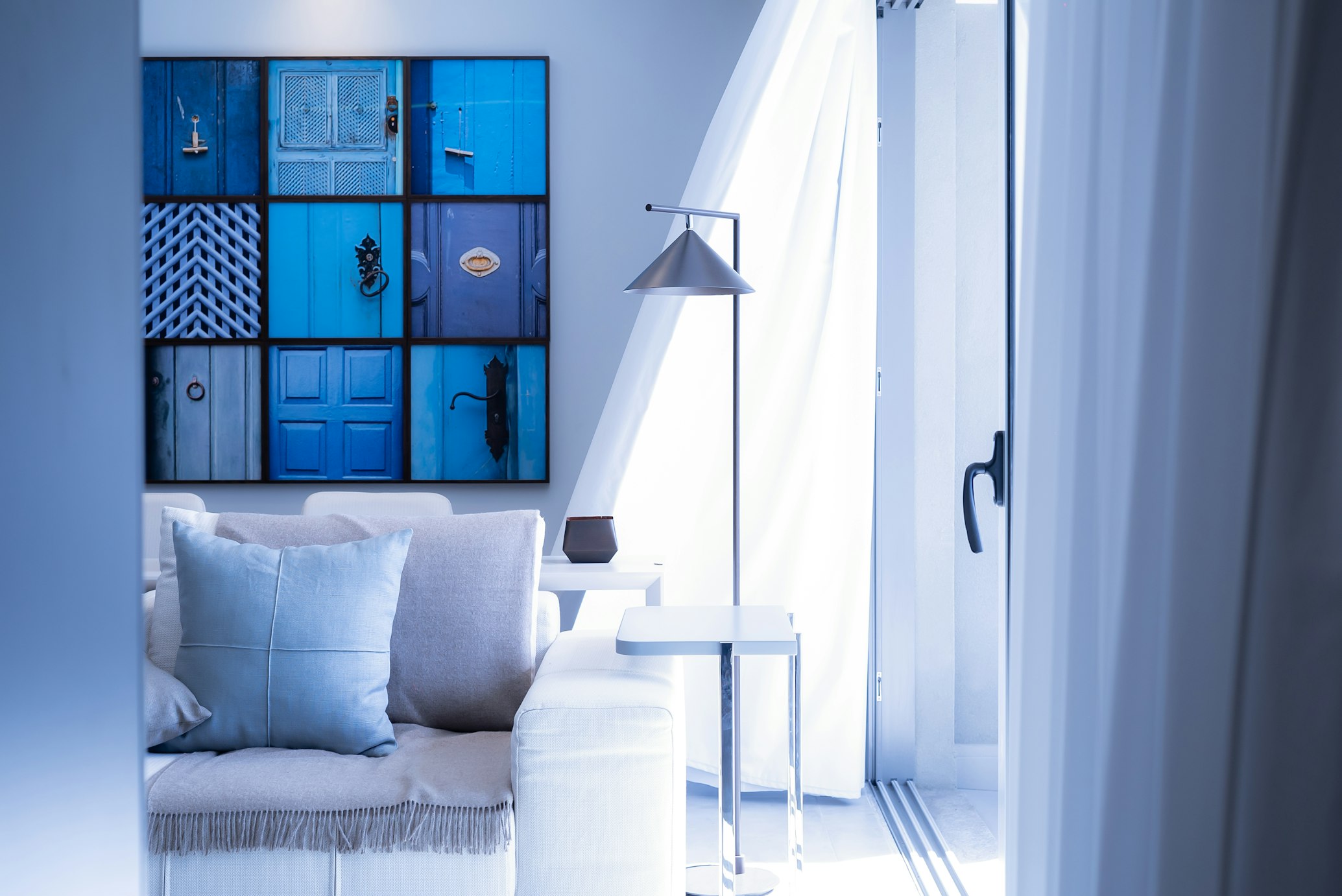
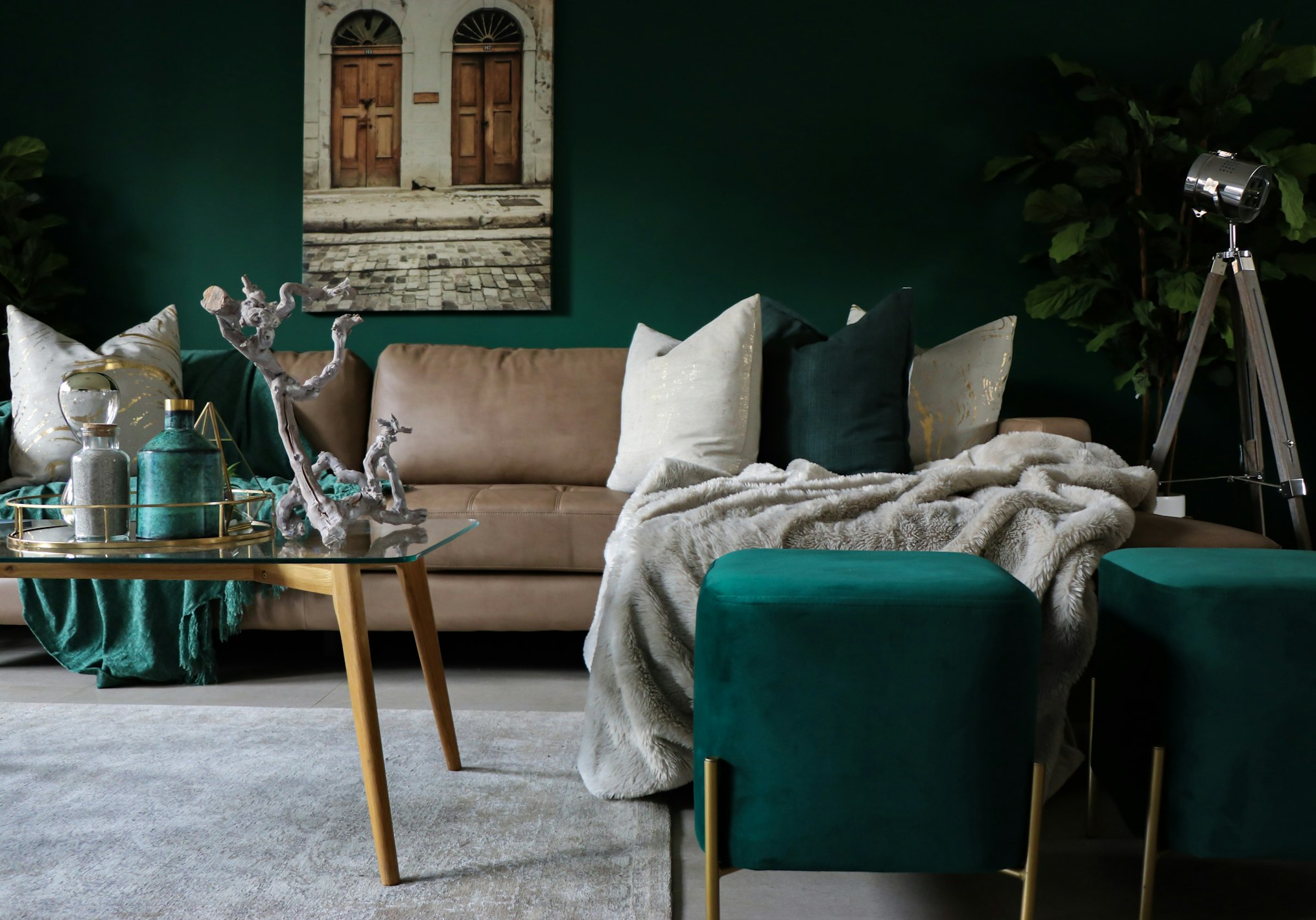
Colour is the foundation of visual harmony. When selecting artwork, one of the first steps is to evaluate your room’s colour scheme and identify how the painting can complement or contrast your existing furniture and decor. Tips for artwork and furniture pairing include considering neutral backgrounds for bold artwork or using complementary hues to create a cohesive aesthetic.

Colour Schemes

There are two primary ways to use colour when pairing artwork with furniture:

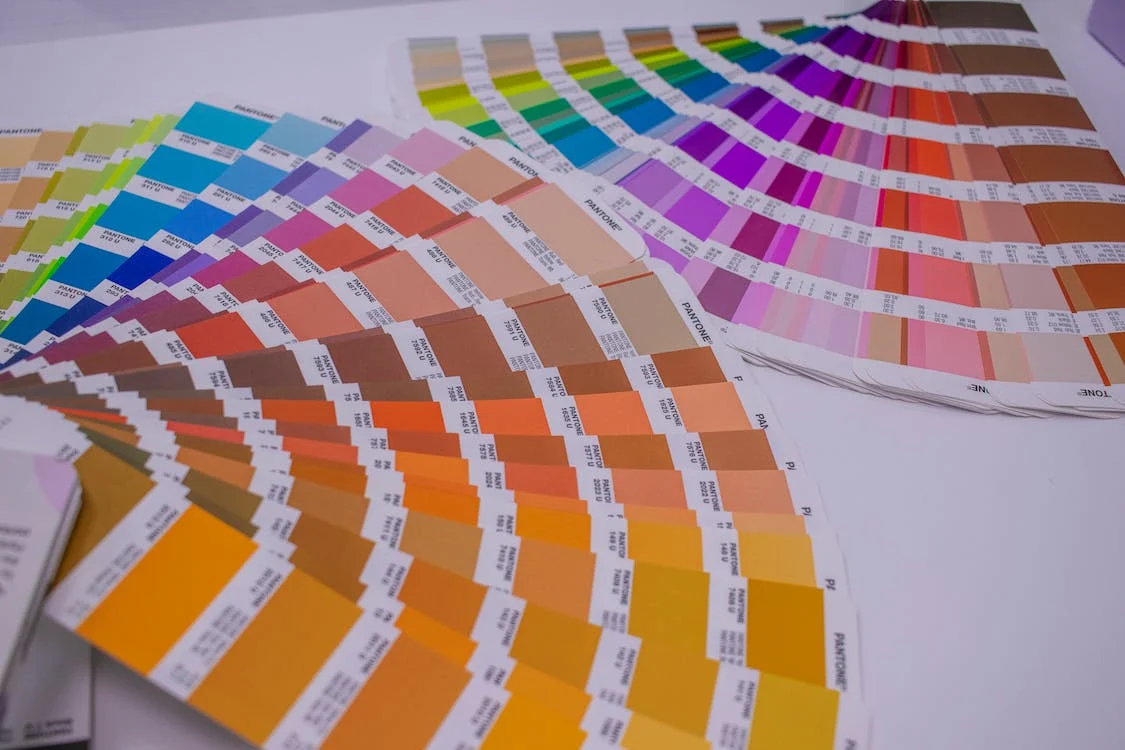
  • Complementary Colours: These colours sit opposite each other on the colour wheel, such as blue and orange or red and green. When paired, they create a dynamic and visually engaging contrast without clashing.
  • Analogous Colours: These colours—such as blue, green, and turquoise—are adjacent to the colour wheel and provide a soothing, cohesive look that blends naturally with your decor.
Practical Application

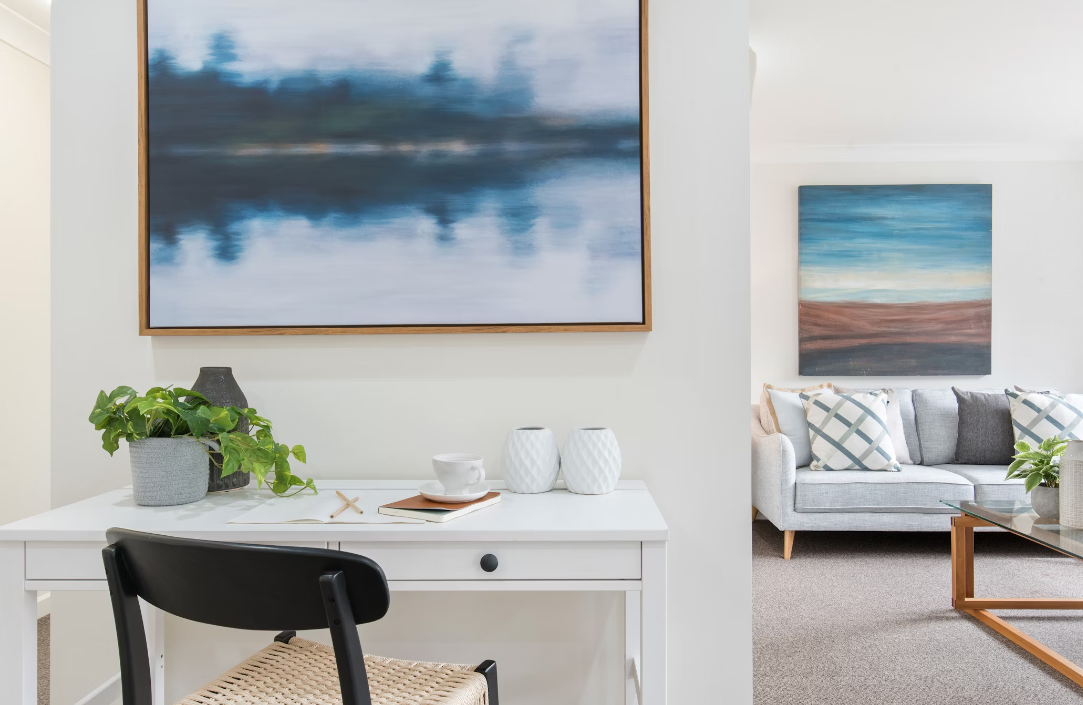
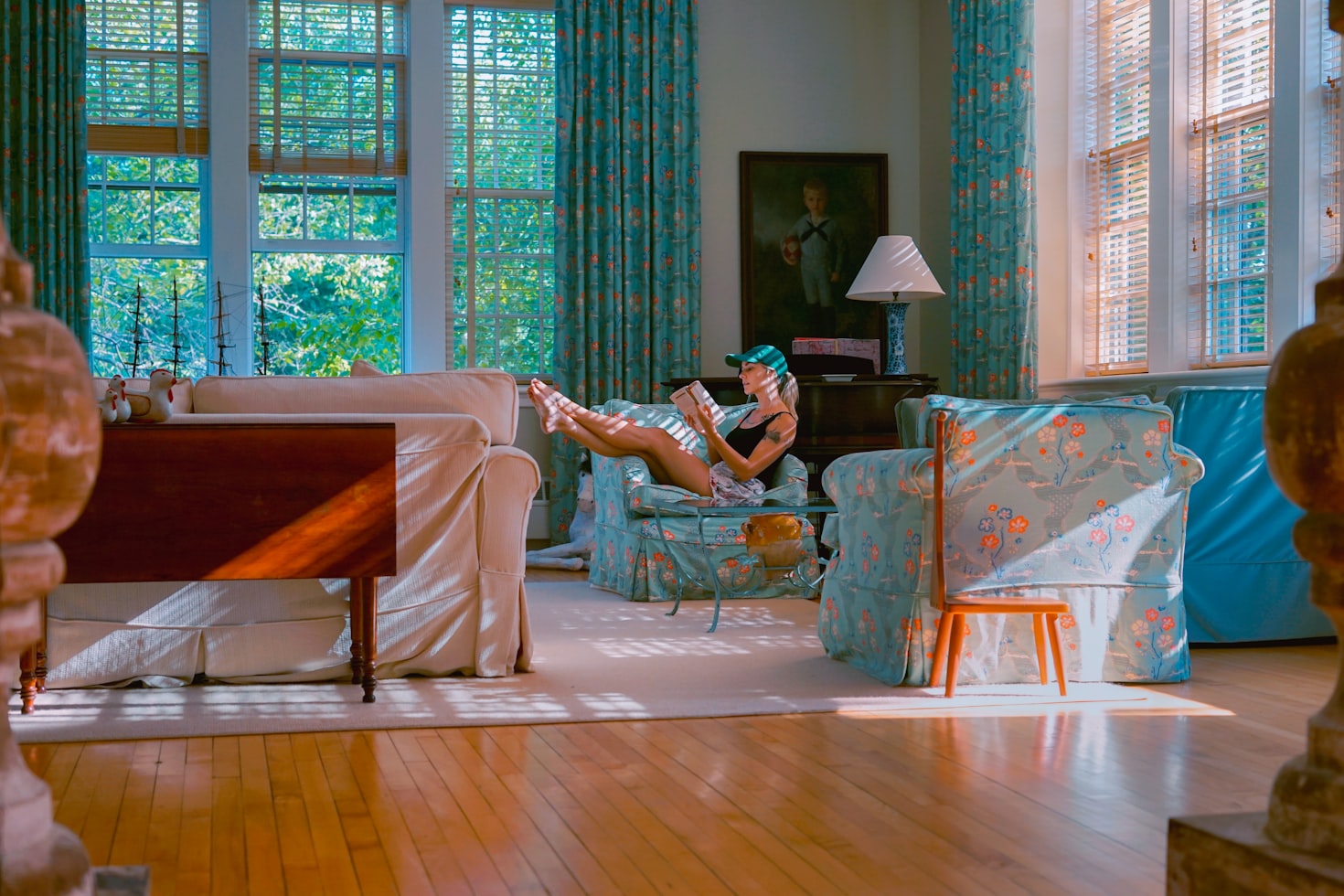
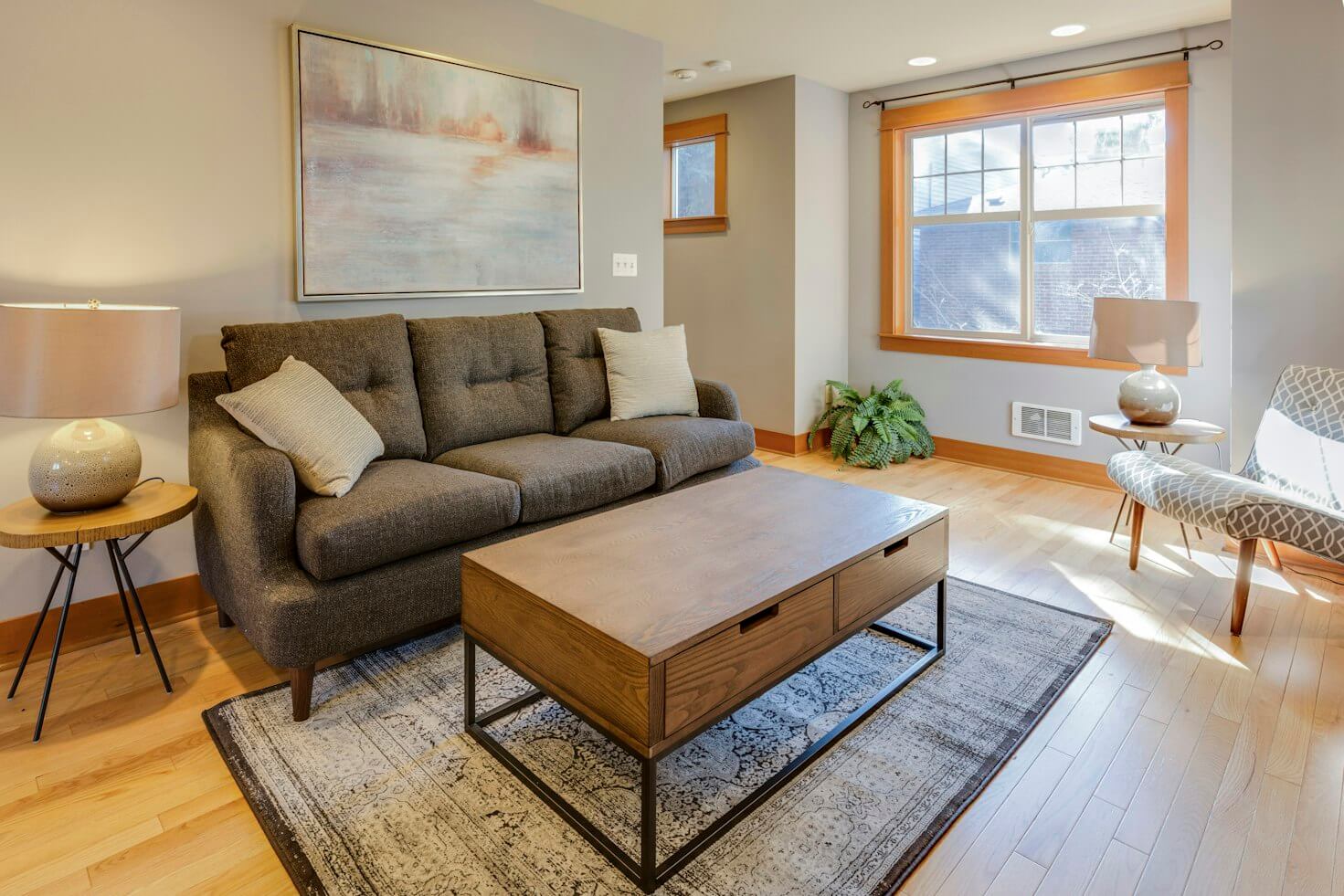
Consider a living room with a neutral palette—perhaps a mix of beige, grey, and white. In this case, choosing a painting with soft blues or greens can create a serene atmosphere, adding a subtle pop of colour without overwhelming the space. On the other hand, if your furniture features bold, vibrant hues, opting for a more neutral or monochromatic painting can help balance the energy in the room.

Pro Tip: Before purchasing a painting, create a small mood board that includes swatches of your furniture, wall colours, and potential artwork samples. This visual tool can help you see how different colours interact and guide your decision.

2. Align Your Style

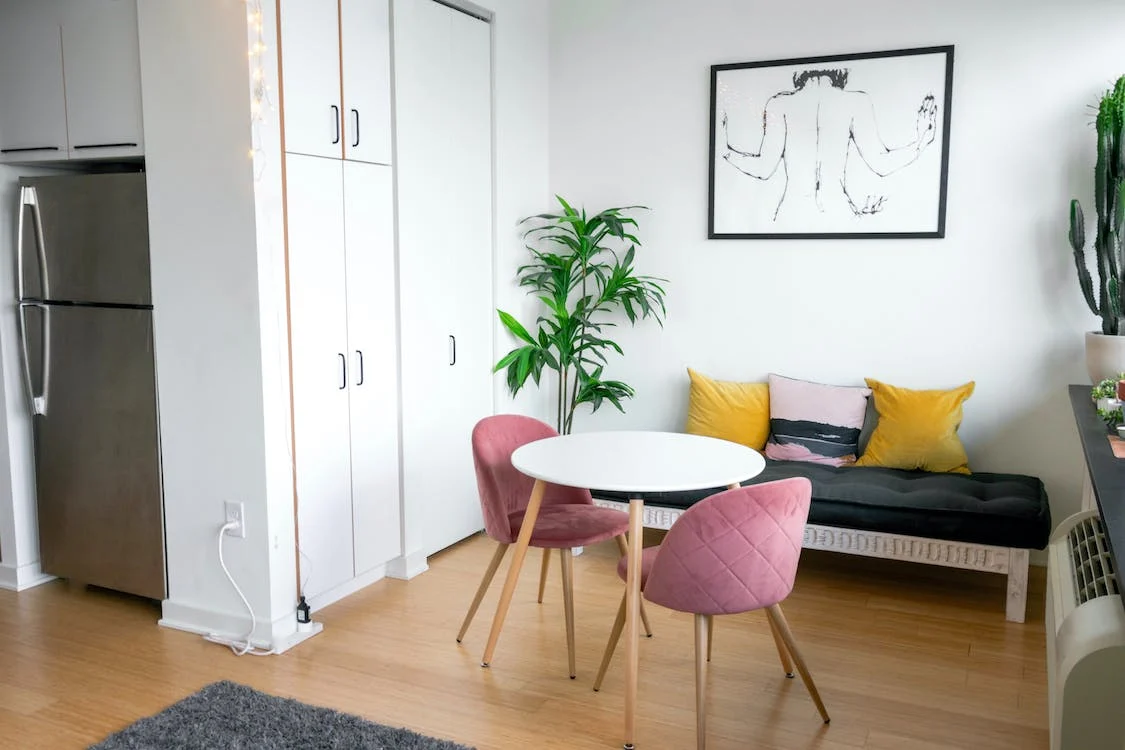
Style is the soul of your decor. Your artwork should coordinate with your furniture and reflect your space’s overall aesthetic. When considering tips for artwork and furniture pairing, traditional paintings work best with classic furnishings, while modern, abstract pieces enhance contemporary interiors. Here are some key considerations for aligning style:
Matching the Mood

  • Modern Minimalism vs. Traditional Elegance: A sleek, abstract painting might enhance a contemporary, minimalist space, while a detailed, ornate piece could complement a traditional setting.
  • Casual vs. Formal: For a home with a relaxed, casual vibe, opt for approachable, organic art. In more formal spaces, sophisticated and refined pieces create a polished look.

Evaluate Your Existing Decor

Take a close look at your furniture, textiles, and decor accessories:

  • Patterns and Textures: Does your sofa feature bold patterns, or is it more subdued? Your chosen artwork should either echo these patterns or provide a tasteful contrast.
  • Material Finishes: The finishes on your furniture (e.g., matte, glossy, rustic) can also influence which art pieces will work best.

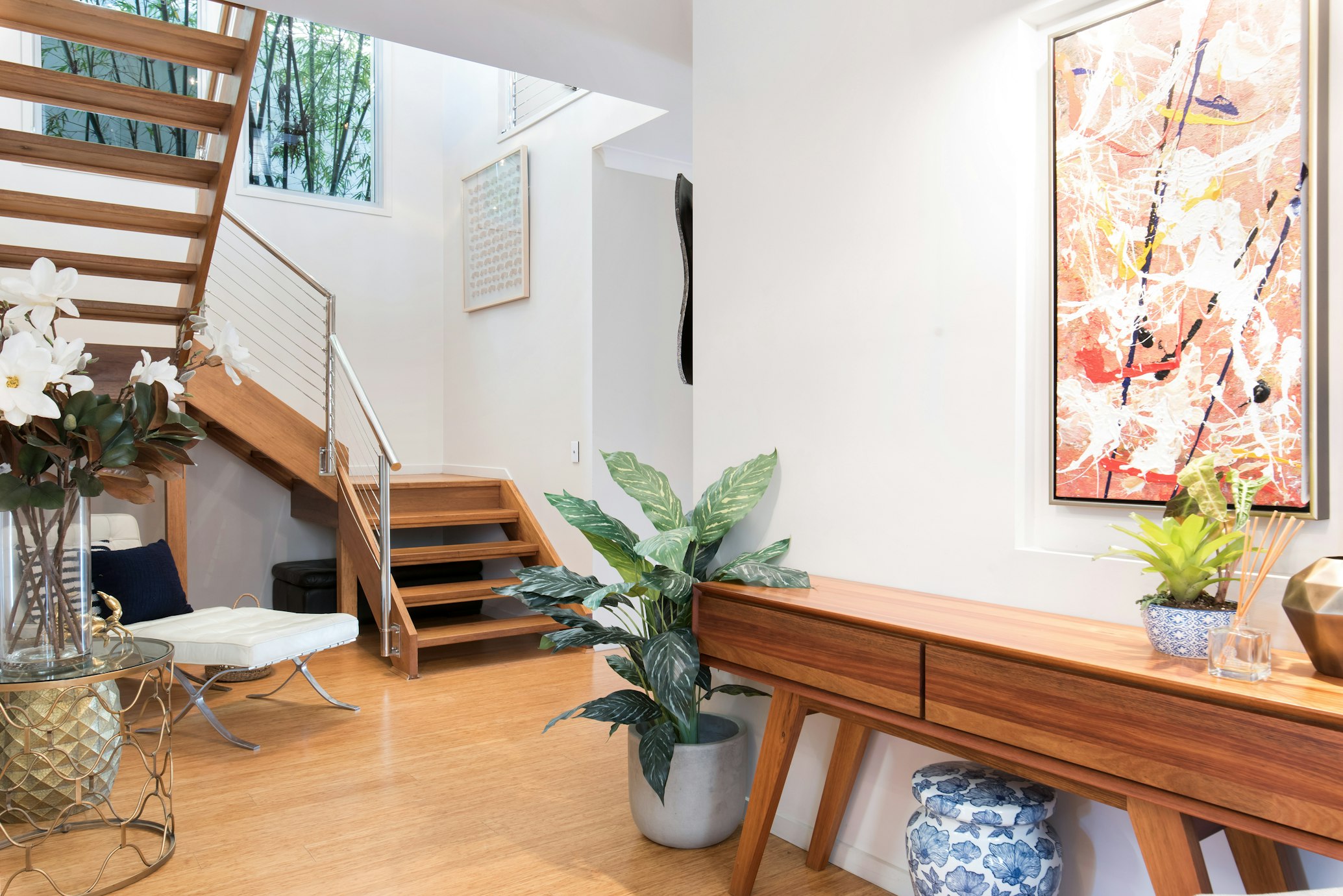
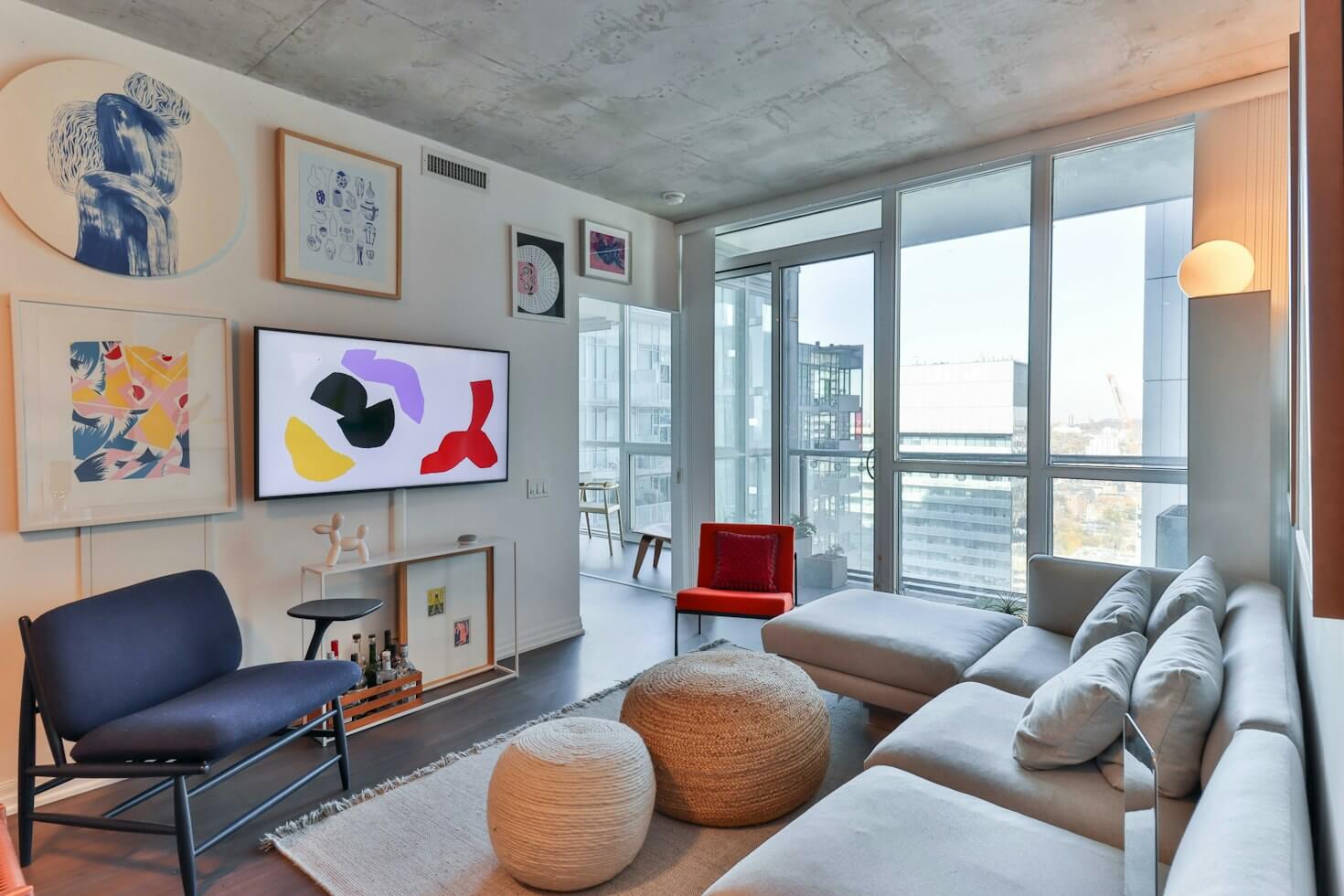
Example: Imagine a room with mid-century modern furniture characterised by clean lines and muted colours. An abstract painting incorporating geometric shapes and a similar muted colour palette can reinforce the contemporary vibe. In contrast, a hyper-realistic landscape might seem out of place.

3. Consider Proportion and Scale

One of the most common mistakes in art selection is choosing a piece that doesn’t match the scale of your space. Tips for artwork and furniture pairing must highlight the importance of proportion and scale, ensuring the artwork enhances rather than overpowers your furniture.

Measuring Your Space

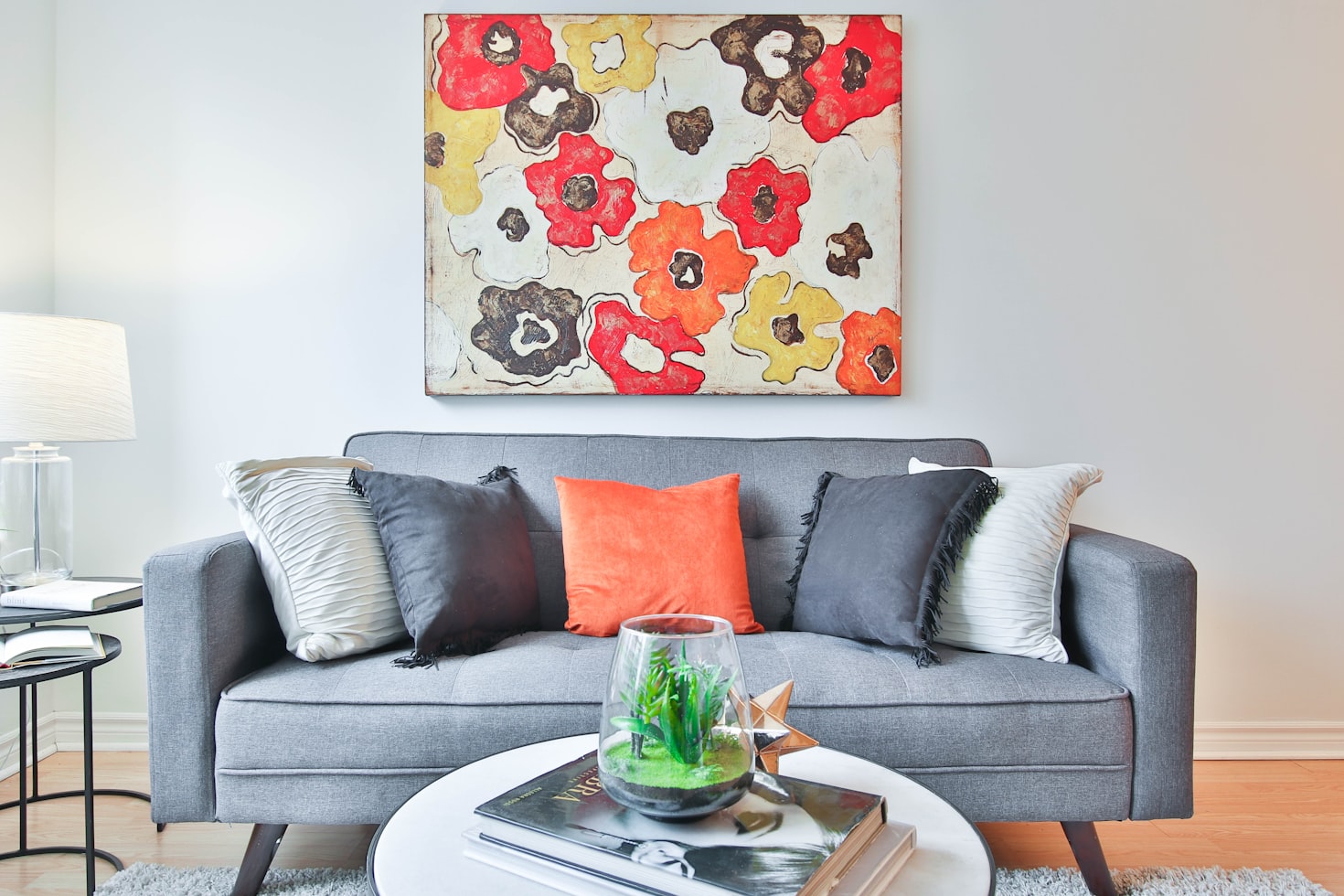
  • Wall Space: Measure the area where you plan to hang your painting. A general rule of thumb is that the width of the painting should be approximately two-thirds the width of the furniture it’s placed above. This ratio creates a balanced, visually appealing composition.
  • Furniture Size: Consider the dimensions of your furniture when selecting a painting. A small painting on a large wall can look lost, while an oversized piece can dominate a small room.

Tips for Scale

  • Create a Mock Layout: Use painter’s tape to mark the area on your wall that corresponds to the size of the painting. This simple exercise can help you better visualise how the artwork will fit.
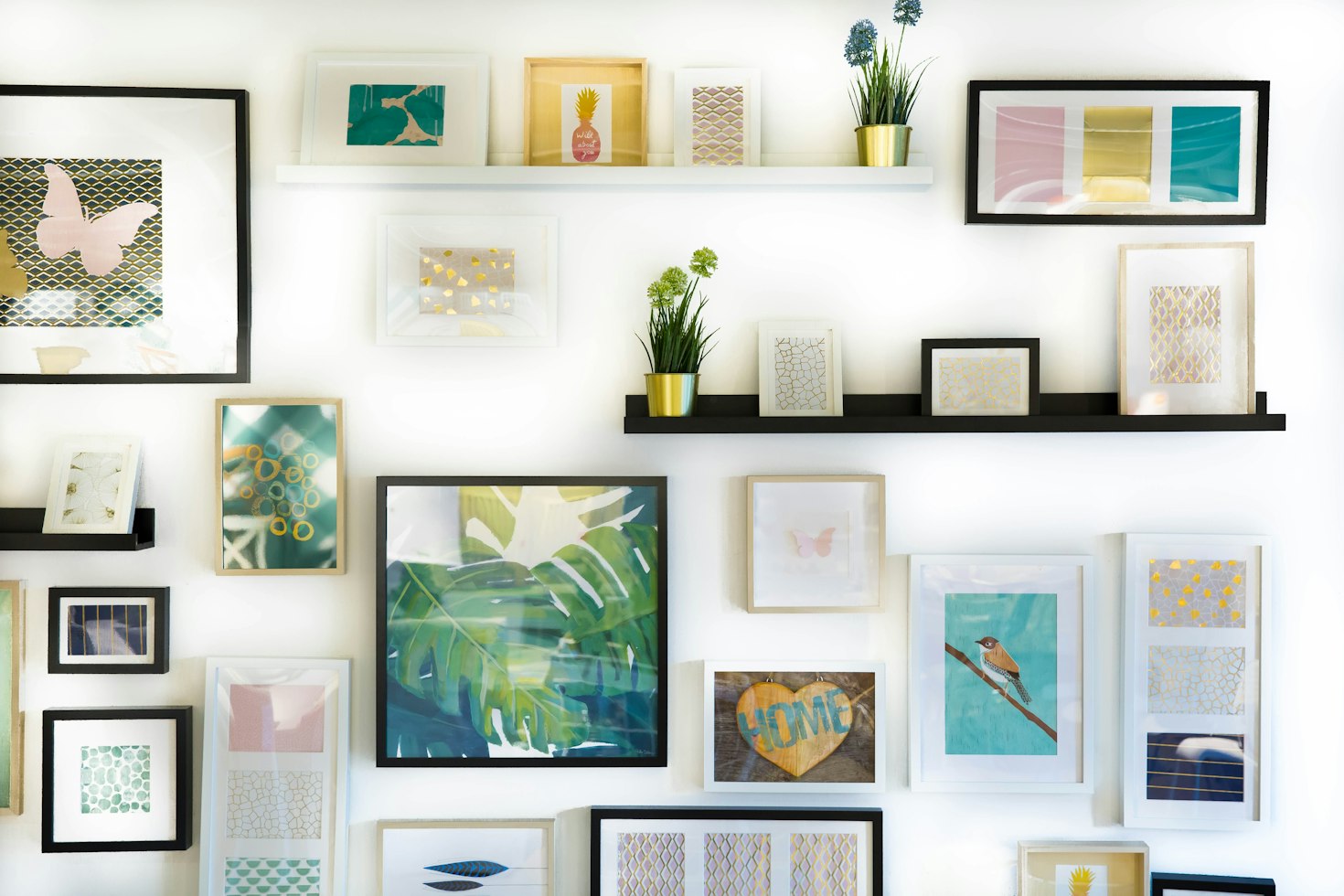
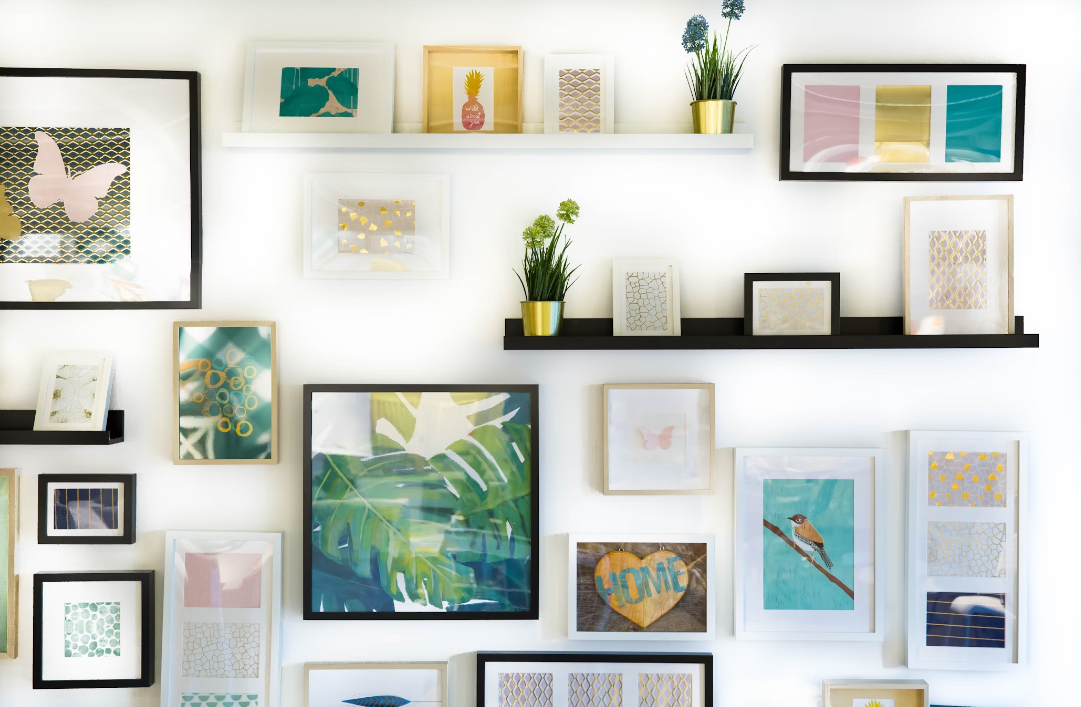
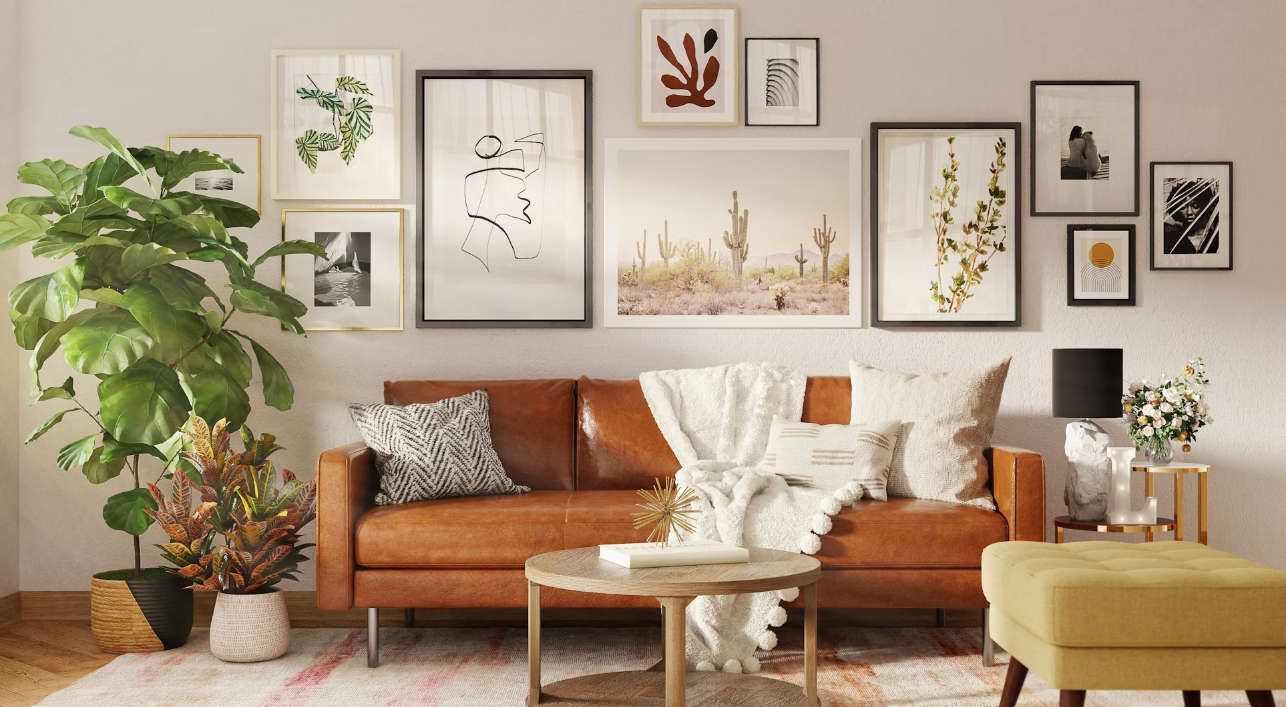
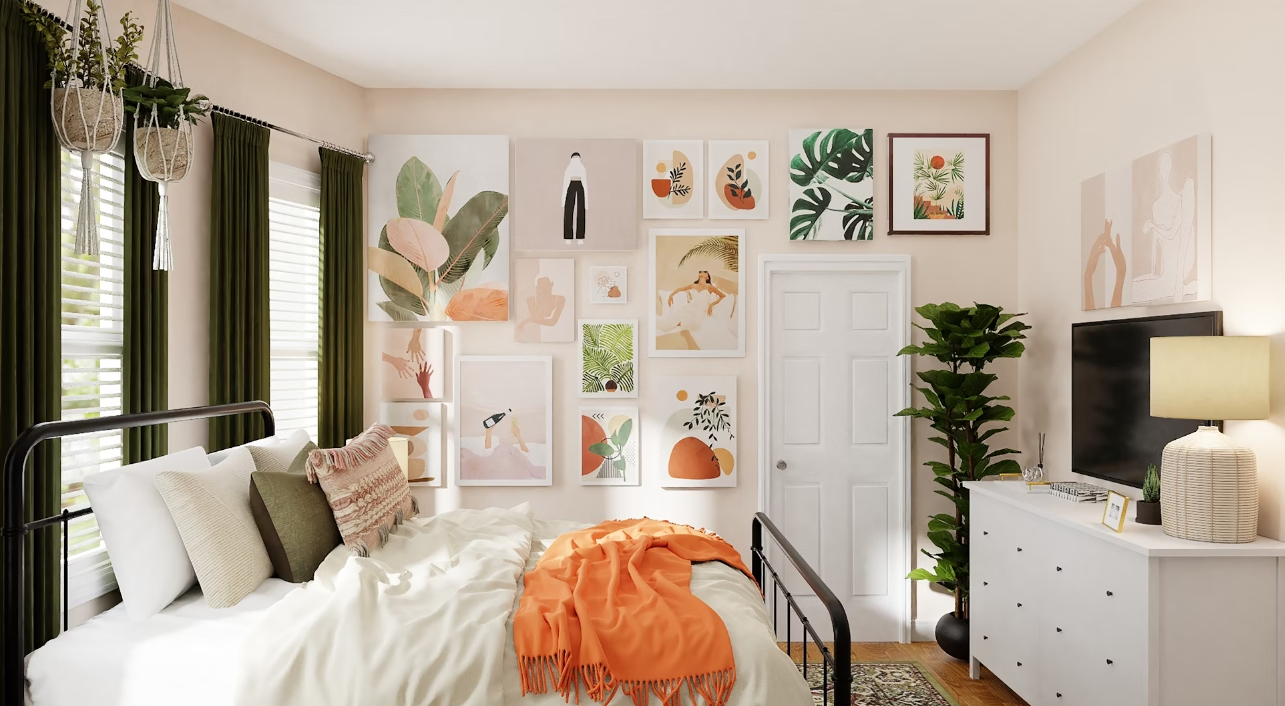
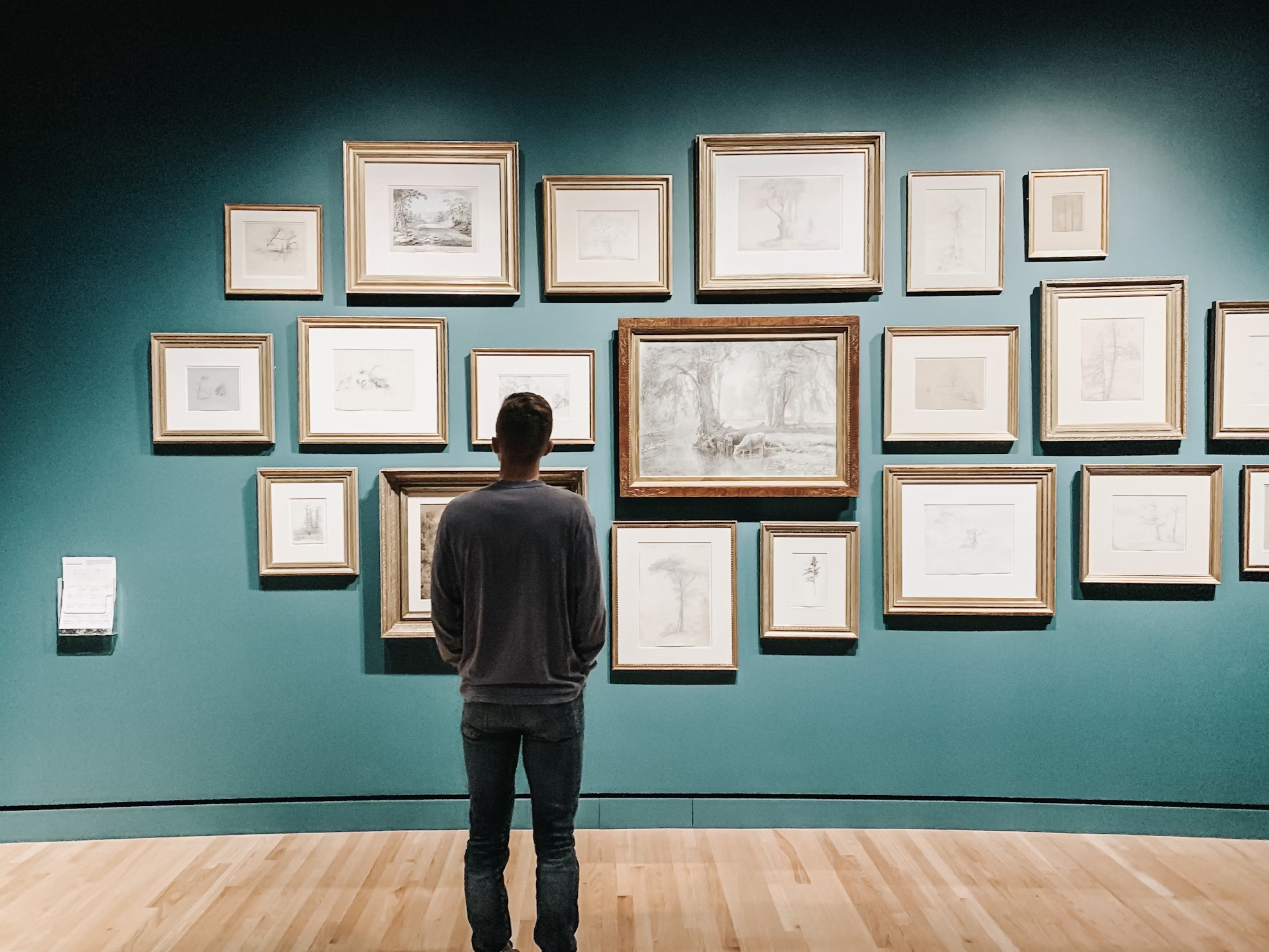
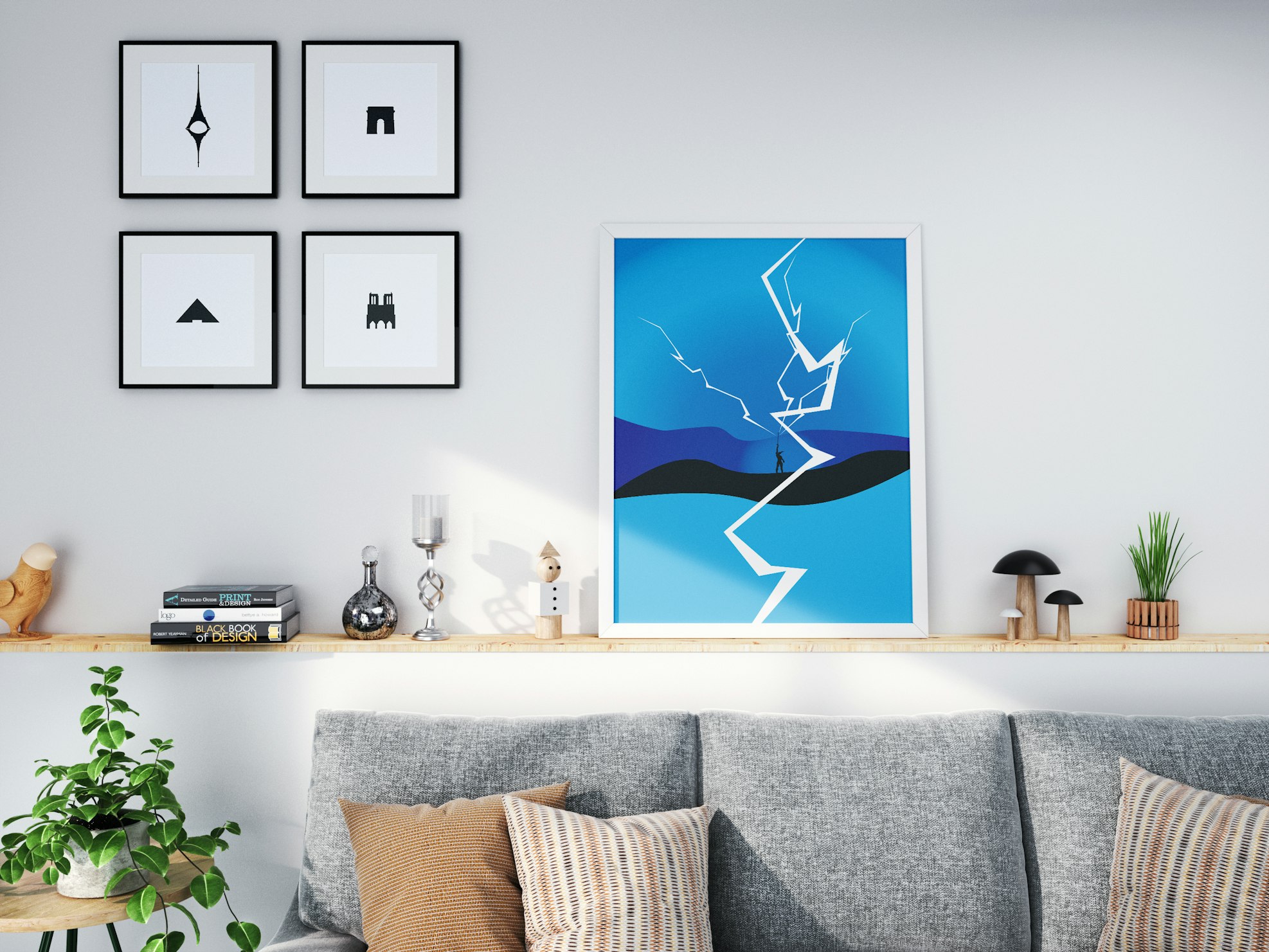
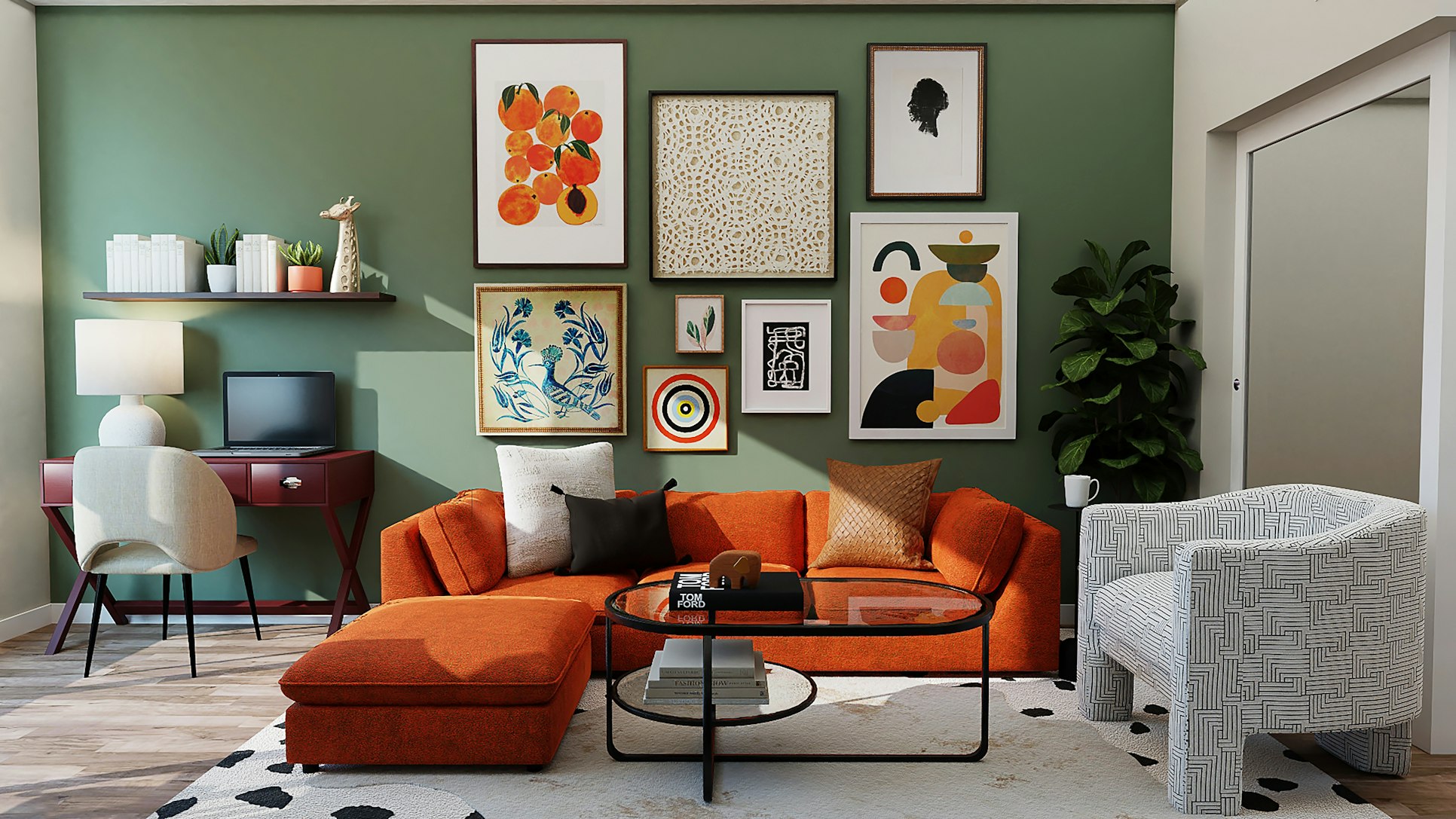
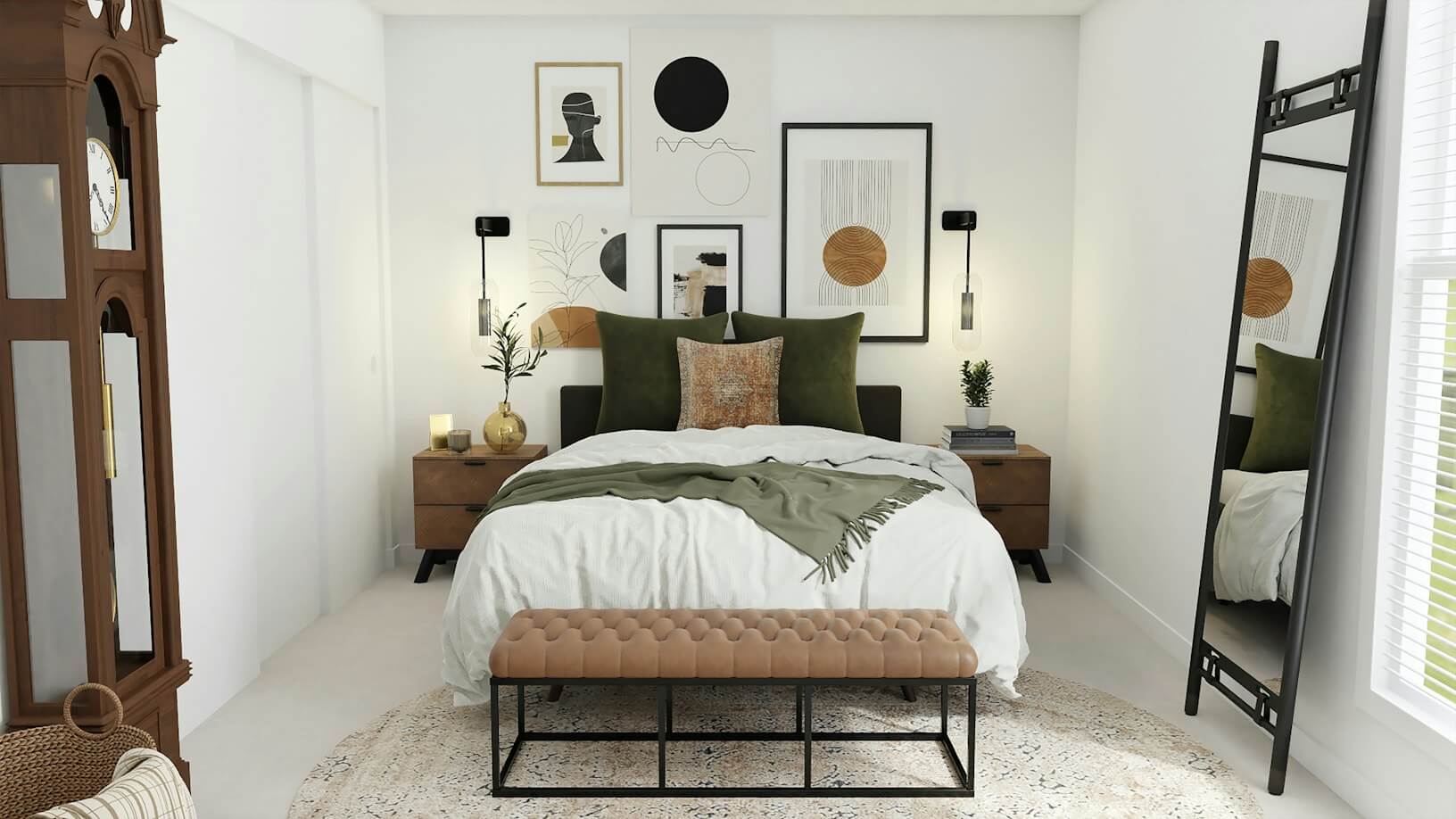
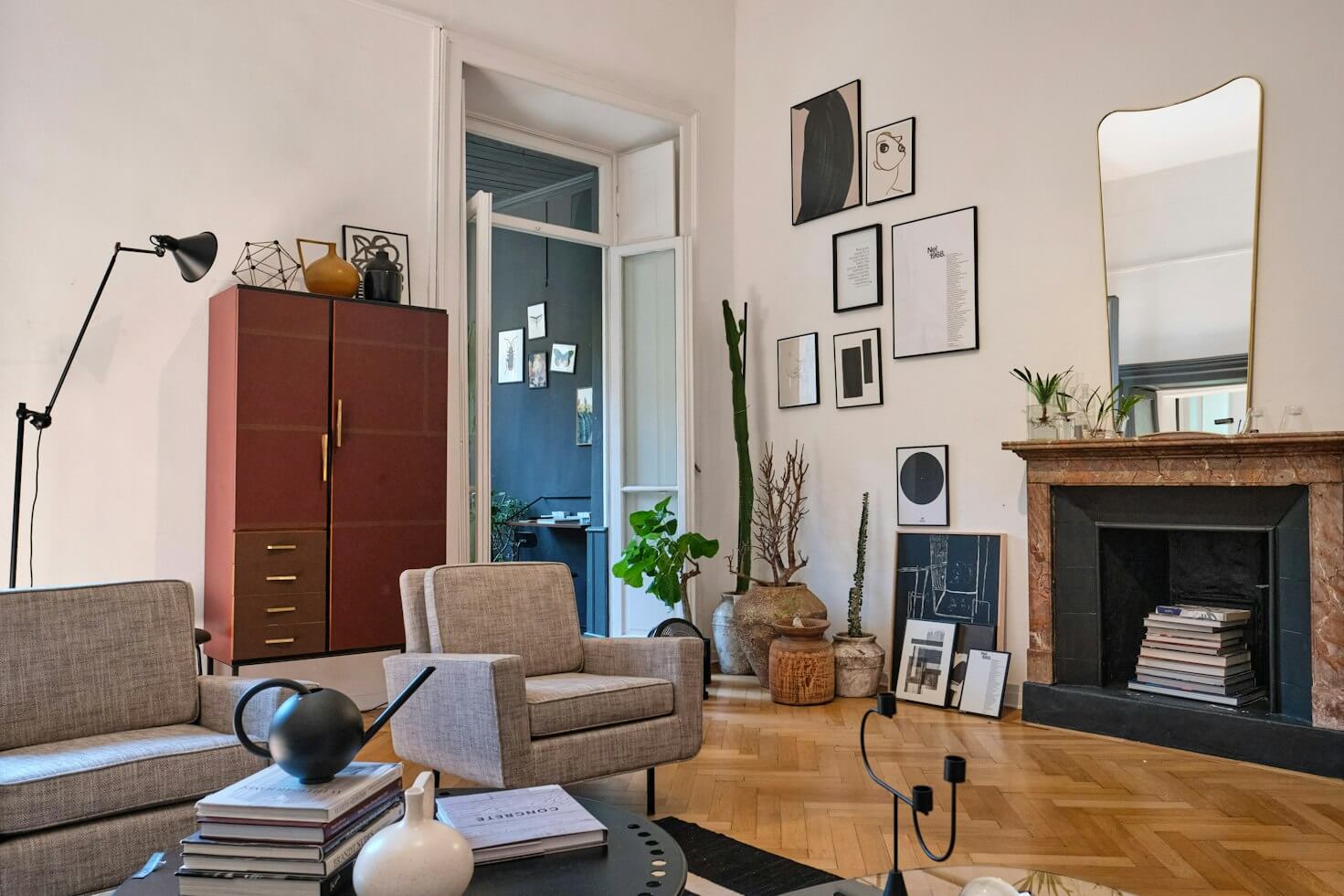
  • Grouping Artworks: Consider creating a gallery wall if one large painting doesn’t seem to work. Grouping several smaller pieces can often have a more significant impact while maintaining balance.
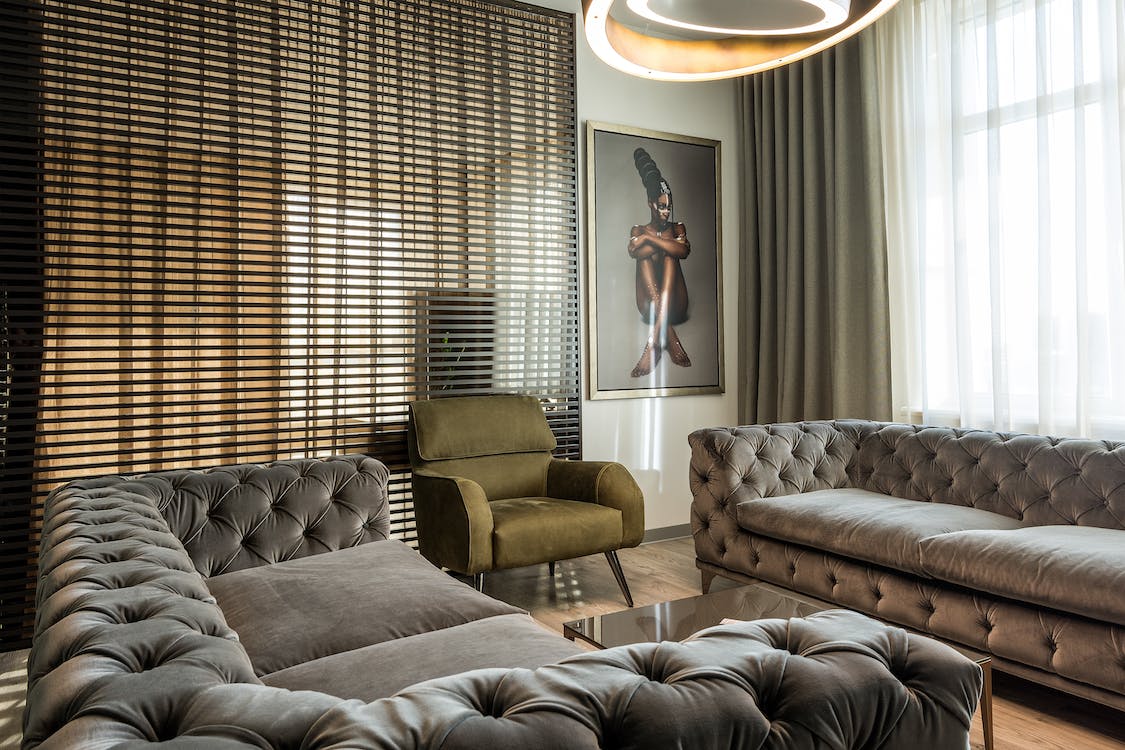
Pro Tip: Oversized artwork can create a dramatic focal point in rooms with high ceilings or expansive walls, while carefully chosen pieces in smaller rooms can make the space feel cosy and curated.

4. Set the Mood with Art

The right artwork does more than fill space—it sets the emotional tone for your room which is why tips for artwork and furniture pairing emphasise selecting pieces that align with the ambience you want to create.

Identifying the Desired Mood

Consider the function of the room:

  • Calming Retreat: Landscapes, abstracts, or art with soft, muted tones can evoke a sense of calm in relaxing spaces, such as bedrooms or reading nooks.
  • Energetic and Inviting: Vibrant colours and dynamic compositions stimulate conversation and energy in social spaces like living rooms or dining areas.
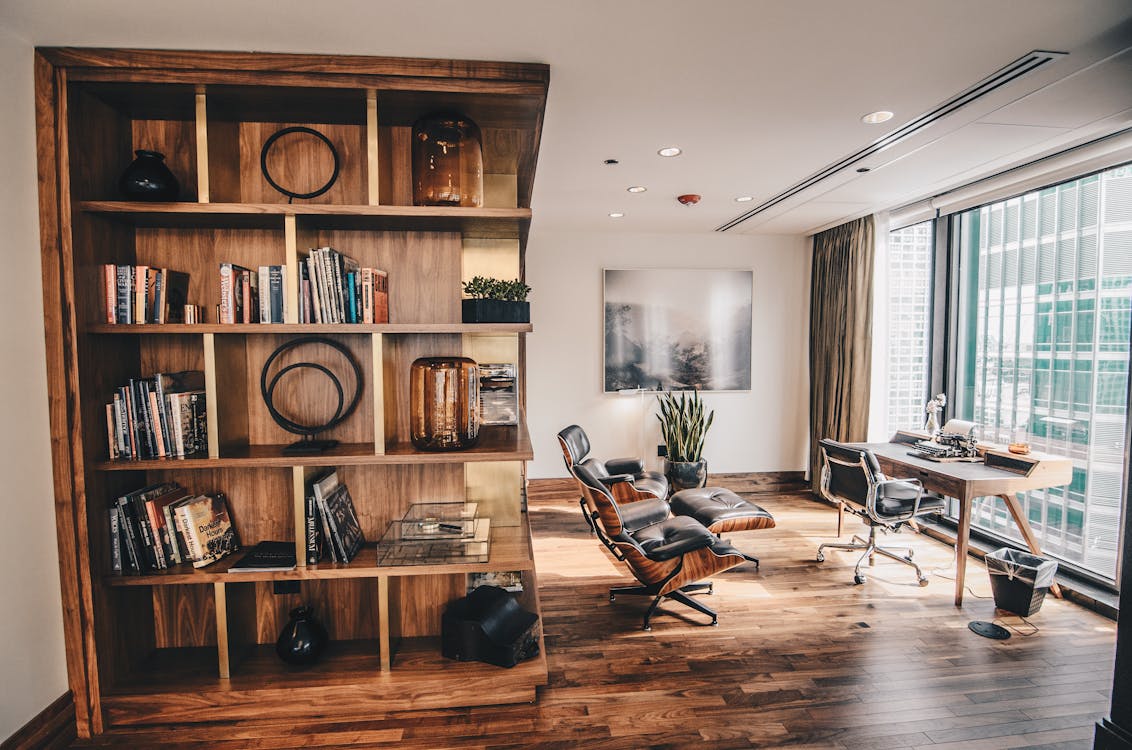
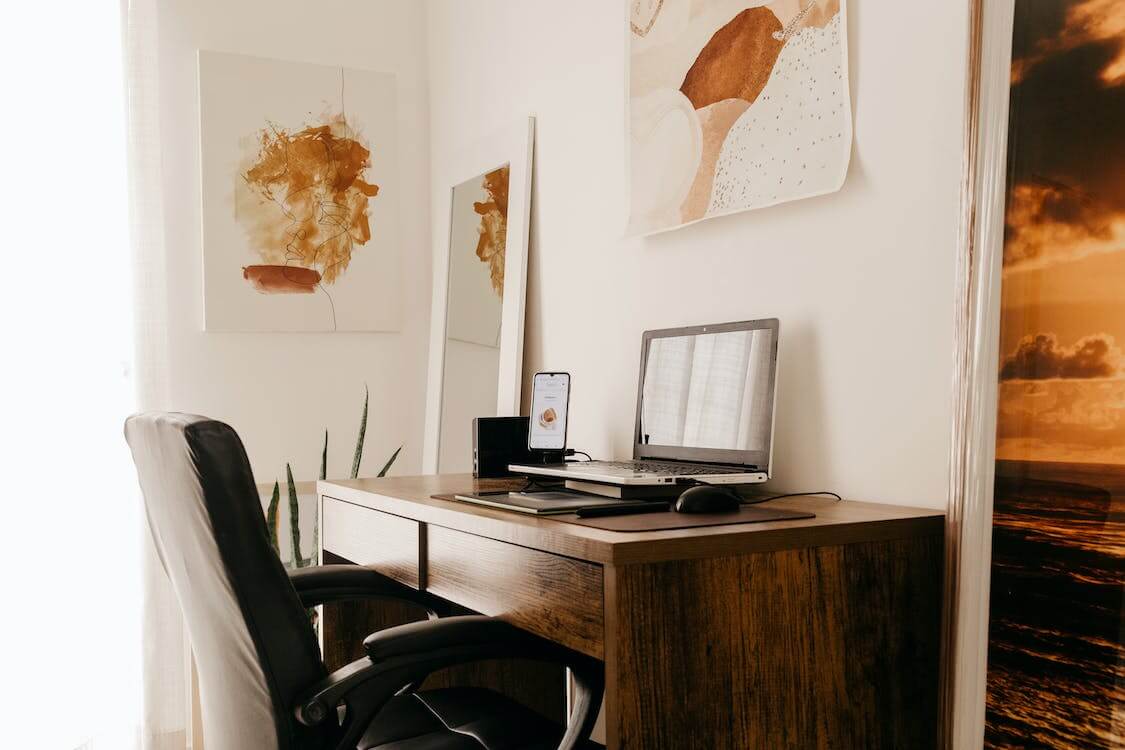
  • Inspirational Spaces: Thought-provoking, abstract, or humorous artwork can spark creativity in home offices or creative studios.

Art as an Emotional Catalyst

Art has the power to influence our emotions. A carefully selected painting can transform a mundane space into an oasis of tranquillity or a hub of creative energy. When you choose art based on the mood you want to achieve, you are essentially designing the emotional landscape of your room.

Pro Tip: Reflect on how a painting makes you feel. If it resonates with your inner vision for the space, it’s likely the right choice.

5. Find Your Connection

While guidelines and theories are helpful, the best artworks are the ones that speak to you personally. One of the main tips for artwork and furniture pairing is that your home should reflect your unique story, memories, and aspirations.

Trusting Your Instincts

  • Emotional Resonance: Choose pieces that evoke an emotional response. Whether it reminds you of a cherished memory or inspires you to dream bigger, personal connection is key.
  • Conversation Starters: Art that tells a story can become a great conversation piece. This connection can make your space feel more intimate and welcoming.

Curating a Personal Collection

  • Mix of Old and New: Combine heirloom pieces with modern art to create a dynamic collection representing your journey.
  • Display Techniques: To enhance the significance of art, consider how you frame and display it. Unique framing, strategic placement, or rotating exhibits can keep your space fresh and inspired.
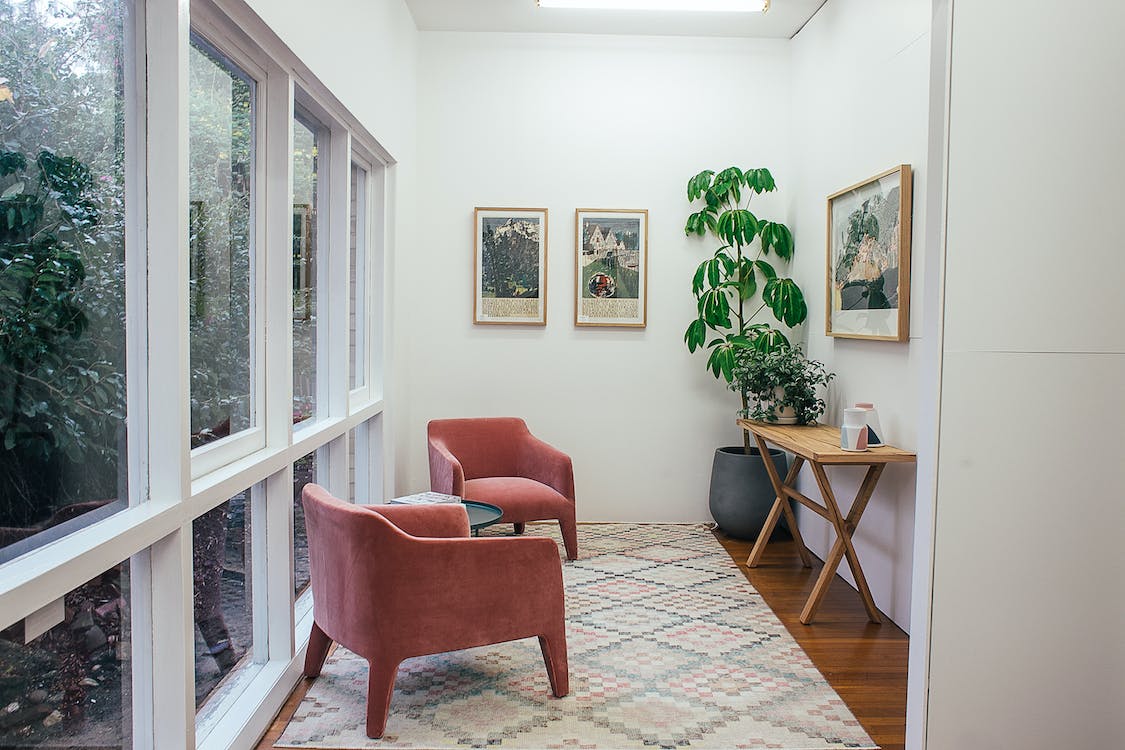
Pro Tip: Create a “favourites” folder or digital mood board to collect images of artworks that resonate with you over time. This can be an invaluable resource when you’re ready to purchase.

6. Mix and Match for Eclectic Appeal

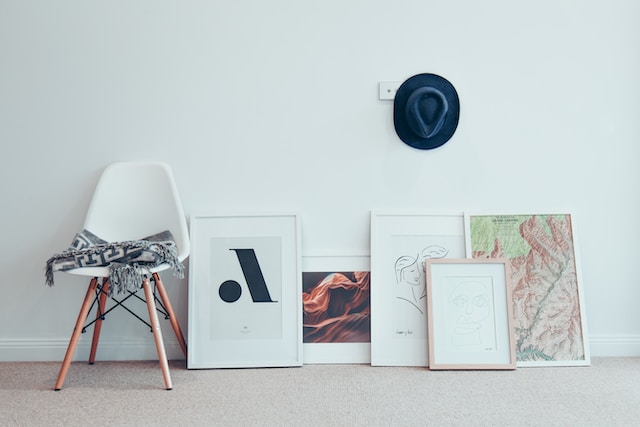
While harmony is essential, embracing variety can lead to an exceptionally dynamic interior. Don’t be afraid to mix and match different art styles, mediums, and eras to create an eclectic look uniquely yours.
Embracing Diversity in Art

  • Contrasting Styles: Pair a classic oil painting with a modern abstract print to create a striking contrast that draws the eye.
  • Different Mediums: Integrate sculptures, photographs, and even textiles with your paintings. This diverse mix can add texture and dimension to your decor.
  • Theme Integration: Look for recurring themes or colours across different art forms. A unifying element—such as a dominant hue or shared subject matter—can help disparate pieces feel connected.

Practical Tips for an Eclectic Display

  • Start with a Focal Point: Choose one statement piece to anchor your display and build around it with complementary pieces.
  • Vary the Scale: Combine large canvases with smaller works to create visual rhythm and interest.
  • Experiment with Layouts: Avoid unconventional arrangements, such as asymmetrical groupings or overlapping frames to add depth and intrigue.

Pro Tip: When mixing styles, leave enough breathing room between pieces so each artwork stands out while contributing to the overall narrative.

7. Test Your Art Selection

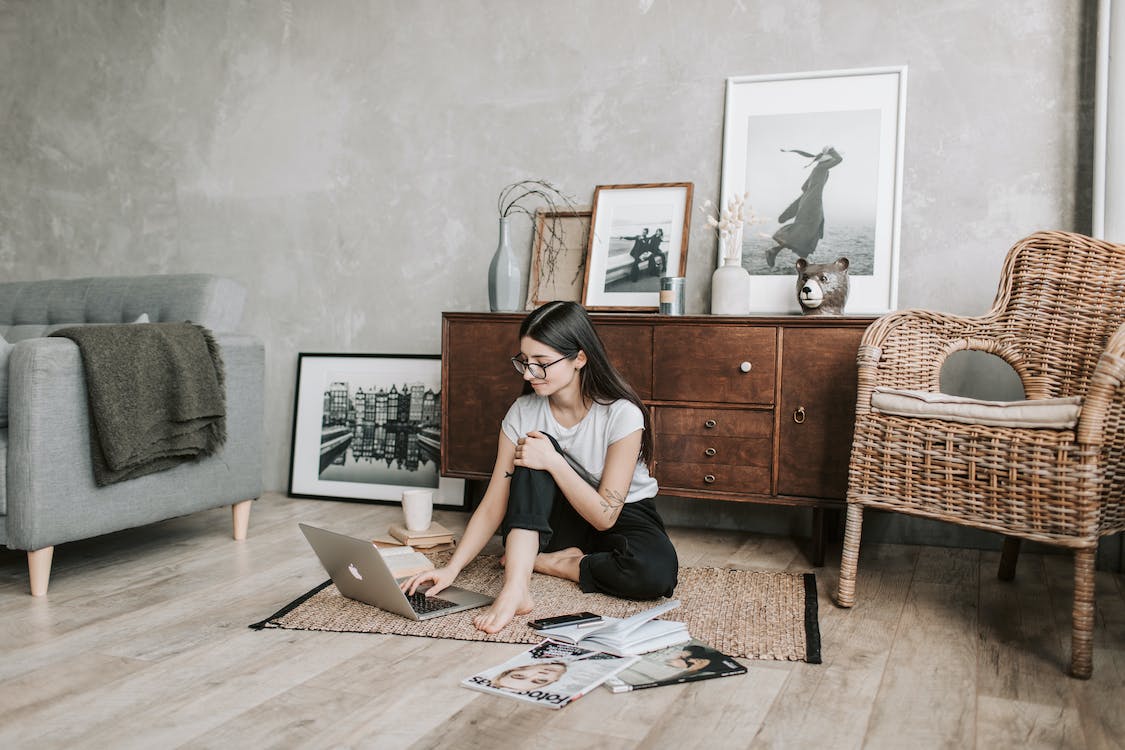
Before committing to a piece, visualise how it will interact with your furniture and decor. Testing your art selection can save you time and prevent costly mistakes.

Visualisation Techniques

  • Mock-Ups: Use painter’s tape to outline the dimensions of your potential artwork on your wall. This simple trick can help you gauge scale and placement.
  • Augmented Reality (AR) Apps: Many AR apps allow you to superimpose artwork onto your walls. These tools show how a painting’s colour, size, and style work with your current decor.
  • Temporary Displays: Borrow or temporarily hang a similar piece to see how it feels in your space. This real-world test can be invaluable.
Benefits of Testing

  • Avoiding Buyer’s Remorse: Seeing how an artwork fits in your space can help you make the right choice.
  • Fine-Tuning Placement: Experiment with different locations and heights to find the most flattering arrangement.
  • Confidence in Your Decision: Once you’ve tested a piece, you’ll be more confident it will enhance your space.

8. Frame Your Masterpiece

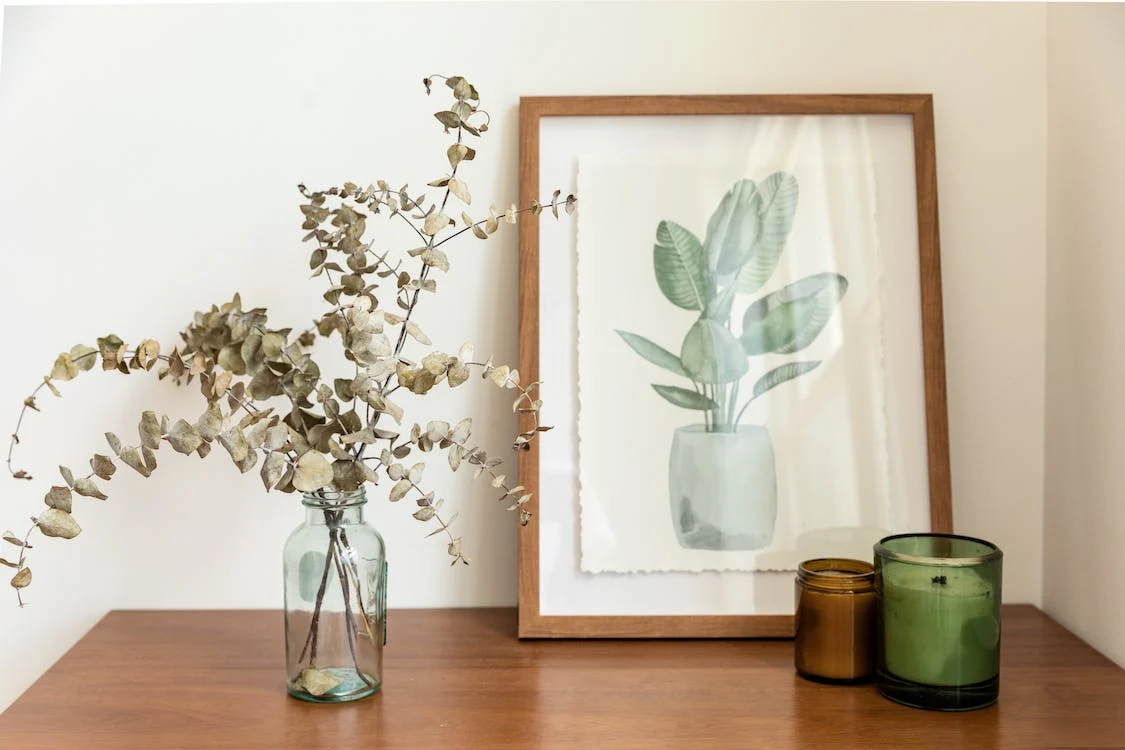
The frame is not just an accessory—it’s an integral part of the overall look. A well-chosen frame can elevate the artwork and tie it in with furniture and decor.
Choosing the Right Frame

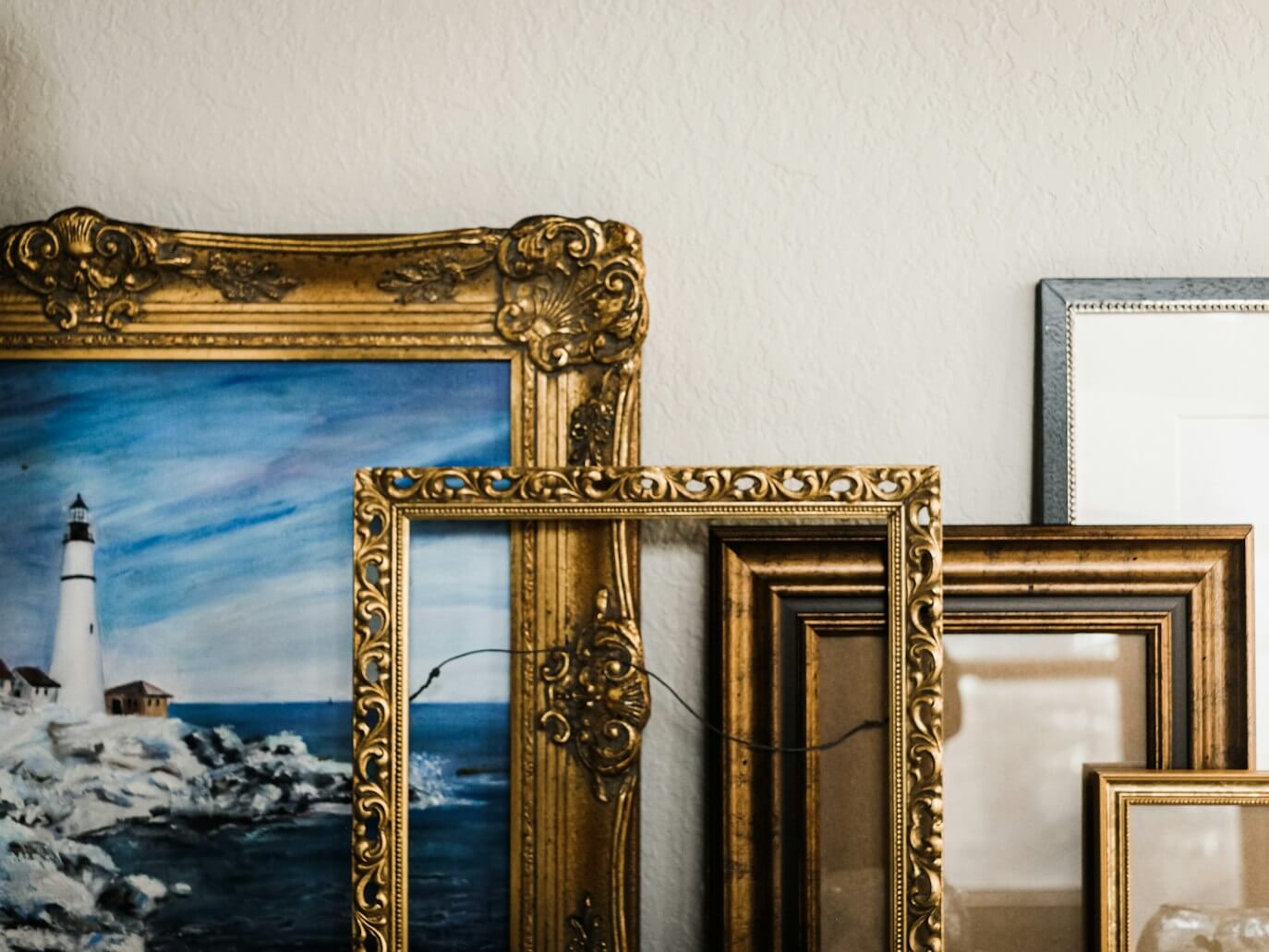
  • Style Matters: The frame should match the artwork’s style and the surrounding decor. A sleek, minimalist frame works best for modern pieces. For classic or ornate paintings, consider more detailed vintage frames.
  • Colour Coordination: Choose a frame colour that either matches the artwork or complements the room’s colour scheme. Neutral tones often work well, but don’t avoid bold frames if they enhance the piece.
  • Material Considerations: Wood, metal, and composite materials offer different textures and finishes. Choose a material that complements your space’s furnishings.

Enhancing with Framing

  • Matting: Adding a mat can provide additional contrast and make the artwork “pop.” Matting also gives the piece a finished look and can bridge the gap between the art and the frame.
  • Consistent Framing: Using similar frames or colour palettes can unify a diverse collection if you’re creating a gallery wall.

Conclusion

Pairing artwork with your furniture is a rewarding journey beyond simple decoration. It is about curating a space that reflects your taste, personality, and lifestyle. By paying attention to colour, style, proportion, and personal resonance, and by following our detailed tips for artwork and furniture pairing, you can create a living space that is both functional and a work of art.

The process might require some experimentation—testing placements, mixing and matching styles, and even rotating your collection over time—but the result is a home that feels uniquely yours. Remember, great design is not rigidly following rules; it’s about creating balance and harmony that speak to your heart.

Thank you for reading our comprehensive guide. We hope these insights and actionable tips empower you to create a space you love coming home, where every painting, piece of furniture, and decorative element works together in beautiful harmony.

FAQs

Consider the colour scheme, style alignment, proportion and scale, the mood you want to set, and your connection to the art. Using these tips for artwork and furniture pairing ensures that the art enhances rather than clashes with your decor.

A general guideline is that the painting’s width should be about two-thirds the width of the furniture it hangs above. Additionally, consider the overall wall space and the scale of the room. Use mock-ups or AR apps to visualise the fit before purchasing.

Yes! Mixing different styles can create a dynamic and eclectic look. To tie the pieces together, ensure a unifying element, such as a consistent colour palette or theme.

The frame is the finishing touch. It should complement both the artwork and your interior design. Choosing the right frame style, colour, and material can help unify the look.

Explore local galleries, art fairs, and online marketplaces. Websites like Saatchi Art or Etsy’s art section offer curated collections that may match your aesthetic. Always check reviews and return policies when shopping online.

Kitchen Wall Art Ideas 2026 Transforming Non-Traditional Spaces | Trends, Tips & Budget Guide

Kitchen Wall Art Ideas

Kitchen wall art is no longer an afterthought. In 2026, biophilic art, textured 3D installations, and maximalist murals are dominating kitchen wall decor ideas. Whether you’re after affordable kitchen wall art under £50, a luxury bespoke mural, or a DIY gallery wall, this guide covers the best modern kitchen wall art styles, seasonal decor, and the hottest kitchen wall art trends 2026 – all backed by Pinterest Predicts data and expert interior designer insight.

Key Takeaways

  • Biophilic and botanical prints are the #1 kitchen wall art trend for 2026, per Pinterest Predicts.
  • Gallery walls remain the most versatile and affordable kitchen wall art approach for small kitchen decor ideas.
  • Minimalist kitchen art suits contemporary and Scandi-inspired kitchens beautifully.
  • Farmhouse kitchen wall decor is evolving – think earthy textures, hand-thrown ceramics, and warm typographic prints.
  • Luxury kitchen wall art includes bespoke painted murals, artisan ceramics, and metallic tile installations.
  • Bathroom wall art requires moisture-resistant materials – covered in its own dedicated section below.
  • Budget options start at under £10 for printable digital art downloads.

Kitchen Wall Art Ideas: Transforming Non-Traditional Spaces

Interior design has evolved far beyond the living room and bedroom. Today, even the kitchen – traditionally reserved for cooking – can be transformed into an artful haven with the right decor. Whether you love the warmth of farmhouse kitchen wall decor, the clean lines of minimalist kitchen art, or the vibrancy of contemporary kitchen art, this guide explores kitchen wall decor ideas that blend aesthetic appeal with real practicality.

From bold statement backsplashes and gallery walls to seasonal rotating art and small kitchen decor ideas that work in tight spaces, we cover it all. Plus: the latest kitchen wall art trends 2026, a full budget section from affordable kitchen wall art to luxury kitchen wall art, and expert quotes from leading interior designers.

Quick Comparison: Kitchen Wall Art Styles at a Glance

Not sure where to start? Use this table to compare the most popular kitchen wall decor ideas by style, cost, and 2026 trend status.

Style Best For Cost Range Maintenance Trend 2026
Mosaic Tiles Bold statements £££ Medium ⭐ Rising
Gallery Wall Personal touch ££ Low ⭐⭐ Hot
Chalkboard Art Dynamic change £ Low ⭐ Stable
Botanical Prints Natural vibes £ Low ⭐⭐ Hot
Metallic Tiles Luxury look ££££ Low ⭐⭐⭐ Trending
Custom Printed Panels Photo art £££ Low ⭐⭐ Hot
Herb Garden Wall Functional art ££ High ⭐⭐⭐ Top Pick
Minimalist Prints Clean aesthetic £ Low ⭐⭐ Hot

Key: £ = Budget-friendly | ££ = Mid-range | £££ = Premium | ££££ = Luxury

Kitchen Wall Art Trends 2026: What’s Hot Right Now

2026 is a landmark year for kitchen aesthetics. Influenced by global design movements, sustainability, and the rise of ‘biophilic design’, kitchen wall art trends 2026 are bold, personal, and deeply tied to nature. Here’s what’s dominating the conversation this year.

Pinterest Predicts 2026: What’s Trending in Kitchen Wall Decor

Pinterest Predicts 2026 has identified several macro aesthetics directly shaping kitchen wall art trends this year:

  • “Botanical maximalism” – lush, layered plant-inspired art taking over kitchen walls, especially in farmhouse and cottagecore kitchens.
  • “Quiet luxury interiors” – understated, high-quality pieces in muted palettes driving demand for minimalist kitchen art.
  • “Eco-aesthetics” – sustainable, nature-made, or recycled art materials are a fast-rising search category.
  • “Retro kitsch revival” – vintage-style food posters and retro typography prints are surging on Pinterest, as saves for small kitchen decor ideas.

Source: Pinterest Predicts 2026 Annual Report

2026 Trend Style Category Key Colours Pinterest Predicts
Biophilic Wall Art Farmhouse / Natural Sage, Terracotta, Sand ⭐⭐⭐ Surging
Maximalist Murals Contemporary / Bold Deep Jewel Tones ⭐⭐ Strong
Retro & Vintage Prints Eclectic / Nostalgic Mustard, Burnt Orange ⭐⭐ Strong
Textured 3D Wall Art Modern / Tactile Neutrals & Stone ⭐⭐⭐ Surging
Minimalist Line Art Minimalist / Scandi Monochrome, Cream ⭐⭐ Strong
Personalized Typography Contemporary / DIY Black, White, Gold ⭐ Steady
AI-Generated Prints Tech-Forward / Modern Variable ⭐⭐⭐ Trending
Sustainable / Eco Art Green / Ethical Earth Tones ⭐⭐⭐ Surging

“In 2026, we’re seeing homeowners move away from purely decorative kitchen art toward pieces that feel intentional and layered. The kitchens that excite me most have a single hero piece – whether that’s a hand-thrown ceramic panel or a botanical mural – surrounded by breathing space. The era of cluttered gallery walls for the sake of it is over. It’s now about curation, quality, and connection to materials.”

– Amara Reid, BIID-Accredited Interior Designer, Studio Amara London

1. Statement Backsplash Artwork

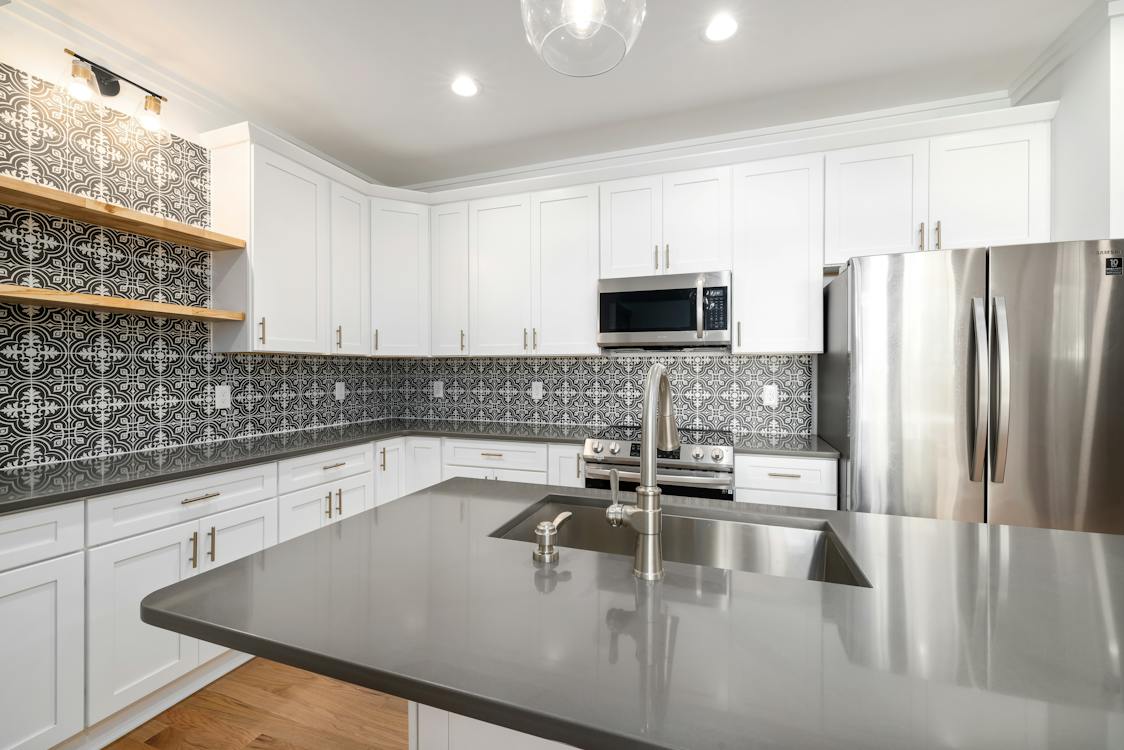
A statement backsplash is one of the most impactful forms of kitchen wall decor ideas. It serves as a protective surface and a central art installation. From colourful mosaic tiles to custom-printed panels, these approaches blend modern kitchen wall art with function.

For more backsplash inspiration, explore Houzz’s Kitchen Wall Décor Ideas or browse Architectural Digest’s Kitchen Art Inspirations. For related reading, see our guide on ‘Contemporary Kitchen Design Trends’ and ‘Farmhouse Kitchen Renovation Ideas’ (internal links).

1.1 Colourful Mosaic Tiles

A mosaic created from small, colourful tiles arranged to form abstract patterns or a scene is ideal for homeowners who want vibrant kitchen wall decor ideas. A mosaic tile mural blending artistic expression with practicality can be a stunning focal point for contemporary kitchen art.

  • Adds vibrancy and personality to any kitchen style.
  • Customisable to match your palette – works particularly well in maximalist and Mediterranean-inspired kitchens.
  • Acts as both art and a durable, cleanable surface.

1.2 Large-Scale Painting Under Glass

A large-scale painting installed as a backsplash and protected by glass transforms your kitchen into a gallery space. This is especially compelling as luxury kitchen wall art – a striking masterpiece that stays pristine behind a glass overlay.

  • Provides a sleek, modern look befitting contemporary kitchen art.
  • The glass overlay makes cleaning hassle-free.
  • Offers endless design possibilities – any painting can become your focal point.

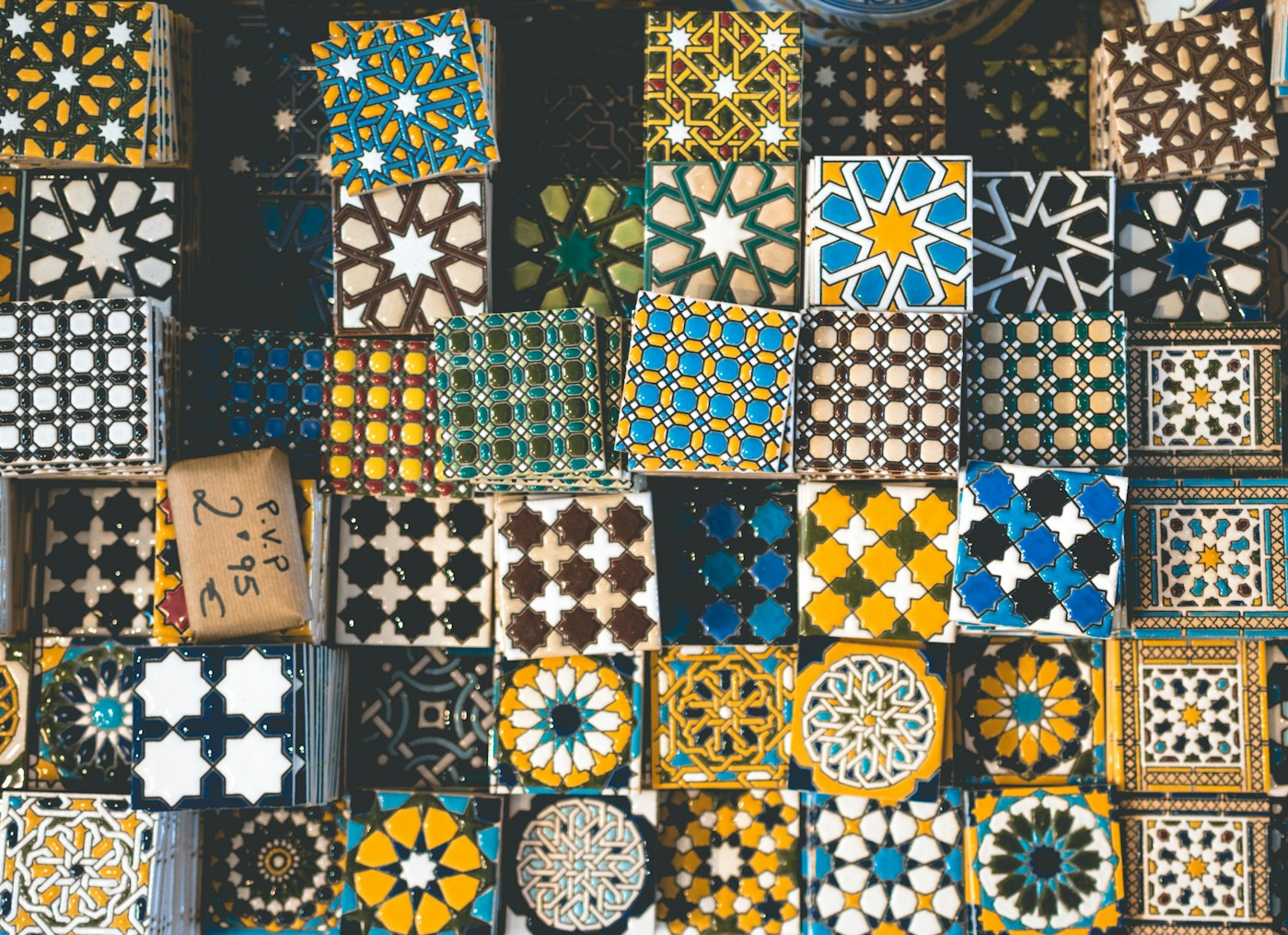
1.3 Hand-Painted Ceramic Tiles

Hand-painted ceramic tiles give your kitchen wall a bespoke, artisanal feel. Commission a local artist or get creative yourself – from delicate floral patterns to bold geometric shapes. This is a favourite in farmhouse kitchen wall decor for good reason: it’s deeply personal and beautifully textured.

Related reading: ‘Best Independent Ceramic Artists in the UK 2026’ (internal link).

1.4 3D Textured Tiles

3D textured tiles feature raised patterns mimicking natural elements – stones, leaves, or abstract geometric forms. The depth adds visual interest and transforms your kitchen wall into a multi-sensory experience. Pinterest Predicts 2026 highlights textured wall finishes as one of the top surging searches in home decor.

1.5 Metallic Tiles

Metallic tiles catch the light and create dynamic patterns that shift throughout the day. Whether silver, copper, or brushed gold, metallic tiles deliver luxury kitchen wall art with contemporary flair. Perfect for modern kitchen wall art in industrial or transitional design aesthetics.

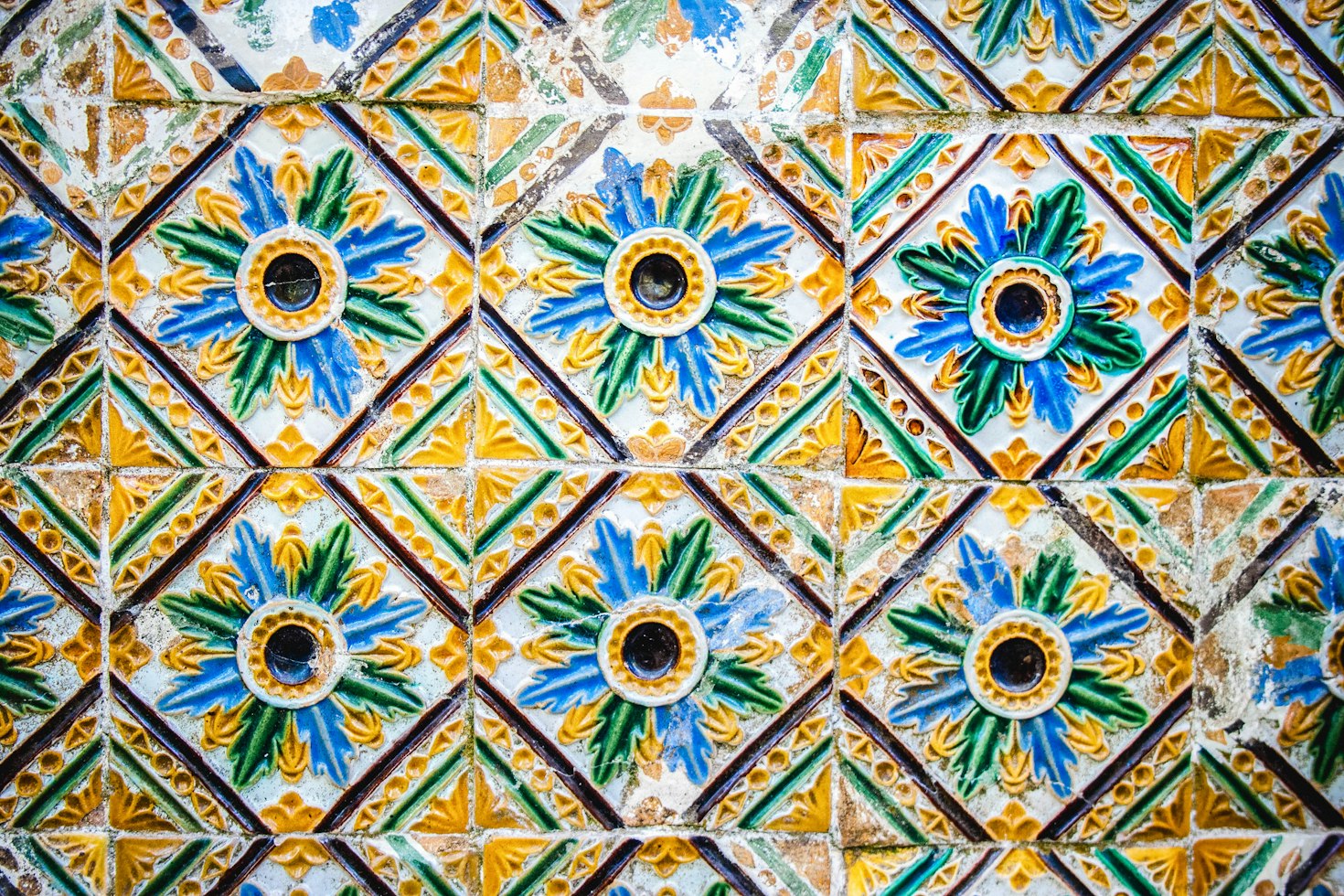
1.6 Antique Tiles

Antique tiles bring history and character. Intricate designs and patina contrast beautifully with modern cabinetry. Mix antique tiles with contemporary elements for a balanced farmhouse kitchen wall decor look. Related: ‘How to Mix Old and New in Kitchen Design’ (internal link).

1.7 Glass Tile Murals

Glass tiles have a luminous quality that sets them apart. Used to create murals – from abstract designs to detailed landscapes – they deliver depth and a dynamic interplay of light. Custom-designed to suit your kitchen’s theme, they’re among the most striking contemporary kitchen art options available.

1.8 Custom Printed Backsplash Panels

High-resolution images can now be transferred onto backsplash panels. Choose an image of personal significance – a landscape, a piece of abstract art, a botanical illustration – and your kitchen becomes a curated gallery. These panels offer seamless, affordable kitchen wall art when ordered as ready-made prints, or luxury kitchen wall art when commissioned bespoke.

2. Kitchen Gallery Wall: Curating a Personal Collection

The kitchen gallery wall remains one of the most searched-for kitchen wall art ideas – and for good reason. It’s flexible, deeply personal, and works in any size kitchen. Whether your style is modern kitchen wall art or rustic farmhouse kitchen wall decor, a well-curated gallery wall can pull your entire kitchen together. See also: ‘How to Style a Gallery Wall in Small Spaces’ (internal link).

2.1 Food-Themed Artworks

Celebrate the essence of cooking with food-themed art. Popular choices for contemporary kitchen art include:

  • Vibrant fruit and vegetable prints – bold and colourful, brilliant for small kitchen decor ideas where you want impact without clutter.
  • Vintage food advertisements – nostalgic, witty, and endlessly charming.
  • Whimsical culinary illustrations – fun depictions of kitchen scenes that add personality and warmth.

2.2 Vibrant Abstracts

Abstract art brings energy to any space. Choose pieces with colours that complement your kitchen’s existing scheme or serve as bold accents against a neutral background. Vibrant abstracts are a cornerstone of modern kitchen wall art and work particularly well paired with handleless cabinetry and quartz worktops.

2.3 Utensil Art

Oversized prints or sculptural pieces featuring forks, spoons, and whisks add whimsy and thematic consistency to a culinary space. This playful style of kitchen wall decor ideas works beautifully when hung in clusters to form a cohesive display.

2.4 Culinary Quotes & Typography

Typographic art featuring culinary quotes is hugely popular in farmhouse kitchen wall decor and continues to feature strongly in kitchen wall art trends 2026. Choose fonts and frames that complement the overall style of your kitchen for a cohesive look. Related: ‘Best Printable Kitchen Quotes for 2026’ (internal link).

2.5 DIY Art Projects

Personalise your gallery wall with DIY kitchen wall art:

  • Framed recipe cards: Preserve family recipes in beautiful frames – a meaningful and affordable kitchen wall art idea.
  • Shadow box displays: Combine small kitchen gadgets, vintage utensils, or spice jars to tell a culinary story.

2.6 Mixed Media Compositions

Combine different media for an eclectic gallery wall – mix framed art prints with decorative plates, hanging spice jars, or woven wall hangings. This layered approach is central to contemporary kitchen art aesthetics in 2026.

2.7 Herb and Spice Charts

Framed herb and spice charts serve double duty as functional cooking references and attractive design elements. They contribute to a modern yet rustic aesthetic, making them ideal for farmhouse kitchen wall decor and small kitchen decor ideas alike.

2.8 Personal Photographs

Incorporate personal touches with photographs capturing memorable culinary moments, family cooking traditions, and favourite meals. Black-and-white photography has a particular elegance that suits minimalist kitchen art.

3. Seasonal Kitchen Wall Art Ideas

Updating your kitchen wall art to reflect the seasons keeps your space fresh and dynamic throughout the year. This rotating approach is particularly effective for small kitchen decor ideas – swapping a single focal piece each season can completely transform the feel of the room without major investment.

3.1 Spring Inspirations

  • Botanical prints featuring blooming flowers and delicate greenery – a staple of kitchen wall art trends 2026.
  • Pastel tones in minimalist kitchen art to create a calm, airy atmosphere.
  • Seasonal produce art – strawberries, artichokes, asparagus – blending culinary passion with the season.

3.2 Summer Vibes

  • Bold fruit prints – sun-kissed oranges, watermelons, tropical produce – energise the kitchen with colour.
  • Ocean and coastal themes for modern kitchen wall art in beach-inspired or coastal living kitchens.
  • Vivid, saturated colour palettes evoking long, sunny days.

3.3 Autumn Accents

  • Rustic, earthy tones – warm oranges, deep reds, and browns – are classic in farmhouse kitchen wall decor.
  • Seasonal produce art featuring pumpkins, apples, and autumn leaves celebrates the harvest season.
  • Natural textures such as wood accents or distressed finishes add rustic depth.

3.4 Winter Minimalism

  • Clean-lined minimalist kitchen art in muted palettes suits the quiet elegance of winter.
  • Cosy quotes and imagery evoking warmth and indoor gatherings.
  • Monochromatic schemes – black-and-white prints or subtle tonal variations – provide a serene winter backdrop.

4. DIY Kitchen Wall Art Projects

For those who love a hands-on approach, DIY projects are an excellent way to infuse creativity into your kitchen wall decor ideas. They’re also the most accessible route to affordable kitchen wall art – often costing very little while delivering maximum personal impact.

4.1 Framed Recipe Cards & Menus

Turn cherished family recipes into art by framing handwritten or printed recipe cards. Use vintage frames or create a collage of recipes. Change the displayed recipe seasonally to keep your kitchen wall art fresh and relevant.

4.2 Chalkboard Art for Daily Menus

A chalkboard wall or framed chalkboard panel is both functional and artistic – a classic in modern kitchen wall art. Write daily menus, inspirational quotes, or food illustrations. Change the design as often as you like – it’s among the most dynamic and affordable kitchen wall art approaches available.

4.3 Hanging Herb Gardens

Combine kitchen wall decor ideas with functionality by installing a vertical herb garden. Fresh herbs always within reach; living greenery adding natural, biophilic beauty to your kitchen walls – directly aligned with Pinterest Predicts 2026’s ‘botanical maximalism’ trend. Related: ‘Best Indoor Herb Garden Kits UK 2026’ (internal link).

4.4 DIY Collage Wall

Create a collage using photos, postcards, fabric swatches, and pressed botanicals that resonate with your culinary journey. This is a brilliant small kitchen decor idea – arrange elements in an abstract pattern to create a wall that tells a personal story without taking up physical space.

5. Budget Guide: Affordable to Luxury Kitchen Wall Art

One of the most common questions about kitchen wall art ideas is: how much should I spend? The answer depends entirely on your priorities. Below is a full breakdown from affordable kitchen wall art options to luxury kitchen wall art investments.

“You don’t need to spend a fortune to have a beautiful kitchen. I’ve seen a £12 botanical print from a digital download, framed in a charity shop find, completely transform a kitchen. What matters is intentionality and placement – not budget.”

– Amara Reid, Studio Amara London

Budget Tier Price Range Best Options Where to Buy
Budget-Friendly Under £50 Printables, DIY recipes, chalkboard art, seasonal prints Etsy, IKEA, Amazon
Mid-Range £50–£200 Botanical prints, gallery wall sets, hand-painted tiles, canvas art Desenio, Wayfair, Next
Premium £200–£600 Custom printed panels, mosaic tiles, artisan ceramics, and large canvases Anthropologie, John Lewis
Luxury £600+ Commission local artists, bespoke murals, and metallic tile installations Local studios, bespoke artisans

Affordable Kitchen Wall Art Tips (Under £50)

  • Search Etsy for digital printable downloads – buy once, print as many times as you like.
  • Repurpose old frames from charity shops and fill them with botanical illustrations or food prints.
  • Use free print-quality images from Unsplash or Wikimedia Commons for zero-cost kitchen wall art.
  • Create your own chalkboard art wall with a tin of chalkboard paint and chalk markers – total cost often under £20.

Luxury Kitchen Wall Art: What to Invest In

  • Commission a local muralist for a bespoke kitchen mural – prices start around £800, but create a truly one-of-a-kind space.
  • Invest in hand-thrown, hand-painted ceramic tile panels from independent studio potters.
  • Explore premium backsplash installations using metallic or glass tile murals for enduring luxury kitchen wall art.
  • Work with an interior designer to select original oil paintings or signed prints that will appreciate.

6. Kitchen Wall Art: Harmonising Aesthetics and Functionality

When selecting kitchen wall decor ideas, the most important consideration beyond aesthetics is functionality. The kitchen is a high-heat, high-humidity, high-traffic environment. Your art needs to survive it.

6.1 Materials That Work in Kitchens

  • Ceramic and porcelain tiles: Durable, heat-resistant, and easy to clean – ideal for backsplash-based kitchen wall art.
  • Tempered glass panels: Sleek, moisture-proof, and perfectly suited to modern kitchen wall art.
  • Metal prints: Waterproof, wipeable, and contemporary – a go-to for affordable kitchen wall art with a premium look.
  • Canvas behind glass or acrylic: Protects artwork from grease and steam while maintaining the look of traditional art.
  • Treated or lacquered prints: UV-resistant and moisture-sealed for long-lasting contemporary kitchen art.

6.2 Placement and Sizing

For small kitchen decor ideas, resist the urge to overfill the walls. A single large statement piece – a botanical print or an abstract canvas – will have more impact than a cluttered arrangement. For larger kitchens, a gallery wall spanning the length of a dining area creates a cohesive, restaurant-inspired feel.

Related reading: ‘How to Choose the Right Size Art for Your Kitchen’ (internal link).

6.3 Balancing Themes and Colours

Whether you’re drawn to the earthy warmth of farmhouse kitchen wall decor, the graphic clarity of minimalist kitchen art, or the exuberant personality of contemporary kitchen art, consistency is key. Choose a palette and stick to it across your wall art, textiles, and accessories.

7. Bathroom Wall Art Ideas: A Separate Space, Separate Rules

Bathrooms deserve their own dedicated treatment when it comes to wall art. While kitchen wall art ideas can focus on heat resistance and practical backsplash use, bathroom wall art has a different primary challenge: sustained moisture and humidity. Here’s how to approach bathroom walls with the same artful intentionality as your kitchen.

Key Difference: Kitchen vs Bathroom Wall Art

Kitchen art must withstand: heat, grease, and occasional steam from cooking. Bathroom art must withstand sustained humidity, condensation from showers, and regular moisture. Always choose moisture-resistant materials for bathroom art, including waterproof prints, sealed canvases, or ceramic tile art.

7.1 Art-Inspired Wallpaper for Bathrooms

Art-motif wallpaper can transform a bathroom into a gallery-like sanctuary. Ensure the wallpaper is moisture-resistant and specifically rated for bathroom use. Botanical patterns, abstract geometrics, and art deco-inspired prints are popular choices in 2026 bathroom design.

7.2 Vintage Artwork in Bathrooms

Antique or vintage prints bring timeless appeal to a bathroom. Choose prints with classic botanical illustrations, vintage maps, or fine art reproductions. Pair antique frames with classical art to evoke elegance. Protect prints behind glass with sealed frames.

7.3 Waterproof Prints and Canvas

Purpose-designed waterproof prints and outdoor-rated canvas art are among the smartest investments for bathroom walls. Available at all price points, from affordable digital downloads printed on waterproof stock to luxury canvas editions, they provide genuine peace of mind in high-humidity conditions.

7.4 Functional Art Elements

Merge form with function in bathrooms:

  • Decorative shelving with displayed ceramics, small sculptures, or framed prints.
  • Waterproof mirror art – decorative mirrors with etched or printed frames that double as wall art.
  • Magnetic wall art panels that incorporate hook storage while remaining visually beautiful.

7.5 Minimalist Bathroom Art

The minimalist aesthetic translates beautifully to bathrooms. A single oversized botanical print, a monochrome abstract, or a clean typographic piece on a spa-like white wall creates a calming, luxurious effect without visual clutter.

8. Interactive Checklist: Is Your Kitchen Art Ready?

Before finalising your art selection, use this checklist to ensure every piece fits your style and practical needs. This applies equally to kitchen wall decor ideas and bathroom art choices.

Checklist Item What to Check
☐ Theme Consistency Does the art match the overall kitchen theme?
☐ Easy-to-Clean Material Is the material durable enough to withstand spills and heat?
☐ Proper Size Are the pieces proportionate to your wall space?
☐ Colour Harmony Do the colours complement your kitchen decor?
☐ Functional Placement Is the art positioned where it won’t interfere with daily activities?
☐ 2026 Trend Alignment Does the piece reflect current kitchen wall art trends 2026?
☐ Budget Check Does the piece fit your tier (affordable, mid-range, or luxury kitchen wall art)?

Kitchen Wall Art Ideas: Harmonising Aesthetics and Functionality

Kitchen wall art ideas extend beyond aesthetics and can improve functionality. Magnetic wall art in the kitchen can serve as a storage solution for knives and utensils. Meanwhile, waterproof art prints can add beauty and practicality to the bathroom.

Curating the Perfect Pieces

When selecting art for non-traditional spaces, consider the theme, colour palette, and mood you want to convey. Food-themed art, abstracts, or even personalised art that reflects your culinary journey can be enticing choices in the kitchen. For the bathroom, soothing landscapes, serene abstracts, or art that complements your decor can enhance the overall ambience.

Conclusion

Kitchen wall art ideas are just the beginning of what’s possible when you treat every room in your home as a canvas. Whether you’re drawn to the bold statements of luxury kitchen wall art, the personal warmth of a DIY gallery wall, the clean elegance of minimalist kitchen art, or the earthy charm of farmhouse kitchen wall decor, the right art has the power to transform a purely functional space into one that genuinely inspires you every day.

As kitchen wall art trends 2026 confirm, the direction is clear: intentional, curated, and deeply connected to materials and nature. Use this guide alongside our dedicated pages on ‘Farmhouse Kitchen Design Ideas’, ‘Small Kitchen Decor Ideas’, and ‘Contemporary Kitchen Art’ (internal links) to build a kitchen that’s uniquely and beautifully yours.

FAQs

Vibrant, durable, and easy-to-clean artworks are best. For kitchen wall decor ideas, look for pieces that can withstand heat and moisture – such as art behind glass, metal prints, or printed on waterproof materials. Ceramic tiles, botanical prints, and contemporary kitchen art in sealed frames are all excellent choices.

According to Pinterest Predicts 2026, biophilic and botanical art is the biggest trend, followed by textured 3D wall installations, sustainable eco-art, and quiet luxury minimalist kitchen art. Retro and vintage prints are also surging, particularly for farmhouse kitchen wall decor.

Digital printable downloads from Etsy or Design Bundles are the most cost-effective approach – many high-quality prints are available for under £10. Charity shop frames, chalkboard paint walls, and DIY recipe card art are also excellent, affordable kitchen wall art strategies. See our Budget Guide section above for a full breakdown.

Use glass overlays, waterproof coatings, or materials specifically designed for high-humidity environments. Tempered glass panels, ceramic tiles, metal prints, and lacquered canvas are all excellent choices. Position art away from direct heat sources such as hobs and ovens where possible.

Yes – and often it works better than many small pieces. A single oversized print creates impact without visual clutter, which is a key principle in small kitchen decor ideas. Choose minimalist kitchen art in a bold colour or scale, or opt for a custom-printed backsplash panel that doubles as art and functionality.

Kitchen wall art must primarily resist heat and grease; bathroom wall art must primarily resist sustained humidity and moisture. Both require durable, sealed materials, but bathroom art needs to be specifically rated for high-humidity environments. See our dedicated Bathroom Wall Art section (Section 7) for full guidance.

Why Abstract Art is Perfect for Your Office Space

Why Abstract Art is Perfect for Your Office Space

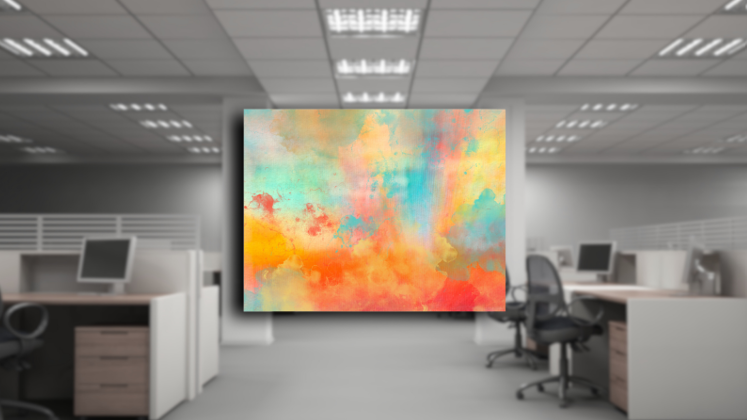
Abstract art has become increasingly popular in office environments over the past few decades. From sleek corporate headquarters to creative startup spaces, abstract paintings and sculptures adorn walls and lobbies across industries. But why is abstract art such an ideal choice for the workplace? This blog will explore the benefits of incorporating abstract pieces into office design and how they can enhance productivity, creativity, and overall ambience.

The Power of Abstract Art in the Workplace

Abstract art, by its very nature, is open to interpretation. Unlike representational art, which depicts recognisable objects or scenes, abstract works use colour, shape, form, and gesture to create compositions that don’t necessarily reflect visual reality. This non-representational quality gives abstract art a unique power in office settings:

  • It stimulates creativity and innovative thinking

The ambiguous nature of abstract art engages the imagination and encourages viewers to think outside the box. When abstract works surround employees, it can help shift their mindset into a more creative zone. The abstract forms and colours can spark new ideas and perspectives that translate into innovative solutions at work.

It stimulates creativity and innovative thinking
  • It’s universally appealing.

Abstract art transcends cultural boundaries and personal tastes in a way that figurative art cannot. A landscape or portrait may resonate with some employees but not others based on their backgrounds and preferences. Abstract pieces, however, can be appreciated on a more universal level for their aesthetic qualities alone.

It creates a sophisticated atmosphere
  • It creates a sophisticated atmosphere.

Well-chosen abstract art lends an air of refinement and thoughtfulness to an office space. It shows that care and consideration have gone into the environment beyond just functional needs. This can elevate the overall feel of the workplace and create a more prestigious impression for clients and visitors.

  • It’s conversation-starting

Abstract works naturally prompt discussion as viewers share their interpretations and reactions. This can help facilitate employee connections and break the ice between clients and partners visiting the office.

  • It’s emotionally engaging without being distracting.

While abstract art can evoke feelings and spark thoughts, it doesn’t demand attention in the same way that narrative scenes might. This creates an enriching atmosphere without pulling focus from work tasks.

  • It complements modern office design.

Many abstract works’ clean lines and bold forms pair beautifully with contemporary office aesthetics. Abstract art can enhance the visual impact of minimalist spaces or add dynamic energy to more neutral environments.

It complements modern office design
Choosing the Right Abstract Art for Your Office

Choosing the Right Abstract Art for Your Office

When selecting abstract pieces for a workplace, there are several factors to consider:

  • Colour palette: Look for pieces that complement or thoughtfully contrast your existing colour scheme. Bold, energising colours can be great for creative spaces, while more subdued tones may suit traditional corporate environments.
  • Scale: Choose pieces that fit well with your space’s dimensions. A large statement piece can be impactful in a lobby or conference room, while a series of smaller works might be better for corridors or individual offices.
  • Style: Abstract art encompasses various styles, from geometric compositions to fluid, organic forms. Consider what aesthetic aligns best with your company culture and the impression you want to create.
  • Medium: While paintings are a popular choice, consider other media like sculptures, prints, or even digital art displays, which can add variety and interest to your space.
  • Artist: Supporting local or emerging artists can be a great way to bring unique pieces into your office while contributing to the artistic community.

Emotional tone: Think about the overall mood you want to create in different office areas. Calming, meditative pieces work well in quiet zones, while more dynamic, energetic artworks could enliven collaborative spaces.

Implementing Abstract Art in Different Office Areas

Different spaces within an office can benefit from abstract art in unique ways:

  • Reception areas: Make a solid first impression with a bold, eye-catching piece that reflects your company’s energy and values.
  • Conference rooms: Choose thought-provoking works that can inspire creative discussions and fresh perspectives during meetings.
  • Individual offices: Allow employees to select abstract pieces that resonate with them personally to create a sense of ownership and comfort in their space.
Implementing Abstract Art in Different Office Areas
  • Break rooms: Incorporate playful or relaxing abstract works to enhance the therapeutic quality of these areas.
  • Open plan spaces: Use large-scale abstract pieces to define different zones or add visual interest to expansive walls.
  • Corridors: Create engaging pathways with related abstract works that draw the eye and energise transitional spaces.
Caring for Abstract Art in the Office

Caring for Abstract Art in the Office

To ensure your investment in abstract art continues to enhance your office for years to come, proper care is essential:

  • Lighting: Protect pieces from direct sunlight and use appropriate lighting to showcase them effectively.
  • Cleaning: Dust regularly and gently. For more thorough cleaning, consult art conservation professionals.
  • Handling: Train facilities staff on proper art handling techniques to prevent damage during cleaning or office reconfigurations.
  • Documentation: Keep records of the artworks’ provenance, value, and special care instructions.
  • Insurance: Make sure your office insurance policy adequately covers your art collection.

Rotation: Consider periodically rotating pieces to different office areas to keep the environment fresh and engaging.

The Impact of Abstract Art on Employee Well-being

Beyond its aesthetic value, abstract art can have tangible effects on employee well-being and performance:

Stress reduction: Studies have shown that viewing art can reduce stress and promote relaxation. Abstract art, in particular, can provide a mental break from work pressures and allow employees to shift their focus momentarily.

The Impact of Abstract Art on Employee Well-being

Improved mood: The presence of art in the workplace has been linked to increased job satisfaction and positive mood among employees. Abstract pieces can add visual interest and energy to what might otherwise be a dull environment.

  • Enhanced productivity: Abstract art may indirectly boost productivity by creating a more stimulating and pleasant work environment. Employees who feel more engaged with their surroundings will likely be more focused and motivated.
  • Increased creativity: Regular exposure to abstract art can help cultivate creative thinking skills that transfer to work tasks. The non-literal nature of abstract works encourages flexible thinking and novel associations.

Better cognitive function: Engaging with art activates multiple brain areas, improving overall cognitive function. This mental stimulation can be particularly beneficial in office settings where tasks may become routine.
The Business Case for Abstract Art in Offices

Investing in abstract art for your office isn’t just about aesthetics – it can also make good business sense:

  • Attracting talent: A thoughtfully designed office with quality artwork can attract potential employees, especially in creative industries.
  • Impressing clients: Well-chosen abstract pieces signal sophistication and attention to detail, which can positively influence client perceptions.
  • Enhancing brand image: Abstract art can subtly reinforce brand colours, values, or messaging in a more elevated way than typical corporate decor.
The Business Case for Abstract Art in Offices
  • Increasing value: For companies that own their office buildings, a curated art collection can be an asset that appreciates over time.
  • Promoting innovation: By creating an environment that stimulates creative thinking, abstract art can contribute to a culture of innovation within the company.
Tax benefits: In some cases, purchasing art for a business can offer tax advantages – consult a financial advisor for specifics.

Overcoming Common Concerns About Abstract Art in Offices

Overcoming Common Concerns About Abstract Art in Offices

Despite its many benefits, some companies may need help incorporating abstract art into their workspaces. Here are some common concerns and how to address them:

  • “It’s too controversial”: While some abstract art can be provocative, plenty of options are universally appealing and appropriate for professional settings.
  • “It’s too expensive”: Abstract art comes at all price points. Consider prints, emerging artists, or even commissioning pieces to find options that fit your budget.

“Employees won’t understand it”: The beauty of abstract art is that it doesn’t need to be “understood” in a literal sense to be appreciated. If desired, provide some context about the artists or works, but allow individual interpretations.

  • “It doesn’t match our traditional decor”: Abstract art can complement traditional spaces by adding a contemporary touch. Look for pieces with colours or forms that echo existing elements in your office.

“It’s just a trend”: Abstract art has been a significant movement for over a century and continues to evolve. Thoughtfully chosen pieces can have lasting appeal beyond current trends.

The Future of Abstract Art in Office Design

As workplace design continues to evolve, the role of abstract art is likely to become even more significant:

  • Digital integration: Expect more digital displays of abstract art that can change periodically or even respond to environmental factors.
  • Interactive installations: Abstract art pieces that employees can interact with or manipulate may become more common, especially in creative industries.

Customisation: Advances in printing and fabrication technologies may allow for more personalised abstract art tailored to specific office spaces and brands.

The Future of Abstract Art in Office Design
  • Biophilic connections: Abstract art incorporating natural elements or patterns may gain popularity as part of the broader trend towards biophilic office design.

Virtual reality experiences: As VR technology becomes more prevalent in workplaces, abstract art may extend into immersive virtual environments.

Conclusion

Abstract art offers a unique combination of aesthetic appeal, cognitive stimulation, and emotional resonance, making it exceptionally well-suited for office environments. By carefully selecting and integrating abstract pieces into your workplace, you can create a more inspiring, productive, and enjoyable space for employees and visitors. Whether you’re redesigning your entire office or simply looking to refresh your current decor, consider the powerful impact that abstract art can have on your work environment.

The non-representational nature of abstract art allows it to transcend cultural and personal boundaries, making it an inclusive choice for diverse workplaces. Its ability to stimulate creativity, reduce stress, and enhance overall well-being makes it a valuable investment in your most important asset – your employees. Moreover, the prestige and sophistication that quality abstract art lends to an office space can positively influence client perceptions and reinforce your company’s brand image.

As we move towards increasingly dynamic and flexible work environments, abstract art’s adaptability perfectly positions it to meet the changing needs of modern offices. Whether it’s creating a striking first impression in your lobby, fostering creative discussions in meeting rooms, or providing moments of inspiration in individual workspaces, abstract art can enhance every area of your office.

Ultimately, incorporating abstract art into your office design is about more than just decorating walls – it’s an investment in creativity, well-being, and the overall success of your business. By embracing the power of abstract art, you can transform your office into a truly inspiring space that supports your team’s best work and reflects the forward-thinking nature of your company.

Points to Note While Buying Nature Wall Paintings

Points to Note While Buying Nature Wall Paintings

In a world where technology often dominates our surroundings, incorporating elements of nature into our living spaces can provide a refreshing and grounding ambience. One way to achieve this is through nature wall paintings. These artworks beautify our walls and bring the serenity and tranquillity of the outdoors indoors. However, several important points must be considered before you purchase nature wall paintings. In this guide, we’ll explore these factors to help you find the perfect nature-inspired artwork for your space.

1. Theme and Style

When selecting nature wall paintings, one of the foremost considerations is the theme and style of your space. Your choice should harmonise with the existing decor and contribute to the overall ambience you wish to create. Here’s a closer look at how to align your nature wall paintings with the theme and style of your room:

Minimalist and Modern

If your space features clean lines, neutral colours, and minimalist furnishings, opt for nature wall paintings that complement this contemporary aesthetic. Look for artworks with simple compositions, subtle colours, and minimalistic details. Landscapes with expansive skies or abstract nature-inspired designs can enhance the modern feel of the room without overwhelming the space.

Minimalist and Modern
Rustic and Nature-Inspired

Rustic and Nature-Inspired

For rooms with more rustic or nature-inspired decor, embrace wall paintings that evoke the tranquillity of the outdoors. Consider landscapes depicting lush forests, serene lakes, or rugged mountainscapes. Botanical prints showcasing flowers, leaves, or branches can also add a touch of organic charm to the space. Look for earthy tones and textured surfaces to enhance the rustic appeal of the space.

Eclectic and Bohemian

If your style leans towards eclectic or bohemian, don’t be afraid to mix and match different types of nature wall paintings to create a curated, artistic look. Combine landscapes with abstract florals, wildlife motifs with botanical prints, or vibrant colours with subdued tones. Embrace the eclectic nature of your space by layering textures, patterns, and colours to reflect your unique personality and interests.

Eclectic and Bohemian
Traditional and Classic

Traditional and Classic

Consider nature wall paintings that radiate enduring grace and refinement in rooms adorned with traditional or classic decor. Look for landscapes inspired by classical art movements or botanical illustrations reminiscent of vintage botanical prints. Choose artwork with refined details, balanced compositions, and a sense of timelessness that complements the room’s traditional charm.

Contemporary and Artistic

For spaces that celebrate creativity and artistic expression, explore nature wall paintings that push the boundaries of traditional representation. Consider abstract interpretations of nature featuring bold colours, expressive brushstrokes, and unconventional compositions. Look for artwork that sparks conversation and invites interpretation, adding a dynamic focal point to the room.

Contemporary and Artistic

The key is to select nature wall paintings that resonate with the theme and style of your space while reflecting your personal taste and aesthetic preferences. Choose from landscapes, botanicals, wildlife, or abstract nature themes to enrich the room’s ambience and foster a harmonious design. Select nature wall paintings that complement your space’s theme and style, seamlessly integrating the beauty of the outdoors with your decor.

Size and Scale

2. Size and Scale

The size of the wall painting is crucial in determining its impact on the room. Take accurate measurements of the wall space where you intend to hang the artwork. Consider the scale of the painting and the surrounding furniture and decor. A large statement piece may be a focal point in the room, while smaller artworks can be grouped for a gallery wall effect.

3. Colour Palette

Pay attention to the colour palette of the painting and how it interacts with the colours already present in the room. Nature wall paintings often feature a range of earthy tones such as greens, browns, blues, and neutrals. Choose colours that harmonise with your existing decor while adding visual interest to the space. Consider the mood you want to evoke – calming and tranquil or vibrant and energetic – and select artworks accordingly.

Colour Palette
Quality and Materials

4. Quality and Materials

Invest in high-quality wall paintings that are made to last. Look for artworks created using durable materials such as canvas or archival paper. Decide between framed or unframed pieces, considering aesthetic appeal and practical aspects. Pay attention to the printing technique (hand-painted, digital print, or mixed media) to ensure that it meets your expectations regarding clarity, detail, and texture.

6. Placement and Lighting

Think about the placement of the nature wall painting within your space. Consider factors such as natural lighting, viewing angles, and focal points. Avoid hanging artworks in direct sunlight or areas prone to high humidity or temperature fluctuations, as this can affect the longevity of the painting. Experiment with different placement options to find the perfect spot where the painting can be appreciated and admired.

Placement and Lighting
Personal Connection

7. Personal Connection

Lastly, choose nature wall paintings that resonate with you.Choose artworks that spark joy, like a serene forest scene from a beloved hike or vibrant florals that uplift your mood. Your home should reflect your unique personality and preferences, so trust your instincts when selecting paintings.

Conclusion

Nature wall paintings can transform your living space into a tranquil oasis filled with beauty and inspiration. Consider theme, size, colour, quality, artist, and placement to select artworks that enrich your home’s atmosphere and seamlessly blend outdoor allure with indoor charm.

Framing Considerations for Room Decor: Elevating Art and Space

Framing Considerations for Room Decor: Enhancing Art and Space

In interior design, framing artwork isn’t just practical; it’s a critical aesthetic choice that profoundly influences a room’s ambience and cohesion. Framing considerations for room decor go beyond protecting and showcasing the art; they play an essential role in tying together design elements, influencing the mood, and enhancing visual appeal.

Room Decor: The Impact on Room Aesthetics

When choosing frames for your decor strategy, consider style, material, and colour to enhance the artwork and the room’s aesthetic. A well-selected frame harmoniously links art with room decor, blending seamlessly into the environment.

Style Harmony

Style harmony is achieved when the frame complements the artwork it holds and integrates seamlessly with the room’s overall design. Here are a few ways to accomplish this:


  • Match the frame to architectural details: For a cohesive look, consider framing that echoes architectural elements in the room, such as mouldings, trim work, or even furniture styles.
  • Consider the artwork’s era: Align the frame with the period the artwork is from for historical consistency. A vintage frame can accentuate the charm of an antique painting, while a contemporary piece might call for more modern framing.

Framing Considerations for Room Decor: Material Matters

When it comes to enhancing the aesthetics of a room through art, the material of the frame is as crucial as the artwork itself. The selection of frame material, from the warmth of wood to the sleekness of metal, plays a vital role in shaping the room’s aesthetic and vibe. Here’s a closer look at how selecting a suitable frame material can complement and elevate room decor.

Framing Considerations for Room Decor: Wood.  Embracing Natural Warmth and Timeless Elegance

Wood frames are timeless and versatile, offering various finishes and styles that blend seamlessly with any decor. It is ideal for spaces with wooden furniture or architectural elements, to enhance the  warmth and natural touch. Whether you choose a dark mahogany frame to introduce richness to a classic study or a light pine frame to enhance the rustic feel of a cosy cabin, wood frames add a natural charm.

Wood Frames
  • A historic touch: Distressed wood frames can add character and a sense of history to rooms with a rustic or country theme.
  • Intricately Carved Wood Frames for Classic Interiors: Polished wood frames with intricate carvings can elevate the sophistication of classical or formal interiors.
  • A range of textures: The frame’s material can add depth and interest to the room. A velvet-lined frame adds a touch of luxury, whereas a rustic wood frame offers warmth and natural texture.
  • Textured Wood: A frame with a visible wood grain can add an earthy, natural texture to the room, making the space feel more grounded and connected to nature.
Metal Frames

Framing Considerations for Room Decor: Metal.  Contemporary Sleekness and Modern Flair

With their clean lines and reflective surfaces, metal frames are ideal for contemporary spaces. They can introduce a sleek, industrial vibe or a minimalist aesthetic, depending on the finish and design. Brushed nickel or aluminium frames complement modern decor, while glossy gold or bronze frames add luxury to eclectic interiors.

  • Industrial Edge: A matte black metal frame can enhance the industrial feel of a loft or an urban apartment, adding a stark contrast to brick walls or concrete floors.
  • Minimalist Design: Chrome or silver frames offer a subtle elegance that doesn’t overwhelm, perfect for minimalist decor where simplicity and clean lines are essential.
  • Glossy Metal: A high-gloss metal frame can reflect light, adding brightness and a dynamic element to the room, especially in spaces with ample natural light.

Framing Considerations for Room Decor: Glass.  Transparency and Lightness

Glass frames are perfect for those seeking a minimalist and light-enhancing effect. They provide a sleek, transparent look that complements modern and transitional decor styles. Clear glass frames are ideal for showcasing artwork without distracting from the surrounding decor. In contrast, frosted or tinted glass frames add a subtle touch of elegance while showcasing the artwork.

Glass Frames

Framing Considerations for Room Decor: Acrylic Frames. Modern Simplicity and Versatility

Acrylic frames offer a modern and minimalist alternative to traditional materials. Acrylic frames blend seamlessly into contemporary interiors and are known for their transparency and lightweight appearance. They provide a clean, floating effect that enhances the artwork while adding a sense of openness to the room. Acrylic frames offer versatility and are an excellent choice for residential and commercial spaces.

Mixed Material Frames

Mixed Material Frames: Eclectic Fusion and Customisation

Mixed material frames combine textures and finishes to create a unique, personalised look. These frames often incorporate combinations such as wood, metal, and glass, offering versatility and visual interest. They are perfect for eclectic interiors that blend various design elements or for homeowners looking to make a statement with their frame choice. Mixed material frames allow for creative customisation, making them versatile for enhancing any room’s decor.

Choosing a suitable frame material is crucial for room decor. Whether you favour the natural elegance of wood, the sleekness of metal, or the sophistication of glass, selecting a suitable frame can enhance your artwork and contribute to a cohesive design. By aligning frames with your room’s furniture, colour scheme, and style, you create a harmonious and inviting space.

Colour Coordination

The frame’s colour should complement the artwork and the room’s palette. A frame that echoes one of the room’s subtler accent colours can unify the space, promoting consistency and balance. Conversely, a contrasting frame colour can be a bold statement, drawing attention to the art and making it a focal point.

Colour Coordination
Strategic Placement and Sizing

Texture and Finish: How Frame Surface Choices Influence Interior Design

The texture and finish of the frame material can also significantly affect the room’s overall feel. A rough, tactile surface frame can add depth and intrigue to a space, while a smooth, glossy finish can create a more refined and polished look.

Strategic Placement and Sizing

Beyond style, material, and colour, the placement and sizing of framed artwork can significantly influence a room’s design. Large pieces can serve as anchor points in a room, while smaller pieces can create interest and balance when grouped. The size of the frame relative to the artwork and the space where it hangs can alter the room’s scale and proportions, affecting its overall feel.

Framing Considerations for Room Decor: Conclusion

Selecting the right frame involves more than just protecting your artwork; it’s about enhancing the visual dialogue between the art and your living space. With the right frame, you can harmonise your decor, adding depth, character, and cohesion to the overall ambience. Whether you prefer minimalist or elaborate, rustic or contemporary, matching framing options to your room’s style is key to creating a captivating and harmonious space.

Exploring Creative Alternative Art for Home Interiors

Alternative art

Alternative Art for Home Interiors


In the realm of home decor, the walls of our living spaces serve as canvases, beckoning for personal expression and artistic flair. While traditional paintings have long held the mantle as the go-to option for adorning these spaces, a new wave of alternative art for home interiors is challenging the status quo, offering fresh and inventive ways to infuse personality and style into our homes.

Alternative Art for Home Interiors: Beyond the Canvas

Textured Wall Hangings

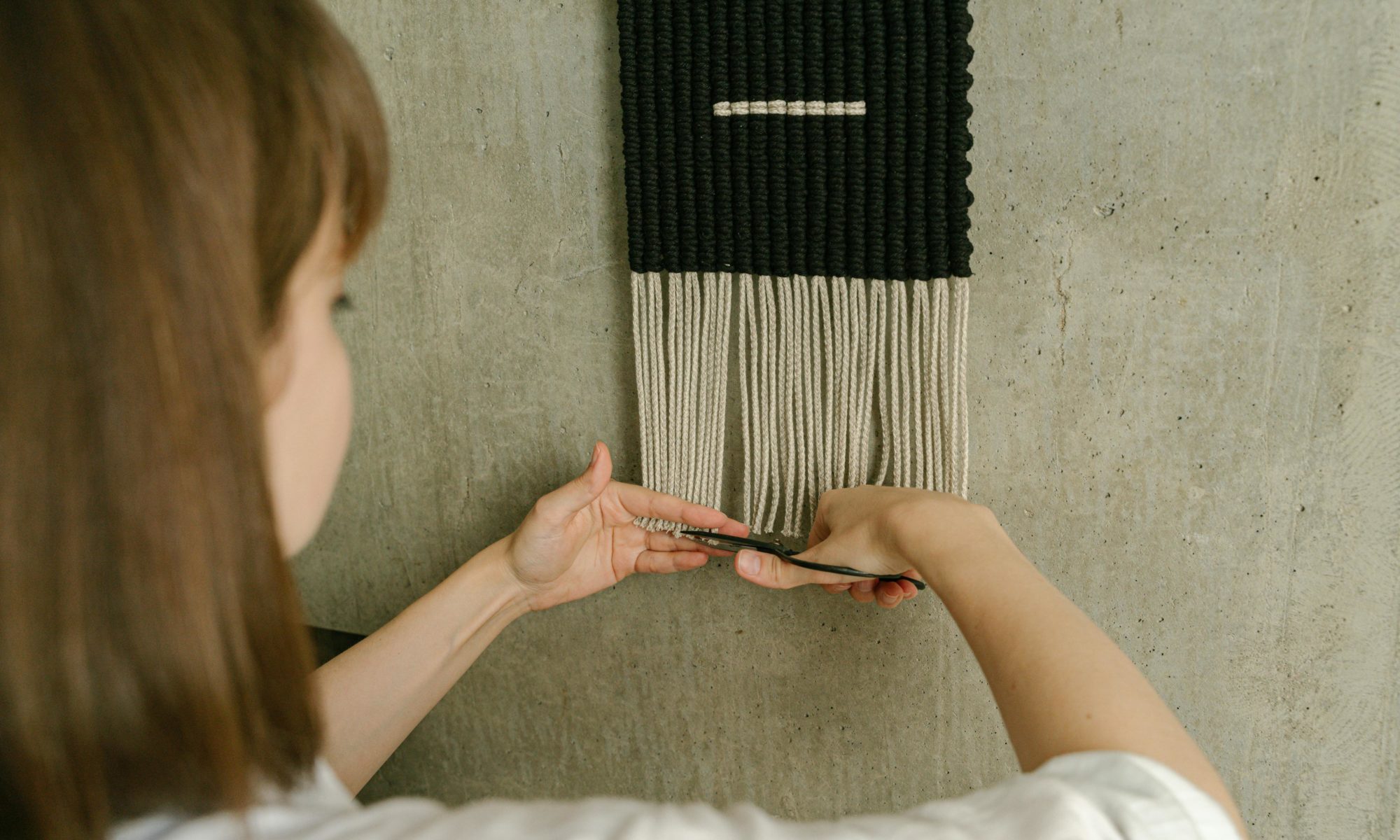
Textured wall hangings can add a unique and dynamic aesthetic to your space, offering a tactile element that paintings cannot. Various materials, such as macramé, woven fabrics, recycled materials, and even plant-based fibres, can be used to create these decorative pieces, each contributing texture and warmth.

For instance, decorative rugs have evolved into modern works of art with innovative designs and textural qualities, such as relief patterns created using different heights of looped wool. These rugs can serve as a functional decor piece and a soundproofing element, especially in open-plan spaces. Hanging a rug on the wall can also be a cost-effective way to feature art in your home, creating a statement or a focal point in a room​​.

An example of creative textured wall decorations includes oversized, handcrafted fibre art that draws inspiration from natural scenery. These pieces often combine Australian Merino wool, plant-based fibres, roping, and unique elements like seashells and clay beads. The resulting artwork showcases natural tones and textures that reflect elements such as sandy shorelines, dune formations, and the ocean’s rhythm, bringing a tranquil and organic touch to interiors. This particular style of fibre art is crafted by the Australian sister duo Crossing Threads, who draw inspiration from their environment to create serene and evocative pieces.

These examples showcase the wide range of possibilities for incorporating textured wall hangings into your interior design, allowing for a more engaging and inviting atmosphere in your living space.

Sculptural Pieces

Incorporating sculptural elements into home interiors introduces an unexpected and sophisticated dimension to room aesthetics. From minimalist metal structures to intricate wooden carvings, these pieces can transform a plain space into a focal point of artistic expression. Whether mounted as standalone features or integrated into wall installations, these sculptures add depth and character, turning walls into canvases for three-dimensional art.

Digital Art Displays

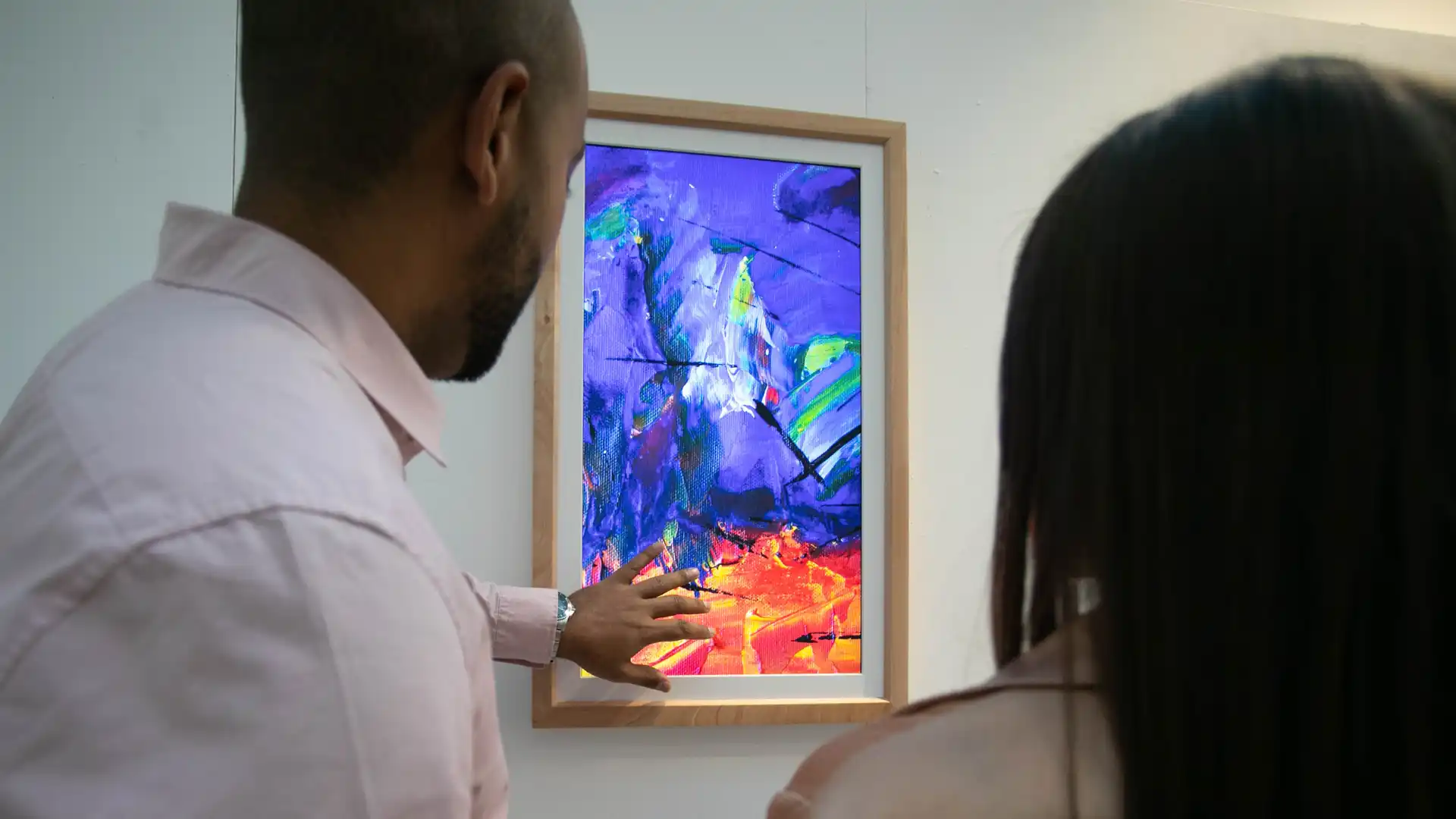
Digital art displays offer an exciting way for enthusiasts to enjoy a dynamic and ever-changing collection of artworks, photographs, and digital creations. For those keen on blending technology with art, digital frames offer a modern solution, allowing for the display of high-quality images, motion photos, and even digital artworks such as NFTs. These sophisticated devices can transform a space by bringing dynamic and high-definition visuals into the home. Available in various sizes, they can be wall-mounted to accommodate individual tastes, offering a customisable aesthetic experience. Features like custom image playlists and the ability to link multiple units together enable the creation of expansive digital art installations. 

Digital canvases present a novel way to engage with interactive, generative, and software-based art, offering a seamless blend of technology and creativity. These platforms are redefining how digital art is appreciated and shared, making it a more integral part of daily life.

They foster a community of artists by providing a global stage for their work and enhancing how art enthusiasts interact with digital creations. With meticulously designed displays, such canvases cater to the dynamic nature of digital art, ensuring that every piece, from the subtle to the complex, is presented in its best light. 

These digital art displays and platforms embody the potential of technology to revolutionise how we engage with art, offering a personalised and flexible approach to art collection and appreciation.

Check out our friends at Vieunite and try it now for yourself.

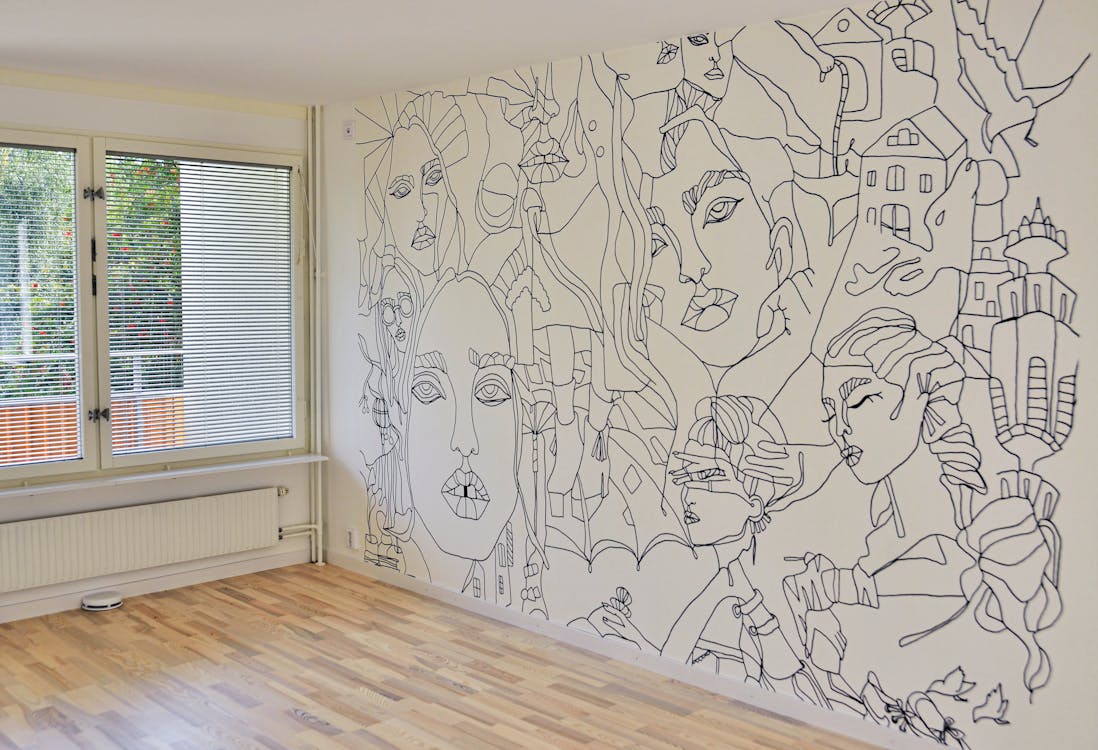
Mural and Wall Decals

For those looking to enhance their space with vibrant and dynamic artwork, murals and wall decals are a fantastic option. They come in a wide variety of styles and themes, allowing for personal expression and the ability to change the ambience of a room dramatically.

alternative art

Murals and wall decals present a vibrant alternative for those seeking to infuse personality and character into their spaces. Unlike traditional paint or wallpaper, these art pieces offer a dynamic and immersive visual experience, transforming walls into canvases that narrate stories or capture the essence of nature and whimsy. From serene forest scenes to playful geometric patterns, murals can dramatically alter the ambience of a room, making it an ideal backdrop for various themes and personal narratives.

The appeal of murals lies in their versatility and ease of installation. Many are designed as removable decals, allowing for an effortless update to interiors without a long-term commitment. This feature particularly appeals to renters or those who regularly refresh their decor. Moreover, the option for customisation, means that personal photos, designs, or artworks can become larger-than-life features in one’s home, adding a deeply personal touch to the living environment.

Gallery Shelves

Gallery Shelves

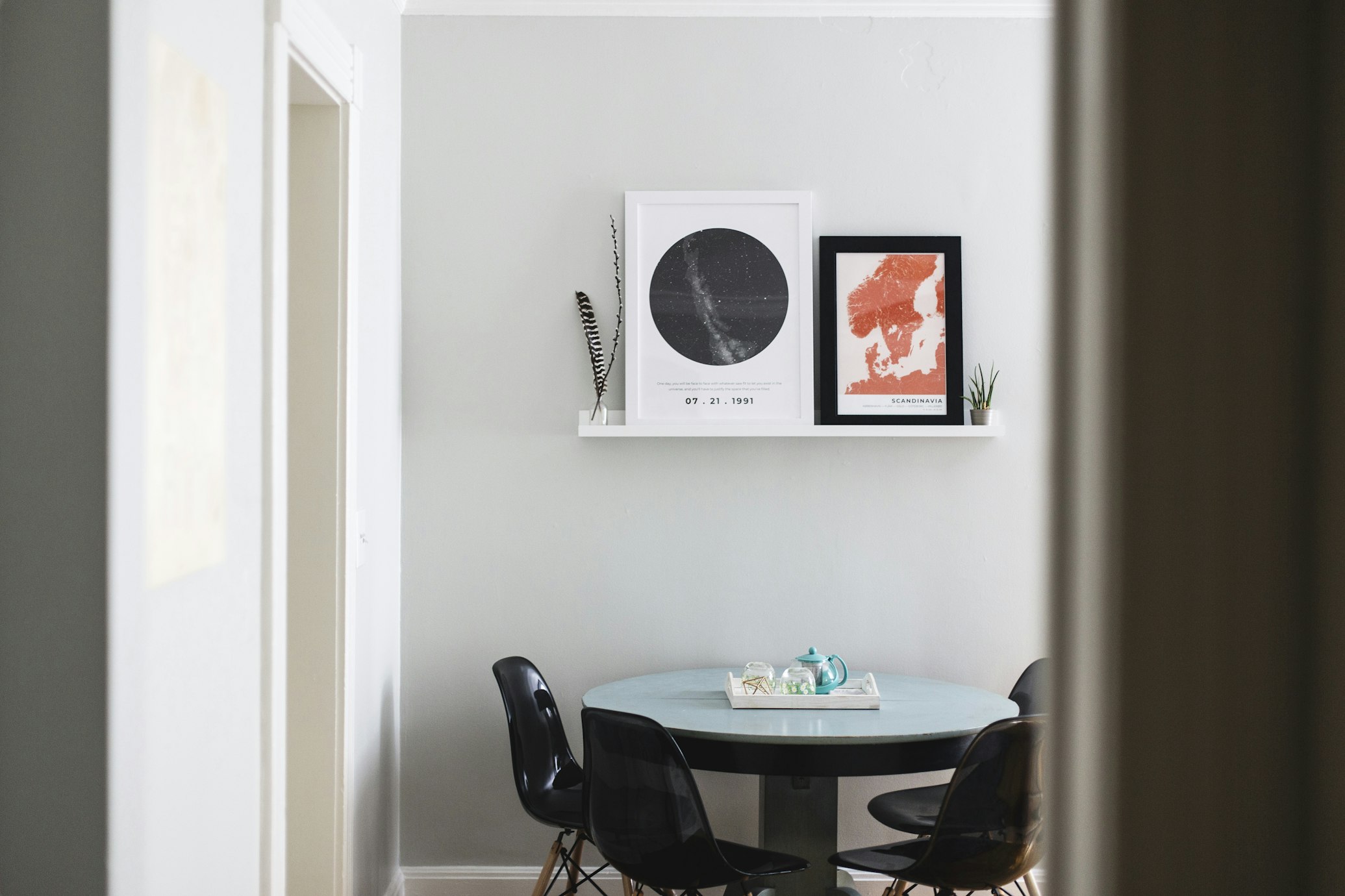
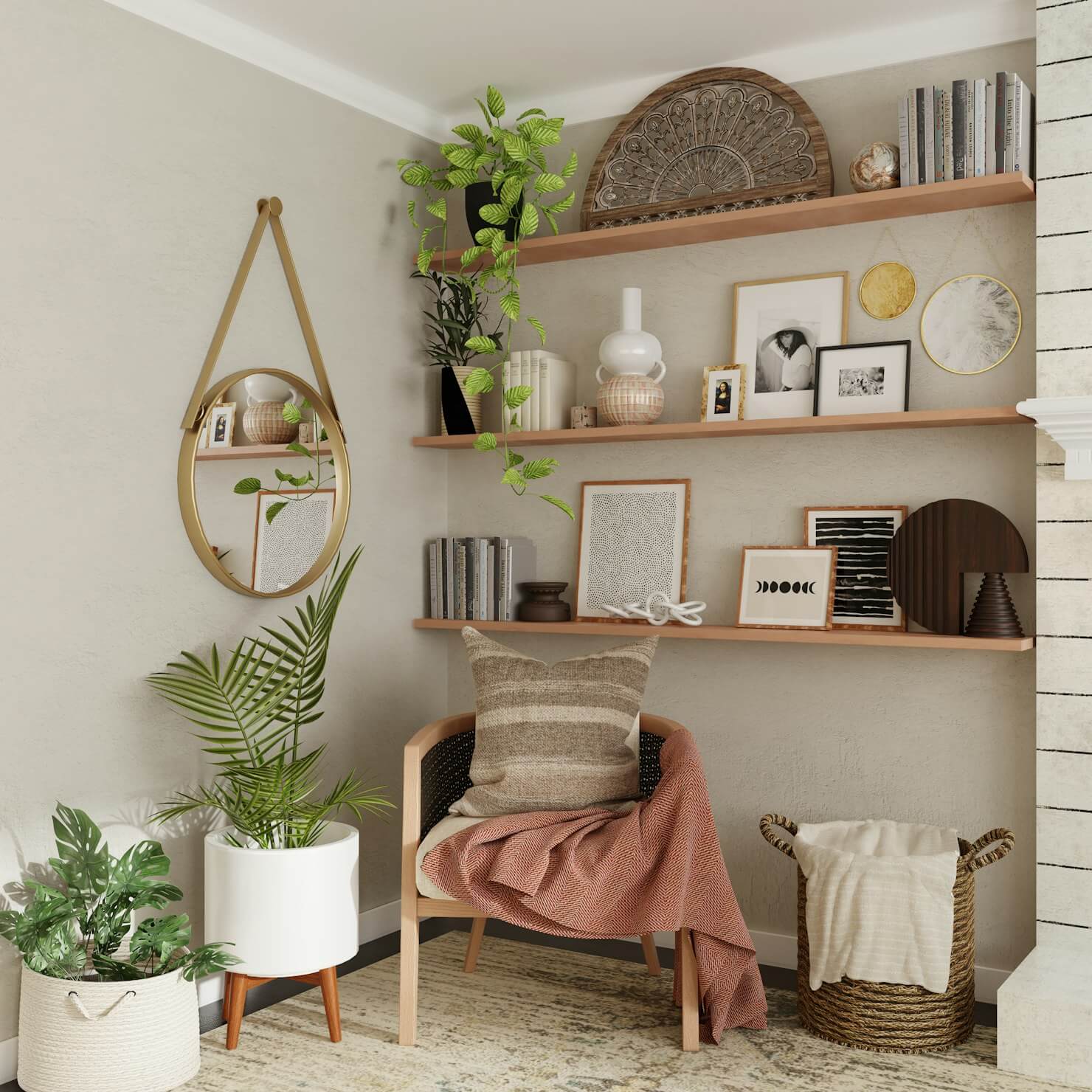
Instead of hanging art directly on the walls, consider using gallery shelves to display a curated collection of smaller artworks, ceramics, or memorabilia. This approach adds a three-dimensional aspect to your wall decor and allows for flexibility and frequent updates to your display.

Conclusion: Embracing Unconventional Art in Home Decor

Exploring the world of alternative art opens possibilities for infusing your living spaces with a unique look. Whether through textured wall hangings, digital art pieces, or expansive murals, incorporating eclectic art forms into your home decor can transform your interiors into a reflection of personal style and creative vision. Delve into the diverse offerings of alternative art and discover the ideal piece that resonates with your space and spirit.

Enhancing Art Displays with Strategic Lighting: Art Lighting Tips

Art Lighting Tips

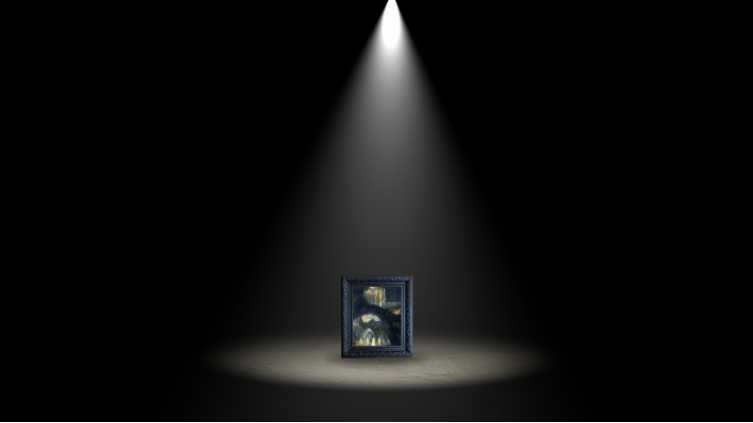
When art takes centre stage in a room, the lighting plays a pivotal role in its presentation, affecting how the artwork’s colours, textures, and details are perceived. Understanding how to harness the power of lighting can transform an ordinary space into a gallery-worthy display. Here are some essential art lighting tips to ensure your paintings not only shine but also contribute to the ambience and aesthetic of your space.

The Basics of Art Lighting Tips

To ensure that lighting complements and enhances the presence of paintings on display, it’s essential to consider several factors, including the type of artwork, lighting sources, and the desired ambience. Different types of artwork may require varied lighting approaches; for example, oil paintings might benefit from more intense illumination to bring out their vibrant colours, whereas watercolours could require softer lighting to prevent fading. The choice between natural and artificial lighting depends on control and consistency, with many galleries opting for a mix of both to achieve the best results​​.

When selecting artificial lighting, LED lights are increasingly favoured for their energy efficiency, longevity, and minimal heat and UV emission, making them safe for delicate artworks. They offer adjustable colour temperatures, allowing customisation to match or enhance the painting’s colours. The colour temperature, measured in Kelvin, should be chosen to complement the artwork’s colour palette, with warmer temperatures enhancing warm-toned paintings and cooler temperatures better for cool-toned pieces​​​​.

Track and adjustable recessed lighting are popular for their flexibility and ability to direct light precisely where needed, minimising glare and ensuring even illumination across different artworks. It’s also worth considering using UV-filtering materials on windows and frames to protect artworks from potential UV damage if natural lighting is used. Maintaining lighting fixtures and bulbs is crucial to prevent colour shifting and uneven lighting, ensuring the artwork remains the focal point​​​​.

Art Lighting Tips for Optimal Illumination

Positioning and Angle: The lighting angle is crucial to avoid glare and shadows that can obscure the artwork. A common guideline is positioning lights at a 30-degree angle from the artwork to highlight the details without causing reflective glare.

Colour Temperature

Colour temperature plays a critical role in art lighting, significantly impacting the perception of colours in artworks. The concept of colour temperature is tied to the hue and tone of the light source, as described in Kelvin (K). Warmer lights have lower Kelvin values, producing a yellowish glow, while cooler lights have higher Kelvin values, resulting in a bluish light. For art, a neutral white light, typically between 3000K and 4000K, is often recommended because it provides a balance that doesn’t skew the artwork’s colours too much towards warm or cool tones. This range is close to daylight and can enhance the viewing experience without distorting the original colours of the art​​​​.

In art studios or galleries, the choice of colour temperature can affect the consistency and accuracy of colour perception. For windowless art studios, 5000K is commonly suggested as it closely resembles daylight and is balanced in the colour spectrum, offering a pure white light that does not alter the appearance of colours. This colour temperature aligns with industry standards for colour viewing, ensuring that artworks appear under lighting conditions similar to those used by others in the art community​​.

Incorporating natural light can also enrich the visual experience in galleries. However, managing natural light carefully is essential to prevent artwork damage and ensure consistent lighting conditions. Using diffusing materials and strategic window placement can help control the intensity and distribution of natural light. Blending natural light with artificial sources like LED lighting, which offers adjustable colour temperatures and dimming capabilities, can create a dynamic and flexible lighting environment. LEDs are favoured for their energy efficiency, low heat emission, and the ability to closely mimic natural light, enhancing the artwork’s colours without the risk of heat or UV radiation​​damage.

Dimming Capabilities

Dimming capabilities in art lighting are essential for creating the right atmosphere in a room and drawing focus to artworks. Adjustable lighting levels, achieved through dimmer switches or LED panels, offer the flexibility to adapt the lighting to different times of day or specific events, enhancing the visual impact of art displays​​​​.

LED lighting, in particular, has become popular in galleries and museums due to its energy efficiency and advanced colour rendering capabilities. LEDs with high Color Rendering Index (CRI) values ensure accurate colour representation, allowing viewers to experience the artwork as intended by the artist. Moreover, LEDs emit minimal UV and IR radiation, reducing the risk of damage to sensitive art materials​​.

When selecting dimming options, it’s crucial to consider the compatibility of the dimmer with your lighting source. Not all bulbs are dimmable, and the wattage of the bulbs will determine the power rating of your dimming switch. Various control styles, from rotary and slide to smart dimmers, offer different functionalities and aesthetics to suit your space and needs​​.

Tailoring Art Lighting Tips to Enhance Room Ambiance

The lighting should complement the room’s overall design and purpose. In a cosy reading nook, softer, warmer lights might bring out the richness of an oil painting. In contrast, a modern, minimalist space might benefit from sleek, directed spotlights that accentuate the crisp lines of contemporary art.

Avoiding Common Art Lighting Mistakes

A frequent oversight is using too harsh or direct lighting, which can lead to fading and damage over time. Equally, inadequate lighting can cause artworks to recede into the background, losing their impact and vibrancy. Balancing the intensity and spread of light ensures that each piece is seen as intended without compromising its preservation.

Conclusion

Incorporating these art lighting tips into your space can dramatically affect how artwork is viewed and enjoyed. By carefully considering the positioning, temperature, and intensity of light, you can enhance the visual appeal of your art collection and create a more dynamic and engaging environment by following these art lighting tips. Whether displaying a centuries-old masterpiece or a contemporary creation, the right lighting will ensure your art takes centre stage, captivating and inspiring all who view it.

Visual Depth in Small Room Design: The Art of Using Paintings to Add Depth

Creating a sense of openness in a smaller space can be challenging, but with the right elements, it’s entirely achievable. One of the most effective ways to enhance visual depth in small room design is through the strategic use of paintings. This blog explores how art can visually expand confined areas, making them feel more spacious and welcoming.

Creating the Illusion of Visual Depth in Small Room Design: Leveraging Colour and Design

Utilising colour and design principles similar to art can significantly influence the perception of space and visual depth in small room design. Designers employ various strategies to create the illusion of a more expansive area, making small spaces feel larger and more open.

Colour perspective can be adapted to interior design by strategically using colour temperatures. Warm colours, known for their ability to create a sense of proximity, are perfect for accent pieces and decor to draw attention and add warmth to specific areas. Conversely, with their receding effect, cool colours are ideal for walls and large surface areas, giving the illusion of a more spacious room. This play on colour temperature can visually expand a space and provide a sense of visual depth in small room design.


Transparency and opacity also play a crucial role in spatial design, particularly in enhancing the visual depth in small room design. By employing materials with varying degrees of transparency, designers can create intricate layers within a space. Transparent elements, such as glass or sheer fabrics, contribute to a sense of depth and lightness, suggesting a more expansive area. In contrast, opaque elements offer solidity and focus, effectively anchoring the space and adding to its visual depth.

Inspired by the granulation technique in painting, texture variation can add visual interest and visual depth in small room design. Rough textures can draw attention and bring elements forward, while smooth, sleek surfaces can help parts of a space recede, enhancing the overall sense of depth.

Saturation levels can also influence spatial perception. Vibrant, saturated colours can make design elements pop, ideal for focal points or decorative accents. At the same time, muted tones can recede, making them suitable for larger areas to avoid overwhelming the space. Varying saturation levels can add visual depth in small room design, creating an illusion of more space.

Moreover, the symbolic meanings of colours can be leveraged to evoke specific moods and atmospheres within a room. For instance, blues and greens can create a serene and spacious feel, while warmer tones can make a space feel cosy and inviting. Incorporating these colours thoughtfully can add visual depth in small room design, making the space appear larger and more inviting.

Implementing design techniques akin to linear and atmospheric perspective can further enhance the illusion of depth. Strategic furniture, lighting, and decor placement can guide the eye along lines that mimic vanishing points, creating a sense of continuity and extension. Similarly, gradations in colour and lighting can replicate the atmospheric perspective effect, making distant corners of a room appear further away and thus more spacious.

By integrating these artistic principles of colour and design, small spaces can be transformed, making them appear more open, airy, and inviting, with a well-curated blend of colour, texture, and layout that maximises the perception of depth and space.

The Role of Scale and Placement

The scale and placement of artworks significantly influence the perception of space within a room. Large artworks tend to command attention and set the mood, transforming a room by adding energy and becoming an integral part of the space. They can make a dramatic impact and are often considered an artistic decision rather than just a piece to fill space. The trend towards larger artworks has grown, with sales of art larger than 1,000 square inches seeing a significant increase, indicating a growing appreciation for the dramatic effect that large pieces can bring to a room​​.

On the other hand, smaller artworks serve different purposes. They are often used as accessories to add pops of colour, texture, or interesting graphics without overwhelming the space. Smaller pieces can be more adventurous in their choice of colour or design due to their scale. Their placement needs careful consideration to appear proportionate, typically arranged with items of similar dimensions, to establish a cohesive and balanced presentation. Smaller artworks can add intriguing elements to a room, especially when detailed and placed thoughtfully​​.

Both large and small paintings have their unique advantages and challenges. Large-scale art provides a vast canvas for creativity and an immersive experience, allowing for expansive subjects and a more profound impact on the viewer. They require confidence in the medium, colour mixing, and the use of larger tools, along with the patience to invest significant time and effort. Smaller paintings, while offering more control and fewer chances for mistakes, encourage experimentation and can be more convenient for artists working in limited spaces or those new to painting. They allow for detailed work and can be easily changed or adjusted without wasting time or resources​​.


Whether opting for a large focal piece or a collection of smaller works, the key lies in understanding the effect you wish to achieve in your space and choosing accordingly. The impact of art on room perception is profound, with scale and placement playing critical roles in creating the desired atmosphere and visual experience.

Visual Depth in Small Room Design: Thematic Continuity for Visual Expansion

Selecting artworks that complement the room’s theme or colour scheme is a strategic approach to unify the space and enhance its perceived expansiveness. Artworks that reflect or enhance the room’s existing palette and style can create a seamless transition between the room’s interior and the art itself, fostering a sense of continuity and depth. This approach is particularly effective in smaller spaces, where the strategic use of art can visually extend the room’s boundaries.

For instance, when choosing art for a living room, it’s essential to consider its overall aesthetic and ensure that the selected pieces harmonise with the existing décor, such as furniture, flooring, and architectural details. Art that resonates with the style and preferences of the occupants can also add a layer of personal expression and storytelling to the space, making it more inviting and unique​​.

In terms of placement, both wall art and tabletop art play crucial roles. Wall art should be hung at eye level for optimal viewing, with larger walls accommodating larger pieces or a group of smaller pieces arranged to create a dynamic display. On the other hand, tabletop art should be arranged thoughtfully, with consideration for the size and height of the pieces, to create a cohesive look​​.

Art is pivotal in interior design as a centrepiece, capturing interest and injecting vibrancy into any area. You can achieve a harmonious and aesthetically pleasing environment by meticulously choosing and placing artwork that aligns with the room’s decor and concept. Art has the unique capacity to stir emotions and set the tone for a space, creating specific vibes that enrich the room’s atmosphere. Furthermore, art introduces depth and dimension to interiors, bringing a dynamic and engaging visual appeal. The ideal artwork can complement and enhance the room’s existing colour scheme, textures, and furniture, contributing to a cohesive and unified look.

By incorporating these principles into your interior design strategy, you can effectively use art to create a sense of thematic continuity and visual expansion, transforming any room into a beautifully unified and expansive space.


Visual Depth in Small Room Design: Reflective and Transparent Elements

Artworks featuring reflective elements, such as water scenes or metallic accents, can introduce additional light and movement into the room, making it more dynamic and spacious. In artwork, transparent features such as skies or open windows can also enhance depth perception, providing a view into an envisioned space beyond.

Conclusion: The Transformative Power of Art

The strategic placement of paintings can transform a cramped space into an inviting sanctuary with perceived depth and openness. By considering factors such as colour, scale, perspective, and thematic continuity, it’s possible to use art not just as decoration but as a tool to enhance the visual depth in small room design. In this manner, paintings transcend their role as mere decorative pieces; they become key elements in crafting an illusion of expansiveness, making every small room feel more spacious.

Creative Painting Display Ideas for Maximum Visual Impact

Creative painting display ideas

Art enthusiasts and interior decorators alike understand the transformative power of a well-curated painting collection. But how do you display these pieces for the greatest impact? In this blog, we’ll explore innovative and creative painting display ideas that can turn any space into an artful sanctuary.

Creative Painting Display Ideas: The Gallery Wall

One of the most popular creative painting display ideas is the gallery wall. This approach involves grouping multiple paintings on a single wall, creating a focal point in the room. To make a gallery wall stand out:

  • Mix and match frames for an eclectic look.
  • Vary the sizes and orientations of the paintings.
  • Keep a consistent theme or colour scheme to maintain harmony.

Creative Painting Display Ideas: Lighting and Layout

When experimenting with creative painting display ideas several key considerations such as lighting and layout can enhance the visual impact of your art.

Lighting Types and Their Impact

Different types of lighting can have varying effects on the appearance of paintings. LED lighting is generally considered the best option for art displays due to its superior colour rendering capabilities and ability to mimic sunlight’s properties, including CRI (Colour Rendering Index) and colour temperature. LEDs are also energy-efficient and long-lasting, making them a practical choice for galleries​​. Halogen lights, though casting a cooler tone, generate higher heat levels and should be used cautiously near artworks​​. The type of light used should be based on the medium of the painting, as oil, acrylic, and watercolour paintings interact differently with light​​.

Colour Temperature and Tunable Lighting

The colour temperature of the lighting plays a crucial role in how the colours in the piece  are perceived. LED lights with a colour temperature range of 5,200 – 5,400 Kelvin are ideal for art lighting. Moreover, colour-tunable lighting allows for flexibility in adjusting both the colour temperature and the intensity of the light, making it possible to tailor the lighting to specific pieces or artists​​.

Lighting Angle and Intensity

The angle at which the light hits the painting is critical in reducing glare and ensuring the artwork is sufficiently illuminated. A general recommendation is to light artwork at a 30-degree angle. Adjusting this angle can help reduce glare on artwork under glass or highlight textures in paintings​​​​. The intensity of the lighting should be about three times brighter than the room’s ambient lighting to emphasise the artwork without overpowering it​​.

Consideration for Artwork Size

When choosing lighting fixtures, it’s essential to consider the size of the artwork. The light source size should be proportional to the artwork to avoid overshadowing or under-lighting it. Picture lights, for instance, should be chosen based on the width of the artwork’s frame​​.

Positioning and Installation of Light Fixtures

The installation and positioning of the light fixtures are as crucial as the type of light used. For example, adjustable track lighting and recessed lighting offer flexibility and can be positioned to highlight specific aspects of a painting. The goal is to install these fixtures to maximise their effect on the artwork while maintaining the overall aesthetic of the display space​​​​.

By carefully considering these factors, you can create a display that showcases your paintings in the best light and contributes to the overall ambience and aesthetic appeal of the space.

Creative Painting Display Ideas: Unconventional Spaces

Exploring unconventional spaces for displaying paintings can add a unique and creative touch to your home or gallery. Here are some innovative ideas inspired by various sources:

  • Displaying Art in Front of a Window:: Leaning art on the window sill or even hanging it in the middle of the window can create a dramatic effect, offering a blend of natural light and artistic expression​​.
  • Utilising Side Spaces: Hanging art on the sides of appliances or furniture, like the side of a fridge or a closet, can be an unexpected yet visually appealing way to showcase your collection​​.
  • Leaning Large Art against walls: For a relaxed and casual vibe, lean larger pieces against the wall on the floor or a low credenza. This method is beneficial in spaces where wall hanging isn’t permitted or preferred​​.
  • Using Wall Corners: Utilising wall corners for art displays can create an interesting visual dynamic and is a great way to utilise often overlooked spaces​​.
  • Layering or Aligning on Frame Shelves: Displaying art on shelves allows for flexibility and the opportunity to layer or align artworks in a visually engaging manner​​.
  • Mounting Art on Bookshelves or Built-ins: Integrating art into your bookshelves or built-in units can add depth and character to these functional spaces​​.
  • Experimenting with Frames and No Frames: Mixing framed and unframed pieces can create a diverse and intriguing display, allowing each piece to stand out uniquely​​.
  • Displaying Art on a Shelf or Counter: Placing art on shelves or counters, especially when layered behind other objects, can create a rich, layered aesthetic​​.
  • Incorporating Art into Everyday Spaces: Consider displaying art in non-traditional areas like kitchens or bathrooms for an unexpected presentation.
  • Hanging Art on a Door: Utilising doors as a display space, especially with personal or sentimental artworks, can add a unique touch to private and shared spaces​​.

These creative approaches to displaying paintings enhance the visual appeal of your space and offer a unique way to experience art in everyday life. Remember, the key to a successful display is experimenting with different layouts and finding the best for your space and style.

Beyond the Frame: Thinking Outside the Box

To make your collection stand out, think beyond traditional framing:

    • Frameless canvases can create a modern, sleek look.
    • Vintage or ornate frames can add character to contemporary art.
    • Digital frames allow the rotation of digital art or high-quality reproductions.

The Power of Colour in Creative Painting Display Ideas

The colour of your walls can significantly impact how your paintings are perceived:

  • Neutral walls make colourful paintings pop.
  • Dark walls create a dramatic backdrop for lighter, vibrant art.
  • Experiment with wall colours to see how they interact with your collection.

Conclusion

Displaying a collection of paintings is an art in itself. By employing these creative painting display ideas, you can ensure that your collection enhances your space and creates an immersive and visually stunning experience. Remember, the key is having fun and letting your style shine through your display choices. 

Art and Mental Health: Healing Through Creativity

The intersection of art and mental health offers a fascinating exploration of the therapeutic aspects of creative expression. Healing through creativity has emerged as a powerful tool for mental health, providing individuals with a means to express themselves, confront emotional issues, and foster healing.

Art Therapy Programmes: A Path to Healing

Art therapy has been recognised as a beneficial treatment for depression, offering a means for individuals to express themselves creatively and process their emotions. It allows for communication on a deeper level, often beyond what words can express. Creating art can be a decisive step towards healing through creativity, enabling individuals to visualise and confront their emotions. People experiencing depression have found art therapy helpful in expressing and understanding their feelings, leading to improvements in their mental state​​. This therapeutic process can be particularly effective when guided by trained art therapists skilled in navigating the emotional responses elicited through art.

Artists and Mental Health Challenges

Many contemporary artists have been candid about their mental health struggles, using their experiences to destigmatise these issues and highlight the therapeutic power of art. For instance, Heather Agyepong, a visual artist and performer, has explored themes of mental health, identity, and diaspora in her work. Her series ‘Wish You Were Here’ reframed narratives around mental well-being. Similarly, Paola Paredes, in her series ‘Today is Hard’, captured the psychological and physical toll of COVID-19, reflecting the increased mental health challenges during the pandemic.

In the music industry, Chester Bennington of Linkin Park, Kid Cudi, and Naomi Judd have openly discussed their battles with mental health. Bennington’s struggle with depression and substance abuse was well-known, and his death sparked meaningful conversations about suicide awareness. Kid Cudi’s openness about his mental illnesses in the hip-hop community helped destigmatise mental health care. Naomi Judd was also a fierce advocate for mental health care, discussing her battle with depression and trauma in her memoir and public essays​​. Their work demonstrated the essence of healing through creativity in navigating personal struggles.

Visual artists like Victoria Olt and Mario Sanchez Nevado have used their art to express and explore their mental health struggles. Olt’s watercolours depict the numbness of depression and disconnection, while Nevado’s digital illustrations show the detrimental effects of emotions on our bodies​​. Photographer Abhisar Gupta has used photography to focus on his feelings and has found it therapeutic in dealing with anxiety​​. His work showcases the profound impact of healing through creativity.

In the ‘With Art in Mind’ exhibition, artists like Kim Noble, Darren MacPherson, and George Harding showcased their experiences with mental health through their art. Noble, who has been diagnosed with Dissociative Identity Disorder, has multiple artistic personas, each with a distinct style. Drawing from his background as a social worker, MacPherson has created art that delves into the complexities of human emotions and societal issues. His work explores themes of empathy, human connection, and the struggles marginalised communities face.

Harding’s self-portraits powerfully challenge conventional notions of mental health. His art is deeply personal, inspired by his journey and experiences. Through his self-portraits, Harding invites viewers to engage with the raw and often stigmatised aspects of mental health, sparking meaningful conversations about healing through creativity.

Through their openness and creative expression, these artists provide relatable experiences for others facing similar challenges and contribute significantly to the ongoing conversation about mental health and healing through creativity.

Creative Expression: A Powerful Healing Tool

Creative expression is a powerful healing tool and a conduit for personal growth. Engaging in various artistic endeavours offers a safe and non-judgmental space for individuals to process their experiences and emotions. These endeavours range from visual arts like painting and drawing to writing, music, dance, theatre, filmmaking, crafting, fashion, cooking, and gardening. Each form allows individuals to express their ideas and emotions uniquely, fostering self-expression and storytelling​​. Healing through creativity serves as a bridge to greater self-awareness and emotional release.

Art therapy and creative expression have solid scientific backing for their numerous benefits. Engaging in art-making stimulates neuroplasticity, forming new neural connections and activating brain regions related to perception, emotion, and cognition. This, in turn, enhances emotional regulation, cognitive flexibility, and resilience. Moreover, healing through creativity offers a unique avenue for emotional expression, revealing hidden meanings from the unconscious mind. The mindfulness and relaxation aspects of art therapy reduce stress and anxiety, fostering a sense of calm and well-being. It also strengthens social bonds in group settings by promoting social connection, shared experiences, and empathy.

Moreover, incorporating creativity into everyday life can have numerous benefits. Simple activities like non-dominant hand doodles, participating in a drum circle, having a dance party, gardening, or experimenting with fashion and styling can be highly therapeutic. These activities exemplify how individuals can experience healing through creativity by exploring their inner world.

Creative expression is not limited to traditionally ‘artistic’ individuals. It’s an accessible and enriching path for anyone willing to explore their creativity, offering profound benefits for mental health, emotional well-being, and personal development.

Broader Implications and Accessibility

The positive effects of art therapy extend beyond individual therapy sessions, and its significance has been notably pronounced during the COVID-19 pandemic. Here are some broader implications and instances of its accessibility:

1. COVID-19 Pandemic Response

The COVID-19 pandemic brought unprecedented challenges to mental health and emotional well-being. Art therapy emerged as a valuable tool for individuals and communities to navigate the crisis’s complex emotional landscapes. Many people turned to creative expression to cope with anxiety, isolation, and uncertainty. It provided an outlet for processing emotions and finding solace in a time of upheaval​​.

2. Schools

Art therapy has found a valuable place in educational settings, where schools recognise its therapeutic benefits for students of all ages. It fosters emotional intelligence and stress-coping mechanisms. By promoting mental well-being, art therapy also equips students with essential tools for self-expression and emotional regulation, contributing to their overall development.

3. Healthcare Facilities

Art therapy is widely used in healthcare settings, including hospitals and rehabilitation centres. It has proven effective in assisting patients dealing with various medical conditions, including cancer, chronic pain, and traumatic injuries, by alleviating stress, improving mood, and supporting overall healing.

4. Community Centers

Art therapy programmes in community centres serve as a valuable resource for people from diverse backgrounds and ages. These programmes often offer accessible and inclusive creative activities, fostering a sense of community and connection. Art therapy sessions in community centres can address a wide range of mental health challenges and provide support to those who may not have access to traditional therapy.

5. Online Platforms

The digital age has expanded the accessibility of art therapy. Online platforms and resources allow individuals to engage in creative expression from the comfort of their homes. Virtual art therapy sessions, instructional videos, and online communities allow people to explore their creativity and access therapeutic benefits remotely.

6. Crisis Intervention

Art therapy has been used in crisis intervention and disaster response. It can help individuals process trauma and grief after natural disasters, acts of violence, or other crises. Art therapy interventions provide a means of emotional release and resilience-building during challenging times.

7. Cultural Diversity

Art therapy programmes are adaptable and can be customised to accommodate cultural diversity. These programmes strongly emphasise respecting and incorporating cultural traditions, ensuring that individuals from diverse backgrounds can engage in creative expression that profoundly resonates with their heritage and personal experiences. Thus, art therapy becomes a means for individuals to connect with their cultural identities, share their stories, and find healing through an inclusive and culturally sensitive medium.

Art therapy’s accessibility and effectiveness have led to its widespread use in various settings, making it a versatile tool for promoting mental health and emotional well-being across all ages and backgrounds. By providing a creative outlet for expression, fostering emotional well-being, and promoting social connection, art therapy contributes to the overall health and strength of individuals and communities. It is a powerful tool for personal growth, healing, and collective support, making it a valuable resource in navigating life’s challenges and triumphs.

Conclusion

The fusion of art and mental health care offers a promising avenue for healing and well-being. As the world continues to recognise the importance of mental health, the role of art in this domain is increasingly valued, bringing hope and healing to many.