

TL;DR – Key Takeaways
- Build a professional portfolio with 10-15 strong pieces and establish an online presence across multiple platforms.
- Utilise commission platforms, for artists like ArtStation and DeviantArt, as well as social media, to connect with clients.
- Price strategically based on skill level, time investment, and market standards.
- Manage client relationships professionally with clear contracts and communication protocols.
What Are Art Commissions?
Art commissions are custom artworks created for clients based on their specific requests. These commissions involve a structured process including consultation, pricing, contracting, creation, revisions, and final delivery. Professional artists use commissions to build sustainable careers by creating personalised artworks for individual clients and businesses.
As a professional artist in today’s digital landscape, securing consistent work is both an art and a science. Whether you’re just starting your journey or looking to expand your existing client base, understanding how to get art commissions effectively can transform your creative passion into a sustainable career.
This comprehensive guide explores the multifaceted approach to finding and securing art commissions in the competitive creative freelancing marketplace. From building a compelling portfolio to leveraging social media platforms, networking within artistic communities, and implementing proven business strategies, we’ll cover everything you need to know about how to get art commissions online and thrive as a commissioned artist.

1. Building a Strong Portfolio
How to Build a Strong Commission Portfolio:
- Select 10-15 of your strongest, most cohesive pieces
- Display variety in subjects but maintain a consistent style
- Update your portfolio quarterly with your most recent work
- Organise by commission type (portraits, character art, etc.)
The foundation of learning how to get commissioned as an artist begins with a strong portfolio. Your portfolio serves as your visual CV and is often the first impression potential clients will have of your work. When curating your portfolio for getting art commissions:
- Showcase only your most substantial pieces that represent your current skill level
- Include a variety of work that demonstrates your versatility while maintaining a cohesive style
- Update regularly with new pieces to show your progression and continued activity
- Organise by categories if you work across multiple genres or media
Remember that quality trumps quantity. A focused collection of exceptional pieces is far more effective when learning how to get your first art commission than showcasing dozens of average works, because it allows potential clients to quickly assess your style, consistency, and technical ability.
A strong portfolio also plays a critical role in how to get art commissions, acting as proof of reliability and helping clients feel confident that you can deliver work that matches their expectations. Include finished pieces, close-ups that show detail, and examples similar to the type of commissions you want to attract.
How Many Samples Should Be in My Commission Portfolio?
For most artists, 10–15 high-quality pieces is the ideal range. This gives enough variety to demonstrate skill without overwhelming viewers or diluting your strongest work. When deciding what to include while learning how to start doing art commissions, prioritise:
- Pieces that reflect the style you want to be hired for
- Work that shows consistency across different subjects or briefs
- Examples with strong composition, lighting, and finish
- Recent work that reflects your current skill level
If you work across multiple niches (for example portraits, character design, and commercial illustration), consider grouping samples so clients can quickly find relevant examples — a simple step that can significantly improve your chances when figuring out how to get art commissions consistently.
Creating a Professional Online Presence
In today’s digital environment, understanding how to get art commissions online means establishing a polished online presence. This typically includes:
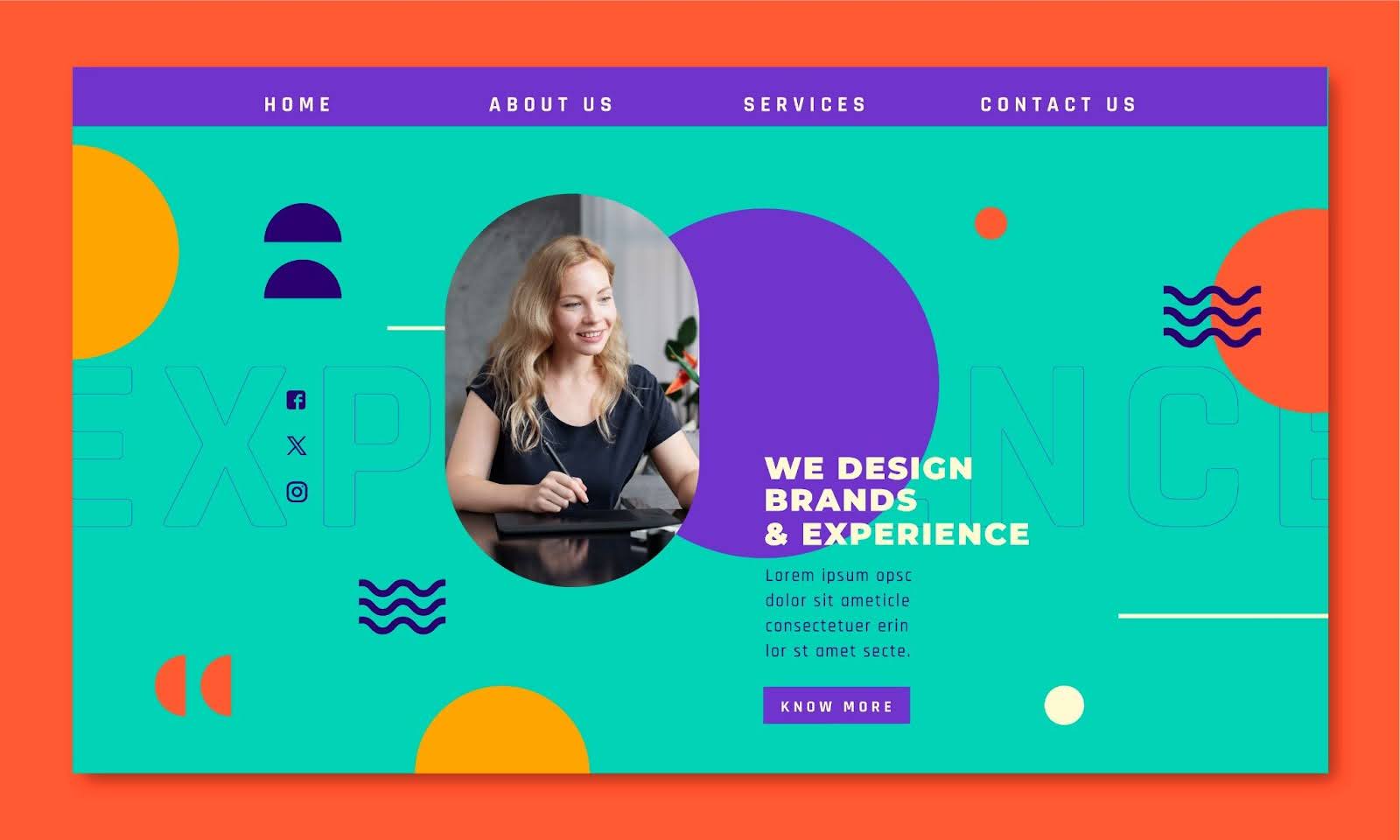
Essential Elements for Artist Websites:
| Component | Purpose | Best Practice |
| High-quality images | Showcase artwork | Use consistent lighting and resolution |
| Clear navigation | Easy browsing | Organise by commission type |
| Commission info | Transparent pricing | Include the process and timeline |
| Contact details | Client accessibility | Professional email address |
| Artist statement | Personal branding | Keep it concise and authentic |
Consistent branding across platforms:
- Recognisable profile pictures
- Cohesive visual aesthetic
- Consistent username/handle, where possible
- Professional email address (ideally not a free provider)
The more professional your online presence appears, the more confidence clients will have when considering you for custom artwork services. A polished online presence is a foundational part of how to get art commissions, as it signals professionalism and shows potential clients that you approach your art business with care, clarity, and intention.
For artists focused on how to secure art commissions, presenting your work consistently across platforms helps build trust, reduces uncertainty for clients, and makes it easier for them to choose you for new projects.
2. Commission Platforms
Where Can I Find Commission Opportunities Online?
Top 5 Commission Platforms:
- ArtStation – Concept art, illustration commissions, entertainment industry
- DeviantArt – Established art community with built-in commission system
- Fiverr/Upwork – General freelance platforms with artist categories
- Etsy – Physical products and prints
- Ko-fi/Patreon – Subscription-based support with commission opportunities
| Platform | Best For | Commission Type | Audience |
| ArtStation | Professional artists | Concept art, illustration | Industry professionals |
| DeviantArt | All skill levels | Fan art, original work | Art enthusiasts |
| Fiverr | Quick turnaround | Logo design, portraits | Small businesses |
| Etsy | Physical products | Prints, custom items | General consumers |
| Ko-fi | Ongoing support | Personal commissions | Dedicated followers |
Each platform has its own unique audience and commission process. When learning how to get art commissions, research which commission platforms for artists best align with your particular style and target audience before investing significant time into building a presence there. This strategic approach to how to get art commissions online helps you focus on platforms where your style is most relevant, so you can build visibility among clients actively searching for artists rather than spreading your efforts too thin.
Taking this approach is a key part of getting commissioned as an artist, as it allows you to position your work more effectively, refine your outreach, and attract higher-quality opportunities for digital artist commissions that align with your skills and long-term goals.
Building Long-Term Visibility Beyond Platforms
Relying solely on commission platforms for artists can limit growth over time. Developing independent visibility helps strengthen your positioning when exploring how to get art commissions online and ensures your art business remains resilient as algorithms and platform trends change.
Develop Search-Friendly Content
Publishing articles, case studies, or process breakdowns allows potential clients to discover your work through search — a powerful complement to traditional platform exposure. This strategy supports artists looking for sustainable approaches to how to get art commissions while reinforcing credibility in digital artist commissions and illustration commissions.
Showcase Case Studies and Client Stories
Sharing detailed examples of past projects helps prospective clients understand your process and results. Demonstrating real outcomes builds confidence in your ability to deliver high-quality commissioned artwork, making it easier for clients to move forward with enquiries.

Social Media Platforms for Artists
Social media has revolutionised how to get art commissions by allowing artists to build audiences and connect directly with potential clients. However, it’s worth noting that you can explore how to get art commissions without social media as well through commission platforms for artists and direct networking.
4 Most Effective Social Media Platforms:
Consistency is key when using social media as part of your strategy for how to get art commissions. Regular posting, engaging with your audience, and using relevant hashtags significantly increase visibility to potential clients seeking commissioned artwork. For those wondering how to get art commissions with no audience, focus on quality content and strategic hashtag use to reach new viewers.
For a deeper look at optimising your socials, read our guide to using social media for artists.
3. Pricing Your Art Commissions
How Do I Set Prices for Art Commissions?
3 Pricing Methods:
- Hourly Rate Formula: (Hourly rate × estimated hours) + materials + overhead
- Flat Rate Pricing: Fixed prices based on commission complexity
- Market-Based Pricing: Competitive rates within your skill level and niche
For an in-depth guide, check out our full blog on pricing art commissions – and try our easy-to-use Art Commission Pricing Calculator to set fair rates and build confidence in your pricing. Sign up for free to access it!
Determining appropriate pricing is one of the most challenging aspects of learning how to get art commissions. Your pricing structure should consider:
- Your skill level and experience
- Time investment (consultation, sketching, revisions, finalisation)
- Materials and overhead costs
- Market standards for your niche
- Value of your unique style and expertise
Common Pricing Mistake: Many artists start by underpricing their work. While competitive pricing is essential when first learning how to get your first art commission, severely undercharging devalues your work and leads to burnout.
Communicating Value to Clients
How to Justify Your Commission Prices:
- Outline deliverables at different price points
- Explain your process and time investment
- Showcase quality and uniqueness
- Provide testimonials from satisfied clients
- Demonstrate professionalism in all communications
Understanding how to get commissioned as an artist means recognising that clients aren’t just paying for the final artwork – they’re investing in your unique vision, expertise, and professional experience. Effectively communicating this value is essential for any successful strategy on how to get art commissions and build a sustainable art business.
4. Marketing Strategies for Artists
Content marketing is a powerful tool when learning how to get art commissions. This approach involves creating valuable content that attracts potential clients to your work.
5 Effective Content Marketing Strategies:
- Process videos showing techniques
- Behind-the-scenes creative process content
- Tutorials related to your artistic speciality
- Case studies of past commission projects
- Articles about artistic influences or philosophy

By providing value through content, you position yourself as an expert and build trust with potential clients, a vital component of consistently mastering how to get art commissions fast.
Less Obvious Ways to Get Art Commissions
While social media and portfolios are essential, many artists overlook quieter but highly effective channels when learning how to get art commissions and build a sustainable art business. Exploring alternative pathways can help you stand out in a crowded market and attract clients who are actively searching for custom artwork services.
Build a Commission Waitlist
Creating a waitlist signals demand and professionalism — two factors that significantly influence how to get art commissions online. By opening limited commission slots and inviting interested clients to join a list, you create anticipation while ensuring a steady pipeline of enquiries. This approach is particularly effective for artists working in digital artist commissions and illustration commissions, where demand often fluctuates.
Engage Niche Communities
Participating in niche communities — such as tabletop gaming groups, indie publishing circles, or pet owner forums — can accelerate how to get commissioned as an artist by connecting you directly with audiences who already value commissioned artwork. These environments often generate higher-quality leads than broad platforms because members are actively seeking specialised creative support.
Offer Limited-Time Commission Events
Hosting themed commission events (for example seasonal portrait days or character sketch sessions) provides a low-barrier entry point for new clients. This tactic not only supports creative freelancing growth but also helps artists experimenting with how to get art commissions fast generate momentum and build a portfolio of client work quickly.
Email Marketing and Newsletters
Building an email list is one of the most overlooked strategies for artists learning how to get art commissions. Unlike social media algorithms, email provides direct access to interested followers. This is particularly valuable for those exploring how to get art commissions without social media.
Email Marketing Best Practices:
- Offer digital incentives for subscribing
- Send regular commission availability updates
- Feature recent work and testimonials
- Provide exclusive content or early access
Your email subscribers have already expressed interest in your work, making them one of the most reliable audiences to nurture when exploring how to get art commissions online, as you can share updates, availability, and new work directly without relying on platform algorithms. This direct connection also supports your broader strategy for how to get art commissions, helping you build long-term relationships that lead to repeat clients and referrals.

5. Client Relationships and Communication
What Should Be in a Commission Contract?
Essential Contract Elements:
- Deliverables – What the client receives
- Timeline – Project milestones and deadlines
- Payment terms – Amount, schedule, method
- Revision policy – Number of changes included
- Usage rights – How the client can use the artwork
- Cancellation terms – Refund and ownership policies
Mastering how to get art commissions isn’t just about finding new clients — it’s about creating positive experiences that generate repeat work, testimonials, and referrals. A clear contract sets expectations from the start, reduces misunderstandings, and shows professionalism, which builds trust and makes clients more likely to recommend you. Clear, professional communication is crucial when you’re learning how to start doing art commissions and building your creative freelancing career.
Handling Revisions and Feedback
Professional Revision Management:
- Build specific revision rounds into pricing
- Define revision vs. complete direction change
- Respond to feedback professionally
- Use feedback to improve the process
Managing the revision process significantly impacts your reputation and ability to secure future work. Artists who handle feedback thoughtfully are far more likely to build long-term relationships — a key factor in consistently attracting digital artist commissions and illustration commissions. Strong client relationships turn one-off projects into ongoing opportunities, directly supporting your broader strategy for how to get art commissions over time.
Turning Clients into Repeat Commission Sources
Understanding how to get art commissions isn’t only about attracting new enquiries — it’s also about creating systems that encourage repeat work and referrals. Artists who treat each project as the beginning of a long-term relationship often build more stable income streams within their creative freelancing practice.
Create a Post-Project Follow-Up Process
Sending a thoughtful follow-up message after delivering commissioned artwork reinforces professionalism and keeps you top of mind. This simple habit supports how to get art commissions online by increasing the likelihood of testimonials, repeat bookings, and word-of-mouth recommendations.
Offer Priority Booking for Past Clients
Giving previous clients early access to new commission openings is an effective strategy for strengthening loyalty and sustaining demand. This approach helps artists refining how to get commissioned as an artist maintain consistent workflows while reducing time spent on outreach.
Build a Referral Loop
Encouraging satisfied clients to recommend your custom artwork services can dramatically accelerate growth. Referral systems are among the most reliable art commission tips because they leverage trust — one of the strongest drivers of decision-making in creative hiring.
6. Networking and Community Building
The art world thrives on connections, making networking a vital component of how to get art commissions. Effective networking strategies include:
7 Effective Networking Strategies:
- Participate in online art communities
- Join professional organisations
- Attend virtual and in-person events
- Collaborate with other artists
- Support fellow artists’ work
- Engage in social media discussions
- Share knowledge and resources

These connections not only provide direct opportunities but also create a support network of peers who understand the challenges of mastering how to get commissioned as an artist in today’s competitive landscape. This is especially helpful when learning how to get art commissions with no audience.
Collaborations and Partnerships
Strategic collaborations open new doors when exploring how to get art commissions online. Consider partnering with:
- Complementary artists (character + background artists)
- Small businesses that need visual assets
- Authors seeking illustrators
- Game developers that require artwork
- Content creators that need unique visuals
These collaborations help you expand your network and introduce your work to new audiences who may not have discovered you otherwise, making them an effective strategy when exploring how to get art commissions and promoting your custom artwork services.
7. Specialisation vs. Versatility
When learning how to get art commissions, a vital consideration is whether to specialise in a particular style or subject matter.
Benefits of Specialisation:
- Recognition as a niche expert
- Higher prices for specialised skills
- Clearer marketing message
- Enhanced efficiency through focused practice
Becoming known for a specific type of art – pet portraits, character design, or architectural illustration – can make it easier for clients seeking that particular style to find you, streamlining how to get art commissions fast in your chosen niche.
Benefits of Versatility:
- Broader client appeal
- Multiple income streams
- Adaptability to market changes
- Reduced dependency on a single niche
The key is finding the right balance between being recognised for a particular strength and remaining flexible enough to adapt to various client needs – an ongoing consideration when refining your approach to how to get art commissions through creative freelancing.

8. Managing Your Commission Business
Learning how to get art commissions is only the first step – you must also manage them efficiently. Establish professional practices such as:
Essential Business Systems:
- Structured intake process for new commissions
- Contract templates for different types
- Project management system for an organisation
- Communication protocols for consistency
- File delivery methods for sharing the final product
These systems improve your efficiency and enhance the client experience, leading to more referrals and repeat business — both of which are essential for building long-term momentum in how to get art commissions online and managing commissioned artwork professionally.
Managing Time and Workload
Balancing multiple commissions while maintaining quality requires effective time management. When exploring how to start doing art commissions sustainably, consider:
Sustainable Workload Management:
- Realistic timeline estimation
- Buffer time for unexpected challenges
- Limited commission slots to prevent overcommitment
- Dedicated administrative time
- Work-life balance boundaries
Burnout is a significant risk for commission artists, making workload management an essential component of learning how to get art commissions as a sustainable career rather than a short-term opportunity. These art commission tips are essential for long-term success.
9. Expanding Your Commission Offerings
As you become more experienced with how to get commissioned as an artist, consider expanding your offerings to include:
Commission Expansion Options:
- Size/complexity variations
- Digital and physical formats
- Merchandise featuring artwork
- Limited edition collections
- Commercial licensing options
Diversification creates multiple income streams and appeals to clients with varying budgets and needs, an important strategy for artists seeking to master how to get art commissions as their primary income source through digital artist commissions and custom artwork services.
Scaling Your Commission Business
Scaling becomes the next challenge for artists who have managed how to get their first art commission. Options for growth include:
Growth Strategies:
- Increase rates as demand grows
- Create tiered pricing systems
- Offer premium rush options
- Develop passive income streams
- Build a team for larger projects
The path from individual commissions to a sustainable art business requires strategic thinking about how to get art commissions online that align with your long-term vision and goals.
Conclusion
Mastering how to get art commissions is a multifaceted process that combines artistic skill with marketing acumen, business savvy, and interpersonal communication. Though the journey can feel overwhelming, learning how to get commissioned as an artist becomes much more achievable when you tackle it step by step.
Key Success Factors:
- Consistent skill improvement and portfolio updates
- Regular audience engagement across platforms
- Professional business practices and client communication
- Strategic pricing and value communication
- Ongoing adaptation to market changes
Understanding how to get art commissions isn’t a one-time process but an ongoing process of growth and adaptation. Clients are actively seeking the unique value you offer, and by implementing these art commission tips, you’ll be well-equipped to connect with them and build a fulfilling career doing what you love.
The most successful commission artists never stop learning how to get art commissions online more effectively, constantly refining their approach based on experience and evolving market conditions. With determination, professionalism, and strategic thinking, you can transform your artistic talents into a thriving commission-based business by mastering how to get art commissions through various commission platforms for artists and creative freelancing opportunities.
Whether you’re exploring how to get your first art commission, figuring out how to start doing art commissions, or trying to understand how to get art commissions with no audience, this guide is designed to walk you through practical steps you can apply at every stage of your journey. We also cover strategies for how to get art commissions without social media, as well as ways to build momentum if you’re looking at how to get art commissions fast, so you can choose an approach that fits your style, availability, and goals.
By combining portfolio development, platform strategy, pricing guidance, and client management, you’ll gain a clearer path to building confidence and consistency in digital artist commissions, illustration commissions, and creating meaningful commissioned artwork that supports long-term growth.
Frequently Asked Questions About Getting Art Commissions
A good starting formula is: (hourly rate × estimated hours) + materials + revisions. Adjust based on experience and market. Beginner artists typically charge $15-50 per hour, while experienced professionals charge $50-200+ per hour.
ArtStation, DeviantArt, Fiverr, Etsy, Ko-fi, and Patreon each serve different client types. Choose commission platforms for artists that match your style and target audience. Most successful artists use 2–3 platforms simultaneously for digital artist commissions. Focusing on a small number of well-aligned platforms allows you to build consistency and momentum in how to get art commissions, rather than diluting your efforts across too many channels.
Provide a written agreement outlining deliverables, timeline, payment schedule, revision terms, and usage rights before starting any project. This protects both artist and client when offering custom artwork services.
Simple approach: Send a follow-up email 1-2 weeks after delivery, asking: “Would you mind sharing a brief testimonial about your experience? I’d love to feature your feedback on my website.” Most satisfied clients are happy to help.
Most artists see consistent commissions within 6-12 months of actively marketing their services. Success depends on portfolio quality, marketing consistency, and niche demand. Following these art commission tips can help accelerate this timeline.
Key Takeaways
Essential Foundations:
- Build a portfolio of 10-15 high-quality pieces that showcase your best work and consistent style.
- Establish a professional online presence with a cohesive brand across multiple platforms.
- Select the right commission platforms for artists that align with your style and target audience.
Pricing and Value:
- Calculate prices using hourly rates, time investment, materials, and market standards.
- Communicate your unique value beyond just the final artwork.
- Avoid underpricing your work, which leads to burnout and devalues your expertise.
Marketing and Growth:
- Leverage multiple channels, including social media, email marketing, and content creation.
- Build genuine connections through networking, collaborations, and community engagement.
- Consider both how to get art commissions online and offline networking opportunities.
Professional Practices:
- Use clear contracts that outline deliverables, timelines, payment terms, and usage rights.
- Develop systems for intake, communication, project management, and file delivery.
- Manage your workload sustainably to prevent burnout while maintaining quality.
Long-term Success:
- Balance specialisation in a niche with versatility to adapt to market changes.
- Focus on creating positive client experiences that generate referrals and repeat business.
- Continuously refine your approach to how to get commissioned as an artist based on experience and market evolution.
- Expand offerings and scale strategically as your art business grows.
Whether you’re learning how to get your first art commission or scaling an established creative freelancing career, success comes from combining artistic excellence with professional business practices, strategic marketing, and genuine client relationships.