


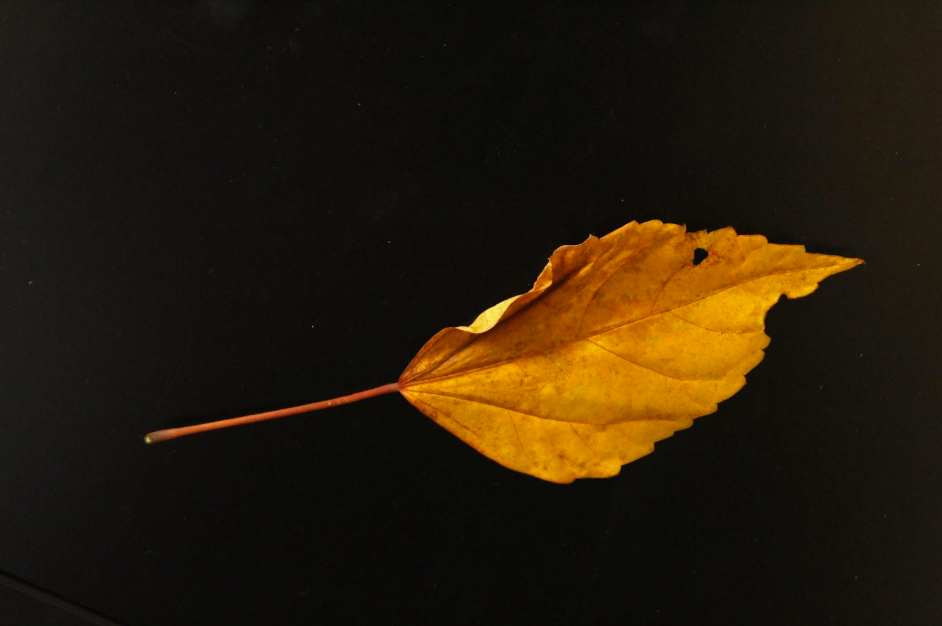
Art pieces inspired by nature have become a powerful force in contemporary culture. Nature art bridges human creativity and the environment. Through eco-art and biophilic design, artists use organic materials, sustainable practices, and natural forms to create work that is both beautiful and meaningful. Seeking eco-friendly art inspiration from around the world, designers and collectors are turning to nature-inspired art that reflects a growing desire to reconnect with nature. This approach also promotes environmental awareness, emotional wellness, and visual harmony in modern spaces.
What Is Eco-Art?
Eco-art is a creative genre built around ecological responsibility. Artists use sustainable materials and draw inspiration from environmental issues. The goal is to deepen the audience’s connection to the natural world.
Core Idea
Eco-art is not just aesthetically pleasing – it actively engages with environmental themes and sustainability from the very first brushstroke.
One compelling style within eco-art is contemporary minimalism. It focuses on essential elements – texture, form, and raw materials – without excess ornamentation. The result is a pure, intentional experience.
Pioneering Eco-Artists
Two artists have defined what eco-art can be:
| Andy Goldsworthy
British |
Known for site-specific land nature art made entirely from natural materials – rocks, ice, leaves, and branches. His work is temporary by design, evolving and fading as nature reclaims it. This mirrors the cyclical, fleeting beauty of life itself. |
| Nils-Udo
German |
A pioneer since the 1960s, Nils-Udo creates large-scale living installations that highlight the delicate balance of ecosystems. His work is both a visual statement and an invitation to rethink how we relate to the natural world. |
Both artists push beyond traditional aesthetics. Their work cultivates a deeper understanding of our planet’s fragile systems.
Contemporary Nature-Inspired Art
Today’s eco-artists are transforming how we experience and think about nature. They use new technologies, community engagement, and even ecological science to create work that resonates beyond the gallery.
1. Digital Nature Art and Virtual Ecosystems
Artists are using digital tools to bring nature into spaces where it can’t exist physically:
- Augmented reality installations create immersive natural environments in cities
- Interactive digital sculptures respond to human movement and touch
- Virtual ecosystems simulate threatened environments in real time
These tools make environmental art accessible even in dense urban areas where green space is scarce.
2. Community-Based Environmental Art
Many eco-artists now involve local communities directly in the creative process. This might mean:
- Gathering materials together from local environments
- Co-designing and building the installation
- Maintaining or evolving the work over time
The result goes beyond a single artwork. These projects build shared environmental awareness and inspire long-term stewardship.
3. Restoration Art: Healing Through Creativity
A growing niche within eco-art focuses on actually healing damaged ecosystems. Artists collaborate with environmental scientists to create works that:
- Provide habitat structures for wildlife
- Help filter water or improve soil quality
- Serve both an aesthetic and a functional ecological purpose
This is where art becomes environmental activism in the most direct sense.
Eco-Art Installations: Art Meets Activism
Eco-art installations are one of the most powerful expressions of environmental consciousness. They use sculpture, photography, performance, and large-scale structures to make environmental issues impossible to ignore.
Notable Example
Olafur Eliasson’s “Ice Watch” placed large blocks of Greenland ice in city centres around the world. As they melted in real time, they made the reality of climate change visceral and undeniable.
Other artists go a step further. Maya Lin – famous for the Vietnam Veterans Memorial – now focuses entirely on conservation. Her installations advocate for sustainable design and push for real policy change.
Minimalist installations are also powerful. Simple, clean designs using natural materials can create strong statements with very little. The message becomes clearer when there is nothing unnecessary in the way.
Biophilic Design: Bringing Nature Indoors
Biophilic design integrates natural elements into our built environments – homes, workplaces, and public spaces. It’s not just about aesthetics. Research shows it has significant benefits for our health and well-being.
| Reduces Stress
Calms the nervous system |
Boosts Creativity
Improves clarity of thought |
Improves Wellbeing
Physical & emotional health |
Health & Wellness Benefits
Studies consistently show that exposure to nature – even through images and art pieces inspired by nature – improves human wellbeing:
- Stress reduction: Natural elements calm the nervous system
- Cognitive boost: Green environments improve focus and problem-solving
- Emotional health: Nature imagery has similar mental benefits to being outdoors
- Faster recovery: Hospital patients recover more quickly in nature-rich environments

Workplace Study
Research conducted during the COVID-19 pandemic found that biophilic design in healthcare workplaces significantly improved staff emotional well-being. Workers with access to green features reported greater job satisfaction and stronger workplace attachment.
Responding to Urbanisation
As cities grow, access to nature shrinks. Biophilic design addresses this directly. It brings the calming influence of natural elements into concrete environments.
Even simple additions can make a difference:
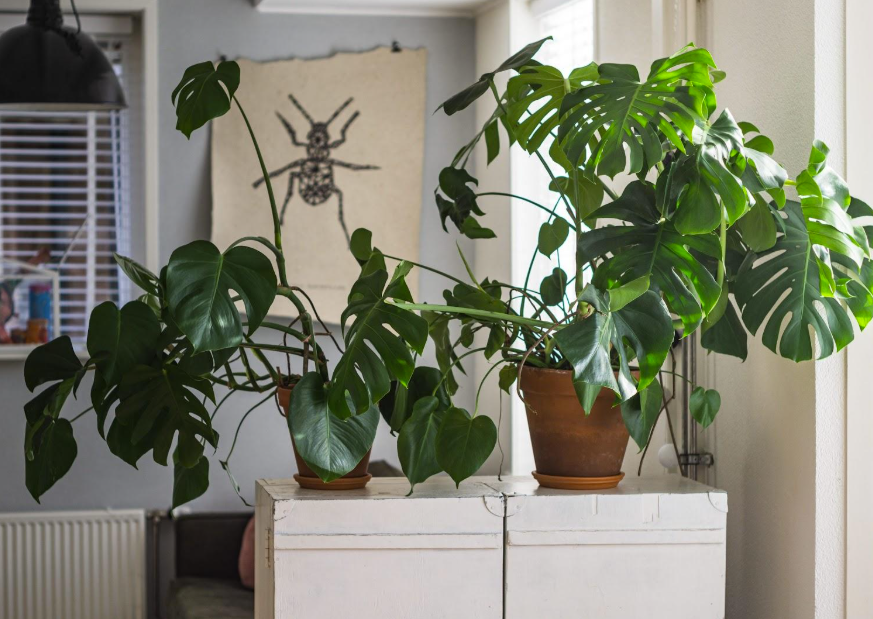
- Indoor plants and living walls
- Nature photographs and landscape paintings
- Organic textures in furniture and materials
- Natural light and water features
Forms of Environmental Art
Eco-art spans a wide spectrum of styles and media. Here are the main types:
| Type | What It Involves |
| Land Art | Large-scale outdoor works shaped by and within natural landscapes |
| Sustainable Sculpture | Art made from recycled, reclaimed, or biodegradable materials |
| Living Art | Installations using living plants and organisms as core elements |
| Conservation Art | Works that directly contribute to habitat or ecosystem restoration |
| Awareness Installations | Pieces designed to educate audiences about specific environmental issues |
Forms of Environmental Art
Eco-art spans a wide spectrum of styles and media. Here are the main types:
| Type | What It Involves |
| Land Art | Large-scale outdoor works shaped by and within natural landscapes |
| Sustainable Sculpture | Art made from recycled, reclaimed, or biodegradable materials |
| Living Art | Installations using living plants and organisms as core elements |
| Conservation Art | Works that directly contribute to habitat or ecosystem restoration |
| Awareness Installations | Pieces designed to educate audiences about specific environmental issues |
The Future of Environmental Art
Eco-art is evolving fast. Artists are exploring new materials and technologies to stay ahead of environmental challenges.
Emerging directions include:
- Biodegradable smart materials that change and degrade naturally over time
- Interactive installations powered entirely by renewable energy
- Virtual reality environments that simulate threatened ecosystems
- Collaborations with indigenous communities to preserve traditional ecological knowledge
- AI-powered artworks that respond to real-time environmental data

These innovations ensure that nature-inspired art stays relevant – and urgent – in a rapidly changing world.
How to Collect and Support Eco-Art
There are many ways to get involved with environmental art – whether you’re a collector, a design enthusiast, or simply someone who cares about the planet.
| ✦ | Buy directly from nature-inspired artists to give them fair support. |
| ✦ | Choose sustainable framing materials and eco-friendly display methods. |
| ✦ | Participate in local environmental art projects and community installations. |
| ✦ | Share and educate others about the importance and meaning of eco-art |
Bringing Nature Art into Your Home
You don’t need to commission a major installation to connect with nature art. Consider these options for eco-friendly art inspiration from around the world:
- Nature-inspired art paintings or prints for walls and hallways
- Sculptures made from natural or recycled materials
- Indoor plant displays or living walls
- Furniture and decor that uses organic shapes and textures
When selecting art pieces inspired by nature, consider scale, natural light, seasonal changes, and how each piece interacts with the rest of your space.
Conclusion
Nature-inspired art does more than decorate a wall. It reconnects us with the world outside. It promotes environmental awareness. It enhances our well-being. And it reminds us that creativity and stewardship are not opposites – they are the same thing.
From sweeping land installations to a single painting of an oak tree, every piece of eco-friendly art is a small act of love for the natural world.
About the Author
John Sewell is the founder of Cosimo and holds a Master’s Degree in History of Art from the University of Birmingham. He built Cosimo to give emerging artists fair, transparent ways to reach collectors directly. He was shortlisted for the Great British Entrepreneur Awards. His background in art, creative entrepreneurship, and digital marketplaces informs his writing on artist development, accessible art, and the future of online art sales.
Frequently Asked Questions
Nature art includes any creative work that draws ideas, materials, or themes from the natural world. This ranges from realistic landscape paintings to abstract interpretations of organic forms and patterns.
Eco-friendly art inspiration from around the world includes Andy Goldsworthy’s land art in the UK, Nils-Udo’s living installations in Germany, and Olafur Eliasson’s ice installations exhibited globally. Each draws on local natural environments to comment on broader ecological issues.
Nature-inspired art integrates sustainability and environmental consciousness into the creative process itself. It often uses natural or recycled materials and aims to raise awareness about ecological issues, not just look beautiful.
Art pieces inspired by nature are used both decoratively and functionally – to beautify spaces, promote wellbeing, raise environmental awareness, and, in some cases, actively restore ecosystems. They appear in homes, offices, galleries, and public installations worldwide.
Restoration art is eco-art that actively helps heal damaged ecosystems. Artists work with scientists to create installations that provide wildlife habitat, improve water quality, or restore soil health.
It connects people with nature through elements like plants, natural light, and organic materials. Research shows this reduces stress, boosts creativity, and improves mental and emotional health.
Absolutely. Start with nature-inspired art paintings, sculptures from natural materials, or indoor plants. Even small changes – like adding organic textures or nature photography – can make a meaningful difference.
Common materials include wood, stone, leaves, branches, clay, natural pigments, recycled metals, and living plants. Artists typically source these locally and sustainably.
Contemporary artists use augmented reality, virtual reality, and AI to simulate natural environments in urban spaces. Some works respond in real time to environmental data like air quality or temperature.