

Art fair preparation demands strategic planning starting six months before your exhibition. Success hinges on selecting the right fair for your artistic style, creating a cohesive body of work, designing an inviting booth setup, and implementing effective post-fair follow-up within 48-72 hours. This comprehensive guide covers everything from essential checklists to pricing strategies and digital integration for emerging artists navigating competitive art fair environments.
Table of Contents
- Why Art Fair Preparation Matters for Career Success
- The Complete 6-Month Preparation Timeline
- Step-by-Step Preparation Process
- Expert Techniques for Display That Captures Attention
- Essential Items Professional Exhibitors Never Forget
- Mastering Your Booth Setup
- Proven Tips for First-Time Exhibitors
- Strategic Approaches to Stand Out
- Psychological Principles Behind Customer Engagement
- Creating Effective Marketing Materials
- Financial Realities and Sustainable Strategies
- Digital Integration for Competitive Advantage
- Post-Fair Strategies for Long-Term Success
- Medium-Specific Presentation Strategies
- Building Sustainable Participation Models
What must emerging artists know about succeeding in today’s competitive art fair landscape? Art fairs represent critical career opportunities for emerging artists seeking recognition, sales, and connections. This guide provides actionable strategies for artists preparing to exhibit their work effectively in these competitive environments.
Why Art Fair Preparation Matters for Career Success
Art fairs are pivotal career moments for emerging artists, offering opportunities for visibility, sales, and meaningful industry connections. Effective art fair preparation plays a decisive role in how professionally you present your work, how confidently you engage with potential buyers, and how fully you capitalise on the limited time and attention available during a fair.
Artists who commit to thorough preparation consistently achieve higher average sales than those who attend with minimal planning. Maintaining clear focus throughout your art fair journey shapes which opportunities you pursue, how strategically you allocate time and resources, and ultimately how successfully you build relationships with potential collectors.
What Should Be My Primary Focus When Considering Participation?
Your primary focus should be on identifying fairs where your artistic style, medium, and price point align with the attending audience’s preferences and purchasing behaviours. This targeted approach yields significantly better outcomes than randomly applying to prestigious fairs without strategic consideration.
Maintaining a clear focus on your specific artistic and business goals prevents the common pitfall of trying to appeal to everyone, which typically results in connecting meaningfully with no one. The diversity and inclusivity in the art landscape continue evolving, making it essential to understand which fair audiences resonate with your unique creative voice.
The Complete 6-Month Preparation Timeline
Thorough art fair preparation begins well in advance of the actual event. Adequate preparation involves multiple phases starting approximately six months before your exhibition date. During the initial phase, thoroughly research potential fairs to determine the most suitable matches for your work and career stage.
The Comprehensive Art Fair Preparation Checklist:
- 6 months prior: Research and apply to appropriate fairs
- 3-5 months prior: Develop a cohesive body of work specifically for the fair context
- 2-3 months prior: Create marketing materials that communicate your unique artistic perspective
- 1-2 months prior: Plan booth layout and display strategies
- 1 month prior: Finalise logistical details, including transportation and accommodations
- 2-3 weeks prior: Prepare sales systems and inventory management
Step-by-Step Preparation Process
1. Research Suitable Art Fairs (6 Months Out)
Start by shortlisting art fairs that genuinely align with your medium, pricing, and current career stage, rather than pursuing prestige alone. Assess who attends each fair, the typical price ranges on display, and how the event is regarded within your specific artistic community. Shifts in audience interest-such as the growing momentum behind the traditional crafts revival – have also opened up valuable opportunities at specialised fairs that celebrate heritage skills and material-led practices.
Visit the specific fair as an attendee before exhibiting whenever possible. This reconnaissance allows you to observe booth layouts, visitor behaviour patterns, and the overall atmosphere. The UK offers excellent resources through a-n The Artists Information Company, which maintains comprehensive directories of UK art fairs and professional development resources for visual artists.
2. Create a Cohesive Body of Work (3-5 Months Out)
Develop a collection that demonstrates your artistic vision while remaining accessible to diverse viewers. The work should feel unified through consistent themes, colour palettes, or conceptual approaches. Many artists find inspiration in exploring artistic extremes, allowing them to push creative boundaries while maintaining coherence across their body of work.
Consider how your work relates to broader contemporary global art trends without sacrificing your authentic voice. The pieces you select should work confidently on their own while creating a stronger impact collectively.
3. Design Marketing Materials (2-3 Months Out)
Your marketing materials serve as tangible reminders of your work long after the fair concludes. Design business cards that feature representative artwork images and create one-page artist statements that clearly communicate your practice to non-technical audiences.
Develop tiered marketing pieces for different levels of engagement—from quick-glance cards to more detailed portfolios. Artists working in newer or less familiar mediums may find it helpful to contextualise their work within broader shifts shaping contemporary practice. Together, these materials should help visitors quickly understand your work, remember you after the fair, and feel confident taking the next step in engaging with your practice.
4. Plan Booth Layout and Logistics (1-2 Months Out)
Your booth functions as a temporary gallery space. Consider traffic patterns, lighting requirements, and how visitors will navigate your space. The principles of art lighting apply equally to fair booths, where proper illumination can dramatically enhance how collectors perceive your work.
Research creative painting display ideas that can be adapted to the temporary fair environment. The way you present work influences perceived value and professionalism.
5. Finalise Inventory and Sales Tools (2-3 Weeks Out)
Prepare your pricing documentation, payment processing systems, and inventory tracking methods. Double-check that you have backup plans for technology failures. Create a comprehensive toolkit for installation and emergency repairs.
6. Execute Booth Setup and Engagement (Event Days)
Arrive early for setup, allowing buffer time for unexpected challenges. Photograph your fully assembled booth for future reference and promotional use. Stay hydrated, take breaks, and maintain energy throughout long exhibition hours.
7. Implement Post-Fair Follow-Up (Within 48-72 Hours)
Initial follow-up communications should occur within 48-72 hours while your interaction remains fresh in visitors’ minds. This prompt timing demonstrates professionalism while capitalising on emotional connections established during the fair.
Expert Techniques for Display That Captures Attention
Preparing art for fair display requires different considerations than gallery or online presentation. Viewers typically spend only 5-10 seconds initially assessing whether your booth merits further attention.
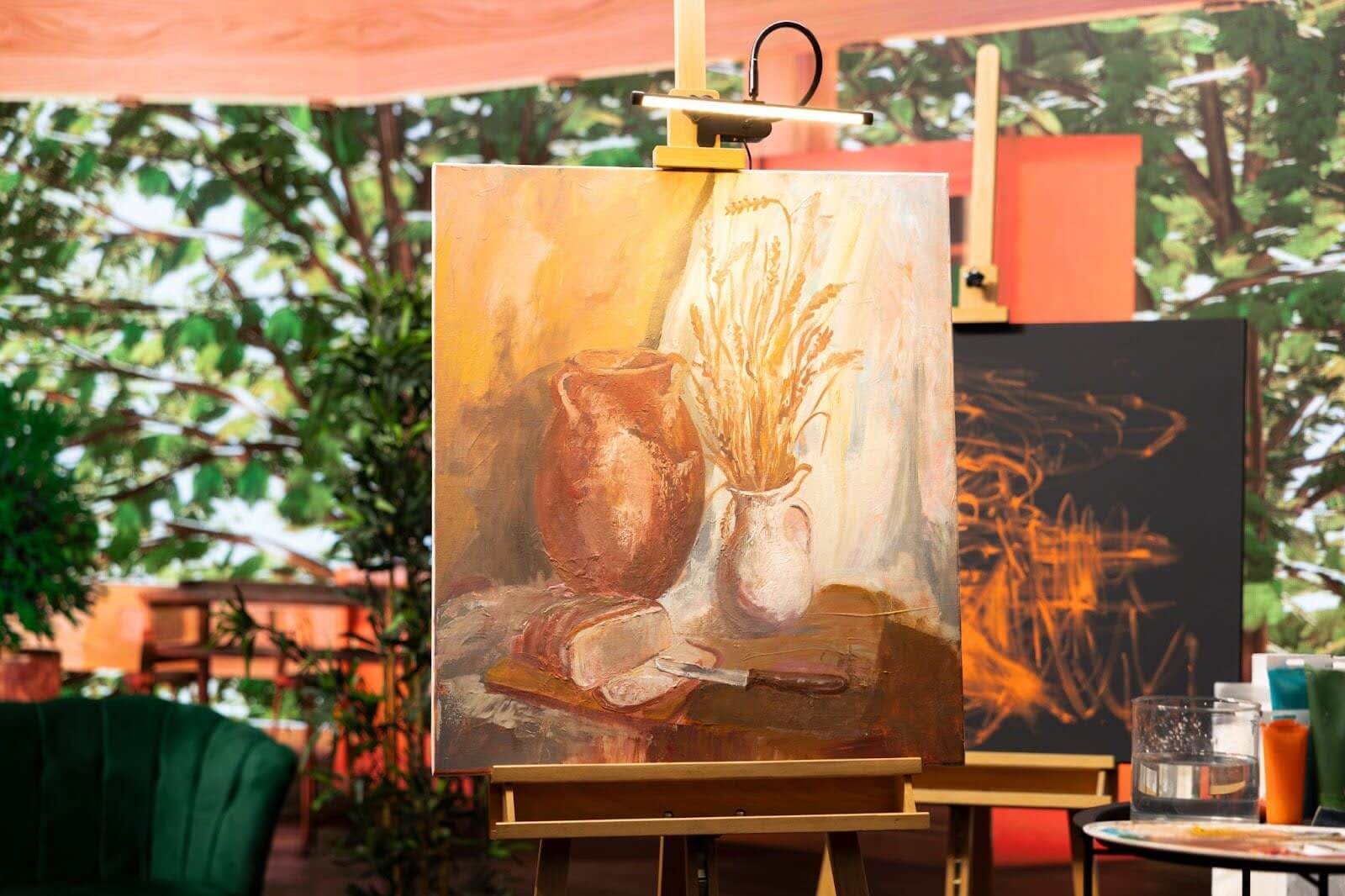
Effective Methods for Preparing Art for Fair Display:
Create a Visual Hierarchy: Position statement pieces at optimal viewing heights (generally 57-60 inches to the centre of the artwork, following museum standards). Your strongest work should be visible from across the aisle.
Ensure Proper Lighting: Lighting should enhance rather than flatten artwork details. Many successful exhibitors invest in professional-grade LED spotlights that offer adjustable colour temperature. The lighting for your paintings can make the difference between work that stops traffic and work that goes unnoticed.
Use professional-quality framing: Professional and intentional framing enhances the artwork without drawing attention away from it. Thoughtful presentation grounded in art framing principles used in interior design translates well to exhibition settings, where framing choices subtly signal care, professionalism, and perceived value. For vintage or historically influenced works, incorporating elements inspired by antique picture framing techniques can reinforce authenticity and deepen the narrative context of the piece.
Consider multiple viewing distances: Your booth should be visually engaging from afar, welcoming at the entrance, and rewarding on closer inspection. Thinking in terms of spatial layering—similar to how visual depth is created in small room design—helps you structure interest within a limited footprint, drawing visitors in rather than overwhelming them at first glance.
Create thematic connections: Displayed works should feel intentionally related through shared visual language, materials, or concepts. Using principles comparable to colour psychology in interior design can help establish a natural flow between pieces, guiding viewers through your booth while reinforcing a cohesive and legible artistic narrative.
What Common Mistakes Do Artists Make When Preparing Art for Fair Display?
The most frequent errors include overcrowding booth spaces, using inadequate lighting that fails to showcase artwork properly, and neglecting to consider how pieces appear from across aisles, where potential buyers first glimpse your work.
Successfully preparing art for fair display means creating an environment that draws visitors from a distance while rewarding closer inspection. Avoid the temptation to maximise hanging capacity; less is genuinely more in fair contexts.
Essential Items Professional Exhibitors Never Forget
Certain art fair essentials distinguish professional exhibitors from amateurs. These essentials include physical items and strategic approaches that facilitate successful participation.
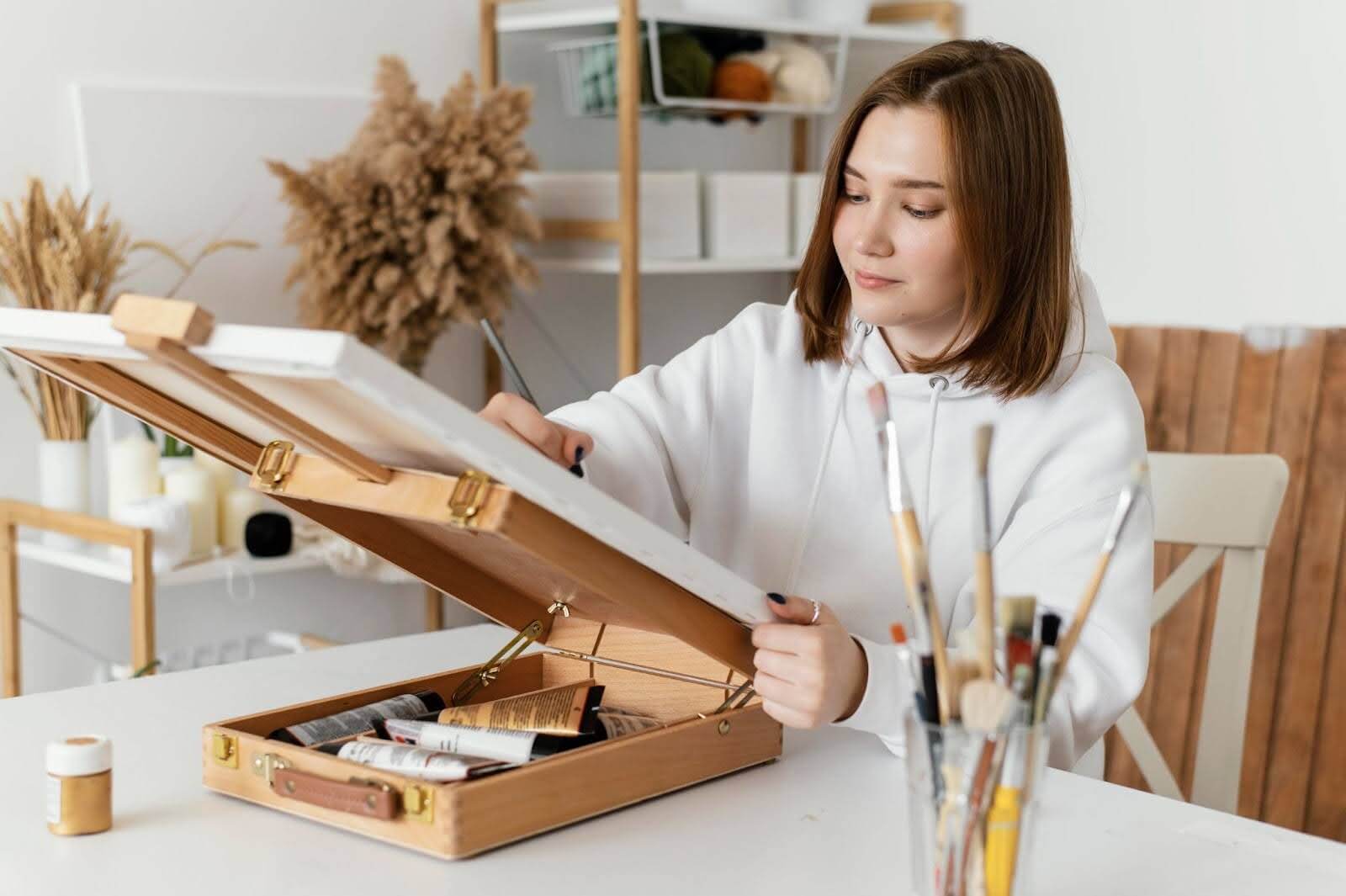
The Non-Negotiable Art Fair Essentials Checklist:
| Category | Essential Items |
| Display | Professional-quality display hardware, proper lighting equipment, backup bulbs/batteries |
| Sales | Reliable payment processing systems, pricing strategy documentation, and sales tracking system |
| Marketing | Business cards, portfolios, artist statements, email capture system |
| Logistics | Comprehensive toolkit, weather-appropriate packing materials, emergency supplies |
| Personal | Comfortable professional attire, personal supplies (water, snacks, pain relievers) |
| Follow-up | Post-fair contact protocols, visitor information tracking system |
Why Are Reliable Payment Processing Systems Considered Critical?
Payment processing capabilities rank among the most essential art fair requirements because the inability to complete transactions promptly and professionally significantly decreases the probability of sales. Potential buyers rarely return later if they encounter payment difficulties during their initial purchase attempt.
Modern collectors expect flexible payment options, including contactless payments, digital wallets, and traditional card processing. Test all systems thoroughly before the fair begins and always carry backup charging equipment.
Mastering Your Booth Setup
Your art fair booth setup serves as a temporary gallery, conveying your artistic identity and professionalism. Effective booth setup considers both aesthetic presentation and practical customer flow.
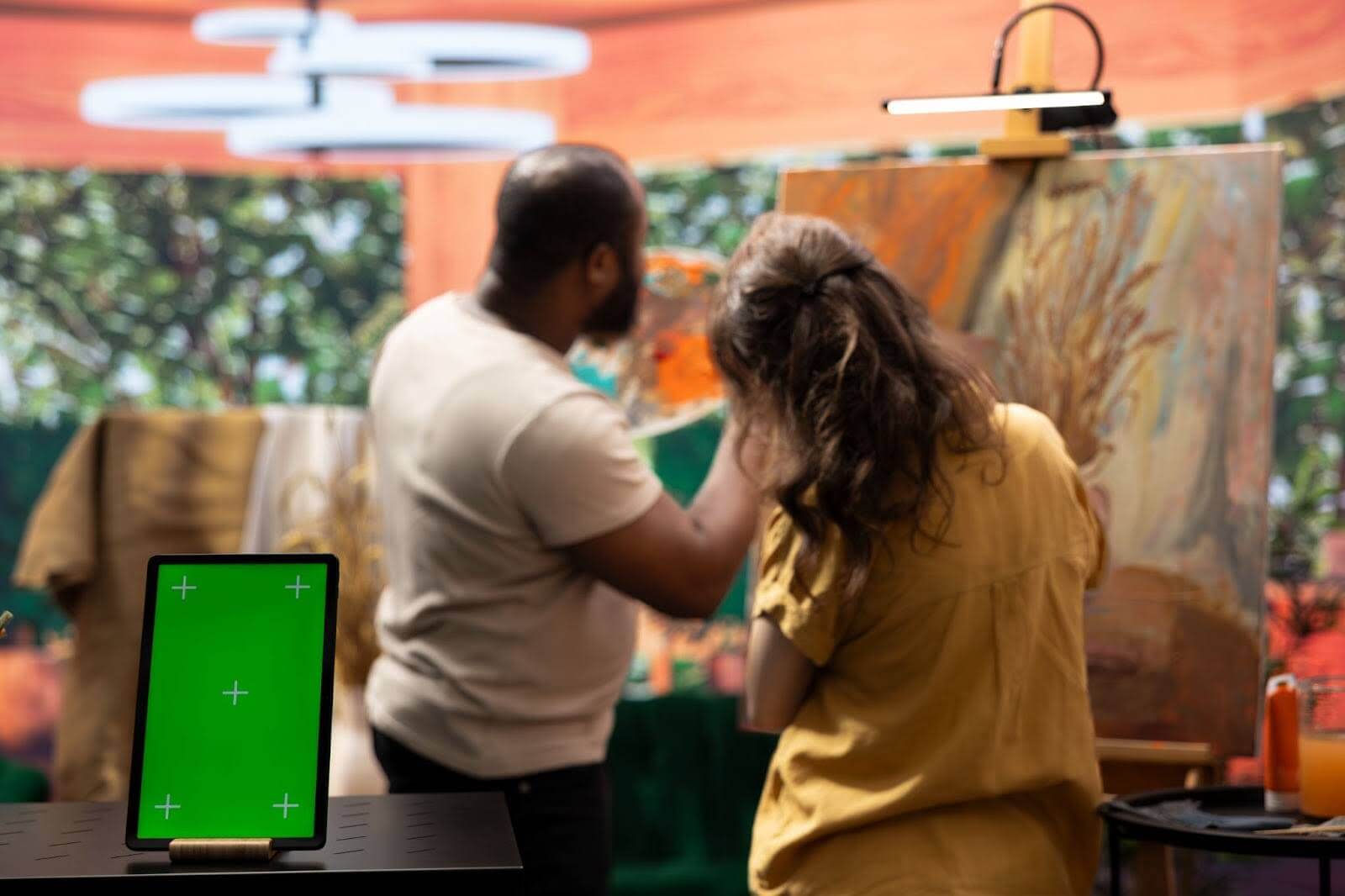
Optimising Your Art Fair Booth Setup:
Create Clear Entry Points: Design your space to invite visitors in rather than creating psychological barriers. Avoid placing large pieces directly at the entrance that might intimidate casual browsers.
Design Comfortable Traffic Patterns: Allow comfortable viewing without crowding. Visitors should feel they can move freely without invading other viewers’ space or accidentally bumping into artwork.
Establish Conversation Areas: Designate spots where interested visitors can discuss your work without blocking others’ viewing. A small seating area or a standing height table can facilitate these interactions.
Implement Strategic Lighting: Highlight artwork features while avoiding harsh shadows or glare. Portable LED systems offer flexibility and energy efficiency throughout long fair days.
Develop Visual Coherence: Thoughtful arrangement and spacing create a cohesive environment. The balancing paintings with interior design principles of rhythm and proportion apply equally to booth composition.
How Much Space Should I Leave Empty in My Art Fair Booth Setup?
Professional art fair booth setups typically maintain approximately 30-40% space, rather than maximising hanging capacity. This intentional breathing room creates a visual hierarchy, prevents overwhelming visitors, and signals curatorial confidence in the value of your work.
Empty wall space isn’t wasted—it’s strategic. Just as room colour schemes benefit from restraint, booth design improves when you resist the urge to fill every available surface.
Proven Tips for First-Time Exhibitors
First-time exhibitors benefit from learning through others’ experiences rather than making avoidable errors. These tips address common challenges unique to initial fair participation.
Essential Tips for First-Time Art Fair Exhibitors:
Visit Before Exhibiting: Attend the specific fair as a visitor before committing to a booth. Observe successful exhibitors’ strategies and identify what resonates with you as a viewer.
Create Realistic Sales Projections: Base expectations on comparable artists’ experiences rather than optimistic speculation. Research typical conversion rates for your medium and price point.
Pack Personal Supplies Separately: Keep water, snacks, pain relievers, and phone chargers in an easily accessible location. Long exhibition hours can be physically demanding.
Arrange Booth Coverage: Coordinate with neighbouring exhibitors or bring an assistant to cover necessary breaks. Never leave your booth completely unattended during fair hours.
Practice Your Artist Statement: Test your explanation with non-art audiences before the fair. Can you convey your work’s essence in 30 seconds? In two minutes? Practice both versions.
Photograph Your Setup: Document your fully assembled booth from multiple angles. These images serve as references for future fairs and provide content for promotional materials.
Budget for Unexpected Expenses: Add 20-30% to your estimated costs for inevitable surprises. Transportation delays, last-minute hardware purchases, and emergency repairs commonly arise.
Connect with Neighbouring Exhibitors: Build relationships with nearby booth holders. They can assist, watch your space during breaks, and offer valuable fair-specific insights.
What’s the Most Valuable Advice Among These Tips?
Establishing concrete success metrics beyond sales figures before the fair begins proves most valuable. This practice enables first-time exhibitors to recognise and appreciate various beneficial outcomes, including professional connections, market research insights, and portfolio development opportunities, regardless of immediate sales results.
The Arts Council England offers resources for emerging artists navigating professional opportunities, including guidance on setting realistic goals and measuring success across multiple dimensions.
Strategic Approaches to Stand Out
In environments featuring hundreds of exhibitors, practical strategies for differentiation focus on authentic presentation rather than attention-seeking tactics.
Professional Methods to Stand Out at Art Fairs:
Develop a Visually Distinctive Booth Design: Your booth design should reflect your artistic identity without overwhelming your artwork. Incorporating distinctive visual elements-such as those inspired by street art-can help your booth achieve immediate recognition while keeping the focus on the artwork.
Create Cohesive Visual Presentation: Use thoughtful colour palettes and arrangements that unite your displayed work. Consider how matching paintings with your setup can create harmony.
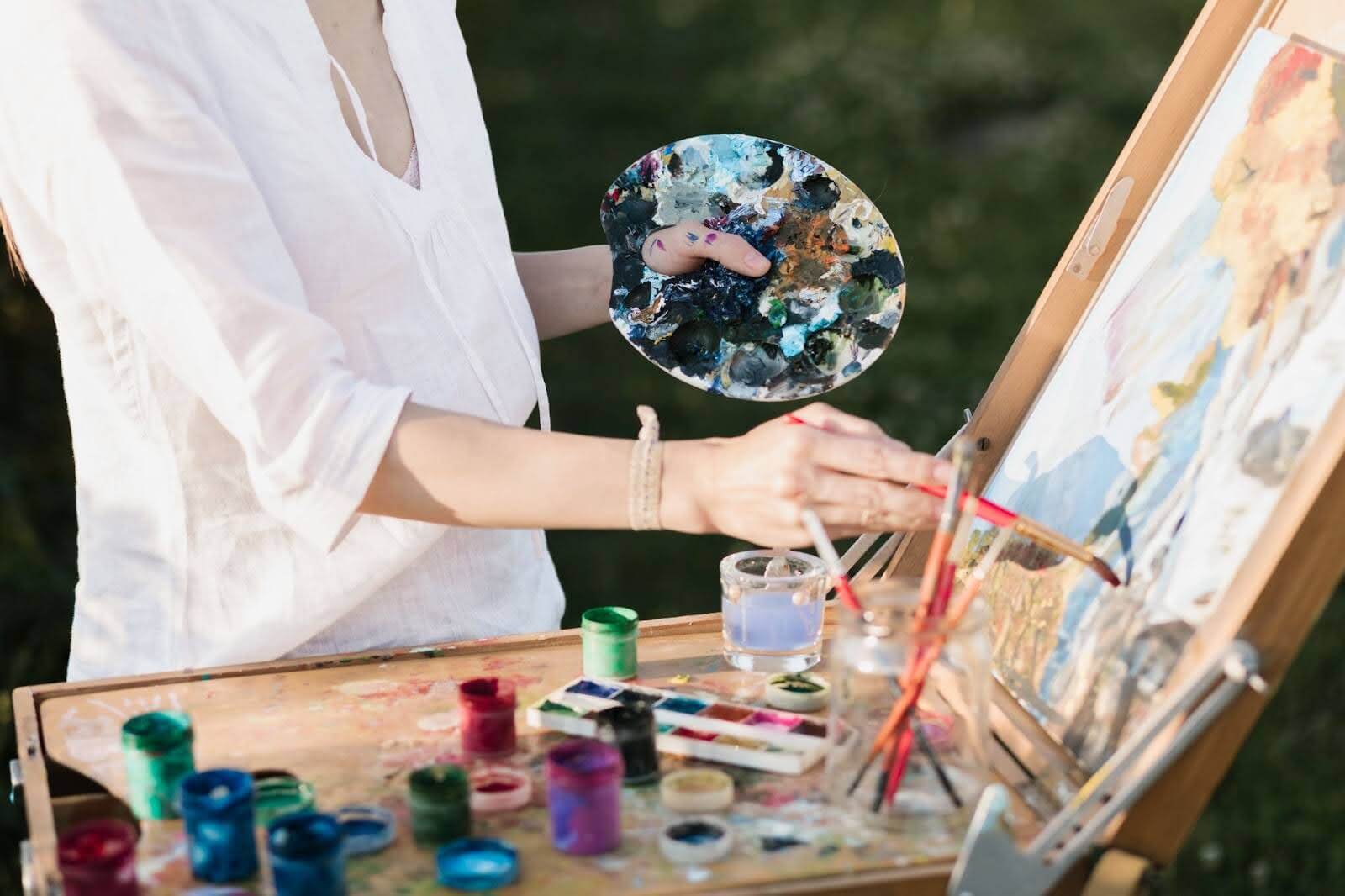
Demonstrate Artistic Processes: Small live demonstrations engage visitors intellectually and create conversation opportunities. This approach resonates strongly with artists working in traditional techniques, many of which are gaining renewed attention as part of the wider traditional crafts revival.
Utilise Storytelling Elements: Contextualise your work meaningfully without lengthy wall text. Brief narratives about inspiration sources or creative processes help collectors connect emotionally with pieces.
Implement Subtle Interactive Elements: Engage visitors through touchable material samples, process books, or QR codes linking to studio videos. Keep these elements supplementary rather than central to maintain focus on the artwork.
Is Unusual Booth Design Effective for Standing Out?
While distinctive presentation contributes to visibility, successful differentiation requires purposeful design choices that complement rather than distract from your artwork. The most effective strategies maintain focus on artwork quality while utilising booth design elements to enhance rather than compete with the work itself.
Artists incorporating art and augmented reality elements should ensure technology serves the work rather than overshadowing it. Artists drawing on art inspired by nature can also integrate natural materials into their booth design while keeping the overall presentation balanced and light.
Psychological Principles Behind Customer Engagement
Visitor psychology significantly enhances your ability to connect meaningfully with potential buyers. Successful approaches strike a balance between approachability and professionalism.
Practical Techniques for Engaging Art Fair Customers:
Recognise Engagement Signals: Different visitors display different interest levels. Learn to distinguish between casual browsers (glances, continuous movement) and serious prospects (prolonged viewing, reading wall text, returning to specific pieces).
Ask Open-Ended Questions: Instead of “Can I help you?” try “What draws you to this piece?” or “Are you familiar with this medium?” Questions that invite conversation rather than yes/no responses create meaningful dialogue.
Share narratives: Relay stories about your creative process, sources of inspiration, or technical challenges. The connection between art and mental health often resonates deeply with collectors seeking meaningful acquisitions.
Demonstrate Knowledge Without Overwhelming: Share technical expertise when relevant, but avoid lengthy monologues. Gauge visitor interest and adjust your depth accordingly.Drawing on principles from mindfulness and art can help you remain present and responsive to subtle social cues.
Read Body Language: Determine appropriate engagement intensity through physical cues. Crossed arms might indicate discomfort rather than disinterest. Leaning toward artwork suggests genuine engagement.
Create Comfortable Exit Paths: Allow visitors to depart without awkwardness. Phrases like “Feel free to look around” or “I’ll be here if you have questions” permit browsing without obligation.
Should I Approach Every Visitor Who Enters My Booth?
Successful strategies involve selective engagement based on behavioural cues. Most experienced exhibitors recommend allowing visitors approximately 30 seconds of independent viewing before initiating conversation, as immediate approaches can feel intrusive and decrease the time visitors linger.
This patience demonstrates respect for personal viewing preferences while maintaining availability. Position yourself where you’re accessible but not blocking sight lines to artwork.
Creating Effective Marketing Materials
Strategic marketing materials preparation involves creating resources that extend your presence beyond the event itself. Adequate preparation considers both immediate impression and long-term reference value.
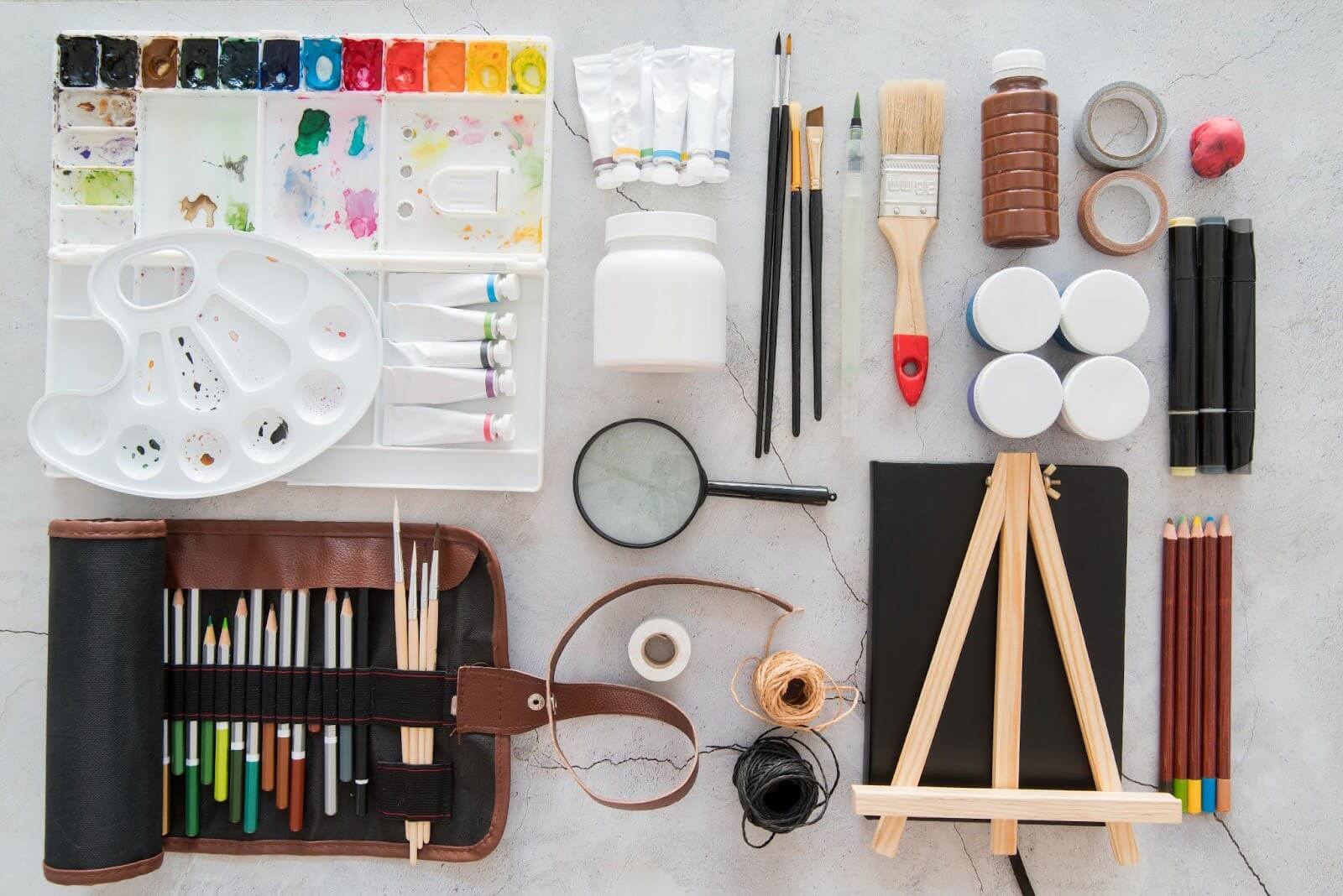
Best Practices for Art Fair Marketing Materials:
Design Business Cards with Representative Images: Your card should instantly recall your work. Feature a signature piece that exemplifies your style. Include your name, medium, website, and one social media handle-avoid cluttering with excessive contact options.
Create Accessible Artist Statements: One-page statements should communicate your artistic perspective to non-technical audiences. Avoid art school jargon that alienates general collectors. Many artists exploring painting genres and styles find that concise genre positioning helps collectors contextualise their work.
Develop Tiered Marketing Pieces: Prepare materials for different engagement levels. Quick business cards for casual interest, detailed portfolios for serious prospects, and follow-up pieces that maintain connections post-fair.
Produce Digital Portfolios: Showcase work beyond booth display through tablets or QR codes linking to your website. This proves particularly valuable for artists creating large-scale paintings too substantial for fair display.
Craft Follow-Up Materials: Prepare thank-you postcards or email templates that can be personalised quickly. Include any special fair-related offers or upcoming exhibition information.
What Information Must Be Included When Preparing Marketing Materials?
Essential elements include clear contact information, consistent visual branding, professional-quality images of representative work, a concise artist biography, and straightforward purchasing information. Successfully preparing marketing materials strikes a balance between comprehensive information and accessibility, and avoiding overwhelming potential collectors with excessive technical or biographical details.
The Crafts Council UK provides templates and guidance for professional marketing materials specifically designed for craft and fine art practitioners.
Financial Realities and Sustainable Strategies
Economic considerations significantly impact art fair success, particularly for emerging artists with limited resources.
Key Financial Considerations:
Calculate Total Participation Costs: Include booth fees, travel, accommodation, production costs, marketing materials, shipping, and insurance. Many artists underestimate true expenses by focusing only on booth fees.
Develop Appropriate Pricing Strategies: Reflect fair context and career stage in your pricing. Research comparable artists’ price points at the specific fair. Collectors expect fair pricing to align with your overall market positioning.
Create Realistic Sales Projections: Base projections on conversion rates typical for your medium and price point. Industry averages suggest 3-5% of booth visitors make purchases, though this varies significantly by fair quality and audience alignment.
Evaluate ROI Beyond Immediate Sales: Consider long-term client relationships, gallery interest, and press coverage. Many successful fair participations generate limited immediate revenue but establish connections yielding significant future opportunities.
Establish Minimum Metrics for Future Participation: Before exhibiting, determine what outcomes justify returning. This might include minimum sales figures, specific networking goals, or press coverage objectives.
What Percentage of Art Fair Costs Should Come From Artwork Sales?
Successful exhibitors aim to recover direct fair costs through sales while viewing marketing benefits and professional connections as additional value. For emerging artists, achieving sales covering 70-100% of direct expenses typically indicates successful fair selection and presentation.
However, a complete financial evaluation should also consider long-term client relationships and future opportunities. Some artists strategically participate in fairs at a loss when the networking opportunities justify the investment.
Regional arts organisations like Creative Scotland and the Arts Council of Wales offer funding opportunities that can offset participation costs for qualifying artists.
Digital Integration for Competitive Advantage
Leveraging technology creates competitive advantages in predominantly physical fair environments. Strategic digital integration extends your presence beyond booth limitations.
Effective Digital Integration Strategies:
Use QR Codes Thoughtfully: Link to process videos, additional portfolio pieces, or detailed artist statements. Position codes near related artwork but design them discreetly to avoid visual interference.
Implement Digital Portfolios: Showcase works too large for physical display through tablets or monitors. This proves particularly valuable for artists creating large-scale paintings or site-specific installations.
Create Email Capture Systems: Offer incentives for email sign-ups, such as digital catalogues or first access to new work. Ensure your system complies with GDPR requirements for UK and EU contacts.
Develop Social Media Content Strategies: Plan specific fair attendance content, including booth setup time-lapses, artwork close-ups, and visitor testimonials. Because interior décor trends often take shape at art fairs, this type of coverage holds clear value for design-focused followers, particularly those tracking trends for interior decor.
Utilise Digital Payment Systems: Expedite purchase completion through contactless payments, digital invoices, and instant receipt generation. Modern payment processors like Square or SumUp offer portable solutions designed for temporary events.
How Can Artists Balance Digital Elements Without Distracting From Original Artwork?
Successful digital integration positions technology as supplementary rather than primary. Maintain focus on the original artwork while utilising digital elements to provide context, additional information, and enhanced purchasing convenience.
Digital components should enhance rather than replace personal interaction, serving as conversation facilitators rather than substitutes for authentic engagement. When incorporating art and augmented reality elements, ensure the technology enhances rather than overshadows the physical work.
Medium-Specific Presentation Strategies
Different art forms require specialised approaches to fair presentation. Medium-specific considerations enhance display effectiveness and sales potential.
For Painters and 2D Artists
Implement Professional Hanging Systems: Use flexible arrangement systems that allow last-minute adjustments. The framing considerations for room decor apply equally to temporary exhibition spaces.
Create Display Conditions That Minimise Glare: Position work to avoid overhead lighting reflections. Test visibility from multiple angles during setup.
Utilise Lighting Techniques: Enhance texture and colour accuracy through directional lighting. Many painters find that ideas drawn from interior wall art principles help inform booth lighting strategies, particularly when aiming to reduce glare, highlight texture, and guide viewer attention.
Develop Framing Strategies: Choose frames that complement rather than dominate the artwork. Contemporary minimal frames suit most fair contexts, though period-appropriate framing benefits historical subjects.
For Sculptors and 3D Artists
Create Stable Display Platforms: Prevent accidental movement through secure pedestals or display cases. Insurance requirements often mandate protective measures for valuable three-dimensional work.
Implement Protective Measures: Maintain viewing access while preventing handling damage. Clear acrylic cases work well for delicate pieces.
Utilise Dimensional Lighting: Showcase form and texture through multiple light sources. Side lighting reveals surface details that overhead lighting flattens.
Develop Space-Efficient Arrangements: Prevent crowding while ensuring adequate viewing clearance around three-dimensional work. Visitors need space to circulate the sculpture.
For Photographers and Print Artists
Communicate Edition Information: Display edition numbers, print processes, and paper specifications clearly. Collectors purchasing photography expect detailed technical information.
Protect Works From Handling Damage: Use protective glazing and discourage touching. Consider displaying one unframed example to demonstrate print quality while protecting displayed inventory.
Implement Portfolio Systems: Display additional available images through professional portfolio books or digital displays.
Develop Presentation Methods: Distinguish your work from mass reproduction through printing quality, paper choices, and presentation standards.
For Mixed Media and Installation Artists
Create Scaled Representations: Large installation works require an adapted presentation for fair contexts. High-quality documentation photos, models, or maquettes communicate installation impact.
Use Documentation Materials: Illustrate complete installation impact through professional photography, video documentation, or virtual reality presentations.
Develop Modular Presentation Approaches: Create adaptable displays suitable for varying booth configurations.
Implement Descriptive Elements: Enhance conceptual comprehension through artist statements, process descriptions, or material lists that contextualise complex work.
How Should Digital Artists Effectively Present Their Work at Traditional Art Fairs?
Digital artists benefit from combining high-quality physical representations with interactive digital elements. Successful approaches include:
- Creating limited-edition prints with certificates of authenticity
- Displaying work on professional-grade monitors with anti-glare protection
- Offering tangible documentation, such as process books
- Communicating ownership rights and transfer mechanisms for digital purchases
- Providing NFT information for blockchain-based works when relevant
The rise of digital art has created new challenges and opportunities for fair presentation. Digital artists must educate collectors about acquisition and display options while providing physical elements that satisfy tactile collecting preferences.
Building Sustainable Participation Models
Art fair success requires balancing immediate sales goals with long-term career development. Approaching fairs as integrated components of broader professional strategy creates sustainable participation models.
Developing Effective Art Fair Participation:
Select Opportunities Aligned With Your Goals: Choose fairs that serve specific artistic and professional objectives rather than participating in every available opportunity. Strategic selectivity prevents resource depletion and maintains booth quality standards.
Implement Comprehensive Preparation Processes: Address artistic, logistical, and business elements systematically. Concepts drawn from thoughtful presentation in interiors show how considered visual choices can elevate perceived value—apply the same discipline to your art fair presentation.
Create Professional Presentation Systems: Develop reusable display systems that effectively showcase your unique artistic perspective across multiple fairs. Initial investment in quality display infrastructure reduces long-term costs.
Develop Meaningful Engagement Strategies: Connect authentically with potential collectors rather than employing high-pressure sales tactics. Thoughtful storytelling helps collectors connect more deeply with work by providing context, intention, and meaning-an approach often explored through artistic storytelling in art without requiring extensive explanation.
Establish Evaluation Protocols: Assess multiple success metrics beyond immediate sales. Track contacts made, gallery interest generated, and long-term sales resulting from fair connections.
Build Cumulative Knowledge: Improve future participation effectiveness through systematic evaluation of each fair experience. Document what worked, what didn’t, and how to refine your approach.
How Does This Approach Differ From Common Fair Strategies?
Many artists approach fairs as isolated events rather than components of long-term strategy. This short-term thinking leads to inconsistent presentation quality, reactive rather than strategic fair selection, and failure to capitalise on connections made.
Sustainable participation models view fairs as investments in professional infrastructure and relationship development. Artists working regionally can also look to local art ecosystems as examples of how smaller fair circuits support sustainable, long-term participation models.
Conclusion
The art fair circuit offers unparalleled opportunities for emerging artists to connect directly with collectors, gallery representatives, and fellow artists. Success requires comprehensive preparation, strategic presentation, authentic engagement, and systematic follow-up.
By implementing these professional strategies-from initial fair selection through post-event relationship development-you can maximise the career-building potential of these valuable but challenging exhibition environments.
Art fair preparation demands significant investment of time, money, and creative energy. However, artists who approach fairs strategically, prepare thoroughly, and maintain focus on both immediate and long-term goals consistently report that well-chosen fair participation accelerates career development more effectively than almost any other professional opportunity.
The difference between struggling exhibitors and successful ones often lies not in artistic talent but in professional preparation, strategic thinking, and systematic follow-through. Apply the principles outlined in this guide, adapt them to your specific circumstances, and build your art fair participation into a sustainable component of your professional practice.
Key Takeaways
- Start early: Begin art fair preparation at least six months before your exhibition date.
- Focus matters: Select fairs where your artistic style, medium, and price point align with the audience.
- Space is strategic: Maintain 30-40% space in your booth setup to avoid overwhelming visitors.
- Timing is crucial: Follow up with interested visitors within 48-72 hours while connections remain fresh.
- Define success broadly: Establish multiple success metrics beyond immediate sales, including networking and market insights.
- Recovery target: Aim to recover 70-100% of direct costs through sales for emerging artists
- Payment readiness: Reliable payment processing systems are non-negotiable for closing sales
- Engagement balance: Allow visitors 30 seconds of independent viewing before initiating conversation
FAQs
Art fair preparation is the comprehensive process of planning, organising, and executing all tasks related to exhibiting artwork at a professional art fair, from initial research and application through post-event follow-up and relationship development.
Ideally, begin your preparation six months before the event. This timeline allows adequate time for researching and applying to appropriate fairs, developing a cohesive body of work, creating marketing materials, planning booth logistics, and finalising all sales and presentation systems.
Costs vary widely but typically include booth fees (£500-£5,000+), travel expenses, accommodation, marketing materials, artwork preparation, framing, shipping, and insurance. Budget an additional 20-30% above your initial estimates for unexpected expenses that invariably arise during fair preparation and participation.
Wear comfortable yet professional attire suitable for long-standing hours. Choose clothing that reflects your artistic brand while remaining practical. Avoid overly casual clothing, uncomfortable shoes, or anything that might distract from your artwork. Many artists opt for artist blacks or neutral tones that complement their work.
Maintain consistent pricing across all sales channels—galleries, your website, and fairs. Research comparable artists’ price points at your target fair. Consider your production costs, career stage, and fair positioning, but never drastically reduce prices just for fair sales, as this undermines your overall market value.
Approach discounts strategically. Rather than advertising discounts, build modest negotiation room into your pricing. Consider offering value additions like free framing, shipping, or future studio visits rather than percentage discounts that can devalue your work in collectors’ perceptions.
Allow all visitors initial viewing time regardless of perceived seriousness. Serious buyers often browse casually initially. Engage based on behavioural cues-prolonged viewing, returning to specific pieces, or asking questions signal genuine interest. Maintain professional courtesy with all visitors, as today’s casual browser may become tomorrow’s serious collector.
Evaluate success through multiple metrics beyond immediate sales. Did you make valuable connections? Receive gallery interest? Gain market insights about your work’s positioning? Collect contact information for future nurturing? Many successful artists report that their first fair generated limited sales but established relationships that yielded significant future opportunities.
About the Author
John Sewell
John Sewell is the founder of Cosimo and holds a Master’s Degree in History of Art from the University of Birmingham. He built Cosimo to give emerging artists fair, transparent ways to reach collectors directly. He was also shortlisted for the Great British Entrepreneur Awards. His background in art, creative entrepreneurship and digital marketplaces informs his writing on artist development, accessible art, and the future of online art sales.