×

How to Get Art Commissions: Platforms & Strategies That Work

art commissions

TL;DR – Key Takeaways

  • Build a professional portfolio with 10-15 strong pieces and establish an online presence across multiple platforms. 
  • Utilise commission platforms​​​​, for artists like ArtStation and DeviantArt, as well as social media, to connect with clients. 
  • Price strategically based on skill level, time investment, and market standards. 
  • Manage client relationships professionally with clear contracts and communication protocols.

What Are Art Commissions?

Art commissions are custom artworks created for clients based on their specific requests. These commissions involve a structured process including consultation, pricing, contracting, creation, revisions, and final delivery. Professional artists use commissions to build sustainable careers by creating personalised artworks for individual clients and businesses.

As a professional artist in today’s digital landscape, securing consistent work is both an art and a science. Whether you’re just starting your journey or looking to expand your existing client base, understanding how to get art commissions effectively can transform your creative passion into a sustainable career.

This comprehensive guide explores the multifaceted approach to finding and securing art commissions in the competitive creative freelancing marketplace. From building a compelling portfolio to leveraging social media platforms, networking within artistic communities, and implementing proven business strategies, we’ll cover everything you need to know about how to get art commissions online and thrive as a commissioned artist.

Digital artist working on tablet and laptop to create commissioned artwork for freelance illustration clients.

1. Building a Strong Portfolio

How to Build a Strong Commission Portfolio:

  1. Select 10-15 of your strongest, most cohesive pieces
  2. Display variety in subjects but maintain a consistent style
  3. Update your portfolio quarterly with your most recent work
  4. Organise by commission type (portraits, character art, etc.)

The foundation of learning how to get commissioned as an artist begins with a strong portfolio. Your portfolio serves as your visual CV and is often the first impression potential clients will have of your work. When curating your portfolio for getting art commissions:

  • Showcase only your most substantial pieces that represent your current skill level
  • Include a variety of work that demonstrates your versatility while maintaining a cohesive style
  • Update regularly with new pieces to show your progression and continued activity
  • Organise by categories if you work across multiple genres or media

Remember that quality trumps quantity. A focused collection of exceptional pieces is far more effective when learning how to get your first art commission than showcasing dozens of average works, because it allows potential clients to quickly assess your style, consistency, and technical ability.

A strong portfolio also plays a critical role in how to get art commissions, acting as proof of reliability and helping clients feel confident that you can deliver work that matches their expectations. Include finished pieces, close-ups that show detail, and examples similar to the type of commissions you want to attract.

How Many Samples Should Be in My Commission Portfolio?

For most artists, 10–15 high-quality pieces is the ideal range. This gives enough variety to demonstrate skill without overwhelming viewers or diluting your strongest work. When deciding what to include while learning how to start doing art commissions, prioritise:

  • Pieces that reflect the style you want to be hired for
  • Work that shows consistency across different subjects or briefs
  • Examples with strong composition, lighting, and finish
  • Recent work that reflects your current skill level

If you work across multiple niches (for example portraits, character design, and commercial illustration), consider grouping samples so clients can quickly find relevant examples — a simple step that can significantly improve your chances when figuring out how to get art commissions consistently.

Creating a Professional Online Presence

In today’s digital environment, understanding how to get art commissions online means establishing a polished online presence. This typically includes:
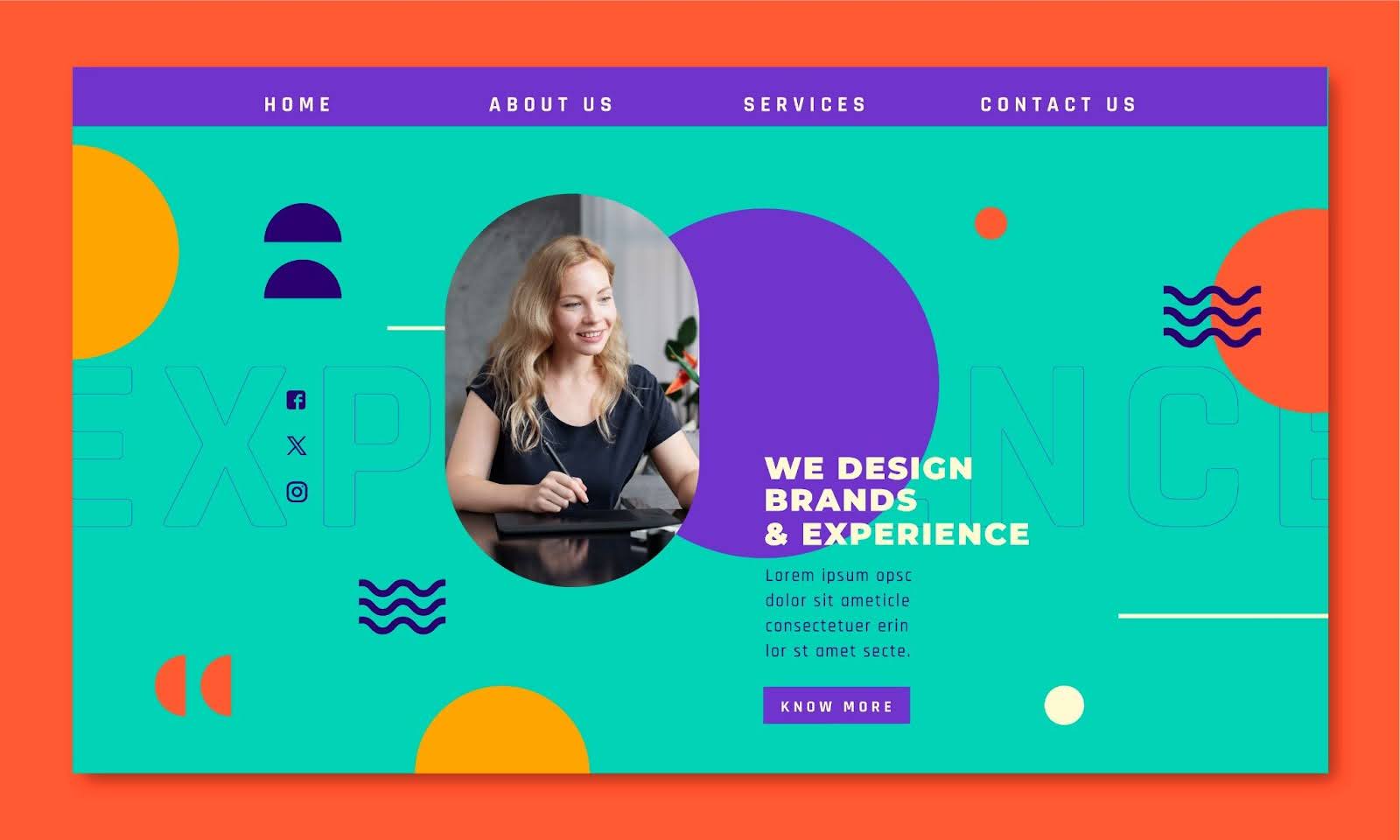
Creating professional online presence through artist website

Essential Elements for Artist Websites:

Component Purpose Best Practice
High-quality images Showcase artwork Use consistent lighting and resolution
Clear navigation Easy browsing Organise by commission type
Commission info Transparent pricing Include the process and timeline
Contact details Client accessibility Professional email address
Artist statement Personal branding Keep it concise and authentic

Consistent branding across platforms:

  • Recognisable profile pictures
  • Cohesive visual aesthetic
  • Consistent username/handle, where possible
  • Professional email address (ideally not a free provider)

The more professional your online presence appears, the more confidence clients will have when considering you for custom artwork services. A polished online presence is a foundational part of how to get art commissions, as it signals professionalism and shows potential clients that you approach your art business with care, clarity, and intention.

For artists focused on how to secure art commissions, presenting your work consistently across platforms helps build trust, reduces uncertainty for clients, and makes it easier for them to choose you for new projects.

2. Commission Platforms

Where Can I Find Commission Opportunities Online?

Top 5 Commission Platforms:

  1. ArtStation – Concept art, illustration commissions, entertainment industry
  2. DeviantArt – Established art community with built-in commission system
  3. Fiverr/Upwork – General freelance platforms with artist categories
  4. Etsy – Physical products and prints
  5. Ko-fi/Patreon – Subscription-based support with commission opportunities
Platform Best For Commission Type Audience
ArtStation Professional artists Concept art, illustration Industry professionals
DeviantArt All skill levels Fan art, original work Art enthusiasts
Fiverr Quick turnaround Logo design, portraits Small businesses
Etsy Physical products Prints, custom items General consumers
Ko-fi Ongoing support Personal commissions Dedicated followers

Each platform has its own unique audience and commission process. When learning how to get art commissions, research which commission platforms for artists best align with your particular style and target audience before investing significant time into building a presence there. This strategic approach to how to get art commissions online helps you focus on platforms where your style is most relevant, so you can build visibility among clients actively searching for artists rather than spreading your efforts too thin.

Taking this approach is a key part of getting commissioned as an artist, as it allows you to position your work more effectively, refine your outreach, and attract higher-quality opportunities for digital artist commissions that align with your skills and long-term goals.

Building Long-Term Visibility Beyond Platforms

Relying solely on commission platforms for artists can limit growth over time. Developing independent visibility helps strengthen your positioning when exploring how to get art commissions online and ensures your art business remains resilient as algorithms and platform trends change.

Develop Search-Friendly Content

Publishing articles, case studies, or process breakdowns allows potential clients to discover your work through search — a powerful complement to traditional platform exposure. This strategy supports artists looking for sustainable approaches to how to get art commissions while reinforcing credibility in digital artist commissions and illustration commissions.

Showcase Case Studies and Client Stories

Sharing detailed examples of past projects helps prospective clients understand your process and results. Demonstrating real outcomes builds confidence in your ability to deliver high-quality commissioned artwork, making it easier for clients to move forward with enquiries.

Artist capturing artwork photos on smartphone for social media promotion to attract art commissions and online clients.

Social Media Platforms for Artists

Social media has revolutionised how to get art commissions by allowing artists to build audiences and connect directly with potential clients. However, it’s worth noting that you can explore  how to get art commissions without social media as well  through commission platforms for artists and direct networking.

4 Most Effective Social Media Platforms:

  • Instagram – Visual showcase with process videos
  • Twitter/X – Networking with industry professionals
  • TikTok – Viral reach through process videos
  • Pinterest – Visual search discoverability

Consistency is key when using social media as part of your strategy for how to get art commissions. Regular posting, engaging with your audience, and using relevant hashtags significantly increase visibility to potential clients seeking commissioned artwork. For those wondering how to get art commissions with no audience, focus on quality content and strategic hashtag use to reach new viewers.

For a deeper look at optimising your socials, read our guide to using social media for artists.

3. Pricing Your Art Commissions

How Do I Set Prices for Art Commissions?

3 Pricing Methods:

  1. Hourly Rate Formula: (Hourly rate × estimated hours) + materials + overhead
  2. Flat Rate Pricing: Fixed prices based on commission complexity
  3. Market-Based Pricing: Competitive rates within your skill level and niche

For an in-depth guide, check out our full blog on pricing art commissions  –  and try our easy-to-use Art Commission Pricing Calculator to set fair rates and build confidence in your pricing. Sign up for free to access it!

Determining appropriate pricing is one of the most challenging aspects of learning how to get art commissions. Your pricing structure should consider:

  • Your skill level and experience
  • Time investment (consultation, sketching, revisions, finalisation)
  • Materials and overhead costs
  • Market standards for your niche
  • Value of your unique style and expertise

Common Pricing Mistake: Many artists start by underpricing their work. While competitive pricing is essential when first learning how to get your first art commission, severely undercharging devalues your work and leads to burnout.

Communicating Value to Clients

How to Justify Your Commission Prices:

  • Outline deliverables at different price points
  • Explain your process and time investment
  • Showcase quality and uniqueness
  • Provide testimonials from satisfied clients
  • Demonstrate professionalism in all communications

Understanding how to get commissioned as an artist means recognising that clients aren’t just paying for the final artwork – they’re investing in your unique vision, expertise, and professional experience. Effectively communicating this value is essential for any successful strategy on how to get art commissions and build a sustainable art business.

4. Marketing Strategies for Artists

Content marketing is a powerful tool when learning how to get art commissions. This approach involves creating valuable content that attracts potential clients to your work.

5 Effective Content Marketing Strategies:

  1. Process videos showing techniques
  2. Behind-the-scenes creative process content
  3. Tutorials related to your artistic speciality
  4. Case studies of past commission projects
  5. Articles about artistic influences or philosophy
Artist discussing commission contract details with client during professional meeting about custom artwork services.

By providing value through content, you position yourself as an expert and build trust with potential clients, a vital component of consistently mastering how to get art commissions fast.

Less Obvious Ways to Get Art Commissions

While social media and portfolios are essential, many artists overlook quieter but highly effective channels when learning how to get art commissions and build a sustainable art business. Exploring alternative pathways can help you stand out in a crowded market and attract clients who are actively searching for custom artwork services.

Build a Commission Waitlist

Creating a waitlist signals demand and professionalism — two factors that significantly influence how to get art commissions online. By opening limited commission slots and inviting interested clients to join a list, you create anticipation while ensuring a steady pipeline of enquiries. This approach is particularly effective for artists working in digital artist commissions and illustration commissions, where demand often fluctuates.

Engage Niche Communities

Participating in niche communities — such as tabletop gaming groups, indie publishing circles, or pet owner forums — can accelerate how to get commissioned as an artist by connecting you directly with audiences who already value commissioned artwork. These environments often generate higher-quality leads than broad platforms because members are actively seeking specialised creative support.

Offer Limited-Time Commission Events

Hosting themed commission events (for example seasonal portrait days or character sketch sessions) provides a low-barrier entry point for new clients. This tactic not only supports creative freelancing growth but also helps artists experimenting with how to get art commissions fast generate momentum and build a portfolio of client work quickly.

Email Marketing and Newsletters

Building an email list is one of the most overlooked strategies for artists learning how to get art commissions. Unlike social media algorithms, email provides direct access to interested followers. This is particularly valuable for those exploring how to get art commissions without social media.

Email Marketing Best Practices:

  • Offer digital incentives for subscribing
  • Send regular commission availability updates
  • Feature recent work and testimonials
  • Provide exclusive content or early access

Your email subscribers have already expressed interest in your work, making them one of the most reliable audiences to nurture when exploring how to get art commissions online, as you can share updates, availability, and new work directly without relying on platform algorithms. This direct connection also supports your broader strategy for how to get art commissions, helping you build long-term relationships that lead to repeat clients and referrals.

Artist discussing commission contract details with client during professional meeting about custom artwork services.

5. Client Relationships and Communication

What Should Be in a Commission Contract?

Essential Contract Elements:

  1. Deliverables – What the client receives
  2. Timeline – Project milestones and deadlines
  3. Payment terms – Amount, schedule, method
  4. Revision policy – Number of changes included
  5. Usage rights – How the client can use the artwork
  6. Cancellation terms – Refund and ownership policies

Mastering how to get art commissions isn’t just about finding new clients — it’s about creating positive experiences that generate repeat work, testimonials, and referrals. A clear contract sets expectations from the start, reduces misunderstandings, and shows professionalism, which builds trust and makes clients more likely to recommend you. Clear, professional communication is crucial when you’re learning how to start doing art commissions and building your creative freelancing career.

Handling Revisions and Feedback

Professional Revision Management:

  • Build specific revision rounds into pricing
  • Define revision vs. complete direction change
  • Respond to feedback professionally
  • Use feedback to improve the process

Managing the revision process significantly impacts your reputation and ability to secure future work. Artists who handle feedback thoughtfully are far more likely to build long-term relationships — a key factor in consistently attracting digital artist commissions and illustration commissions. Strong client relationships turn one-off projects into ongoing opportunities, directly supporting your broader strategy for how to get art commissions over time.

Turning Clients into Repeat Commission Sources

Understanding how to get art commissions isn’t only about attracting new enquiries — it’s also about creating systems that encourage repeat work and referrals. Artists who treat each project as the beginning of a long-term relationship often build more stable income streams within their creative freelancing practice.

Create a Post-Project Follow-Up Process

Sending a thoughtful follow-up message after delivering commissioned artwork reinforces professionalism and keeps you top of mind. This simple habit supports how to get art commissions online by increasing the likelihood of testimonials, repeat bookings, and word-of-mouth recommendations.

Offer Priority Booking for Past Clients

Giving previous clients early access to new commission openings is an effective strategy for strengthening loyalty and sustaining demand. This approach helps artists refining how to get commissioned as an artist maintain consistent workflows while reducing time spent on outreach.

Build a Referral Loop

Encouraging satisfied clients to recommend your custom artwork services can dramatically accelerate growth. Referral systems are among the most reliable art commission tips because they leverage trust — one of the strongest drivers of decision-making in creative hiring.

6. Networking and Community Building

The art world thrives on connections, making networking a vital component of how to get art commissions. Effective networking strategies include:

7 Effective Networking Strategies:

  1. Participate in online art communities
  2. Join professional organisations
  3. Attend virtual and in-person events
  4. Collaborate with other artists
  5. Support fellow artists’ work
  6. Engage in social media discussions
  7. Share knowledge and resources
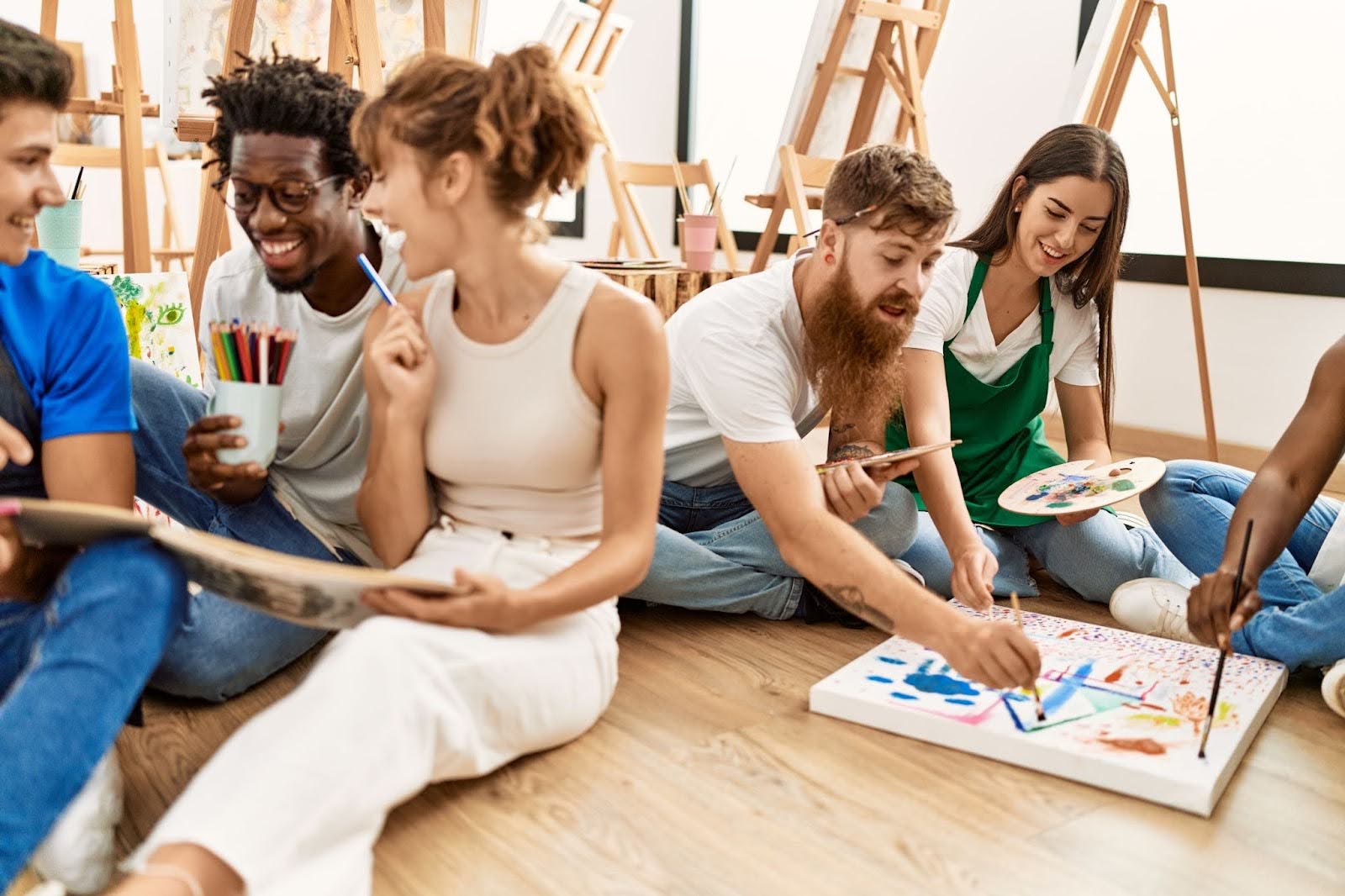
Group of artists collaborating in studio, creating artwork together and building community for art commissions and creative networking.

These connections not only provide direct opportunities but also create a support network of peers who understand the challenges of mastering how to get commissioned as an artist in today’s competitive landscape. This is especially helpful when learning how to get art commissions with no audience.

Collaborations and Partnerships

Strategic collaborations open new doors when exploring how to get art commissions online. Consider partnering with:

  • Complementary artists (character + background artists)
  • Small businesses that need visual assets
  • Authors seeking illustrators
  • Game developers that require artwork
  • Content creators that need unique visuals

These collaborations help you expand your network and introduce your work to new audiences who may not have discovered you otherwise, making them an effective strategy when exploring how to get art commissions and promoting your custom artwork services.

7. Specialisation vs. Versatility

When learning how to get art commissions, a vital consideration is whether to specialise in a particular style or subject matter.

Benefits of Specialisation:

  • Recognition as a niche expert
  • Higher prices for specialised skills
  • Clearer marketing message
  • Enhanced efficiency through focused practice

Becoming known for a specific type of art – pet portraits, character design, or architectural illustration – can make it easier for clients seeking that particular style to find you, streamlining how to get art commissions fast in your chosen niche.

Benefits of Versatility:

  • Broader client appeal
  • Multiple income streams
  • Adaptability to market changes
  • Reduced dependency on a single niche

The key is finding the right balance between being recognised for a particular strength and remaining flexible enough to adapt to various client needs – an ongoing consideration when refining your approach to how to get art commissions through creative freelancing.

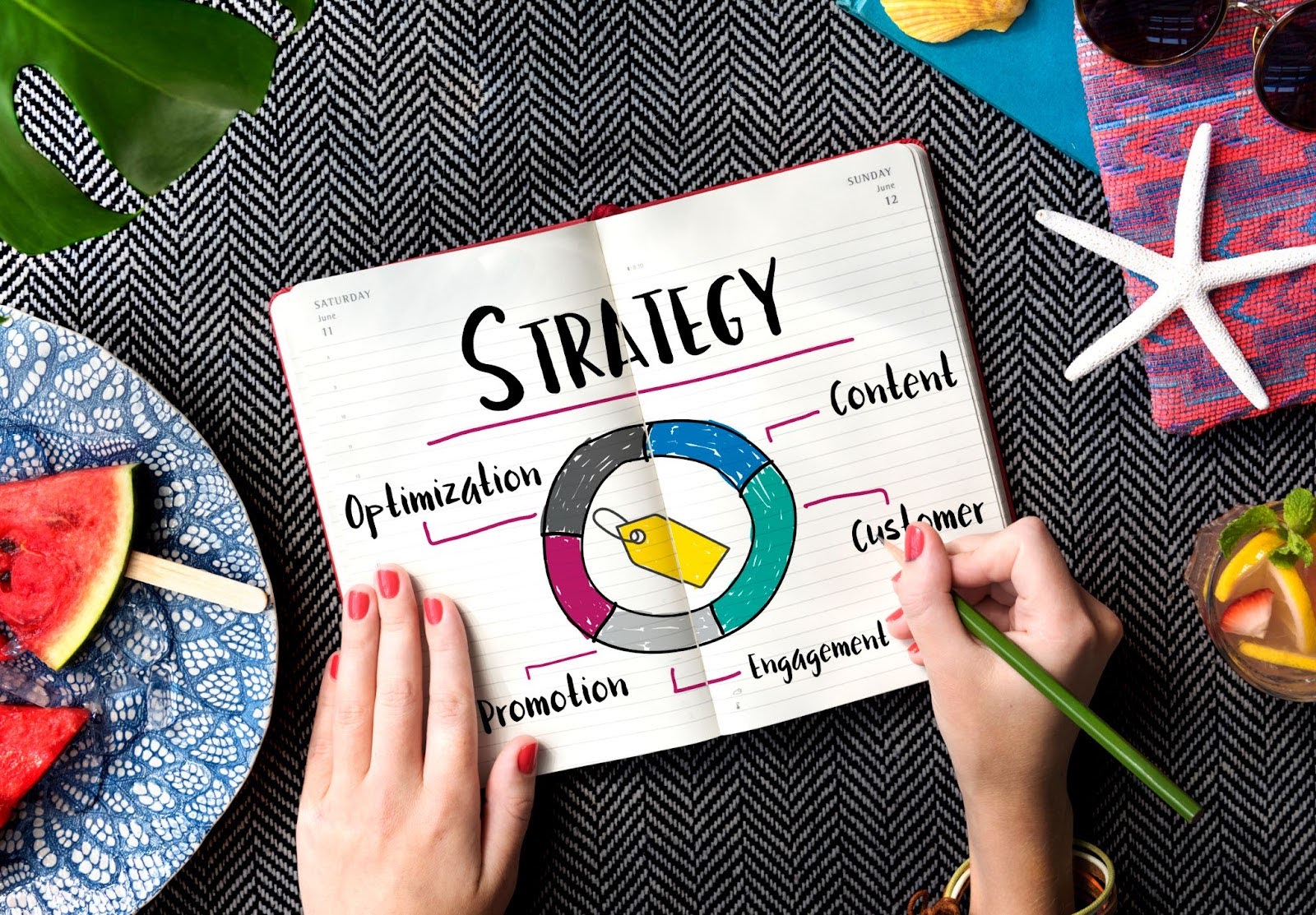
Freelance creative reviewing charts and business strategy documents on computer while planning art commission pricing and growth strategy.

8. Managing Your Commission Business

Learning how to get art commissions is only the first step – you must also manage them efficiently. Establish professional practices such as:

Essential Business Systems:

  1. Structured intake process for new commissions
  2. Contract templates for different types
  3. Project management system for an organisation
  4. Communication protocols for consistency
  5. File delivery methods for sharing the final product

These systems improve your efficiency and enhance the client experience, leading to more referrals and repeat business — both of which are essential for building long-term momentum in how to get art commissions online and managing commissioned artwork professionally.

Managing Time and Workload

Balancing multiple commissions while maintaining quality requires effective time management. When exploring how to start doing art commissions sustainably, consider:

Sustainable Workload Management:

  • Realistic timeline estimation
  • Buffer time for unexpected challenges
  • Limited commission slots to prevent overcommitment
  • Dedicated administrative time
  • Work-life balance boundaries

Burnout is a significant risk for commission artists, making workload management an essential component of learning how to get art commissions as a sustainable career rather than a short-term opportunity. These art commission tips are essential for long-term success.

9. Expanding Your Commission Offerings

As you become more experienced with how to get commissioned as an artist, consider expanding your offerings to include:

Commission Expansion Options:

  1. Size/complexity variations
  2. Digital and physical formats
  3. Merchandise featuring artwork
  4. Limited edition collections
  5. Commercial licensing options

Diversification creates multiple income streams and appeals to clients with varying budgets and needs, an important strategy for artists seeking to master how to get art commissions as their primary income source through digital artist commissions and custom artwork services.

Scaling Your Commission Business

Scaling becomes the next challenge for artists who have managed how to get their first art commission. Options for growth include:

Growth Strategies:

  • Increase rates as demand grows
  • Create tiered pricing systems
  • Offer premium rush options
  • Develop passive income streams
  • Build a team for larger projects

The path from individual commissions to a sustainable art business requires strategic thinking about how to get art commissions online that align with your long-term vision and goals.

Conclusion

Mastering how to get art commissions is a multifaceted process that combines artistic skill with marketing acumen, business savvy, and interpersonal communication. Though the journey can feel overwhelming, learning how to get commissioned as an artist becomes much more achievable when you tackle it step by step.

Key Success Factors:

  • Consistent skill improvement and portfolio updates
  • Regular audience engagement across platforms
  • Professional business practices and client communication
  • Strategic pricing and value communication
  • Ongoing adaptation to market changes

Understanding how to get art commissions isn’t a one-time process but an ongoing process of growth and adaptation. Clients are actively seeking the unique value you offer, and by implementing these art commission tips, you’ll be well-equipped to connect with them and build a fulfilling career doing what you love.

The most successful commission artists never stop learning how to get art commissions online more effectively, constantly refining their approach based on experience and evolving market conditions. With determination, professionalism, and strategic thinking, you can transform your artistic talents into a thriving commission-based business by mastering how to get art commissions through various commission platforms for artists and creative freelancing opportunities.

Whether you’re exploring how to get your first art commission, figuring out how to start doing art commissions, or trying to understand how to get art commissions with no audience, this guide is designed to walk you through practical steps you can apply at every stage of your journey. We also cover strategies for how to get art commissions without social media, as well as ways to build momentum if you’re looking at how to get art commissions fast, so you can choose an approach that fits your style, availability, and goals.

By combining portfolio development, platform strategy, pricing guidance, and client management, you’ll gain a clearer path to building confidence and consistency in digital artist commissions, illustration commissions, and creating meaningful commissioned artwork that supports long-term growth.

Frequently Asked Questions About Getting Art Commissions

A good starting formula is: (hourly rate × estimated hours) + materials + revisions. Adjust based on experience and market. Beginner artists typically charge $15-50 per hour, while experienced professionals charge $50-200+ per hour.

ArtStation, DeviantArt, Fiverr, Etsy, Ko-fi, and Patreon each serve different client types. Choose commission platforms for artists that match your style and target audience. Most successful artists use 2–3 platforms simultaneously for digital artist commissions. Focusing on a small number of well-aligned platforms allows you to build consistency and momentum in how to get art commissions, rather than diluting your efforts across too many channels.

Provide a written agreement outlining deliverables, timeline, payment schedule, revision terms, and usage rights before starting any project. This protects both artist and client when offering custom artwork services.

Simple approach: Send a follow-up email 1-2 weeks after delivery, asking: “Would you mind sharing a brief testimonial about your experience? I’d love to feature your feedback on my website.” Most satisfied clients are happy to help.

Most artists see consistent commissions within 6-12 months of actively marketing their services. Success depends on portfolio quality, marketing consistency, and niche demand. Following these art commission tips can help accelerate this timeline.

Key Takeaways

Essential Foundations:

  • Build a portfolio of 10-15 high-quality pieces that showcase your best work and consistent style.
  • Establish a professional online presence with a cohesive brand across multiple platforms.
  • Select the right commission platforms for artists that align with your style and target audience.

Pricing and Value:

  • Calculate prices using hourly rates, time investment, materials, and market standards.
  • Communicate your unique value beyond just the final artwork.
  • Avoid underpricing your work, which leads to burnout and devalues your expertise.

Marketing and Growth:

  • Leverage multiple channels, including social media, email marketing, and content creation.
  • Build genuine connections through networking, collaborations, and community engagement.
  • Consider both how to get art commissions online and offline networking opportunities.

Professional Practices:

  • Use clear contracts that outline deliverables, timelines, payment terms, and usage rights.
  • Develop systems for intake, communication, project management, and file delivery.
  • Manage your workload sustainably to prevent burnout while maintaining quality.

Long-term Success:

  • Balance specialisation in a niche with versatility to adapt to market changes.
  • Focus on creating positive client experiences that generate referrals and repeat business.
  • Continuously refine your approach to how to get commissioned as an artist based on experience and market evolution.
  • Expand offerings and scale strategically as your art business grows.

Whether you’re learning how to get your first art commission or scaling an established creative freelancing career, success comes from combining artistic excellence with professional business practices, strategic marketing, and genuine client relationships.
Art Experimentation: Exploring Alternative Media & Creative Frontiers

Art experimentation is transforming the contemporary art landscape through innovative techniques, alternative materials, and cutting-edge technologies. From bio-art and VR installations to AI-generated compositions and process-based art, artists are pushing creative boundaries and redefining artistic expression. This comprehensive guide explores experimental art practices, key techniques, challenges, and the future of creative experimentation in the art world.

Table of Contents

  1. What is Art Experimentation?
  2. The Evolution of Artistic Expression Through Experimentation
    • Renaissance Innovation and Scientific Art Experimentation
    • Modern Art Movements Born from Experimentation
  3. Contemporary Alternative Art Media and Experimentation
    • Digital Art as a Form of Experimentation
    • Immersive Technologies: VR and AR in Art
    • Interactive Installations and Audience Participation
    • Bio-Art and Living Materials
    • Environmental and Land Art Experimentation
    • Sound Art and Audio Experimentation
  4. Top 5 Techniques in Art Experimentation
  5. Techniques and Approaches in Contemporary Art Experimentation
    • Cross-Disciplinary Collaboration
    • Process-Based Art Experimentation
    • Chance and Randomness
  6. Challenges and Considerations
  7. The Role of Technology in Modern Art Experimentation
  8. Community and Collaboration
  9. Educational Approaches
  10. The Future of Art Experimentation
  11. Key Takeaways
  12. Frequently Asked Questions

Art experimentation drives some of the most exciting changes in today’s art world. From virtual reality installations to bio-art, artists are pushing the boundaries of traditional materials, exploring radical new techniques, and redefining what art can be. As contemporary creators continue challenging conventional boundaries through creative experimentation and exploratory art practice, artistic experimentation has become the driving force behind some of our time’s most innovative and thought-provoking works. Through studio experimentation and experimenting with art styles, artists are discovering unprecedented forms of creative experimentation.

What is Art Experimentation?

Art experimentation is the practice of testing new materials, techniques, or ideas in art-making. It challenges traditional practices to create unique, often unexpected forms of creative experimentation and expression. This approach involves stepping beyond established methods through visual experimentation and exploratory art practice to discover novel ways of expressing ideas and creating aesthetic experiences. Whether through contemporary global art trends or pushing artistic extremes, experimenting with art styles has become central to modern artistic experimentation and art exploration.

The Evolution of Artistic Expression Through Experimentation

Art experimentation has always been at the heart of artistic evolution. Throughout history, artists have continuously sought new ways to express their ideas, emotions, and observations about the world around them through experimental art practices. What we consider traditional mediums today—oil painting, marble sculpture, and watercolour—were once revolutionary innovations that challenged the artistic norms of their time.

Renaissance Innovation and Scientific Art Experimentation

The Renaissance period marked a significant era of art experimentation, with masters like Leonardo da Vinci not only perfecting traditional techniques but also inventing new ones. Da Vinci’s scientific approach to art, anatomical studies, and innovative use of sfumato technique demonstrate how artistic experimentation and visual experimentation can lead to breakthrough moments that define artistic movements. This period established the foundation for studio experimentation as a legitimate artistic practice.

Modern Art Movements Born from Experimentation

In the 20th century, movements like Cubism, Surrealism, and Abstract Expressionism emerged from artists’ desire to engage in creative experimentation with form, colour, and concept. Pablo Picasso’s collages introduced everyday materials into fine art, while Jackson Pollock’s action paintings revolutionised art exploration through new approaches to abstract composition and process-based art. These examples show how art experimentation continues to reshape our understanding of artistic possibility, influencing everything from painting genres and styles to modern home decor.

Contemporary Alternative Art Media and Experimentation

Today’s artists have access to an unprecedented array of materials, technologies, and platforms for art experimentation. The digital age has opened doors to entirely new forms of artistic experimentation and art exploration unimaginable decades ago.

1. Digital Art as a Form of Experimentation

Digital art represents one of the most significant areas of art experimentation in the contemporary art world. Artists use computers, software, and digital tools to create works purely in virtual space or innovatively combine digital and physical elements through visual experimentation and exploratory art practice. This form of creative experimentation has transformed how we think about creative alternative art.

Key characteristics of digital art experimentation:

  • Software-based creation: Artists use programmes like Adobe Creative Suite, Processing, and TouchDesigner for visual experimentation
  • Generative systems: Algorithms create autonomous artworks through process-based art approaches
  • Hybrid approaches: Combining traditional and digital techniques for unique experimentation with art styles
  • NFT integration: Blockchain technology creates new markets for digital experimental art practices

2. Immersive Technologies: VR and AR in Art

Virtual reality (VR) and augmented reality have become powerful tools for art experimentation, allowing artists to create immersive experiences that transport viewers into entirely new worlds. Artists like Laurie Anderson and Jon Rafman have pioneered VR technology to develop narrative-driven art experiences that blur the lines between storytelling, gaming, and traditional visual art through experimental art practices.

3. Interactive Installations and Audience Participation

Interactive installations represent another frontier in art experimentation, where viewers actively participate in the artistic experience through process-based art. These works often incorporate sensors, cameras, and computer programmes that respond to human movement, touch, or voice, creating dynamic artworks that change based on audience interaction—a perfect example of experimenting with art styles in contemporary practice.

Examples of interactive installation techniques:

  • Motion sensors that trigger visual or audio responses in studio experimentation
  • Touch-sensitive surfaces that alter the artwork’s appearance through visual experimentation
  • Voice-activated elements that respond to audience participation in creative experimentation
  • Biometric sensors measuring heart rate or brain activity for exploratory art practice

4. Bio-Art and Living Materials

One of the most controversial and fascinating areas of art experimentation involves using living materials and biological processes. Bio-artists work with bacteria, plants, genetic material, and even living tissue to create artworks that grow, evolve, and decay over time through process-based art and exploratory art practice.

Eduardo Kac’s transgenic art, including his famous “GFP Bunny” project, represents a radical form of artistic experimentation that raises questions about genetic modification, ethics, and the boundaries between art and science. Similarly, artists like Suzanne Anker and Adam Zaretsky work with biological materials to create installations that challenge our understanding of life, death, and transformation through visual experimentation.

This type of art experimentation requires artists to collaborate with scientists, learn laboratory techniques, and grapple with complex ethical questions about manipulating living organisms for artistic purposes. It represents the pinnacle of studio experimentation, meeting scientific inquiry.

5. Environmental and Land Art Experimentation

Environmental art and land art represent forms of art experimentation that work directly with natural materials and landscapes, drawing inspiration from art inspired by nature. Artists like Andy Goldsworthy create temporary sculptures using only natural materials found on-site – stones, leaves, ice, sand – that are documented photographically before returning to nature through process-based art.

Large-scale land art projects like Robert Smithson’s “Spiral Jetty” or Walter De Maria’s “The Lightning Field” demonstrate how creative experimentation can transform entire landscapes into artistic experiences. These works challenge traditional notions of the gallery space and art ownership, as they often exist in remote locations and change over time due to natural processes – exemplifying exploratory art practice at its finest.

6. Sound Art and Audio Experimentation

Sound art represents a rich field for art experimentation that extends beyond traditional music into the realm of pure sonic experience. Artists like Janet Cardiff create sound walks that overlay historical audio onto present-day locations, while composers like John Cage pioneered chance-based composition techniques that challenged conventional musical structures through experimental art practices.

Sound experimentation involves unconventional instruments, found sounds, field recordings, and electronic manipulation through visual experimentation of sonic landscapes. The rise of digital audio workstations and sound processing software has democratised sound art, allowing artists to create complex sonic landscapes without traditional musical training, making studio experimentation more accessible than ever.

Top 5 Techniques in Art Experimentation

Key techniques in creative experimentation include:

  • Cross-disciplinary collaboration – Working with scientists, programmers, engineers, and other specialists to push boundaries in artistic experimentation
  • Chance-based creation – Using random elements and algorithms to guide artistic decisions in process-based art
  • Use of unconventional materials – Incorporating bacteria, data, light, or digital code as artistic mediums through exploratory art practice
  • Technology integration – Employing AI, VR, sensors, and advanced fabrication tools for visual experimentation
  • Time-based and process-driven approaches – Creating works that evolve, decay, or change over time through experimenting with art styles

Techniques and Approaches in Contemporary Art Experimentation

Successful art experimentation requires both technical skill and conceptual innovation. Artists must master new tools and technologies while developing unique artistic voices that justify their chosen mediums through creative experimentation and mindful artistic practice.

1. Cross-Disciplinary Collaboration in Art Experimentation

Modern art experimentation often requires collaboration between artists and experts from other fields. Digital artists work with programmers, bio-artists collaborate with scientists, and installation artists partner with engineers and fabricators. This collaborative approach reflects the complex nature of contemporary experimental art practices and the specialised knowledge required to work with advanced technologies, similar to how diversity and inclusivity in art bring multiple perspectives together.

Benefits of cross-disciplinary collaboration:

  • Access to specialised technical expertise for studio experimentation
  • Novel perspectives that challenge conventional approaches in visual experimentation
  • Shared resources and equipment for creative experimentation
  • Enhanced problem-solving through diverse skill sets in exploratory art practice

2. Process-Based Art Experimentation

Many forms of art experimentation focus on process-based art rather than final products. Process-based art emphasises the act of creation, the development of systems, and the documentation of change over time through exploratory art practice. This approach challenges traditional notions of the art object and questions what constitutes a finished artwork.

Performance art is an extreme form of process-based art and studio experimentation in which the artist’s body and actions become the medium. Artists like Marina Abramović have pushed the boundaries of endurance, vulnerability, and human connection through performances lasting hours, days, or even months—exemplifying artistic experimentation at its most visceral.

3. Chance and Randomness in Art Experimentation

Incorporating chance operations and random elements has been a significant aspect of art experimentation since the mid-20th century. From John Cage’s I Ching-based compositions to contemporary artists using computer algorithms to generate visual art, randomness can introduce unexpected elements that push creative experimentation in new directions.

Generative art, created through autonomous systems and algorithms, represents a contemporary form of art experimentation that explores the relationship between human creativity and machine processes through visual experimentation. Artists programme systems that create artworks independently, raising questions about authorship, creativity, and the artist’s role in the creative process—a fascinating exploration of experimenting with art styles in the digital age.

Challenges and Considerations in Art Experimentation

Art experimentation with alternative media has unique challenges that artists must navigate carefully through thoughtful exploratory art practice.

1. Technical Complexity

Experimenting with new technologies or unconventional materials often demands skills that go beyond traditional studio training. Artists must invest time learning new skills, understanding equipment limitations, and troubleshooting technical problems. This technical complexity can sometimes overshadow conceptual development, leading to works that are technically impressive but conceptually weak—a risk in any experimental art practices.

Common technical challenges include:

  • Steep learning curves for new software and hardware in visual experimentation
  • Equipment failures and technical malfunctions during creative experimentation
  • Limited access to specialised tools and facilities for artistic experimentation
  • Rapidly evolving technology requires constant skill updates in studio experimentation

2. Preservation and Documentation

Many forms of art experimentation create works that are ephemeral, interactive, or dependent on specific technologies. Preserving these works for future generations presents significant challenges for museums, collectors, and art historians. Time-based media, software-dependent works, and biological art require specialised preservation strategies, much like antique picture framing requires specific conservation approaches. Understanding art framing in interior design can help with proper preservation.

3. Ethical Considerations

Some experimental practices-particularly bio-art and works involving living organisms-raise complex ethical questions that artists must carefully consider.Artists must consider the welfare of living organisms, the implications of genetic modification, and the potential societal impacts of their work. These moral considerations require careful thought and often consultation with ethicists and scientific review boards.

4. Market and Institutional Support

The art market and traditional art institutions sometimes struggle to accommodate experimental art practices. Works that can’t be easily collected, displayed, or sold face challenges in finding support and audiences. However, alternative spaces, online platforms, and new funding models are emerging to support art experimentation. Understanding creative painting display ideas and art lighting tips can help experimental works find their place in traditional and contemporary spaces.

The Role of Technology in Modern Art Experimentation

Technology has become an indispensable tool for art experimentation in the 21st century. From simple digital tools to complex artificial intelligence systems, technology offers artists new ways to create, manipulate, and present their work through creative experimentation and visual experimentation.

1. Artificial Intelligence and Machine Learning

AI and machine learning represent the cutting edge of art experimentation in the digital realm. Artists are training neural networks on artistic datasets, creating algorithms to generate novel visual compositions, and exploring the creative potential of machine intelligence through experimental art practices.

Projects like Google’s DeepDream, which uses neural networks to generate surreal imagery, have inspired artists to explore the aesthetic possibilities of machine vision. Artists like Mario Klingemann and Helena Sarin have developed sophisticated AI systems that create artworks independently.These practices challenge long-held ideas about authorship, creativity, and the role of the artist in an age of intelligent systems.

AI applications in art experimentation:

  • Neural style transfer for unique visual experimentation
  • Generative adversarial networks (GANs) create original imagery through process-based art
  • Text-to-image generation for creative experimentation
  • Machine learning pattern recognition in exploratory art practice

2. 3D Printing and Digital Fabrication

Digital fabrication technologies have revolutionised art experimentation by allowing artists to create complex three-dimensional forms that would be impossible to produce by hand. 3D printing, laser cutting, and CNC milling enable artists to translate digital designs into physical objects with precision and repeatability through studio experimentation.

This technology has been particularly transformative for sculptors and designers who can now create intricate geometries, impossible structures, and customised forms through exploratory art practice. Artists like Joshua Harker and Bathsheba Grossman have pushed the boundaries of what’s possible with 3D printing, creating sculptures at the intersection of art, mathematics, and engineering—perfect examples of experimenting with art styles through technology.

3. Virtual and Augmented Reality in Art Experimentation

VR and AR technologies offer unprecedented opportunities for art experimentation by creating entirely new spaces for artistic experience. These technologies allow artists to construct virtual worlds, overlay digital information onto physical spaces, and create immersive narratives that engage multiple senses through process-based art and visual experimentation.

The COVID-19 pandemic accelerated interest in virtual art spaces, with museums and galleries creating online exhibitions and artists developing VR experiences for remote audiences. This shift has highlighted the potential of digital technologies to make art more accessible while opening new avenues for art experimentation and creative experimentation.

Community and Collaboration in Art Experimentation

Art experimentation increasingly takes place within communities of practice that share knowledge, resources, and technical expertise through exploratory art practice. Maker spaces, fab labs, and artist collectives provide infrastructure and support for experimental art practices that individual artists might find impossible to pursue independently, similar to how traditional crafts rely on community knowledge sharing.

Online communities and open-source software have democratised access to tools and knowledge, allowing artists worldwide to participate in art experimentation regardless of their geographic location or institutional affiliation. Platforms like GitHub, where artists share code and collaborate on digital projects, exemplify how art experimentation has become increasingly collaborative and networked.

Key community resources for art experimentation:

  • Maker spaces and fab labs offering studio experimentation facilities
  • Online forums and Discord servers for creative experimentation discussions
  • Open-source software communities supporting visual experimentation
  • Artist residencies fostering exploratory art practice

Educational Approaches to Art Experimentation

Art schools and educational institutions are adapting curricula to support art experimentation across disciplines through studio experimentation. Cross-disciplinary programmes that combine art with science, technology, and other fields are becoming more common, reflecting the interdisciplinary nature of contemporary experimental art practices and artistic experimentation.

Residency programmes at institutions like MIT’s Centre for Art, Science & Technology and the Eyebeam Art + Technology Centre provide artists access to advanced facilities and expert collaborators, fostering art experimentation that might not be possible in traditional studio settings. These programmes support creative experimentation and exploratory art practice at the highest levels.

The Future of Art Experimentation

As we look toward the future, art experimentation will become even more diverse and technologically sophisticated through continued visual experimentation and experimentation with art styles. Emerging technologies like quantum computing, advanced materials science, and biotechnology will create new possibilities for artistic expression through experimental art practices.

Climate change and environmental concerns are also shaping art experimentation, with artists increasingly focusing on sustainable materials and practices. This ecological consciousness drives innovation in bio-based materials, renewable energy systems for art installations, and artworks that actively contribute to environmental restoration—connecting to themes explored in art inspired by nature.

Future trends in art experimentation:

  • Sustainable and eco-friendly practices integrating environmental consciousness into studio experimentation
  • Brain-computer interfaces enabling direct neural control of artworks through creative experimentation
  • Quantum computing applications for unprecedented computational visual experimentation
  • Advanced biomaterials are creating living, responsive artworks through process-based art
  • Decentralised platforms democratising access to exploratory art practice

Art experimentation will continue challenging our understanding of what art can be and do through creative experimentation and process-based art. As the boundaries between art, science, technology, and daily life continue to blur, artists will find new ways to engage with pressing social, political, and environmental issues through exploratory art practice. The influence extends even to street art and community-based practices.

Key Takeaways

  • Art experimentation encompasses visual experimentation, process-based art, and exploratory art practice across multiple disciplines.
  • Creative experimentation and experimental art practices drive innovation in contemporary art through technology, collaboration, and unconventional materials.
  • Artistic experimentation challenges traditional boundaries and creates new possibilities for expression through studio experimentation.
  • Experimenting with art styles requires balancing technical mastery with conceptual depth and ethical considerations.
  • The future of art exploration lies in sustainable practices, emerging technologies, and interdisciplinary collaboration.
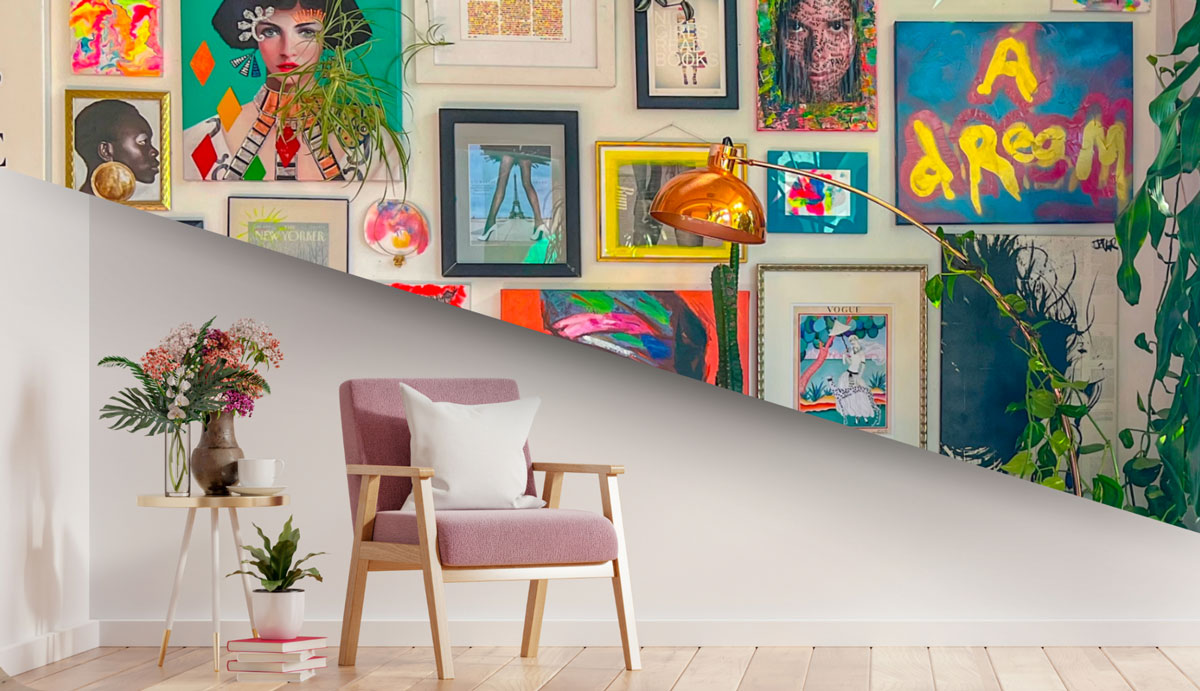
  • Understanding how experimental works can be presented through colour psychology, lighting, and balancing paintings with interior design helps make experimental art more accessible and engaging in everyday spaces.
  • Regional art scenes, like in Leeds, demonstrate how experimental art practices flourish in diverse communities.
  • Technology serves as both a tool and a medium for contemporary art experimentation.
  • Collaboration across disciplines enriches artistic experimentation and expands creative possibilities.
  • Process-based art emphasises the journey of creation as much as the outcome.

Conclusion

Art experimentation represents the vital, evolving edge of contemporary artistic practice through creative experimentation, visual experimentation, and process-based art. By embracing alternative media, new technologies, and unconventional approaches through exploratory art practice, artists continue to expand the possibilities of artistic experimentation and challenge audiences to see the world in new ways.

The future of art experimentation lies not just in technological advancement but in the thoughtful integration of new tools with meaningful concepts and human experience through studio experimentation and experimenting with art styles. As artists continue to push creative boundaries through experimental art practices, they remind us that art’s most significant power lies in its ability to imagine new realities and inspire us to think differently about our world.

Whether working with cutting-edge technology or ancient materials in new ways, contemporary artists engaged in art experimentation and art exploration are writing the following chapters in art’s long history of innovation and discovery. Their work ensures that art remains a vital, dynamic force for creativity and critical thinking—extending from large-scale paintings to innovative kitchen wall art, and from cultural heritage representation to creating visual depth in small spaces.

Understanding how to display and present experimental works-through framing considerations, room colour schemes, matching paintings with room decor, and artwork and furniture pairing-ensures that creative experimentation reaches wider audiences. As trends in interior decor continue to evolve, experimental works—from large-scale paintings to enhancing interiors with wall art-demonstrate how art can meaningfully transform everyday spaces.

FAQs

Art experimentation involves exploring new techniques, materials, concepts, and approaches to artistic experimentation and creation. It consists of stepping beyond traditional or established methods through visual experimentation and exploratory art practice to discover novel ways of expressing ideas and creating aesthetic experiences. Art experimentation can include anything from trying unconventional materials like bacteria or computer code to developing new techniques for applying traditional materials through studio experimentation and creative experimentation.

An art experience, or experiential art, refers to artworks designed to provide immersive, participatory experiences rather than passive observation through process-based art. These works often involve art experimentation with interactive technologies, environmental installations, or performances that engage multiple senses and invite audience participation through experimental art practices. Examples include virtual reality art installations, interactive digital sculptures, and site-specific works that respond to their environment through experimenting with art styles.

Experimenting in art means actively testing new ideas, techniques, materials, or concepts without being sure of the outcome through creative experimentation and exploratory art practice. Art experimentation involves a willingness to fail, learn from mistakes, and iterate on ideas through studio experimentation. It can mean combining unlikely materials, using familiar materials unexpectedly, or applying techniques from other disciplines to artistic experimentation. The experimental process through visual experimentation is often as necessary as the final result in process-based art.

Examples of experimental art span many media and approaches through art experimentation:

  • Bio-art: Eduardo Kac’s genetically modified fluorescent rabbit
  • Digital art: Casey Reas’s software-generated visual compositions through visual experimentation
  • Sound art: Janet Cardiff’s audio walks and sound installations
  • Land art: Andy Goldsworthy’s temporary natural sculptures through process-based art
  • Interactive installations: Rafael Lozano-Hemmer’s pulse-responsive environments
  • AI art: Mario Klingemann’s neural network-generated portraits through creative experimentation
  • Performance art: Marina Abramović’s endurance-based performances
  • Video art: Bill Viola’s slow-motion video installations

​​Each represents art experimentation that has pushed the boundaries of traditional artistic experimentation through exploratory art practice.

Art experimentation techniques include various experimental art practices:

  • Cross-disciplinary collaboration: Working with scientists, programmers, or engineers for creative experimentation
  • Material exploration: Testing unconventional materials like bacteria, data, or light through visual experimentation
  • Process documentation: Recording and analysing creative processes in studio experimentation
  • Chance operations: Using random elements to guide creative decisions in process-based art
  • Technology integration: Incorporating digital tools, sensors, or AI systems
  • Site-specific creation: Making work that responds to particular locations through exploratory art practice
  • Time-based approaches: Creating works that change over time
  • Audience interaction: Designing works that require viewer participation through experimenting with art styles

Experimental art forms that involve significant art experimentation include:

  • Digital and new media art: VR experiences, interactive installations, generative art through visual experimentation
  • Bio-art: Working with living materials and biological processes through process-based art
  • Sound art: Sonic sculptures, audio environments, experimental music
  • Performance art: Live, time-based works using the artist’s body or actions in studio experimentation
  • Land art: Large-scale works created in natural environments through exploratory art practice
  • Conceptual art: Idea-based works that prioritise concept over traditional craft
  • Video art: Moving image works that explore the medium’s unique properties through creative experimentation

Installation art: Three-dimensional environments that transform spaces through artistic experimentation

Abstract art is a fundamental form of experimentation that emerged in the early 20th century through creative experimentation. Artists like Wassily Kandinsky and Piet Mondrian experimented with pure form, colour, and composition through visual experimentation, moving away from representational imagery. Modern abstract art continues this tradition of art experimentation by exploring new materials, techniques, and concepts while focusing on formal elements rather than recognisable subjects through process-based art and experimenting with art styles.

Chance operations have been crucial to art experimentation since artists like John Cage began using I Ching hexagrams to make compositional decisions through experimental art practices. Incorporating randomness through creative experimentation can lead to unexpected discoveries, break habitual patterns, and introduce elements that the artist might not have consciously considered in their studio experimentation. Contemporary art experimentation with AI and generative systems continues this tradition of using chance as a creative tool through exploratory art practice and visual experimentation.

Contemporary art has embraced experimentation as a core principle, with artists regularly working across multiple disciplines and media through experimental art practices. The modern art world values innovation, concept, and pushing boundaries through artistic experimentation over traditional technical skill alone. This has led to the acceptance of video, installation, performance, and digital art as legitimate artistic practices, all of which emerged from art experimentation, creative experimentation, and process-based art approaches.

Technology has become integral to art experimentation in the 21st century through visual experimentation and studio experimentation. Digital tools allow artists to create works impossible with traditional materials through creative experimentation, while technologies like AI, VR, and biotechnology open entirely new creative possibilities for exploratory art practice. However, successful art experimentation with technology requires balancing technical innovation with meaningful artistic content and human experience through thoughtful artistic experimentation and experimenting with art styles.

About the Author

John Sewell

John Sewell is the founder of Cosimo and holds a Master’s Degree in History of Art from the University of Birmingham. He built Cosimo to give emerging artists fair, transparent ways to reach collectors directly. He was also shortlisted for the Great British Entrepreneur Awards. His background in art, creative entrepreneurship and digital marketplaces informs his writing on artist development, accessible art, and the future of online art sales.

Sustainability in Art: Eco-Friendly Practices and Green Initiatives in 2026

sustainability in art

Sustainability in Art is becoming increasingly important, especially as more artists turn their creative practices into a reflection of their values. Eco art blends imagination with environmental awareness, showing how recycled materials, non-toxic paints, and mindful techniques can protect the planet while still delivering powerful expression.

In this blog, we delve into the significance of sustainability in art and explore why incorporating eco-friendly elements is of substantial importance to artists in 2026.

Sustainability in Art by Incorporating Sustainable Materials 

Artists today are redefining creativity by embracing sustainable materials and methods in their work. Let’s look at how they make a difference by incorporating eco-friendly practices.

Artist arranging reclaimed wood panels and sustainable canvases to highlight sustainability in art with low-impact surfaces and papers

A. Artists Utilising Recycled and Upcycled Materials in 2026

Recycled materials encompass items processed and transformed back into raw materials for reuse. In contrast, upcycled materials involve a creative renaissance, breathing new life into discarded items and elevating them into products of higher value or quality. The distinction lies in the transformation process: recycling breaks materials into their essential components while upcycling refines existing materials, crafting something entirely new.

Many artists embrace sustainability by ingeniously repurposing materials that have fulfilled their initial purpose. Through innovative thinking, these artists breathe new life into discarded items such as cardboard, bottles, and fabrics, transcending their original utility to craft visually striking and conceptually rich art pieces. This practice not only showcases the boundless nature of creativity but also serves as a tangible example of how reimagining the use of everyday materials can contribute to a more sustainable and eco-conscious artistic landscape.

Palette of natural, non-toxic pigments and plant-based paints demonstrating sustainability in art with eco-friendly colours and inks

B. Use of Eco-Friendly Pigments, Inks, and Paints

In the vibrant world of colours, artists are making environmentally conscious choices by selecting paints and inks crafted from pigments derived from natural sources or non-toxic materials. These materials, mindful of the environment, often originate from natural sources such as botanical extracts, minerals, or certain insects, providing sustainable alternatives to traditional chemical-laden options. By embracing pigments made from plant-based sources or other sustainable alternatives, artists actively contribute to reducing harmful chemicals and promoting a healthier environment.

C. Embracing Sustainable Canvases and Papers

Artists are changing the canvas they paint on and the paper they draw on. Some use materials that come from responsibly managed forests or recycled paper. Others might paint on surfaces like reclaimed wood. This way, they support sustainable resources and show how art can be made without harming the Earth.

Artists’ efforts to use recycled materials, eco-friendly pigments, and sustainable canvases highlight a new way of making art that considers the planet and expresses creativity.

Sustainability in Art: Environmental Awareness in 2026

Art has a powerful voice, and today, many artists are using their creativity to raise awareness about sustainability. Let’s explore how art is becoming a messenger for environmental consciousness.

Art Movements Promoting Sustainability and Environmental Consciousness

Art movements advocating sustainability and environmental consciousness are pivotal in shaping a more responsible artistic landscape. One notable movement is Eco-Art, which emerged in the late 20th century. This movement encourages artists to explore ecological issues and promote environmental sustainability through their work. Artists associated with Eco-Art often use recycled materials, address climate change, and engage with nature in their creations.

Another impactful movement is Land Art, where artists integrate natural elements into their works, often in outdoor landscapes. This allows the environment to become both the canvas and the source of inspiration for artistic expression. Artists usually arrange, sculpt, or otherwise manipulate elements such as rocks, soil, wood, or vegetation to create their artworks harmoniously with nature. The resulting pieces are often temporary, evolving with the natural elements and changing over time. This movement seeks to connect art and the environment, emphasising the interdependence of artistic expression and the natural world. Artists like Andy Goldsworthy and Robert Smithson have left a lasting mark on the movement, using natural materials to create temporary or permanent installations that interact with their surroundings.

These movements inspire change within the artistic community and draw attention to art’s profound impact in fostering environmental awareness. Through their innovative approaches, artists within these movements contribute to a broader cultural shift, emphasising the potential of art as a catalyst for positive change in our relationship with nature.

Impactful Eco-Conscious Installations and Sculptures

Numerous artists are leaving a lasting impact by crafting large-scale, captivating installations and sculptures that prompt contemplation about one’s relationship with nature. One noteworthy example is German artist HA Schult’s “Trash People” installation. Comprising life-sized human figures made entirely from recycled materials, this piece is a powerful visual commentary on the global issue of waste and consumption.

Additionally, sculptures like the “Breathing Pavilion” by artist and architect Michael Jantzen showcase a fusion of art and sustainable design. This innovative installation responds to environmental conditions, expanding and contracting in response to changes in air quality, symbolising the interconnectedness between human activities and the environment.

Exploring the Narrative of Climate Change and Conservation in Art

Narratives surrounding climate change and conservation are gaining prominence in art. Artists leverage their craft to convey urgent messages about the environment. One such approach is visual storytelling, where artists create pieces that narrate the impacts of climate change and the imperative need for conservation efforts.

A notable example is the work of Xavier Cortada, whose art often centres around environmental issues, specifically climate change. Cortada’s “Underwater HOA” project, for instance, involves the creation of art installations at different elevations to visualise the potential rise of sea levels due to climate change. Through such pieces, artists engage viewers in a powerful dialogue about the Earth’s vulnerability and our collective responsibility to protect it.

Furthermore, artists like Zaria Forman employ hyper-realistic drawings to depict the beauty of our planet, with a focus on endangered environments. Through the intricate details of her work, Forman captures the essence of places affected by climate change, acting as a visual advocate for conservation.

These artists use their creativity to showcase the beauty of the Earth and evoke a sense of responsibility in viewers. The narrative they construct through their art is a compelling call to action, encouraging individuals to consider their role in preserving the planet for future generations. In this way, art becomes a powerful medium for education, provoking thought and inspiring change.

Sustainability in Art by Initiatives and Collaborations

In art, collective effort and innovative initiatives are forging the path towards a more sustainable future. 

1. Organisations and Platforms Supporting Sustainable Art Practices in 2026

Numerous organisations and platforms actively champion sustainable art practices, supporting artists committed to environmental responsibility. One exemplary platform is the Sustainable Arts Foundation, which focuses explicitly on supporting artists with families. Through grants and resources, this foundation assists artists in realising projects that align with sustainability principles while addressing the unique challenges of balancing artistic pursuits and family life.

Artist-in-residence programs offer creators the vital space and time for creative exploration, often unfolding in environments prioritising ecological conservation. In these settings, artists can delve into sustainable practices, experiment with eco-friendly materials, and seamlessly integrate these considerations into their artistic process. This dedicated focus aligns with a broader environmental ethos, fostering an environment where artists contribute actively to a more eco-conscious artistic landscape. Through this immersive approach, artist-in-residence programs become catalysts for nurturing creativity and environmental responsibility.

Another impactful organisation is the Center for Sustainable Practice in the Arts (CSPA), dedicated to integrating sustainability into the creative process. CSPA facilitates dialogues, offers resources, and recognises sustainable practices within the arts community. Their initiatives range from promoting eco-friendly production methods to fostering a broader understanding of sustainability in artistic endeavours.

These platforms are pivotal in fostering a community that values and encourages sustainable art. By offering financial support, resources, and exhibition opportunities, they empower artists to create impactful work and contribute to a broader conversation on the intersection of art and environmental responsibility.

2. Collaborative Projects Focusing on Environmental Issues

Artists often team up to work on projects centred around environmental concerns. These collaborations produce impactful pieces illuminating climate change, pollution, or biodiversity loss. Through joint efforts, artists convey powerful messages, aiming to inspire action and awareness in the community.

Emerging Sustainable Art Practices in 2026

As we progress through 2026, new sustainable practices are transforming the art world:

1. Digital and NFT Sustainability

Artists are increasingly adopting energy-efficient blockchain technologies for digital art and NFTs, moving away from energy-intensive proof-of-work systems to more sustainable proof-of-stake alternatives. This shift addresses previous environmental concerns while maintaining the benefits of digital art ownership.

2. Bio-Art and Living Materials

A growing number of artists are experimenting with living materials such as mycelium, bacteria, and algae to create artworks that are not only sustainable but also biodegradable. These bio-based materials offer revolutionary approaches to sculpture and installation art, where the artwork itself becomes part of natural cycles.

3. Carbon-Neutral Studios and Exhibitions

Art studios and galleries in 2026 are implementing carbon-neutral practices, including solar power installations, LED lighting, and sustainable HVAC systems. Many institutions now calculate and offset the carbon footprint of exhibitions, setting new standards for environmental responsibility in the art world.

4. AI-Assisted Sustainable Design

Artificial intelligence tools are helping artists optimise material usage, predict the environmental impact of their projects, and discover innovative, sustainable alternatives. This technology enables artists to make more informed decisions about their creative processes while minimising waste.

Challenges and Innovations in Sustainability in Art

Adopting sustainable art practices comes with its challenges and opportunities for innovation. 

Obstacles Faced in Adopting Sustainable Art Practices

Traditional art processes often involve materials and techniques that may not align with environmentally conscious practices. Traditional pigments and solvents can be derived from non-renewable resources or contain harmful chemicals. The challenge is to find sustainable alternatives that maintain the quality and longevity of the artwork while minimising environmental impact. 

Artists also encounter issues related to the availability and cost of eco-friendly materials and the need for more awareness or acceptance of these practices within the art community. This necessitates reevaluating established artistic methods and a willingness to explore innovative approaches that prioritise artistic integrity and ecological responsibility.

Innovations and Technological Advancements in Eco-Friendly Art

The art world is witnessing exciting innovations in technology and materials that are environmentally friendly. From developing biodegradable art supplies to using sustainable digital mediums, such as eco-friendly printing and 3D printing using recycled materials, artists are exploring new avenues to create art with a reduced environmental impact.

The Future of Sustainability in Art Beyond 2026

The future of sustainability in art looks promising. With growing awareness and the continuous evolution of eco-friendly materials and techniques, more artists are likely to embrace sustainable practices. As advancements in technology and innovation continue, there’s expected to be a positive trajectory towards a more sustainable art landscape. Collaborations between artists, art institutions, and environmental organisations will likely drive this change forward.

Conclusion – Sustainability in Art

Creating environmentally friendly art is essential in fostering a sustainable and responsible approach to artistic expression. 

The art world continually adapts and innovates to overcome existing challenges. As the momentum towards sustainability gains strength, the future holds immense potential for a more eco-conscious art industry, paving the way for an environmentally friendly and responsible creative community. Diverse and inclusive art practices contribute to sustainable and equitable art communities, enriching the collective efforts toward long-term cultural and environmental well-being. In this dynamic landscape, artists, organisations, and initiatives collectively contribute to a narrative where artistic expression harmonises seamlessly with ecological mindfulness, promising a vibrant and sustainable creative future.

Cosimo Consulting

Our Services

Research & development, training, and business consulting for higher education and cultural partners.

Creative industries consultancy

Artist and student insight research

Professional practice and employability workshops

Impact reports and evaluation

Programme design

Innovation and R&D support

Cosimo works with universities and cultural organisations on projects that support student entrepreneurs, artists, and the wider cultural sector. Alongside our platform for visual artists, we deliver research, impact reporting, professional practice training, and innovation-led project support.

We work with…

Galleries and Museums

Arts and Cultural Organisations

Start-Ups & Creative Industries

Individual Practitioners

And Universities such as…

Our Work Includes…

Designing and delivering creative professional development programmes with universities

Leading and contributing to multiple funded R&D projects – including Innovate UK and AHRC-related activity – focused on art, education, technology, and creative sector innovation.

Producing insight-led work with artists, academia, creative communities, and sector partners.

All with our expert team – with experience across art, higher education, innovation, and startup delivery

What Are Minimalism and Maximalism: Exploring Artistic Extremes

Ever noticed how some artworks draw you in with calm, clean simplicity while others overwhelm you – in the best way – with bold colours, textures, and detail? That contrast lies at the heart of one of the most fascinating debates in art history – between minimalism and maximalism. These two styles couldn’t be more different, each offering its own philosophy on how art should look, feel, and communicate.

Minimalism and maximalism represent opposing yet equally powerful creative approaches. Minimalism focuses on clarity, restraint, and form, while maximalism celebrates richness, detail, luxury, and expressive abundance. Both movements – and the artists who shaped them – have left a lasting mark on contemporary visual culture. By exploring what sets minimalism and maximalism apart, we gain a deeper appreciation for the full spectrum of creativity that defines the art world.

Table of Contents

What Is Minimalism in Visual Arts?

Minimalism in the visual arts, often referred to as the Minimalist art movement, emerged in the United States during the late 1950s and 1960s, marking a defining moment in both the visual arts and music. This movement was known for its simple forms and straightforward, objective approach. It represented the culmination of modern art’s reductionist tendencies, with its origins harking back to Russian painter Kasimir Malevich‘s 1913 composition featuring a black square on a white canvas.

The minimalism art movement emphasised material properties and authentic artistic expression, diverging from the abstract and often emotional expressions of the preceding Abstract Expressionism movement. Minimalist artists such as Donald Judd, Carl Andre, Dan Flavin, Tony Smith, Anthony Caro, Sol LeWitt, and Richard Serra became known for their geometric precision and focus on objectivity. Their works weren’t depictions of reality but explorations of structure, scale, and perception.

A defining feature of the minimalism art movement was the use of industrial materials – steel, concrete, fluorescent light – transforming everyday elements into art. This marked a sharp break from traditional artistic materials and highlighted the importance of material presence over symbolic meaning. Minimalist works often invite viewers to engage deeply, encouraging reflection on how space, light, and perspective shape visual experience.

How Did Minimalism Challenge Traditional Art Forms?

As seen in the works of artists like Frank Stella, minimalism radically challenged traditional boundaries between painting and sculpture. By rejecting ornate detail and emotional excess, minimalist art redefined what counted as “art” – emphasising form, material, and space over representation. This approach directly disputed modernist ideas, particularly those of the Abstract Expressionists, who viewed painting and sculpture as distinct and expressive media.

The minimalist philosophy also shaped architecture and design, influencing movements that would later be contrasted with maximalism for their opposing aesthetic values. Famous examples of minimalist art show how simplicity and restraint can evoke a profound visual and emotional response.

Large-scale installations, such as Richard Serra’s “One Ton Prop” (House of Cards), exemplified this daring approach. Though simple in appearance, such works carried a physical intensity that challenged viewers to confront balance, gravity, and risk.

Ultimately, the minimalism art movement represented a turning point in modern art – shifting focus from personal expression to pure experience. Its influence extends well beyond the visual arts, shaping contemporary design, architecture, and even the way we understand space and simplicity today.

For more insights into how artistic movements reshape modern culture, explore The Street Art Movement: From Urban Walls to Art Galleries – a look at how new forms of expression continue to redefine creativity.

Most Famous Examples of Minimalist Art

Understanding minimalism as a visual art concept is valuable, but exploring how this style manifests in real-world artworks provides deeper insight and creative inspiration.

Donald Judd’s Sculptural Works

Donald Judd’s sculptures are iconic examples of famous minimalism art. Using industrial materials and clean geometric forms, his installations emphasise space, balance, and objectivity. Judd’s works invite viewers to experience the purity of form and the subtle interplay of light and shadow, demonstrating how minimalism creates profoundly impactful visual experiences. You can explore his work at the Judd Foundation and see his pieces at Dia: Beacon.

Agnes Martin’s Grid Paintings

Agnes Martin’s serene grid paintings embody the minimalism visual arts ethos. Her work, defined by soft, muted tones and precise geometric patterns, creates meditative spaces where subtlety and repetition evoke deep emotion. These examples of minimalism art showcase how restraint can produce powerful aesthetic experiences. Her works can be viewed at the Guggenheim Museum and Tate Modern.

Further Exploration: For those keen to explore minimalism in the visual arts, the Tate Museum offers a rich collection of visual examples, highlighting how these works have shaped broader art movements. The Museum of Modern Art (MoMA) also provides comprehensive resources on minimalist art and artists.

Minimalism marked a significant departure from previous artistic conventions. It focused on simplicity, materiality, and direct engagement with the viewer. This creative movement had a widespread impact, not just in the visual arts but also in shaping design and architecture and influencing the overall cultural context.

What Is Maximalism: The Art of Abundance?

Maximalist art, as an art movement, stood in sharp contrast to minimalism visual arts, embracing a philosophy of “More is more.” The maximalism movement began in America and parts of Europe, with artists using various media, such as oil on canvas, paints, inks, and prints on fabric, often employing multiple materials simultaneously.

Both movements represent pivotal moments in art history, showcasing the spectrum of creative expression – from serene simplicity to abundant detail.

While minimalism embraces clarity, clean lines, and the beauty of reduction, maximalism celebrates excess through vibrant colours, layered textures, and intricate patterns. Maximalist art seeks to captivate and overwhelm the senses, creating immersive, emotionally charged experiences. In contrast to minimalism’s invitation to contemplation and stillness through reduction and balance, maximalism represents exuberant complexity.

How Did Maximalism Emerge as an Art Movement?

The roots of maximalist art can be traced back to the early 20th century, emerging as a reaction to the restraint of minimalism visual arts and the simplicity of modernism. Key figures in this artistic movement were Jackson Pollock, celebrated for his dynamic action painting technique, and Yayoi Kusama, distinguished for her distinctive use of patterns and repetition in her artworks.

Maximalism in art was part of the broader postmodern movement, which rejected rigid values and rules, celebrated imprecision, embraced diversity, and blurred the lines between reality and fantasy. Maximalist art isn’t merely about excess – it’s a celebration of abundance, complexity, and creative freedom. Characterised by bold colours, intricate details, and grand compositions, maximalism offers a powerful approach to visual expression that stands in deliberate contrast to minimalist restraint.

Who Are the Most Famous Maximalist Artists?

Notable maximalist artists have created defining works that showcase how boundless imagination and expansive creativity can be expressed through intricate detail and bold expression:

These maximalist artists and their works serve as defining examples of maximalist art, demonstrating the movement’s celebration of visual abundance and complexity.

What Are the Most Iconic Examples of Maximalist Art?

Gustav Klimt’s Ornate Masterpieces

Gustav Klimt is synonymous with maximalist art. His paintings, such as “The Tree of Life“, are renowned for their lavish detail, bold colour schemes, and intricate patterns. Klimt’s work exemplifies how maximalist art can create a rich tapestry of visual storytelling that engages the viewer on multiple levels, representing some of the most famous examples of maximalist art. His masterpieces can be viewed at the Belvedere Museum in Vienna.

Yayoi Kusama’s Infinity Mirror Rooms

Yayoi Kusama‘s immersive installations are a modern testament to maximalist art design. Her use of repetitive patterns, dazzling colours, and reflective surfaces transforms gallery spaces into surreal, boundless experiences. Kusama’s work challenges viewers to lose themselves in a world of visual complexity, demonstrating maximalism at its most immersive extremes. Experience her work at the Kusama Museum in Tokyo or through touring exhibitions at major museums worldwide.

How Do Minimalism vs Maximalism Compare in Art?

Minimalist visual arts and maximalist art represent contrasting approaches that enrich the creative landscape with their distinct philosophies and aesthetics.

Minimalism distils art’s essential qualities, prioritising restraint and subtlety, while maximalism amplifies them, celebrating abundance. This approach emphasises using either a minimal number of elements and colours or an abundance of them to convey a message, creating an aura of either simplicity and clarity or richness and complexity.

Visual Characteristics

Minimalist paintings often rely on a limited colour palette, favouring neutrals and muted tones to create harmony and serenity. Examples of minimalism art are particularly evident in areas where clarity is essential, such as digital user interfaces, editorial design, branding, and architectural styles.

Maximalist art design embraces bold, vibrant hues, intricate typography, layered imagery, and dynamic layouts that create a sense of visual abundance. While minimalism invites calm and focus, maximalism aims for sensory richness and expressive depth.

Applications Across Creative Fields

Both styles are visible across various platforms, such as visual arts, motion arts, fashion, literature, and architecture. Minimalist and maximalist art design represent two ends of the creative spectrum. Minimalism relies on muted restraint, clean lines, and limited colour palettes to create balance and clarity. Together, they showcase how design can communicate powerfully through both simplicity and complexity.

While minimalism and maximalism appear to be opposites, both play substantial roles in various creative fields, offering diverse techniques for artists and designers to express their visions and engage their audiences. The decision to use either style hinges on factors such as the purpose of the project, audience preferences, the distinct identity of the brand or message, and considerations of budget, resources, and the desired impact.

Can You Combine Minimalism and Maximalism in Art?

Digital Interfaces and User Experience

Many successful digital applications combine minimalism and maximalism design principles with contrasting visual elements. A clean, uncluttered interface ensures functionality and ease of use, while maximalist graphics and animations add flair and engagement. This hybrid approach has become a staple in modern web and app design, showing how minimalism and maximalism can work together seamlessly. Designers exploring these contrasting aesthetics often find inspiration in this balance. Resources like Nielsen Norman Group and Smashing Magazine offer excellent insights into these design principles.

Interior Design Innovations

Contemporary interior design often reflects the dialogue between minimalism and maximalism art styles. A space might feature minimalistic paintings with sleek, simple lines paired with a maximalist accent wall or statement piece. This blending of styles creates environments that are both calming and stimulating, balancing practicality with personality. Architectural Digest and Dezeen showcase numerous examples of this design fusion.

How Do Minimalism and Maximalism Impact Contemporary Art and Design?

In Architecture and Interior Design

The principles of minimalism and maximalism in art have transcended the canvas to influence architecture and interior design. Minimalist architecture in the visual arts focuses on open spaces, abundant natural light, and functional design, resulting in serene environments that evoke clarity and calm. Notable examples include work by architects like Tadao Ando and John Pawson. In contrast, maximalist art interiors often feature bold decor choices, eclectic furnishings, and a rich layering of textures and colours that reflect a vibrant, personalised style.

This duality is evident in modern design trends. Large-scale minimalist paintings can embody both minimalism and maximalism art design principles, serving as striking focal points that either bring tranquillity to a room or energise it with layered complexity. For more inspiration on how these styles transform spaces, explore our interior design guides. Many urban apartments now blend minimalism and maximalism, structural and decorative elements, creating a unique interplay that satisfies both the need for order and the desire for visual stimulation.

In Marketing and Branding

Minimalism and maximalism aesthetics play a crucial role in marketing. Minimalist visual arts designs focus on clarity and simplicity, making brand messaging easy to digest, while maximalist visuals create bold, attention-grabbing campaigns. Striking the right balance between these styles helps brands stand out while maintaining a clear and compelling identity. Examples can be found in case studies from design agencies like Pentagram and IDEO.

Bridging Artistic Expression and Practical Application

As society evolves, the conversation between minimalism and maximalism art extends beyond art galleries and design studios into fashion, music, literature, and urban planning. Minimalist visual arts in architecture promote sustainable and functional spaces, while maximalist cityscapes highlight cultural diversity with bold, eclectic designs. In branding, minimalist paintings create instant recognition, whereas maximalist campaigns immerse audiences through layered storytelling.

Conclusion

Minimalism and maximalism visual arts are more than opposing styles – they represent a dynamic interplay between restraint and abundance, shaping creative expression across disciplines. This guide has examined the precision and simplicity of minimalism in visual arts alongside the bold, expressive storytelling of maximalist art, highlighting their historical development, key techniques, and applications in real-world creative projects.

Understanding the core principles of minimalism and maximalism helps us better appreciate how examples from each movement create impact, showcasing their unique qualities across different spaces and contexts. By exploring minimalism and maximalism aesthetics, creators can experiment with innovative hybrid forms across architecture, digital media, fashion, and beyond.

Whether drawn to the simplicity of minimalist paintings or the intricate detail of maximalist artists, engaging with both the minimalism and maximalism visual arts movements can inspire fresh, compelling compositions. The minimalism and maximalism art movements continue to shape contemporary creative expression, showing that both restraint and abundance hold a vital place in the art world.

For artists looking to showcase their minimalism and maximalism art, exploring how to  Sell Your Art Online for Free in 2025 can be a great way to connect with collectors who appreciate both artistic styles.

Which style resonates with you more? Share your thoughts in the comments.

Summary

  • Minimalism and maximalism: two contrasting approaches representing simplicity versus abundance, restraint versus bold expression, negative space versus layered detail, clarity versus emotional impact.
  • Both movements have shaped visual arts, architecture, design, and branding.
  • Minimalism thrives in sustainability and clarity-focused applications (UI, interiors).
  • Maximalism thrives in immersive, expressive, and decorative fields.
  • Many contemporary artists blend both, proving they’re not opposites but complementary extremes.
  • Future trends show a growing interest in hybrid styles and sustainable practices across both movements.

FAQs

FAQs

Minimalism and maximalism in art represent two contrasting philosophies. Minimalist visual arts focus on simplicity, clean lines, limited colour palettes, and the effective use of negative space. In contrast, maximalist art embraces complexity, vibrant colours, intricate patterns, and layered compositions to create a visually rich experience.

The minimalism and maximalism art movements emerged at different times, but both shaped modern art significantly. The minimalism art movement emerged in the mid-20th century as a response to the excesses of Abstract Expressionism, promoting reduction and clarity. Maximalist art evolved as a counter-movement, drawing inspiration from earlier decorative traditions and the postmodern emphasis on emotional expressiveness and eclectic design.

Yes, many contemporary artists blend minimalism and maximalism compositions to create dynamic, balanced works that harness the strengths of both aesthetics. This hybrid approach allows for expression that is both precise and richly textured.

Minimalism and maximalism techniques differ dramatically.

Minimalist Techniques: Focus on negative space, use a limited colour palette, emphasise geometric forms, and ensure every element serves a clear purpose in minimalist paintings.

Maximalist Techniques: Experiment with layered textures, incorporate a wide range of colours, mix different media, and embrace complexity in your maximalist art design.

Examples of minimalism art: Donald Judd‘s geometric sculptures and Agnes Martin’s grid paintings exemplify the power of simplicity and precision in famous minimalism art.

Maximalist art: Gustav Klimt‘s ornate paintings and Yayoi Kusama‘s immersive installations demonstrate how maximalist artists use abundance and intricate detail to create powerful emotional narratives.

How Does Lighting for Your Paintings Transform Your Art Display? A Comprehensive Guide to Perfect Art Illumination

Perfect lighting for your paintings combines science and artistry to showcase your artwork’s true beauty while protecting it from damage. LED lighting systems offer the best solution with customisable colour temperatures (2700K-3500K), minimal UV emission, and energy efficiency. Key factors include proper fixture placement, glare elimination, and matching light temperature to your artwork type. Professional lighting for your paintings can transform any space into a gallery-quality display.

Table of Contents

  1. Why Does Lighting Make Such a Dramatic Impact on Art?
  2. What is the Science Behind Perfect Art Lighting?
  3. How Should You Customise Lighting for Different Types of Artwork?
  4. Should You Choose Natural vs. Artificial Lighting for Your Art Display?
  5. How Do You Select the Ideal Light Source for Your Artwork Display?
  6. What Are the Best Light Fixtures for Your Art Display?
  7. How Can You Eliminate Glare and Enhance Visual Impact?
  8. How Do You Achieve Consistency and Balance in Your Lighting Setup?
  9. How Do You Maintain Your Art Lighting System?
  10. Key Takeaways
  11. FAQs

Art is not just about the medium or the brush strokes – it’s also about how the piece is presented through strategic lighting for art display. Whether you’re a dedicated art collector, gallery owner, or someone who cherishes art in your home, understanding how lighting works in art is crucial for creating impactful presentations. Lighting plays a dual role in art – it protects paintings while enhancing their visual appeal. The advent of LED lighting has transformed how artists and galleries illuminate artwork. Professional artwork display light solutions not only highlight your collection’s vibrant colours and textures but also protect pieces from damage over time, making proper illumination an essential investment for any art enthusiast. In this guide, we dive deep into art illumination, offering actionable advice, scientific insights, and creative inspiration to help you achieve the best lighting for your paintings.

By exploring everything from the science of light to advanced techniques for LED lighting for artists, you’ll learn how proper artwork display light highlights your artwork’s vibrant colours and textures and protects it from damage over time. For comprehensive guidance on display strategies, check out our detailed art display tips blog.

1. Why Does Lighting Make Such a Dramatic Impact on Art?

Lighting for your paintings is a silent storyteller that can transform a painting from a static image into an immersive experience. Proper lighting for your paintings enhances the artwork’s depth, texture, and overall visual appeal, while poor lighting may obscure details or even alter the colours.

How Does Lighting Influence Perception in Art Displays?

Colour Accuracy and Vibrancy: When lit properly, a painting’s hues and tones come alive, revealing its true depth and vibrancy. Light can intensify or muffle colours, so choosing the right lighting for your paintings is essential. Consider these key factors:

  • Warm LED lighting can enrich oil paintings with deep, vibrant colours
  • Cooler light may better suit watercolours and pastel works
  • Proper colour temperature matching prevents colour distortion
  • Quality lighting for your paintings preserves original artistic intent

Texture and Detail: Lighting for your paintings is crucial in revealing the intricate details and brushstrokes that define a painting’s texture. Strategic illumination creates shadows and highlights that add dimensionality, allowing viewers to appreciate the subtle nuances in the artwork through these benefits:

Lighting for Your Paintings
    • Enhanced visibility of brush strokes and artistic techniques
    • Improved three-dimensional appearance of textured surfaces
    • Better appreciation of layered paint applications
    • Increased visual depth and artistic impact

    Mood and Ambience: Professional lighting for your paintings can create an ambience that evokes specific emotions. A softly lit room with proper illumination can create an intimate atmosphere, perfect for contemplative art, while bright, focused lighting for your paintings might energise a modern, dynamic space.

    What Are the Psychological Effects of Light on Art Viewing?

    Beyond mere visibility, lighting for art display can affect how viewers emotionally connect with pieces. Light and shadow through strategic artwork display light can influence mood, making a painting more dramatic, serene, or mysterious. Research from the International Association of Lighting Designers notes that the experience of art is visual and emotional, with lighting acting as a bridge between the two.

    Understanding these impacts sets the stage for making informed decisions about lighting for your paintings. With a clear grasp of how lighting works, you can tailor your strategy to enhance every unique piece in your collection.

2. What is the Science Behind Perfect Art Lighting?

To master lighting for your paintings, you must understand some basic scientific concepts that govern how light behaves and interacts with art.

How Does Colour Temperature Affect Your Artwork Display?

Colour temperature, measured in Kelvin (K), describes the hue of a light source and is fundamental to understanding how lighting for your paintings works:

  • Warm Light (Below 3000K): Produces a soft, yellowish glow that enhances the warm tones in artworks like oil paintings
  • Neutral Light (3000K to 4000K): A balanced light that works well for most art forms
  • Cool Light (Above 4000K): Emits a bluish tone, ideal for modern art or pieces with cool palettes

Remember that choosing the proper lighting for your paintings means matching the light’s colour temperature to your artwork’s palette. A mismatch can lead to colour distortion and reduced visual impact.

Why Are Intensity and Distribution Critical for Artwork Display?

The intensity of the lighting for your paintings – how bright or dim it is – can be just as crucial as its hue. Consider these important factors:

  • Overly intense light might wash out details
  • Too little illumination may obscure the art
  • Even light distribution across the painting is vital
  • Uneven lighting for your paintings can create distracting shadows or hot spots

How Can You Protect Art from UV Damage?

Many traditional light sources, such as incandescent bulbs and some fluorescents, emit ultraviolet (UV) rays that can damage delicate artworks over time. UV exposure can lead to fading, discolouration, and deterioration of pigments. Modern LED lighting for artists is popular because it typically produces minimal UV emissions while offering customisable brightness and colour temperature.

The Smithsonian Institution’s Conservation Guidelines recommend limiting UV exposure to preserve artwork integrity for future generations.

In summary, understanding these scientific aspects will empower you to select and fine-tune the lighting for paintings so that they showcase their best qualities and protect them for years to come.

3. How Should You Customise Lighting for Different Types of Artwork?

No two paintings are the same, neither should the lighting for your painting solutions be. Different art forms demand different approaches to effective illumination.

What’s the Best Lighting for Oil Paintings?

Oil paintings are renowned for their depth and rich textures. To highlight these features with proper lighting for your paintings:

  • Use Intense, Focused Lighting: Enhance oil paintings’ deep, layered colours with LED lighting that can be directed precisely
  • Opt for Warm Colour Temperatures: A warm lighting for your painting (around 2700K to 3000K) accentuates the natural warmth of oil paints.
  • Consider Adjustable Fixtures: Track lighting works well for flexible lighting for positioning your paintings.
  • Maintain Proper Distance: Ensure adequate space between the light source and the artwork.

How Does Lighting Work for Watercolours and Pastels?

Watercolours are delicate, often featuring subtle gradations and soft hues. For these works, proper lighting for your paintings requires:

  • Employ Soft, Diffused Lighting: Avoid harsh, direct light that can cause glare or uneven exposure
  • Choose Neutral to Cool Temperatures: Neutral lighting for your paintings (around 3500K) maintains the integrity of pastel tones
  • Use Lower Intensity: Delicate works require gentler illumination
  • Consider UV Protection: Extra protection for light-sensitive materials

What About Mixed Media and 3D Art Lighting?

Mixed media pieces or three-dimensional art can incorporate a variety of materials, each reflecting light differently:

  • Versatile Lighting Setups: Use adjustable LED fixtures that can be repositioned to highlight different aspects.
  • Dynamic Colour Temperatures: Some elements may benefit from warmer tones, while others shine under cooler light.
  • Multiple Light Sources: Consider approaches that provide  layered lighting for your painting.
  • Flexible Control Systems: Modern LED systems that allow for dynamic adjustments are ideal.

For more creative display inspiration, explore our guide on creative painting display ideas.

Tailoring your approach to the type of artwork – whether paintings, sculptures, or installations – enhances its visual impact and ensures that each piece receives the ideal lighting for art display.

For more advanced techniques, explore professional gallery lighting methods used by major institutions worldwide.

4. Should You Choose Natural vs. Artificial Lighting for Your Art Display?

When planning the illumination of your art, one of the first decisions is whether to rely on natural light, artificial lighting for your paintings, or a combination of both.

What Are the Pros and Cons of Natural Lighting for Paintings?

Advantages:

  • Soft and Dynamic: Natural daylight offers a gentle, ever-changing illumination that can reveal the nuances of a painting’s colours when considering how lighting works in art.
  • Cost-Free Energy: Natural light can reduce energy costs, making it eco-friendly lighting for paintings.

Challenges:

  • Inconsistency: The quality and intensity of natural light vary throughout the day and seasons, making it challenging to maintain a consistent display of light.
  • UV Exposure: Even natural light contains UV rays that can be harmful over time, so additional measures, such as UV-filtering window films, may be required for proper lighting for art display.

Why is LED Lighting for Artists Superior to Natural Light?

Advantages:

  • Control and Consistency: LED lighting for artists allows you to tailor the brightness, colour temperature, and direction, ensuring a consistent display of your art.
  • Versatility: Modern lighting for paintings include various options, mainly LEDs, offering customisable features that can mimic natural light while protecting your paintings from UV damage.

Challenges:

  • Initial Investment: High-quality lighting for art display can be expensive, though they typically pay off in the long run with lower energy consumption and improved longevity.
  • Heat Production: Some artificial lights, such as traditional incandescent bulbs, generate heat that might affect sensitive artwork. Opting for cooler alternatives, like LED lighting for artists, can help mitigate this risk.

For many art enthusiasts, a hybrid approach – combining natural and artwork display light – provides the best of both worlds. By carefully balancing these sources, you can achieve consistent and adequate lighting for paintings regardless of the time of day.

5. How Do You Select the Ideal Light Source for Your Artwork Display Light?

Choosing the correct type of light source is crucial to ensure that your artwork is beautifully displayed and well-protected with optimal lighting for art display.

Is Incandescent Lighting Suitable for Art Display?

Pros:

  • Warm, Natural Glow: Incandescent bulbs create a soft, warm lighting for paintings that enhances traditional art forms.
  • Simplicity: They are widely available and easy to install for basic artwork display light setups.
Cons:

  • Heat Production: The heat generated can be problematic for delicate artworks, and based to how lighting works in art reveals that energy efficiency is relatively low.
  • UV Emission: They emit UV rays that, over time, may contribute to the deterioration of certain pigments in lighting for art display.

What About Fluorescent Lighting for Paintings?

Pros:

  • Energy Efficiency: Fluorescent lights are more energy-efficient than incandescent bulbs for artwork display light.
  • Even Illumination: They provide a broad, even spread of light suitable for many lighting applications for art display.

Cons:

  • Colour Accuracy Issues: These lights can sometimes cast a bluish or greenish hue, which may distort the natural colours of your paintings.
  • Flicker and Hum: Older fluorescent models might produce a noticeable flicker or hum, detracting from the lighting for paintings viewing experience.
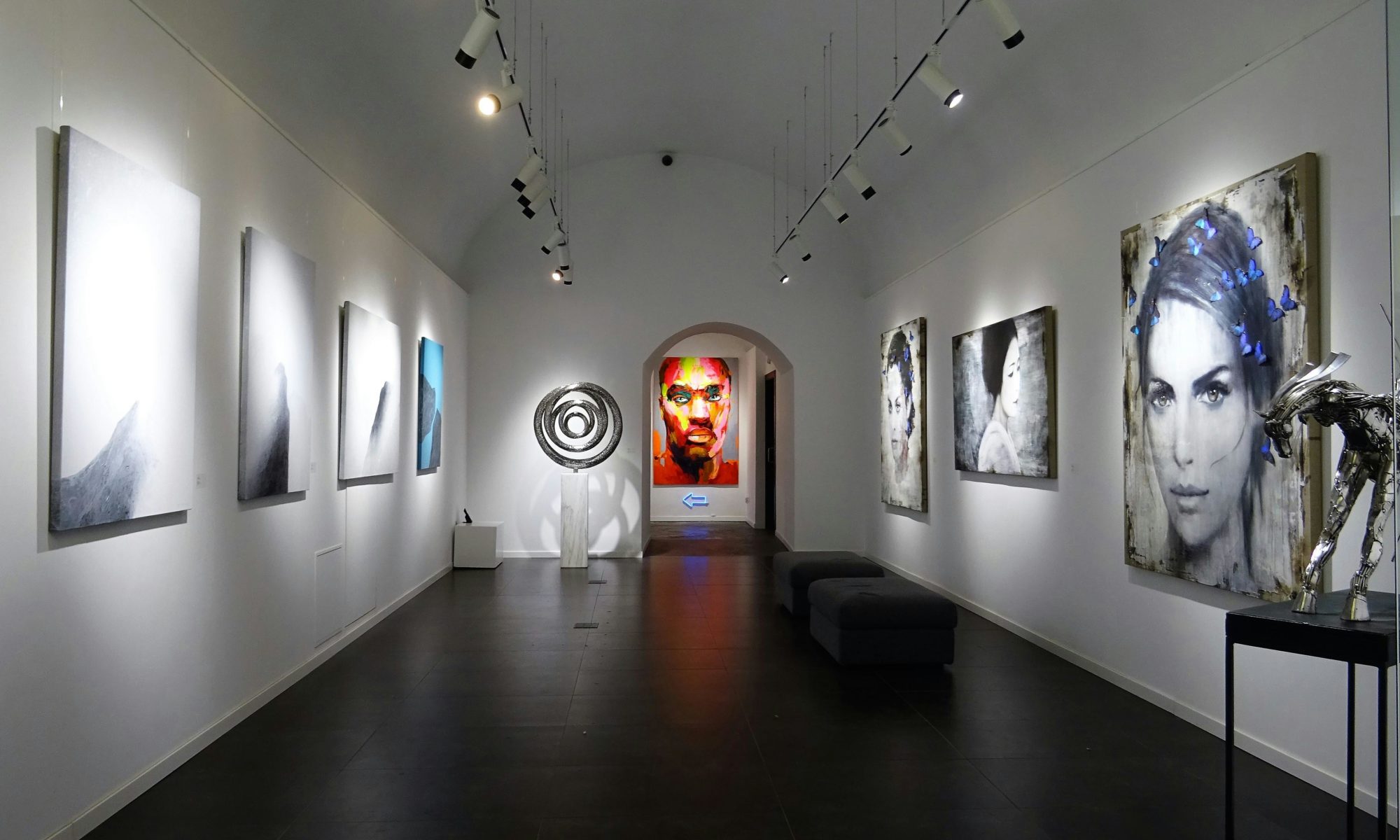
Why is LED Lighting for Artists the Best Choice?

Pros:

  • Customisable and Versatile: LED lighting for artists has become the go-to choice for modern artwork display light. They offer adjustable brightness and colour temperature, making them ideal for fine-tuning lighting for paintings.
  • Energy-Efficient and Long-Lasting: LEDs protect artwork while lowering energy costs, emitting minimal UV rays and producing reduced heat for superior lighting for art display.
  • Smart Integration: Many LED lighting for artists systems now have smart features, allowing you to control lighting for art display via apps or voice commands.

Cons:

  • Higher Initial Cost: While the upfront investment can be higher, the long-term savings in energy and maintenance often justify the expense for quality artwork display lighting.

According to LED industry research, LED technology has advanced significantly, making it the preferred choice for applications that provide lighting for your art.

When selecting a light source, consider the specific needs of your artwork and how lighting works in art. For most art collectors and galleries, the benefits of LED lighting for artists – especially its energy efficiency and customisability – make it the ideal choice for achieving perfect lighting for paintings.

6. What Are the Best Light Fixtures for Your Art Display?

Beyond choosing the right light source, the fixtures that hold your lights play a significant role in the overall effectiveness of your lighting for art display.

How Does Track Lighting Work for Art Displays?

  • Adjustability: Track lighting for painting systems directs light precisely where needed. Their flexible design allows you to adjust the angle and position of each fixture to highlight specific areas of a painting.
  • Modern Aesthetics: Track LED lighting for artists, with sleek, contemporary designs, not only illuminates your art but also adds to the overall decor while providing superior artwork display light.

Are Wall-Mounted Fixtures Effective for Artwork Display Light?

  • Discreet and Efficient: Wall-mounted fixtures offer a minimalist look that keeps the focus on your artwork while providing ample lighting for art display.
  • Customisable Arrangements: They can create a balanced light distribution across multiple pieces, ensuring consistent lighting for paintings throughout your gallery or living space.

What Makes Picture Lights Special for Lighting for Paintings?

  • Designed for Art: Picture lights are engineered specifically for artwork display light. They often come with features that help reduce glare and focus the light directly on the art.
  • Easy Integration: These LED lighting for artists solutions can be mounted directly above or around the painting, providing targeted and professional lighting for art display.

For professional fixture recommendations, consult lighting design specialists who work with museums and galleries.

Choosing the right fixtures is as crucial as selecting the appropriate light source. When planning your lighting for paintings strategy and understanding how lighting works in art, consider the style of your space and the specific requirements of each artwork.

7. How Can You Eliminate Glare and Enhance Visual Impact?

Glare can severely detract from the viewing experience by washing out details and causing reflections that distract from the artwork. Here are effective strategies to combat glare in your lighting for an art display setup:

What Anti-Reflective Materials Work Best?

  • Anti-reflective Glass or Acrylic: Consider using anti-reflective glass or acrylic when framing your paintings. These materials help minimise reflections, ensuring the viewer focuses on the art with proper artwork display lighting.
  • Matte Finishes: Matte or non-gloss finishes on frames can also help reduce glare, especially in well-lit environments with LED lighting for artists.

How Should You Adjust the Angle of Light?

  • Experiment with Fixture Positioning: Small changes in the angle of your lighting for painting fixtures can make a significant difference. Try positioning LED lighting for artists slightly above or to the side of the painting to prevent direct light from bouncing off the surface.
  • Utilise Diffusers: Diffusers or softboxes can scatter artwork display light more evenly, softening the light’s intensity and reducing harsh shadows in your lighting for art display.

Why Does Creating a Buffer Zone Matter?

  • Distance Matters: Ensure a small gap between the light source and the painting. This buffer zone helps diffuse the lighting for paintings before it hits the artwork, minimising hotspots and glare.

Professional framers and art conservation experts recommend these techniques for optimal art presentation.

By actively addressing glare issues and understanding how lighting works in art, you can dramatically enhance the visual impact of your artwork and ensure that the lighting for art display is both practical and aesthetically pleasing.

8. How Do You Achieve Consistency and Balance in Your Lighting Setup?

Consistency in lighting for art display is key, especially when displaying multiple pieces together. A well-balanced lighting plan for paintings ensures that each painting is equally illuminated and no single artwork overshadows another.

What Strategies Ensure Consistent Artwork Display Light?

  • Uniform Fixture Placement: Arrange your LED lighting for artist’s fixtures to spread light evenly across the entire display area. This prevents areas of over- or under-illumination in your lighting for art display.
  • Use Dimmers: Installing dimmers on your lighting for painting systems allows you to fine-tune the brightness, ensuring that each piece receives the optimal amount of artwork display light.
  • Layered Lighting Approach: Combining ambient, task, and accent LED lighting for artists can help create a balanced environment that highlights the artwork while setting the desired mood.

Why is a Holistic Experience Important?

Consistency improves the visual appeal and reinforces the importance of thoughtful lighting for art display, ensuring that every piece in your collection is showcased to its fullest potential with proper artwork display lighting.

9. How Do You Maintain Your Art Lighting System?

Even the best lighting for an art display system requires ongoing care to perform at its best. Regular maintenance ensures that your LED lighting for artists setup will consistently deliver the perfect lighting for paintings.

What Are Essential Maintenance Tips?

  • Cleaning Fixtures and Bulbs: Dust and dirt can reduce the brightness and effectiveness of your artwork display’s light. Regularly clean your fixtures and bulbs to maintain optimal lighting for art display performance.
  • Timely Bulb Replacement: Replace bulbs as soon as you notice any dimming or colour shift in your lighting for paintings. This ensures consistent LED lighting for artists and prevents long-term damage to your artwork.
  • Check Electrical Connections: Inspect your wiring and connections to avoid flickering or power issues with your artwork display light.

How Do You Troubleshoot Common Issues?

  • Uneven Illumination: If you notice uneven lighting for art display, re-evaluate the positioning of your fixtures and consider adjusting the diffusers or reflectors.
  • Heat Issues: Ensure that your chosen light source (especially if it doesn’t use LED lighting for artists’ technology) doesn’t generate excessive heat, which could harm your paintings. Understanding how lighting works in art helps you adjust the distance between the light and the artwork if necessary.

Professional maintenance guides are available through electrical contractors specialising in art lighting.

Regular upkeep is essential for sustaining the high-quality display of your art. A well-maintained lighting system for paintings is the backbone of adequate lighting for art display.

Key Takeaways

Perfect lighting for your paintings transforms your art display through these essential principles:

Technical Excellence

  • Choose LED lighting for your paintings with 2700K-3500K colour temperature for optimal colour rendering.
  • Maintain 200-300 lux brightness for general viewing, 150 lux for delicate works
  • Ensure minimal UV emission to prevent artwork damage
  • Use adjustable fixtures for flexibility and precision control

Design Strategy

  • Match lighting type to artwork medium (warm for oils, neutral for watercolours)
  • Implement layered lighting combining ambient, task, and accent illumination.
  • Position fixtures to eliminate glare and ensure even distribution
  • Create consistent lighting for your paintings across multiple pieces

Protection and Preservation

  • Invest in UV-filtering technology to preserve artwork integrity
  • Maintain a proper distance between light sources and paintings
  • Monitor heat generation to prevent damage to sensitive materials
  • Regular maintenance ensures long-term system performance

Professional Results

  • Quality lighting for your paintings increases the artwork value perception
  • Proper illumination enhances the viewer’s emotional connection
  • Strategic lighting creates gallery-quality presentation standards
  • Investment in professional systems pays long-term dividends

Conclusion: Transform Your Space with Perfect Lighting for Your Paintings

Achieving perfect lighting for your paintings is a blend of art and science. With the right mix of natural and LED lighting, carefully selected light sources, and thoughtfully designed fixtures, you can create an environment where every brush stroke and hue is showcased to its fullest potential. From understanding the science behind illumination to leveraging the latest smart lighting technologies, each decision is critical in elevating your lighting for your paintings.

The investment in proper lighting for your paintings pays dividends not only in visual appeal but also in artwork preservation. Whether you’re illuminating a single cherished piece or an entire collection, these expert techniques will transform your space into a professional-quality gallery with superior illumination.

Are you ready to transform your art space? Apply these expert tips and techniques for lighting for art display, and you will experience the remarkable difference proper lighting for paintings can make. For additional inspiration and display strategies, explore our comprehensive art lighting tips guide and discover creative painting display ideas to complement your lighting setup.

FAQs

The best lighting for your paintings is LED lighting with a colour temperature between 2700K and 3500K. It offers customisable brightness, low heat output, and minimal UV emission, preserving colour vibrancy while preventing long-term damage through superior illumination.

Use warm lighting for your paintings (2700K–3000K) for oil paintings to enhance rich, warm tones. Use neutral to cool LED lighting (3500K–4000K) for watercolours and modern art to preserve softer hues and cooler palettes

To reduce glare in your lighting for your painting setup, use anti-reflective glass or matte finishes, angle lights above or beside the artwork, and incorporate diffusers. Avoid placing LED lighting directly in front of framed paintings.

Yes, prolonged exposure to natural light can cause fading due to UV rays. To protect your artwork, use UV-filtering glass or films on windows and limit direct sunlight exposure while planning your lighting for your paintings.

LED lighting for your paintings is the safest for artwork display. They produce little heat, emit virtually no UV rays, and offer adjustable brightness and colour temperature, making them ideal for long-term preservation.

For general art viewing, aim for 200–300 lux in your lighting for your painting setup. For more delicate works, like watercolours or textiles, keep the brightness under 150 lux. Use dimmable LED lighting to fine-tune brightness without compromising visibility.

Track lighting offers flexible positioning for multiple pieces, ideal for gallery-style walls. Picture lights are mounted above individual works for targeted art lighting, which is excellent for focused home displays.

Use track LED lighting or wall-mounted fixtures spaced evenly across the wall. Combine ambient and accent lighting, and install dimmers to adjust brightness based on each artwork’s needs for optimal lighting for your paintings.

Yes. LED lighting for your paintings is more energy-efficient, produces less heat, and emits minimal UV radiation, making it safer for artwork preservation than incandescent bulbs in professional display applications.

Clean fixtures and bulbs regularly, replace dimming bulbs promptly, and inspect wiring. Periodic checks prevent uneven illumination, colour shifts, or heat damage to your lighting for your painting system, ensuring continued optimal performance for years to come.

Where to Sell Your Art Online for Free in the UK (2026)

In 2026, more UK artists than ever are turning to art-selling platforms to reach collectors directly. This guide covers exactly where to sell artwork online, compares the best places to sell art online, shares real artist case studies, and explains how artists make money online – with zero commission fees.

1. Introduction: Where to Sell Artwork Online in 2026

If you’ve been searching for where to sell artwork online, you’re not alone. In 2026, thousands of UK artists are moving away from expensive galleries and high-commission marketplaces to take control of their creative income. The world of online art marketplaces has expanded dramatically, giving creators more choice and more power than ever before.

Whether you’re a seasoned creator or just starting, finding the right platform is essential. There are now dozens of art-selling platforms available to UK artists, each with different commission structures, audiences, and tools. Some are free; others take a significant cut of your earnings.

This guide breaks down the best places to sell art online in the UK, compares the leading online art marketplaces, and explains exactly how artists make money online – from listing your first piece to building a loyal collector base. Real artist case studies and 2026 UK market data can help you make an informed decision.

2. The State of Online Art Sales in 2026: UK Stats

The data makes clear that 2026 is the year to get serious about selling art online:

  • USD 11.67 billion: the global online art market value in 2025, projected to reach USD 18.90 billion by 2033 at a 6.22% CAGR.
  • The Art Basel & UBS Global Art Market Report 2026 shows global art sales rose 4% year-on-year to USD 59.6 billion in 2025, after two years of decline.
  • Collector spending on buying directly from artists more than doubled in 2025 – a massive opportunity for independent UK artists.
  • 51% of HNW collectors made purchases via Instagram in 2025, up from previous years – social media is now a critical discovery channel for online art marketplaces.
  • 66% of HNW collectors bought from newly discovered artists in 2025, up from 43% in 2022 – meaning emerging UK artists have never had a better shot at connecting with serious buyers.

The conclusion is clear: collectors are actively seeking out independent artists through online art marketplaces, and UK creators who get online now stand to benefit enormously.

3. Where to Sell Artwork Online: Platform Comparison

Choosing the right platform is crucial. Here’s how the leading art-selling platforms for UK artists compare in 2026 :

Platform Commission Shipping Onboarding Best For
Cosimo 0% (Free) Platform-supported Easy Emerging artists as well as established creators across the UK
Etsy 6.5% + listing fees Artist pays Moderate Crafts, prints, small artworks
Saatchi Art 35% Free Moderate Established artists, professionals
ArtPal 0% (Free) Artist pays Easy Beginners, hobbyists
DeviantArt 0–20% (varies) Varies Moderate Digital artists, illustrators
Artfinder 33% Artist pays Moderate Professional artists, original works
Instagram/Facebook 0% (Free) Self-managed Difficult Artists with existing following

Why commission-free platforms stand out: Unlike most art selling platforms, Cosimo charges no commission and offers platform-supported shipping – helping UK artists keep every penny of their asking price.

4. How It Works: Listing & Selling on Cosimo

Getting started on Cosimo is quick and effortless – from creating your profile to selling your first piece, everything is designed to help UK artists start earning in minutes:

  1. Create an Account – Sign up for free and set up your profile in minutes.
  2. Upload Your Artwork – Showcase your talent with high-quality images.
  3. Set Your Prices – Take full control of your earnings. Choose from flexible shipping methods:
  • Cosimo Pro: UK deliveries with seamless supported shipping
  • Personalised Shipping: Set your own rates for international orders
  • Collect in Person: Offer local studio pickup with zero shipping costs

Once listed, collectors can browse and buy directly from your portfolio. When a sale is made, you’ll receive an instant notification and can manage fulfilment from your dashboard – all within one of the most streamlined online art marketplaces available to UK artists.

Illustration of the step-by-step process to sell your art online in the UK, from creating a profile to shipping artworks

5. The Complete Step-by-Step Guide to Selling on Cosimo

Follow this step-by-step guide to set up your profile, list your artwork, and start selling on Cosimo – all while keeping full control of your pricing, portfolio, and earnings:

Step 1: Setting Up Your Artist Profile

Your profile is your digital storefront. Craft a compelling bio that tells your story. Use the Portfolio Builder to create a beautiful, professional-looking artist portfolio in minutes – no technical skills needed.

Step 2: Preparing Your Artwork for Upload

High-quality images are essential across all online art marketplaces. Best practices:

  • Use natural lighting or professional photography
  • Capture multiple angles of each artwork
  • Include close-up detail shots to showcase texture and technique
  • Use high-resolution images (at least 2000px on the longest side)
  • Choose a neutral background to make your work the focus

Step 3: Creating Compelling Artwork Listings

Each piece should include a descriptive title, the story behind the work, accurate dimensions, the medium used (oil on canvas, watercolour, mixed media, etc.), relevant searchable tags, and your chosen shipping method.

Step 4: Pricing Your Artwork

Pricing is one of the biggest challenges for emerging artists. Consider size, time invested, material costs, your experience level, and market rates for similar works. Since there are no commission fees on the platform, every penny of your asking price goes directly to you.

Step 5: Building Your Professional Presence

A polished professional presence builds trust with collectors and is fundamental to understanding how artists make money online. Use Cosimo’s CV & Artist Statement Tools to auto-generate your artist statement and CV using smart writing tools – not only to strengthen your portfolio and listings, but also to support grant applications, open calls, residencies, and other professional opportunities where a strong artist profile is essential.

Step 6: Managing Sales and Shipping

When you make a sale, access your dashboard to manage fulfilment. For Cosimo Pro (UK) orders, print your pre-paid shipping label and drop the packaged artwork at your nearest delivery station. For Personalised Shipping, use your preferred courier. For Collect in Person, coordinate directly with the buyer.

Step 7: Building Your Collector Base

Success on art selling platforms goes beyond listings. Engage your audience by:

  • Regularly updating your portfolio with new pieces
  • Responding promptly to collector inquiries
  • Participating in community events and platform features
Smiling UK artist sharing a testimonial about how Cosimo helped them sell their art online and grow their collector base.

7. Why We’re Called Cosimo

Like our namesake, Cosimo de Medici, we believe in the power of art to transform the world. A renowned businessman and political leader during the European Renaissance, Cosimo’s greatest joy came from supporting artists and cultural growth – turning Florence into the cultural heart of the age.

Our platform aims to create a modern-day Renaissance by empowering artists to take control of their work. Connect directly with collectors, sell commission-free, and build your career on your terms. Use the Portfolio Builder to create your online presence and the CV & Artist Statement Tools to tell your story professionally – just as the great artists of the Renaissance were supported to do.

Collage of Cosimo artists and artworks highlighting a supportive online community where you can sell your art online.

8. Key Takeaways

  • Where to sell artwork online in 2026: Commission-free platforms with built-in portfolio and shipping tools – including options like Cosimo – are becoming a smart choice for UK artists looking to maximise earnings and simplify selling.
  • Market growth: The global online art market reached USD 59.6 billion in 2025, with collector spending on direct artist purchases more than doubling (Art Basel/UBS, 2026).
  • What to look for in a platform: The best places to sell art online typically offer low or 0% commission, professional portfolio tools, and access to an engaged collector audience.
  • Choosing the right platform: Art selling platforms vary widely – compare commission rates, shipping support, and audience reach before deciding.
  • How artists make money online in 2026: Through direct-to-collector sales, supported by a strong portfolio, CV, and artist statement that build trust and credibility.
  • What drives long-term success: UK artists who choose platforms aligned with their goals – such as those that combine selling, portfolio-building, and tools in one place – are better positioned to keep more of their earnings and grow sustainably.

FAQs

The leading free option for UK artists is Cosimo, which charges 0% commission and offers platform-supported shipping. ArtPal is another free option, though shipping is self-managed. Instagram and Facebook are free, but require you to handle the entire sales process yourself.

The best places to sell art online for UK emerging artists in 2026 are commission-free platforms that combine built-in shipping support, professional portfolio tools, and access to a collector audience – with platforms like Cosimo bringing these elements together in one place.

For established artists, marketplaces such as Saatchi Art can offer strong global reach and exposure, though this often comes with higher commission rates (typically around 35%).

Many art selling platforms offer premium membership tiers with enhanced features – such as priority listings or advanced analytics – while keeping core selling tools free for all artists.

How artists make money online has evolved significantly. In 2026, the most successful UK artists combine a strong presence on commission-free online art marketplaces – including platforms like Cosimo – with social media activity, a professional CV and artist statement, and active community engagement.

Direct-to-collector sales through these platforms are becoming increasingly common, giving artists more control over pricing, presentation, and relationships with buyers – and, for many emerging creators, now outperforming traditional gallery routes.

Reputable online art marketplaces use secure payment processing, provide order tracking, and offer buyer/seller protections. Always review a platform’s refund and dispute policies before listing.

For international sales, platforms that support personalised shipping rates or have a built-in global audience are ideal. Setting your own international shipping rates gives you full control over your margins when selling beyond the UK.

10. Join Our Growing Artistic Community

Stay connected on social media for updates, artist features, and exclusive opportunities. Follow us on Instagram, LinkedIn, YouTube, and Facebook.

“The platform has helped me solve many challenges in my art business.” – Imogen Morris.

“Love being part of the community!” – Emma Loizides

“I can’t recommend it highly enough!” – Elliott Packham

“Making art and artists accessible.” – Richard Battye

“Keeps me in order with sales and gives me a place to manage them easily.” – General Blimey

“I love that this platform puts artists in control.” – Rachel Tighe

Conclusion: Where to Sell Artwork Online in 2026

With the global online art market growing fast and UK collectors increasingly buying directly from artists, 2026 is the ideal time to get your work in front of the right audience. The best places to sell art online are those that charge no commission, support you with professional tools, and connect you with a thriving creative community.

Whether you’re just starting or ready to take things to the next level, knowing exactly where to sell artwork online makes all the difference. Build your Portfolio, create your CV & Artist Statement, and join thousands of UK artists already succeeding on the leading art selling platforms.

Sign up today and start selling art directly to collectors – completely free.

About the Author

John Sewell is the founder of Cosimo and holds a Master’s Degree in History of Art from the University of Birmingham. He built the platform to give emerging artists fair, transparent ways to reach collectors directly. Shortlisted for the Great British Entrepreneur Awards, his background in art, entrepreneurship, and digital marketplaces informs his writing on online art marketplaces, artist development, accessible art, and the future of online selling.

How Does Interior Design Framing Transform Your Space? The Complete Guide to Framing and Its Impact on Painting Aesthetics

Interior Design Framing

Quick Summary

Interior design framing is a crucial element that transforms both artwork and living spaces. The right frame can enhance room aesthetics, create visual hierarchy, and reflect personal style while providing essential artwork protection. Key considerations include:

  • Style compatibility: Match frames to your room’s design theme (traditional, contemporary, minimalist)
  • Colour coordination: Use frames that complement or contrast with your existing palette
  • Material selection: Choose from wood, metal, or acrylic based on room function and aesthetics
  • Proportional balance: Scale frames appropriately to artwork size and room dimensions
  • Room-specific needs: Different spaces require different framing approaches for optimal impact

Professional framing investment ensures quality, longevity, and seamless integration with your interior design vision.

Interior design framing is often considered as crucial as the artwork itself, making it a fundamental decision that significantly impacts the overall aesthetic appeal of any room. Professional framing and decoration experts understand that the right frame choice can enhance and harmonise an artwork with its surroundings. In contrast, poor interior framing selections may detract from both the beauty and impact of the piece. Understanding various art framing styles and how framing and decoration work together is essential for creating stunning interior spaces that reflect personal style while maintaining visual coherence throughout your home design.

Proper framing not only enhances aesthetic appeal but also provides crucial protection for artwork, extending its lifespan and preserving its value over time.

Why Should You Consider Interior Framing as Essential to Room Design?

The choice of interior design framing serves as more than just a protective border for artwork. It acts as a crucial design element that bridges the gap between your painting and the room’s overall aesthetic. When selecting frames, homeowners must consider how the framing and decorative elements will complement the existing design themes, whether traditional, contemporary, minimalist, or eclectic styles.

Interior Design Framing

Interior designers emphasise that framing decisions should be made with the same careful consideration as choosing furniture or paint colours, as they significantly impact the room’s overall cohesion. For comprehensive guidance on achieving this balance, explore our detailed guide on balancing paintings with interior design.

The Psychology of Framing in Interior Spaces

Research from the Journal of Environmental Psychology shows that well-framed artwork can influence mood, productivity, and overall well-being in living spaces. The psychological impact of framing extends beyond mere aesthetics to affect how occupants perceive and interact with their environment.

Understanding this psychological dimension is crucial when creating spaces that promote specific moods or atmospheres. The integration of art inspired by nature with appropriate framing can particularly enhance well-being and create calming environments.

Art framing in interior design

Complementing Your Room’s Style Through Art Framing Styles

One of the primary ways interior framing impacts overall room aesthetics is through style complementarity. The frame should harmonise with the room’s decor, and understanding different art framing styles helps achieve this harmony. A gilded and ornate frame might suit a classic and opulent interior, while sleek, simple frames work better in modern, minimalist settings. Interior design framing acts as a bridge between artwork and room design, ensuring seamless style integration.

Traditional and Classical Framing Styles

Traditional framing often features:

  • Ornate carved details with gold or silver leaf finishes
  • Wide moulding profiles that create substantial visual weight
  • Classic proportions following golden ratio principles
  • Natural wood finishes like mahogany, walnut, or cherry

For example, if you’re leaning toward a vintage or regal vibe, antique frames can be a perfect choice. For detailed guidance on this timeless approach, explore our comprehensive guide on antique picture framing dos and don’ts.

For a more detailed breakdown, the Victoria and Albert Museum provides extensive documentation on the evolution of frame styles throughout history, showing how traditional framing techniques have influenced modern design principles.

Contemporary and Modern Framing Approaches

Modern framing emphasises:

  • Clean lines and minimal ornamentation
  • Industrial materials like steel, aluminium, and acrylic
  • Float mounting techniques that create shadow gaps
  • Neutral colour palettes that don’t compete with artwork

According to design experts at Decorilla, the key to incorporating art into interiors lies in choosing frames that both complement your style and enhance the overall ambience of the space.

For more inspiration on harmonising artwork with room design, explore our guide on Creating Harmony: Tips for Artwork and Furniture Pairing. For those exploring current design movements, our guide on trends for interior decor 2025 offers valuable insights into emerging framing and decoration approaches.

How Does Colour Impact Framing and Decoration Decisions?

Colour plays a crucial role in how frames influence both the artwork and the surrounding interior design. Choosing a frame isn’t just about aesthetics –  it’s also about creating the right emotional and visual balance in a space.

Interior Design Framing

The Science of Colour in Framing

According to colour theory research published by the International Association of Colour, frames that match or subtly complement dominant room colours tend to create a sense of unity, while contrasting frame colours can make the artwork stand out as a focal point. However, if not thoughtfully chosen, clashing colours may disrupt the overall harmony of the room.

Colour Psychology in Frame Selection

This is where colour psychology comes in. Warm tones (reds, golds, oranges) in frames can bring energy and warmth to a space, making them ideal for social areas like living or dining rooms. On the other hand, cool tones (blues, greys, silvers) evoke calmness and sophistication, often suiting bedrooms, studies, or minimalist interiors.

The Colour Marketing Group provides annual forecasts on colour trends that can inform framing decisions, ensuring your choices remain current and appealing.

Advanced Colour Matching Techniques

Professional designers use several colour-matching strategies:

  1. Monochromatic schemes: Using various shades of the same colour family
  2. Analogous combinations: Selecting colours adjacent on the colour wheel
  3. Complementary contrasts: Pairing colours opposite on the colour wheel
  4. Triadic harmonies: Using three evenly spaced colours

Interior design framing experts also recommend aligning framing choices with room colour schemes –  whether monochromatic, complementary, or contrasting. This ensures that frames don’t just house the artwork but actively contribute to the room’s mood and balance.

For a deeper dive, explore our blogs on Colour Psychology in Interior Design and Room Colour Schemes for Modern Interiors, which expand on how colour choices can transform the look and feel of your space. 

Interior Design Framing

What Role Do Art Framing Styles Play in Visual Hierarchy?

Interior framing plays a vital role in establishing visual hierarchy within rooms. Frames act as borders, drawing attention to the enclosed artwork. The size, shape, and style of interior design framing can influence how prominently paintings are featured within room designs.

Understanding Visual Weight in Framing

Visual weight in framing is determined by several factors:

  • Frame width and profile depth
  • Colour intensity and contrast
  • Texture and finish quality
  • Proportional relationship to artwork

The Smithsonian Institution’s design guidelines explain how proper visual hierarchy guides viewer attention and creates engaging exhibition spaces, principles that apply equally to residential interiors.

Creating Focal Points Through Strategic Framing

Larger, more elaborate art framing styles may draw the eye more effectively, making paintings the central focal points. Smaller, subtler interior framing options may encourage a more understated presence. This strategic use of framing allows designers to control the viewer’s journey through the space.

Professional interior designers often utilise framing and decoration techniques to control painting prominence within room design schemes. For detailed guidance on creating focal points, check out our article on Large-Scale Paintings as Focal Points in Interior Design.

How Can Interior Design Framing Create Balance and Proportion?

Achieving balance and proportion in interior design is crucial for creating harmonious environments. Framing and decoration can be powerful tools for achieving this balance. Well-proportioned interior framing provides equilibrium by complementing painting sizes and scales alongside other design elements.

Interior Design Framing

The Mathematics of Proportion in Framing

The golden ratio (1:1.618) has been used in art and architecture for centuries. The Metropolitan Museum of Art documents how this mathematical principle appears throughout art history and continues to influence contemporary framing decisions.

Proportional Guidelines for Different Spaces

For instance, large paintings in small rooms may benefit from thinner art framing styles to avoid overwhelming spaces, while spacious rooms with smaller artworks could benefit from wider interior design framing to fill visual voids. Understanding these framing and decoration principles helps create balanced, proportionate interior spaces.

Room Size Considerations:

  • Small rooms (under 200 sq ft): Use frames no wider than 2-3 inches
  • Medium rooms (200-400 sq ft): Frame widths of 3-5 inches work well
  • Large rooms (over 400 sq ft): Can accommodate frames 5+ inches wide
Interior Design Framing

What Materials Should You Consider for Interior Framing?

Interior design framing extends beyond style and aesthetics to include texture and material diversity in room design. The choice of framing materials introduces new textures that enhance the overall space’s look and feel.

Traditional Framing Materials

Wood Framing Options:

  • Hardwoods: Oak, maple, cherry, for durability and rich grain
  • Softwoods: Pine, basswood for cost-effective solutions
  • Exotic woods: Ebony, rosewood for luxury applications

Wooden interior framing can bring warmth and natural elements to rooms, creating connections to nature that research from Environmental Psychology journals shows can reduce stress and improve well-being. This aligns with themes we explored in our Art Inspired by Nature blog – showing how surrounding ourselves with organic elements fosters a calming, connected environment.

Contemporary Material Innovations

Metal Framing Advantages:

  • Aluminium: Lightweight, corrosion-resistant, modern appearance
  • Steel: Industrial strength, sleek profiles, contemporary appeal
  • Brass: Warm metallic finish, vintage character

Metallic art framing styles may lend contemporary and industrial feels to spaces. The Industrial Designers Society of America provides insights into how industrial materials are being incorporated into residential design.

Acrylic and Composite Options:

  • Clear acrylic: Creates floating effects, modern appeal
  • Colored acrylics: Bold statements, youth-oriented designs
  • Composite materials: Environmentally sustainable options

Leading framing and decoration experts at Tribeca Printworks emphasise the importance of material selection in creating cohesive interior design schemes.

Sustainable Framing Materials

With increasing environmental awareness, sustainable framing options are gaining popularity:

  • Reclaimed wood: Reduces environmental impact, adds character
  • Recycled metals: Eco-friendly manufacturing processes
  • Bamboo composites: Rapidly renewable resource, modern appearance

The Forest Stewardship Council provides certification for sustainably sourced wood products, helping consumers make environmentally responsible choices.

This material diversity in framing and decoration adds depth and character to room designs, making interior framing choices critical for overall aesthetic success. For more insights into eco-conscious artistic practices, explore our comprehensive guide on sustainability in art.

How Does Lighting Interact with Art Framing Styles?

Interior design framing can influence how light interacts with paintings and rooms as a whole. Understanding this relationship is crucial for creating optimal viewing conditions and enhancing overall ambience.

Interior Design Framing

Reflective Properties of Different Frame Materials

Reflective frames, such as those made of glass or acrylic, can bounce light around rooms, creating a sense of airiness and spaciousness. Conversely, matte or darker interior framing may absorb light, creating more intimate and cosy atmospheres.

The International Association of Lighting Designers provides guidelines for properly lighting framed artwork to minimise glare while maximising visual impact.

LED Integration and Smart Lighting

Modern framing increasingly incorporates LED lighting systems:

  • Picture lights: Focused illumination for individual pieces
  • Integrated strips: Built into frame profiles for seamless appearance
  • Smart controls: Adjustable colour temperature and intensity

UV Protection Considerations

Professional-grade framing includes UV-filtering glazing to protect artwork:

  • Museum glass: 99% UV filtration, minimal reflection
  • Conservation glass: 97% UV protection, cost-effective
  • Acrylic alternatives: Lightweight, shatter-resistant options

For more in-depth tips, check out our guide to lighting artwork effectively.

Interior Design Framing

How Can Framing and Decoration Add Meaning to Art?

In some cases, interior framing itself can be a meaningful addition to artwork. Art framing styles can tell stories or convey deeper messages, adding layers of interpretation and personal significance.

Historical and Cultural Context in Framing

For example, distressed or weathered interior design framing can add a sense of history and nostalgia to paintings, making them particularly suitable for vintage or retro-themed rooms. The National Gallery of Art documents how frame styles reflect the cultural and artistic movements of their time periods.

Custom Framing for Personal Narrative

Custom-made framing and decoration that incorporate elements related to the painting’s subject matter can add layers of meaning and significance to the artwork within the room design. This approach to interior framing creates more personalised, meaningful interior spaces.

Custom Elements Might Include:

  • Carved details relating to artwork themes
  • Incorporated objects from travels or memories
  • Family heirloom materials repurposed into frames

Cultural symbols reflecting heritage or beliefs

How Does Interior Design Framing Reflect Personal Expression?

Ultimately, framing and decoration choices should reflect individual personal taste and expression. Interior framing should resonate with the owner’s aesthetic preferences and contribute to the overall room design in unique, meaningful ways.

Interior Design Framing

Developing Your Personal Framing Style

The American Society of Interior Designers suggests that successful interior design reflects the occupant’s personality while maintaining functional and aesthetic balance. This principle applies directly to framing decisions.

While guidelines and recommendations exist for art framing styles, no strict rules govern framing choices. Interior design framing presents opportunities for personal expression and creativity, allowing homeowners to showcase personality and style through thoughtful framing and decoration selections.

Personal Expression Through:

  • Mix-and-match approaches combining different frame styles
  • DIY customisation, adding personal touches to standard frames
  • Collectable frames showcasing hobbies or interests
  • Rotation systems allowing seasonal or mood-based changes

For ideas on selecting artwork that complements your interiors, explore our guide to pairing artwork and furniture. For ideas on selecting artwork that complements your personal style and interiors, explore our comprehensive guide on art framing in interior design.

Interior Design Framing

What Are the Latest Trends in Art Framing Styles?

Contemporary framing and decoration trends continue evolving, with new art framing styles emerging regularly. Modern interior design framing incorporates sustainable materials, mixed media elements, and innovative display techniques.

Current Trending Styles

2025 Framing Trends Include:

  • Oversized frames create dramatic focal points
  • Layered compositions mixing frame depths and sizes
  • Natural textures incorporating woven materials and raw woods
  • Geometric shapes moving beyond traditional rectangles

Understanding current trends helps homeowners make informed interior framing decisions that remain relevant and stylish. House Beautiful Magazine regularly features the latest trends in home décor, including framing innovations.

Technology Integration

Modern framing increasingly incorporates technology:

  • Digital displays within traditional frame profiles
  • Wireless charging integrated into frame stands
  • App-controlled lighting for customisable illumination
  • Climate monitoring protects valuable artwork

Design professionals at Homes & Gardens emphasise that incorporating art into interiors is more than decoration – it’s a powerful way to express personality and is often considered essential for a successful design scheme.

International Influences

Global design trends are influencing framing styles:

  • Scandinavian minimalism: Clean lines, light woods
  • Japanese wabi-sabi: Embracing imperfection and natural materials
  • Mediterranean warmth: Rich textures and earth tones
  • Industrial chic: Raw metals and exposed mechanics

For more insights into how different design philosophies influence framing choices, explore our analysis of minimalism and maximalism in interior design.

How Can You Choose the Right Interior Framing for Different Room Types?

Different rooms call for distinct framing and decoration approaches. What works in a living room may feel out of place in a bedroom, while kitchen spaces demand durability as much as style. Here’s a comprehensive look at how to match art framing styles to different room types:

Interior Design Framing

1. Living Room Interior Framing

Purpose: The living room is often the heart of the home, where art becomes a focal point and conversation starter.

Framing Choices: Bold, oversized frames or statement gallery walls can create impact. Materials like metallic finishes (gold, silver, brass) or chunky wooden frames can complement different interior styles.

Professional Considerations:

  • Frame sizes should relate to furniture scale
  • Gallery walls require consistent spacing (typically 2-3 inches between frames)
  • Consider viewing distances when selecting frame details

Placement Tips: Hang larger framed pieces at eye level behind sofas or above fireplaces to anchor the room. For modern interiors, mix and match frame sizes for a curated gallery look.

The American Institute of Architects provides guidelines for residential space planning that include artwork placement recommendations.

2. Bedroom Interior Design Framing

Purpose: Bedrooms benefit from art that promotes rest and tranquillity.

Framing Choices: Go for softer finishes like natural wood, fabric-covered frames, or muted tones that blend with bedding and wall colours. Thin, minimalist frames or even floating frames can help maintain a calming atmosphere.

Sleep Psychology Considerations: Research from the Sleep Foundation shows that bedroom environments significantly impact sleep quality. Frame choices should support, not detract from, restful atmospheres.

Placement Tips: Consider framing pairs or triptychs above the headboard for symmetry, or smaller framed prints on bedside walls for intimacy.

3. Kitchen Art Framing Styles

Purpose: Kitchens face unique challenges such as humidity, heat, and regular cleaning.

Framing Choices: Opt for durable, wipe-clean materials like sealed wood, acrylic, or metal. Avoid delicate or fabric-based frames.

Environmental Considerations:

  • Humidity resistance: Sealed frames prevent warping
  • Heat tolerance: Materials that won’t degrade near appliances
  • Easy cleaning: Smooth surfaces for quick maintenance

Placement Tips: Keep framed art away from direct cooking areas. Instead, use wall space near breakfast nooks or above countertops not exposed to splatter. For more inspiration, see our Kitchen Wall Art Ideas 2025 guide.

The National Kitchen & Bath Association provides guidelines for kitchen design that include recommendations for decorative elements.

4. Dining Room Interior Framing

  • Purpose: Dining rooms often lean toward formal or elegant décor, making art a central element of the ambience.
  • Framing Choices: Consider classic moulded frames or frames with a subtle sheen to reflect light and add sophistication. For contemporary spaces, sleek black or metal frames can create drama.
  • Placement Tips: A large framed artwork centred on the main wall can create a striking backdrop, while a series of smaller pieces arranged symmetrically can balance formality with personality. 

Conclusion: Mastering Interior Design Framing for Stunning Results

Interior design framing isn’t just about borders for artwork- it shapes room style, balance, texture, and how light interacts with space. The right frame can highlight personal taste, tell a story, and elevate both paintings and interiors.

By aligning framing choices with the room’s function and design principles, homeowners can create cohesive, visually striking spaces. Whether choosing classic or contemporary styles, thoughtful framing turns any room into a refined expression of personality and artistry.

For tailored guidance, consult design professionals who can help transform your interiors through expert framing and decoration choices.

Looking for more interior design inspiration? Explore our comprehensive collection of guides on art and interior design to discover how framing and decoration can elevate your home’s aesthetic appeal – and browse our curated pieces to bring that inspiration to life.

Frequently Asked Questions (FAQs)

Framing enhances both the artwork and the room by creating harmony, balance, and visual coherence. The right frame ensures that the painting complements the overall design style.

Consider your room’s style (modern, traditional, minimalist, eclectic), colour palette, and lighting. The frame should complement – not clash with – these elements.

Sleek, simple, and minimalist frames (often in neutral tones or metals) work best in contemporary spaces, keeping the focus on clean lines and the artwork itself.

Yes. Choosing thinner, lighter frames and reflective materials like glass or acrylic can help create a sense of openness in smaller rooms.

Popular materials include wood (for warmth and natural feel), metal (for a modern look), and acrylic (for durability and sleekness). The choice depends on the room’s overall theme.

Frame colours that match or complement your room’s palette create a cohesive look, while contrasting colours can make the artwork stand out as a focal point.

Framing draws the eye to the artwork, establishing visual hierarchy. Larger, ornate frames can make paintings central features, while subtle frames create a softer presence.

Yes. Professional framers ensure high-quality finishes, proper proportions, and framing techniques that protect and highlight your artwork while blending seamlessly with your interior design.

  • Living room: Bold frames for statement pieces.
  • Bedroom: Subtle, calming frames to promote relaxation.
  • Kitchen: Durable, moisture-resistant materials.

Sustainable materials, mixed textures, oversized frames, and custom-made designs are trending, along with styles that enhance natural light interaction.

Harmonising Art and Ambiance: Balancing Paintings with Your Room Colour Scheme

room colour scheme

The art of interior design goes beyond simple aesthetics; it’s about creating an atmosphere that resonates with your personality and complements your living space. An essential element in achieving this balance is choosing paintings that harmonise with your room colour scheme. In this comprehensive guide, we’ll explore the delicate art of marrying artwork and ambience, ensuring your home reflects your unique style while maintaining a cohesive room colour scheme.

How Colour Affects Interior Design

Before we dive into the world of paintings, it’s essential to understand the significance of colour in interior design. Colours evoke emotions, set moods, and define spaces. When choosing paintings, considering the room colour scheme is crucial, as the colour palette can either enhance or disrupt the visual harmony of your room.

The Psychology of Colour in Your Room Colour Scheme

Understanding how different colours affect mood and perception is fundamental to creating an effective room colour scheme. Warm colours like reds and oranges can energise a space, while cool blues and greens promote tranquillity. Your chosen room colour scheme should reflect the intended purpose and atmosphere of each room.

Tips for Matching Paintings with Room Colours

1. Start with a Neutral Canvas

Begin with a neutral base for your room colour scheme, incorporating shades of white, beige, or grey for walls and large furniture pieces. This neutral canvas provides a versatile backdrop for your artwork and allows your room colour scheme to evolve organically.

2. Identify Your Dominant Colour

In every room, one dominant colour is often found in furniture or decor elements. Identify this colour; it will guide your room colour scheme and painting selection. This dominant hue should be the foundation of your room colour scheme strategy.

3. Complementary Colours for Dynamic Room Colour Schemes

Explore the colour wheel to discover complementary shades. These colours opposite each other on the wheel create a visually striking contrast. A painting featuring complementary colours can be a focal point in a room colour scheme dominated by a single hue, adding depth and interest to your overall ambience.

4. Analogous Colours for Harmonious Room Colour Schemes: Living Room

Analogous colours are adjacent on the colour wheel, creating a sense of harmony. Choosing paintings that incorporate analogous colours to your room colour scheme’s dominant hue can provide a soothing and cohesive look, particularly effective in room colour schemes for living rooms.

5. Monochromatic Tones for Sophisticated Room Colour Schemes

For a sophisticated and unified appearance, opt for paintings that use varying shades of your room colour scheme’s dominant colour. This monochromatic approach adds depth without overwhelming the senses and creates an elegant room colour scheme that feels intentional and refined.

6. Bold Contrasts to Energise Your Room Colour Scheme

If your room colour scheme features a neutral palette, consider bold and vibrant paintings to inject energy and personality. A vivid artwork can be a conversation starter and a statement piece that elevates your entire room colour scheme.

7. Test with Samples Before Finalising Your Room Colour Scheme

Before committing to a painting, obtain colour samples or swatches to ensure they harmonise with your room colour scheme. Natural and artificial lighting can affect how colours appear, potentially altering the perception of your carefully planned room colour scheme.

8. Consider the Artwork’s Emotional Impact on Your Room Colour Scheme

Beyond colour, consider the artwork’s emotional impact. Does it convey the desired mood for the room colour scheme? A serene landscape may be ideal for a bedroom colour scheme, while abstract art can infuse vitality into a living area’s colour scheme.

Visual Balance and Placement

Creating a balanced composition involves more than colour; it’s also about the size, placement, and style of your paintings within your room colour scheme:

1. Scale Matters in Your Room Colour Scheme

Match the scale of your paintings to the room’s proportions and your room colour scheme. A large painting can dominate a small space, while small pieces may get lost in a big room, disrupting the visual flow of your room colour scheme.

2. Placement Precision for Optimal Room Colour Scheme Impact

When hanging paintings, consider eye level. The artwork’s centre should typically be at eye level, around 57-60 inches from the floor. However, artistic experimentation with placement can sometimes create visually appealing effects that enhance your room colour scheme.

3. Mixing Styles Within Your Room Colour Scheme

Eclecticism in artwork can create a dynamic and engaging atmosphere. Combining contemporary art with traditional decor can create a visually stimulating blend while maintaining your room colour scheme’s coherence.

4. Framing Unification

Choose frames that complement your room’s decor and colour scheme. Frames can tie the artwork to the surroundings or serve as a statement piece that enhances your overall room colour scheme.

5. Grouping Art for Gallery Wall Impact

Group paintings of various sizes and styles to create a gallery wall. This arrangement can be an artful showcase and a focal point within your room colour scheme, creating visual interest while maintaining colour harmony.

Expressing Your Personality Through Art

Ultimately, the choice of paintings should reflect your style and preferences while working within your room colour scheme. Your home is an extension of yourself; your chosen art should resonate with you emotionally while complementing your carefully curated room colour scheme.

Personal Style Integration

When harmonising paintings with your room colour scheme, remember there are no rigid rules; it’s an art form that evolves as you explore and experiment. The key is finding the balance between personal expression and maintaining a cohesive room colour scheme throughout your home.

Conclusion

Creating a harmonious room colour scheme that incorporates beautiful artwork requires thoughtful planning and creative vision. By understanding colour theory, considering scale and placement, and balancing personal expression with design principles, you can create a living space where every element works together seamlessly.

Remember that your room colour scheme is a reflection of your personality and lifestyle. Whether you prefer bold, vibrant colours or subtle, neutral tones, the key is ensuring that your chosen paintings enhance and complement your overall room colour scheme. With patience and experimentation, you’ll create a home that truly tells your unique story through the perfect marriage of art and ambience.

Frequently Asked Questions (FAQs)

The best room colour scheme starts with identifying your preferences and the room’s purpose. Consider the natural lighting, existing furniture, and the mood you want to create. A well-planned room colour scheme should reflect your personality while creating a harmonious environment.

A successful room colour scheme typically includes 3-5 colours: a dominant colour (60%), a secondary colour (30%), and accent colours (10%). This balanced approach ensures your room colour scheme feels cohesive without being overwhelming.

Yes, mixing different art styles can work beautifully within a room colour scheme. The key is maintaining colour harmony while allowing varied artistic expressions to coexist within your chosen room colour scheme.

Your paintings should complement rather than clash with your room colour scheme. They can either harmonise with existing colours or provide intentional contrast as accent pieces within your overall room colour scheme.

Artwork doesn’t need to match your room colour scheme exactly. It should complement and enhance your room colour scheme, either through harmonious colours or strategic contrasts that add visual interest.

Art Inspired by Nature: Unveiling the Beauty of Eco-Art and Biophilic Design

art inspired by nature

Art inspired by nature has become a powerful movement in contemporary creative culture, bridging the gap between human expression and the natural environment. Through eco-art and biophilic design, artists and designers embrace organic elements, sustainable practices, and natural forms. These approaches reflect a growing desire to reconnect with nature while fostering environmental awareness, emotional wellness, and aesthetic harmony in modern living spaces.

Eco-Art: A Symphony of Sustainability and Environmental Consciousness

Eco-art is a genre where artists integrate ecological responsibility into their artistic creations. This art, inspired by nature, often uses eco-friendly materials and draws inspiration from environmental concerns, promoting a deeper connection between the audience and the natural world. The movement represents a fundamental shift in how we approach creative expression, making art inspired by nature a cornerstone of sustainable artistic practice.

Pioneering Artists in the Eco-Art Movement

Two notable figures in this field are Andy Goldsworthy and Nils-Udo. Goldsworthy, a British artist known for his sculpture, photography, and environmental work, is renowned for creating site-specific land art using natural materials such as rocks, ice, leaves, and branches. His art is directly connected to the location where it is made, emphasising the use of elements from the environment. His artworks are temporary, meant to evolve and fade away, mirroring the fleeting beauty and the cyclical nature of life.

Nils-Udo, a German artist, has been a pioneer in environmental art. Udo’s art goes beyond just looking good; it carries a strong message about caring for the environment and living in harmony with nature. His works often include living elements, emphasising the delicate balance of ecosystems and encouraging us to rethink how we interact with the natural world. Udo has been involved in environmental art since the 1960s, creating impactful structures on a large scale using various materials.

These artists exemplify the essence of eco-art, blending artistic expression with a commitment to sustainability and environmental awareness. Their creations defy conventional art and cultivate a greater understanding of the fragile equilibrium within our planet.

Nature Inspired by Artists: Contemporary Voices in Environmental Art

The world of art inspired by nature continues to evolve through the vision of contemporary artists who transform our understanding of the relationship between creativity and the environment. These modern practitioners push the boundaries of traditional eco-art, creating immersive experiences that challenge viewers to reconsider their connection to the natural world through innovative art inspired by nature.

1. Digital Nature Artists and Virtual Ecosystems

Contemporary artists are increasingly incorporating digital technology to create virtual representations of natural environments. Through augmented reality installations and interactive digital sculptures, these artists create art inspired by nature experiences that can exist in urban environments where access to natural spaces is limited. These digital ecosystems respond to human interaction, creating a dialogue between technology, humanity, and nature through cutting-edge art inspired by nature.

2. Community-Based Environmental Art Projects

Modern eco-artists emphasise community engagement and collaborative creation. These projects involve local communities in the artistic process, from gathering materials to participating in the installation itself. Such collaborative efforts not only create meaningful art inspired by nature but also build environmental awareness and stewardship within communities. The participatory nature of these projects ensures that art inspired by nature becomes a catalyst for ongoing environmental action.

3. Restoration Art: Healing Through Creativity

A growing movement within eco-art focuses on the restoration and healing of damaged ecosystems. Artists work directly with environmental scientists and conservationists to create art inspired by nature that actively contributes to ecological restoration. These projects might involve creating sculptural elements that provide habitat for wildlife or installations that help filter water or improve soil quality, demonstrating how art inspired by nature can serve both aesthetic and environmental functions.

Eco-Art Installations: Where Art Meets Environmental Activism

Eco-art installations serve as a dynamic intersection between art and environmental activism, addressing the pressing issue of climate change. This genre has emerged in response to growing ecological concerns. It transcends traditional aesthetics, using various media like sculpture, installations, photography, and performance art to express environmental consciousness and foster a deeper connection between humans and nature.

Eco-artists engage communities through large-scale creations, inviting active participation in conversations about climate change. These interactive artworks enable individuals to get a different perspective on environmental issues. A notable example is Olafur Eliasson’s “Ice Watch,” where large ice blocks from Greenland were displayed in city centres, symbolising the melting ice caps and rising sea levels.

Eco-art installations are more than just awareness tools; they have the potential to drive tangible change. Some artists collaborate with environmental organisations, policymakers, and communities to implement sustainable practices and advocate for policy changes. For instance, Maya Lin, known for the Vietnam Veterans Memorial, now focuses on environmental issues, promoting conservation efforts and sustainable design.

In summary, eco-art installations are powerful voices in environmental activism, blending artistic expression with a deep commitment to ecological preservation and community engagement.

Biophilic Design: Nature-Infused Living Spaces for Enhanced Wellbeing

Biophilic design is a transformative approach that integrates the presence of nature into our living and working environments. It not only adds aesthetic value but also significantly benefits individuals in various ways:

1. Health and Wellness Benefits of Biophilic Elements

Stress Reduction and Enhanced Creativity: Biophilia’s design philosophy is structured around the relationship between nature, human biology, and the built environment. It reduces stress, boosts creativity and clarity of thought, improves overall well-being, and expedites healing processes.

Physical, Emotional, and Intellectual Well-being: Implementing biophilic design in built environments can enhance physical, emotional, and intellectual well-being. Including elements like pictures of plants, mountains, and outdoor landscapes in interior spaces has been found to have the same mental health benefits as being in real natural environments.

2. Addressing Modern Urban Challenges Through Nature

Response to Urbanisation: As urban spaces increasingly become concrete landscapes, biophilic design offers a way to reconnect with nature. This design trend responds to the human need for the calming influence of natural elements, countering the detrimental effects of urbanisation, such as stress and disconnection from nature.

Emotional Well-Being in Workplaces: A study focusing on healthcare providers during the COVID-19 pandemic found that workplace biophilic design features significantly improved emotional well-being. This improvement was linked to greater satisfaction with green features and natural decor, enhancing attachment to the workplace.

Biophilic design is more than an aesthetic choice; it strategically integrates nature into our daily environments. It offers substantial mental and emotional health benefits, fosters a more profound connection with the natural world, and enhances the quality of life in increasingly urbanised settings.

Conclusion: Harmonising Human Creativity with Natural Elements

In our fast-paced world, the infusion of nature-inspired art and biophilic design provides a vital connection to the natural world. The growing appreciation for eco-art and biophilic design reflects our collective yearning to reconnect with nature amid increasing urbanisation.

These artistic expressions and design approaches do more than beautify spaces—they promote environmental consciousness, enhance well-being, and foster a deeper appreciation for our natural environment. We create harmonious environments that balance human innovation with nature by embracing these elements in our homes, workplaces, and public spaces.

As we move forward, integrating nature into our creative endeavours and living spaces will continue to play a crucial role in building sustainable communities and nurturing our inherent connection to the natural world. Whether through the intricate strokes of a painting, the intentional use of sustainable materials, or the inclusion of greenery in architectural spaces, these creative expressions bridge human experiences and the environment, guiding us toward a more balanced and environmentally conscious future.

Antique Picture Framing: FAQs

Art inspired by nature refers to creative works that draw ideas, materials, or themes from the natural world. It can include eco-art, land art, biophilic design elements, and any artwork that reflects the beauty, forms, or processes found in nature.

Eco-art goes beyond aesthetics by integrating sustainable practices and environmental consciousness into the creative process. It often uses natural or recycled materials, site-specific installations, and aims to raise awareness about ecological issues.

Notable eco-artists include Andy Goldsworthy, known for his temporary land art made with natural materials, and Nils-Udo, who creates large-scale installations that highlight our relationship with nature.

Biophilic design connects people with nature through elements like indoor plants, natural light, organic materials, and nature-inspired artwork. Research shows it can reduce stress, boost creativity, and improve mental and emotional health.

Absolutely! You can add nature-inspired paintings, sculptures made from natural materials, indoor gardens, or furniture and decor that mimic organic forms to create a calming, nature-infused living space.

Many nature-inspired artists and designers prioritise sustainability by using eco-friendly materials, renewable resources, or by creating works that encourage environmental stewardship and a deeper connection with the earth.

Restoration art is a branch of eco-art where artists actively contribute to healing damaged ecosystems. This can involve creating habitats for wildlife, improving soil or water quality, and collaborating with environmental scientists to integrate art with ecological restoration.

Contemporary artists use digital tools like augmented reality and virtual ecosystems to simulate nature in urban spaces, making nature-inspired art accessible even in places where real green spaces are limited.