

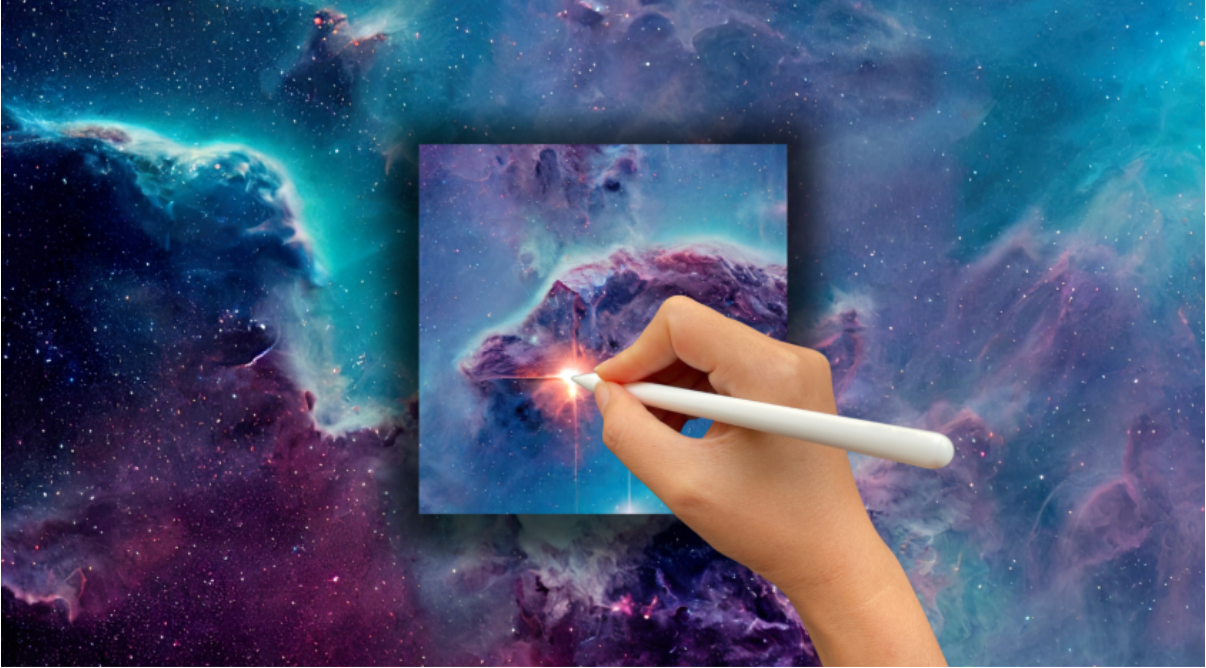
Digital art in 2026 is no longer just about technology – it’s about authenticity. As AI-generated imagery becomes ubiquitous, artists are leaning into visible human authorship, imperfection, and emotional resonance. From micro-animations and naïve design to NFTs becoming standard market infrastructure, the creative landscape has matured into something richer and more nuanced than ever. For artists, the opportunity has never been greater – but so does the need to stand out, build community, and present work professionally.
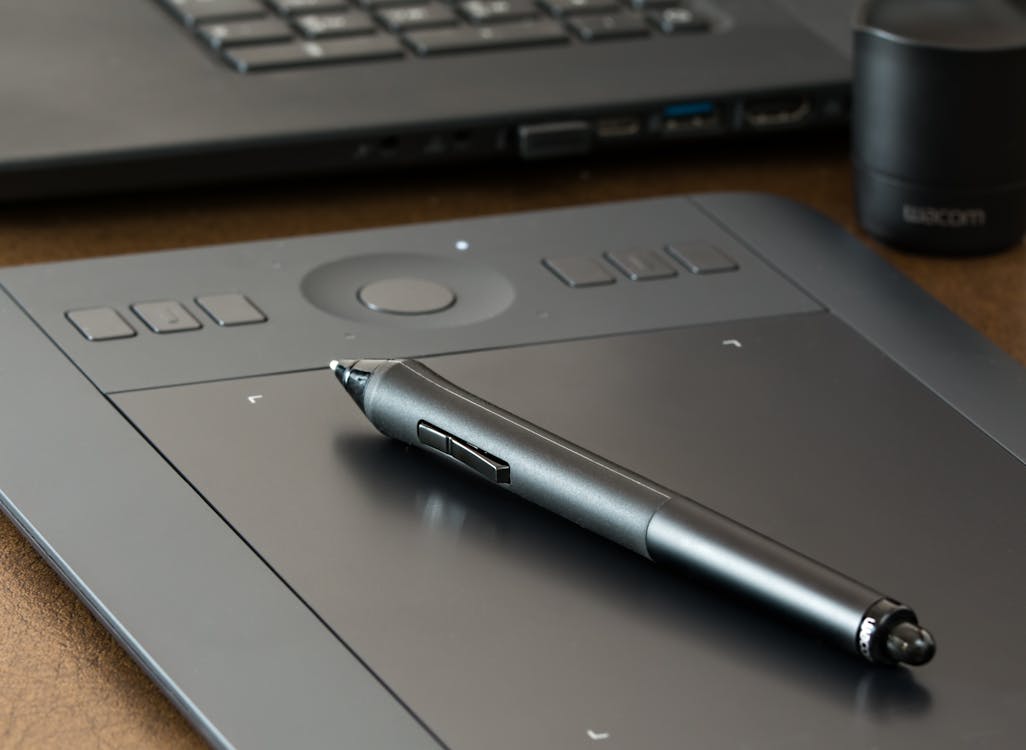
What is digital art? Digital art is a form of artistic expression created using digital technology, including software, AI tools, and digital devices. It encompasses digital paintings, illustrations, photography, 3D models, animations, NFT art, and virtual reality experiences.
What Is Digital Art and Its Role in the Modern World?
Digital art is transforming the modern world, playing a crucial role in how creativity is expressed, shared, and monetised. The artistic landscape has entered a transformative era where creativity and technology converge in unprecedented ways. As we move through 2026, the rise of digital art continues to reshape how we create, experience, and value artistic expression. This evolution represents more than a technological shift – it marks a fundamental reimagining of what art can be and who can create it.
Digital art is important because it expands accessibility, enables global distribution, and integrates with modern technology ecosystems. Digital art is changing the world by democratising creativity and enabling artists to reach global audiences instantly, breaking down traditional barriers that once confined artistic expression to galleries and established institutions.

In contrast to the classical media that have long defined artistic achievement, the rise of digital art represents a dynamic fusion of innovation and creativity. As we navigate this digital renaissance, we witness the emergence of a new frontier where artists leverage algorithms, virtual reality, and other cutting-edge tools to shape their visions. This transformative shift redefines the artistic landscape and challenges our perception of what art can be. It invites us to explore the intersection of technology and creativity, pushing the boundaries of conventional expression.
As we embrace the era of the rise of digital art, we embark on a journey that extends beyond paint and canvas into the virtual realm. This is a testament to the ever-evolving nature of human creativity, where the fusion of art and technology gives rise to a captivating tapestry of innovation.
The Rise of Digital Art: Understanding the Medium
The rise of digital art has fundamentally altered not just the creation process but also how audiences discover, engage with, and collect artwork – and how artists sell digital artwork online to global audiences without traditional gatekeepers.
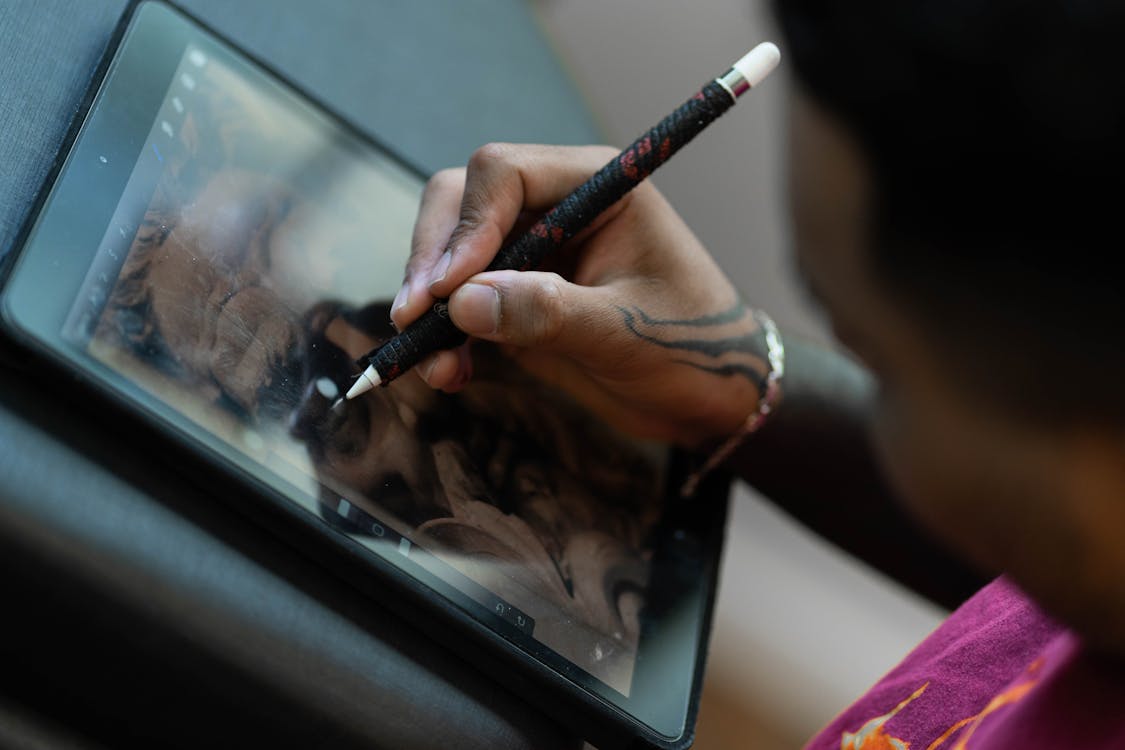
Artists now have access to more accessible 3D applications, many of which are browser-based, including tools like Womp and Adobe’s Project Neo, making sophisticated techniques available to creators at all skill levels.
Contemporary digital artists benefit from unprecedented creative freedom. They can experiment without the constraints of physical materials, iterate rapidly, and explore techniques that would be impossible in traditional media. Online platforms have democratised art viewing, enabling global audiences to engage with works instantly.
Different Types and Forms of Digital Art
There are several digital art forms, each offering unique creative possibilities. As the medium has matured, artists have developed distinct disciplines that leverage digital tools in increasingly sophisticated ways:
- 2D digital illustration
- 3D modelling and sculpting
- Generative and algorithmic art
- NFT-based digital art
- Virtual Reality (VR) art and immersive experiences
- Micro-animation and motion art
Each of these digital art forms brings its own tools, communities, and market dynamics, contributing to a rich and diverse creative ecosystem.
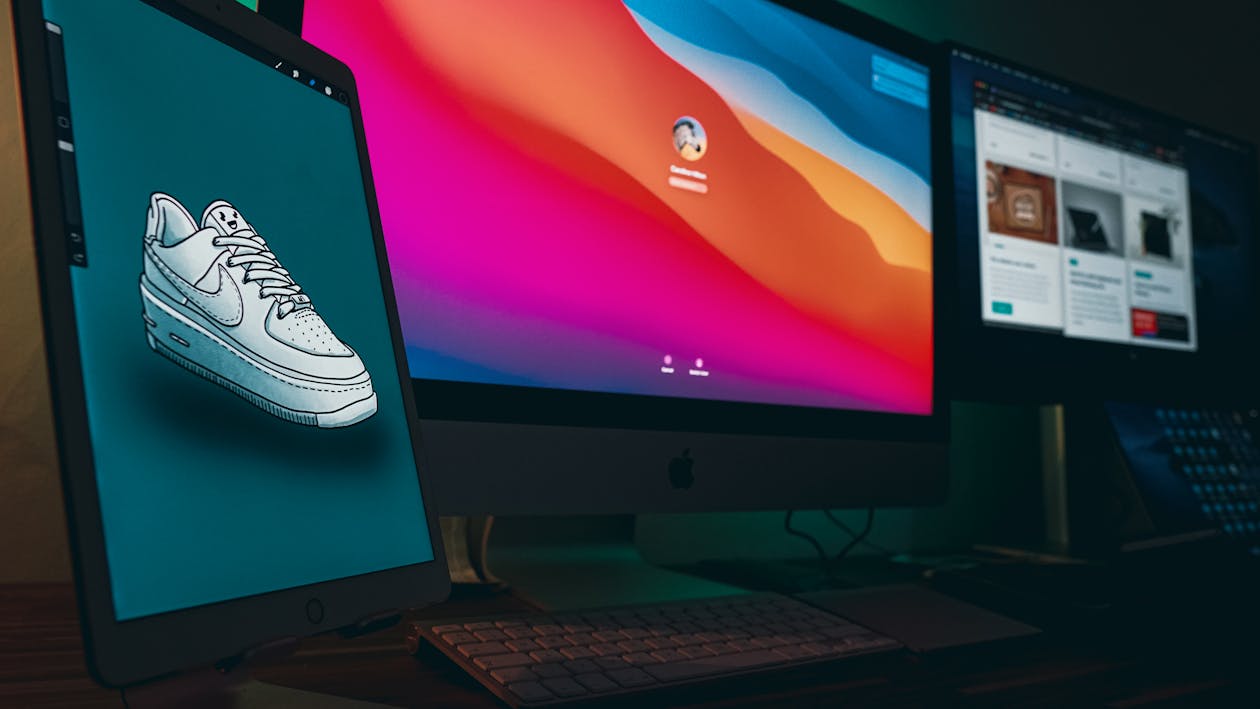
Key Trends in the Field of Digital Art (2026)
One of the biggest trends in the field of digital art is the rise of AI-generated creativity, but 2026 reveals a more nuanced picture. As we explore trends in the field of digital art, we witness an exciting tension between perfection and imperfection, between the algorithmic and the handmade, between the global and the deeply personal.

1. Digital Paintings: A New Canvas
Digital painting remains a cornerstone of the rise of digital art, but by 2026, it has evolved significantly. Artists continue to use sophisticated software like Adobe Photoshop, Procreate, and Corel Painter, but the approach has shifted toward authenticity.
In digital painting, artists use software and tools that imitate traditional painting techniques – allowing them to create brush strokes, blend colours, and draw with actual paint on a digital canvas. Modern digital artists work with graphic tablets, stylus pens, and increasingly accessible software that provides extensive brush libraries, colour palettes, and effects.
In 2026, digital art trends emphasise authenticity and sincerity over technical perfection. Rather than showcasing flawless execution, artists increasingly embrace imperfections that signal human authorship. This shift responds directly to the proliferation of AI-generated imagery, with audiences craving work that unmistakably reveals “a human was here.”
Naïve Design has emerged as a popular trend, embracing simplicity and childlike playfulness with basic geometric shapes and intentionally imperfect execution. This style prioritises expression and emotion over technical precision, creating work that feels authentic, warm, and deeply human in an age of algorithmic polish.
2. Immersive AR/VR Art
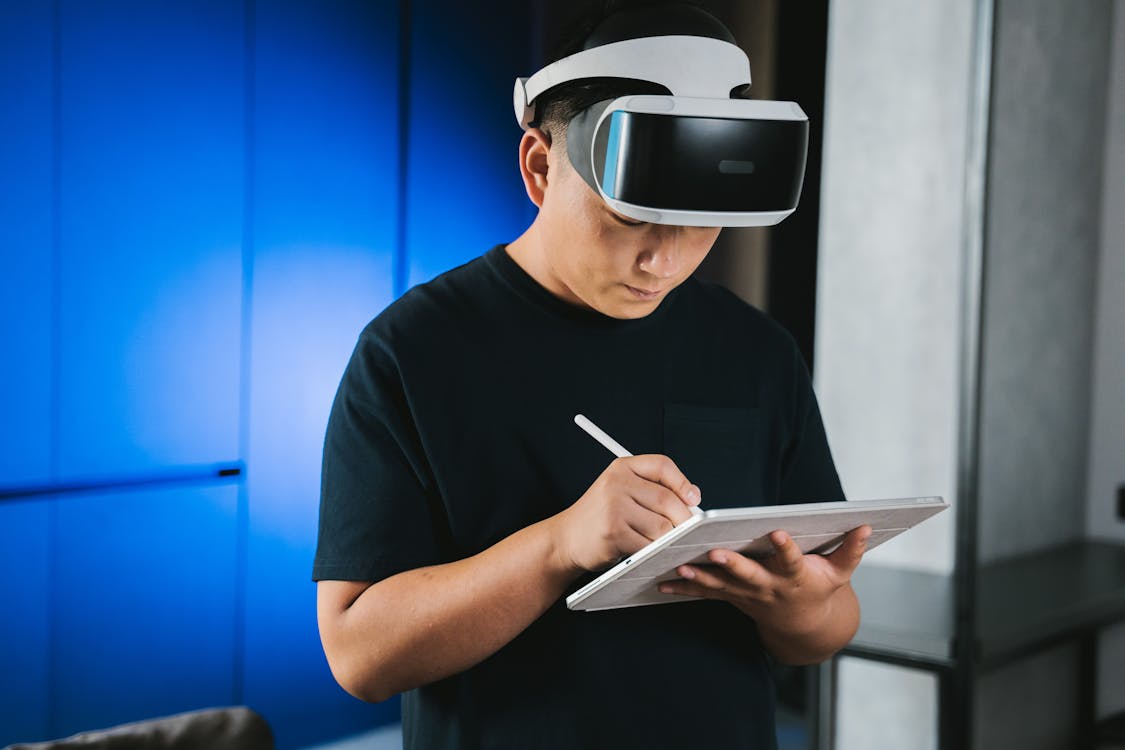
Virtual reality art has matured significantly in 2026, offering immersive experiences where viewers enter paintings or interact with three-dimensional worlds. This innovative approach transforms passive observation into active participation, making it a key element of digital art’s rise.
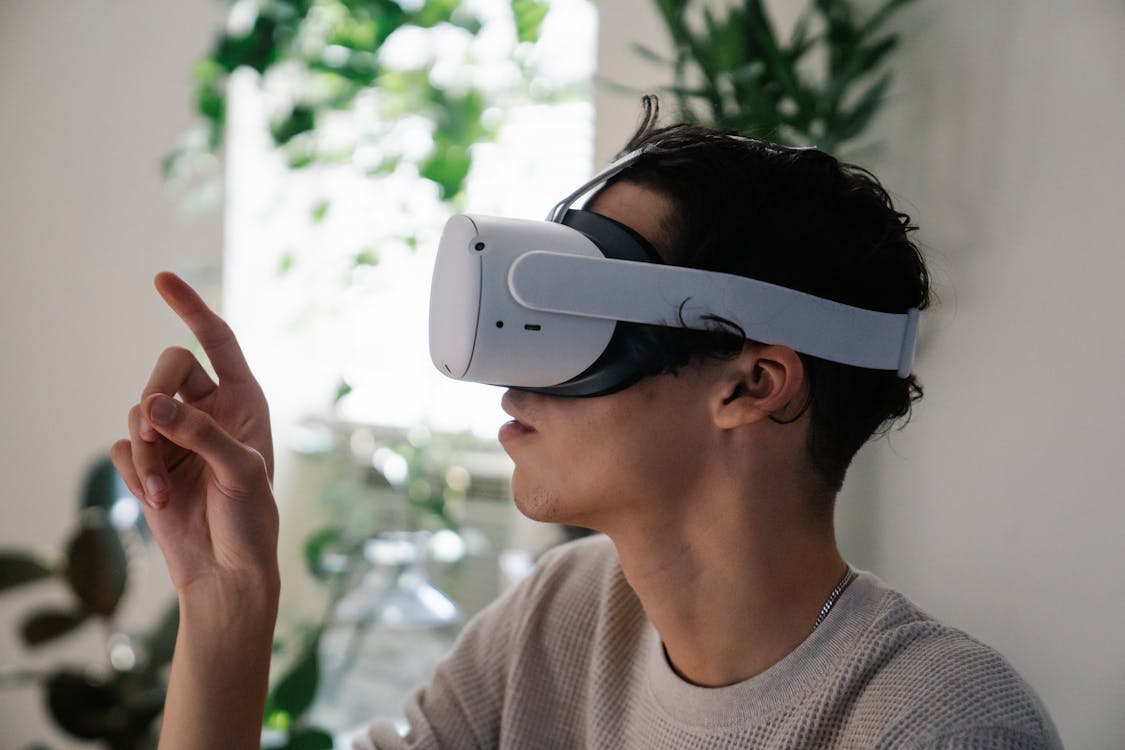
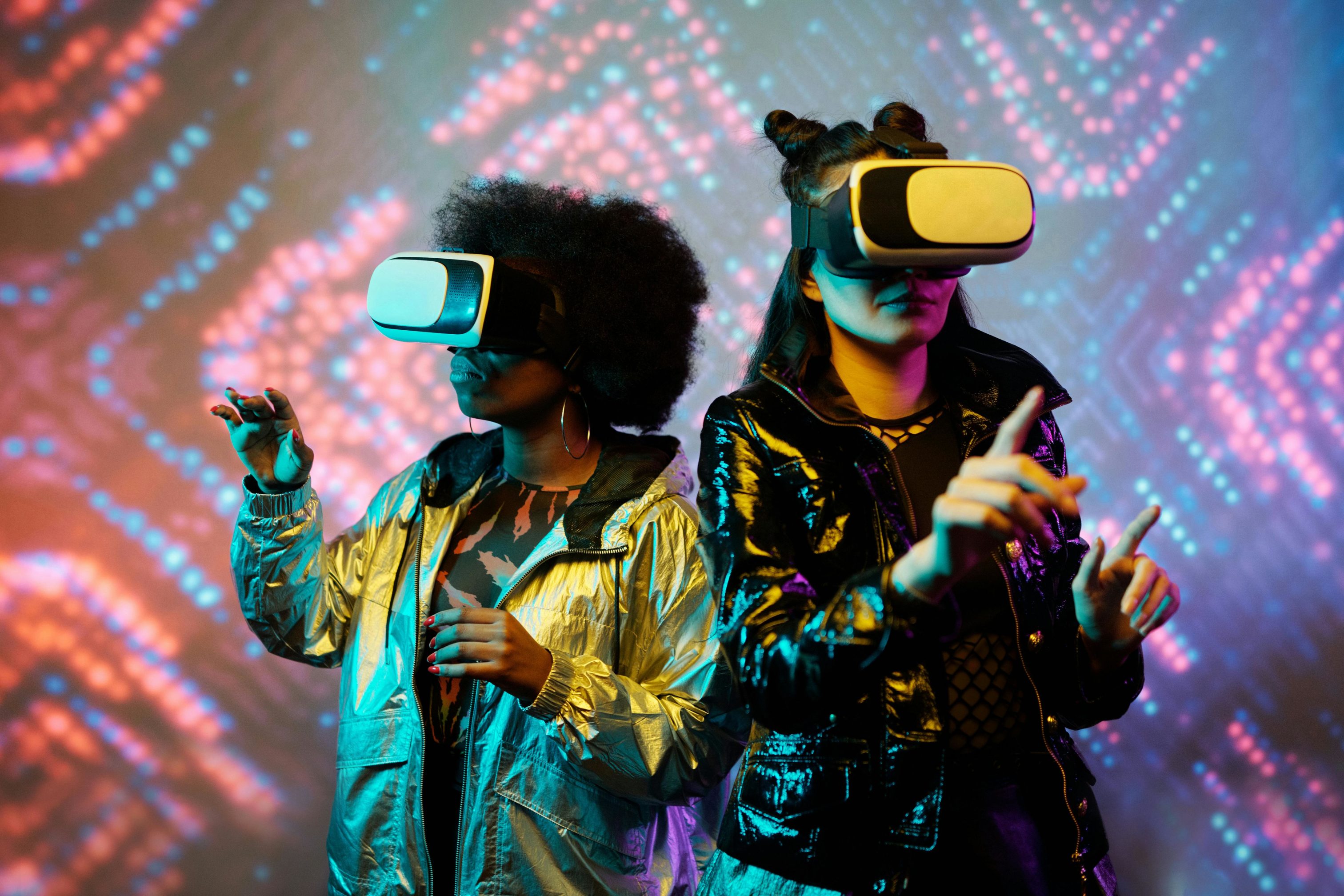
VR technology empowers artists to construct entire 3D worlds that viewers can explore. Artists like Chris Milk create interactive narratives where participants don’t just observe – they become integral elements of the artistic experience. Artists have used Google’s Tilt Brush VR painting tool to paint in three-dimensional space, with works exhibited at the Royal Academy of Arts in London.
In 2026, immersive art has evolved from novelty to necessity, with multi-sensory exhibitions engaging audiences through projection, sound, and interaction, turning spaces into emotional journeys that dissolve boundaries between observer and artwork.
3. NFT and Blockchain Art
NFTs continue to play a significant role in the rise of digital art, though the market has matured considerably. In 2026, NFTs function as an established digital infrastructure rather than a speculative novelty.
Non-fungible tokens (NFTs) are unique digital certificates stored on blockchain, a secure technology ledger that verifies and records transactions. In art, they prove ownership and authenticity of digital works. Each NFT is unique and cannot be replicated, making the digital art it represents verifiably one-of-a-kind.
NFTs have solved a longstanding challenge in digital art: proving ownership. Before blockchain verification, establishing clear ownership of digital works was nearly impossible. NFTs now provide secure, transparent provenance that artists and collectors can trust, creating new revenue streams and sometimes allowing artists to earn royalties on secondary sales.
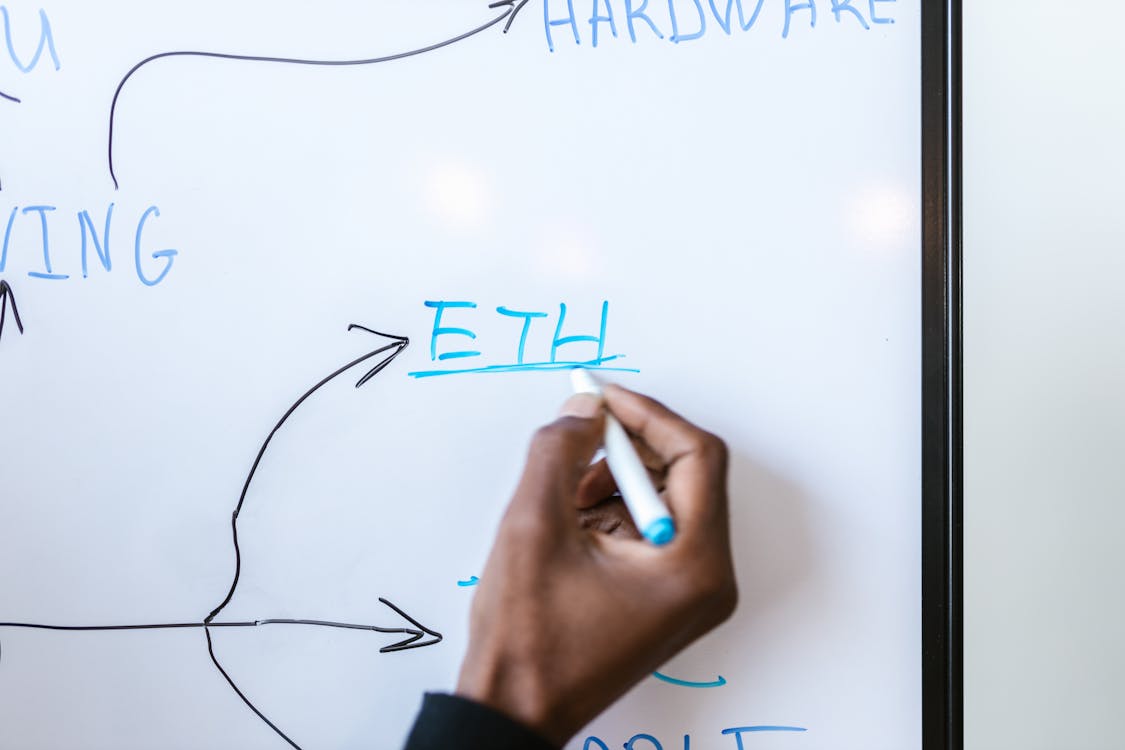
In 2026, NFTs have become a normalised infrastructure in the art world, integrated into galleries, auction houses, and collecting practices as a standard verification method rather than a speculative trend.
4. Micro-Animations and Living Illustrations
One of the most subtle yet impactful trends in 2026 is the rise of micro-animations. These tiny loops – where eyes blink, smoke drifts, or cloth blows naturally – draw readers in and bring covers or pages to life. Artists create these effects using tools like After Effects, Procreate Dreams, Blender, and Rive. Micro-animations work particularly well for web content, digital books, and social media.
5. AI-Generated Digital Art and Hybrid Practices
In 2026, artists are not simply using AI as a tool but exploring hybrid practices that merge logic, emotion, and innovation. Rather than replacing human creativity, AI serves as a collaborative partner – generating variations, suggesting compositions, or handling technical tasks while artists provide vision, curation, and emotional intent. The most compelling work clearly demonstrates human authorship, curated and refined, distinguishing it from purely algorithmic output.
Emerging Trends in Digital Art You Should Know
Current trends in digital art show a shift towards automation and AI-assisted creativity, but several other movements are equally defining the landscape:
- Ultra-Tactile Craft – A resurgence of deeply textured, material-focused art using tin, ash, plaster, and industrial compounds.
- Surreal Minimalism – Clean, minimalist design with single bold dreamlike elements as emotional hooks.
- Distorted Portraiture – Expressive, subversive portraits that stand apart from AI-generated imagery.
- Retro Revival – Pixel art, vintage printing techniques, and analogue aesthetics.
- Maximalism and Neo-Expressionism – Joyful, emotionally direct art that communicates immediately.
- Earth Tone and Electric Palettes – Rich ochre, burnt terracotta, and vibrant electric pastels defining 2026’s signature colour story.
6. Accessible 3D Tools Democratise Complex Creation
More accessible 3D applications, including browser-based tools and free software like Substance 3D, are emerging for 2D artists. Concept artists increasingly build scenes in 3D and paint over them, especially when working with complex perspectives or multiple viewing angles. This hybrid approach accelerates workflows while maintaining artistic control and individual style.
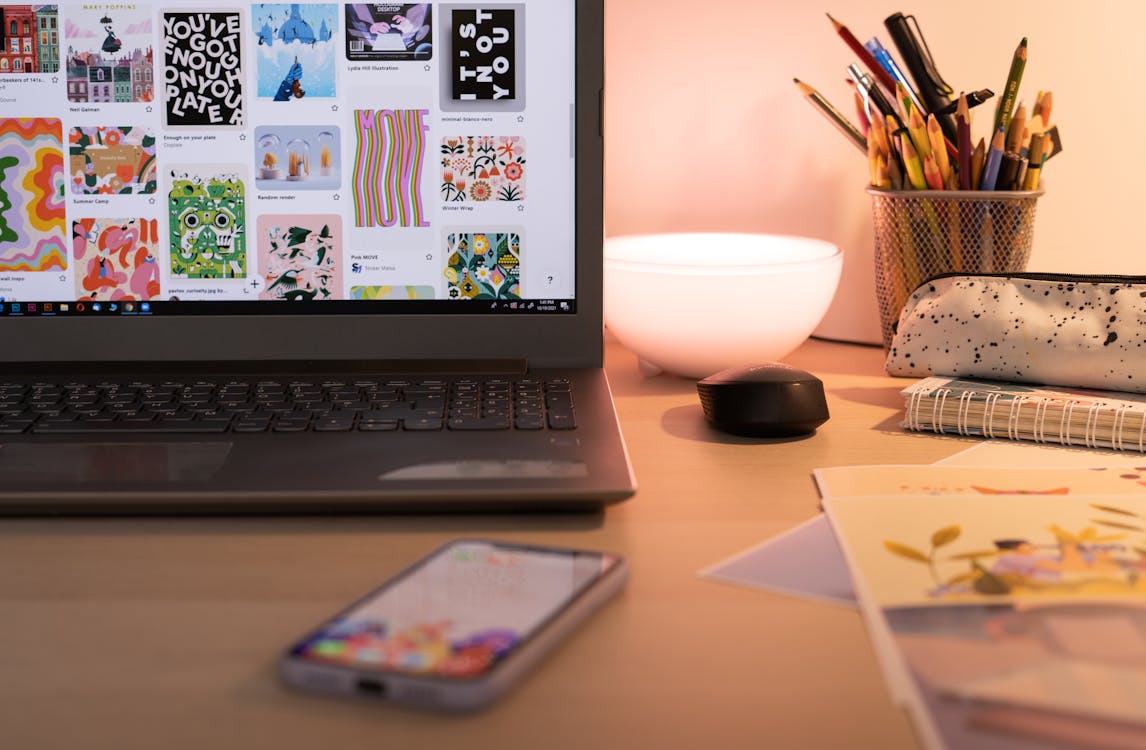
Tech-Infused Artistry: Catalysts in the Rise of Digital Art
Technology continues transforming the art world, but in 2026, the relationship has become more nuanced. Digital tools expand creative possibilities while artists deliberately incorporate “analogue” elements – imperfections, textures, and handmade qualities – even in purely digital work.
Digital platforms have revolutionised art accessibility. Artists share work globally through online galleries and social media, reaching audiences that would have been impossible to access through traditional channels. These platforms have broken down barriers to entry, giving emerging artists visibility and opportunities previously reserved for those with gallery representation. Beyond visibility, meaningful artistic community engagement has become essential for artists seeking long-term growth, collaboration, and collector trust.
What Is the Future of Digital Art?
The future of digital art is driven by advancements in AI, decentralisation, and immersive experiences. You might also wonder: what does the future of digital art look like for artists? The answer lies in a dialectical progression – as tools become more sophisticated, the pendulum swings toward valuing visible human presence, emotional authenticity, and imperfect craftsmanship.

The future of digital art trends suggests a strong move towards personalised and AI-generated content ecosystems, but alongside this, collectors increasingly value emotional connection over technological novelty, seeking work that resonates personally rather than simply impresses technically.
We anticipate continued fusion of traditional and digital techniques, with artists exploring hybrid approaches that combine conventional methods with cutting-edge tools. Augmented reality and virtual reality experiences are becoming standard rather than experimental, enabling artists to create environments rather than objects, transforming how audiences encounter creative work.
One of the most significant shifts shaping the future is what might be called the “authenticity economy.” As AI-generated content becomes ubiquitous, the most compelling art reflects a renewed commitment to work that is unmistakably made, marked by intuition, risk, and imperfections that signal authorship. Collectors and audiences gravitate toward art that carries clear traces of the person who made it, at a time when authenticity has become its own form of scarcity.
For artists navigating this landscape, having a strong, professional online presence matters more than ever. A well-crafted artist portfolio is no longer a nice-to-have – it’s the foundation of how collectors and curators encounter your work for the first time. Equally, knowing how to price artwork fairly and consistently is one of the skills that separates artists who build lasting careers from those who struggle to monetise their practice.
Those earlier in their journey often find that the business side of art – writing statements, setting prices, navigating the market – can feel just as daunting as developing a creative voice. Platforms like Cosimo Academy exist to bridge exactly that gap, offering practical, expert-led guidance for artists who want to grow with confidence.
Rise of Digital Art: Conclusion
The rise of digital art represents not just a trend but a fundamental transformation in how art is conceived, created, and consumed. It challenges traditional norms and opens up a universe of creative possibilities. Digital art is changing the world by democratising creativity, enabling artists to reach global audiences, and redefining how we understand value, ownership, and expression.
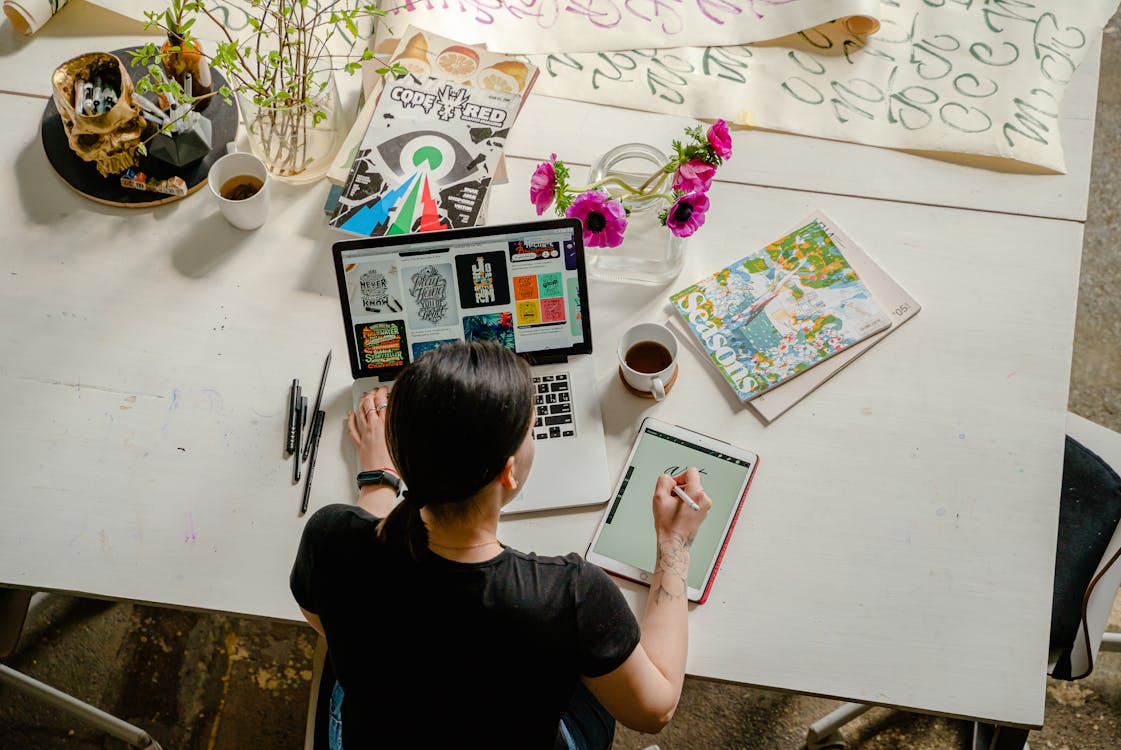
As we look ahead, the continuous rise of digital art will undoubtedly shape the future of artistic expression. The future of digital art trends points to a more personalised, AI-collaborative, and immersive creative landscape – one where human authorship is prized above all else.
Now is the time to celebrate this era of innovation and the endless opportunities it brings. With every new tool and platform, the rise of digital art reaffirms that art is ever-evolving, vibrant, and limitless.
Ready to take your art career to the next level?
Whether you’re just finding your footing or looking to grow an established practice, Cosimo gives you everything in one place – a professional portfolio, commission-free sales tools, smart pricing support, and a community of artists who genuinely get it. Join free and start building the art career you deserve.
Key Takeaways
- Digital art is democratising creativity, enabling artists to reach global audiences without traditional gatekeepers like galleries or institutions.
- The biggest trend of 2026 is the “authenticity economy” – collectors and audiences are gravitating toward work that clearly carries human authorship, in direct response to AI-generated imagery.
- Naïve design, micro-animations, distorted portraiture, and ultra-tactile craft are among the defining visual trends of the moment.
- NFTs have evolved from a speculative novelty into a normalised verification infrastructure used by galleries and auction houses.
- AI is functioning as a creative collaborator rather than a replacement – the most compelling work combines algorithmic assistance with human vision and curation.
- Building an online presence and genuine community engagement is now essential for sustainable careers in digital art.
About the Author
John Sewell is the founder of Cosimo and holds a Master’s Degree in History of Art from the University of Birmingham. He built Cosimo to give emerging artists fair, transparent ways to reach collectors directly. He was also shortlisted for the Great British Entrepreneur Awards. His background in art, creative entrepreneurship, and digital marketplaces informs his writing on artist development, accessible art, and the future of online art sales.
Frequently Asked Questions (FAQs)
Digital art is a form of artistic expression created using digital technology such as software, AI tools, and digital devices. Its role in the modern world is transformative – it democratises creativity, enables global distribution, and integrates seamlessly with modern technology ecosystems. From social media to immersive VR exhibitions, digital art is reshaping how creativity is expressed, shared, and monetised across every sector of culture and commerce.
Digital art refers to any artistic work created or presented using digital technology. This includes digital paintings, illustrations, photography, 3D models, animations, NFT art, and virtual reality experiences. Artists use software, tablets, stylus pens, and other digital tools to produce work that can be distributed and experienced online or in immersive environments.
Key trends in the field of digital art in 2026 include: the Authenticity Economy (valuing visible human authorship over AI polish), Naïve Design and intentional imperfection, Ultra-Tactile Craft celebrating texture and handmade quality, micro-animations for subtle motion, Surreal Minimalism, Distorted Portraiture, retro and heritage design aesthetics, maximalism and Neo-Expressionism, and hybrid AI-human creative practices. Colour trends favour both rich earth tones and vibrant electric pastels.
The future of digital art is driven by advancements in AI, decentralisation, and immersive experiences. We expect tools that aid rather than replace the creative process – making art creation more accessible while preserving space for human vision and emotional intelligence. The future of digital art trends suggests a strong move towards personalised, AI-assisted, and immersive content ecosystems, where authenticity and human authorship carry premium value.
There are several digital art forms, each offering unique creative possibilities: 2D digital illustration, 3D modelling, generative and algorithmic art, NFT-based art, virtual reality (VR) art, micro-animation, and motion graphics. Each form has its own tools, techniques, and communities within the broader digital art ecosystem.
Digital art is important because it expands accessibility, enables global distribution, and integrates with modern technology ecosystems. It has removed traditional gatekeepers, allowing artists of all backgrounds to reach global audiences, build sustainable careers, and engage with collectors directly. It also pushes the boundaries of human creativity, enabling experiences impossible in any other medium.
Digital art is changing the world by democratising creativity and enabling artists to reach global audiences instantly. It has transformed how art is produced, sold, and experienced – from NFT marketplaces to immersive VR exhibitions. It is also influencing design, advertising, film, gaming, and education, making creative visual communication accessible at an unprecedented scale.
Traditional art uses physical materials like paint, canvas, clay, or paper, while digital art is created using computers, tablets, and software. Digital art offers unlimited undos, instant sharing, global reach, and no material costs. However, traditional art retains a tangible, physical quality that many collectors still deeply value – which is why 2026 trends show a renewed appreciation for visible craftsmanship even within digital work.
In 2026, digital artists commonly use Adobe Photoshop, Procreate, Corel Painter, and Blender for 2D and 3D work. Browser-based tools like Womp and Adobe’s Project Neo have made 3D creation more accessible. For animations, tools like After Effects, Procreate Dreams, and Rive are popular. AI-powered tools are also widely used as collaborative aids rather than replacements for human creativity.
NFTs (Non-Fungible Tokens) are unique digital certificates stored on a blockchain that verify ownership and authenticity of digital artworks. For artists, NFTs create direct revenue streams and sometimes allow them to earn royalties on secondary sales. In 2026, NFTs have become a normalised part of the art market infrastructure, used by galleries and auction houses as a standard verification method.
Absolutely. Digital art has established significant market value, especially with the rise of NFTs and blockchain verification. Collectors now have secure, transparent ways to own and trade digital works. Beyond monetary value, digital art holds cultural and emotional value – as audiences increasingly seek authenticity and human authorship, original and compelling digital works command strong interest from collectors worldwide.
Artists can sell digital art through online galleries and marketplaces, NFT platforms, personal websites, and social media. NFTs provide a way to sell digital pieces as verifiable one-of-a-kind assets. Building community engagement and collector trust through consistent online presence is increasingly important for sustainable income.
Yes – digital art is increasingly accessible to creators at all skill levels. Many tools are free or low-cost, browser-based, and intuitive. Platforms like Procreate offer approachable entry points, while online communities provide tutorials, feedback, and inspiration. The democratisation of 3D tools means artists from traditional 2D backgrounds can incorporate new dimensions into their work without expensive equipment.